
Are you short on space and wondering if you can stack your washer on top of your dryer? You’re not alone.
Many people face this challenge and want a simple, safe solution that saves room without risking damage to their appliances. You’ll discover whether stacking your washer and dryer is a smart move, what you need to know before doing it, and how to make sure everything fits perfectly and works smoothly.
Keep reading to find out how to maximize your laundry area without any costly mistakes.
Stacking Washer And Dryer Basics
Stacking a washer on top of a dryer saves space in your laundry area. This setup works best in small rooms or apartments.
You must know the types of washers and dryers to stack them safely and correctly.
Washer And Dryer Types
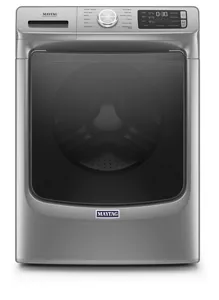
Not all washers and dryers can be stacked. Front-loading machines are designed for stacking. Top-loading washers usually cannot be stacked.
- Front-load washers fit well under dryers.
- Electric and gas dryers can be stacked on washers.
- Check the manufacturer’s instructions before stacking.
- Use a stacking kit to secure the machines.
Space-saving Benefits
Stacking your washer and dryer frees up floor space. This can make your laundry area look larger and more organized.
| Benefit | Description |
| Saves Floor Space | Machines use vertical space instead of spreading out. |
| Improves Accessibility | Dryer is at eye level, making clothes easier to transfer. |
| Creates Room | Extra space for shelves or laundry baskets. |
| Fits Small Areas | Works well in closets or narrow laundry rooms. |
Compatibility Factors
Stacking a washer on top of a dryer can save space. It is important to check if your units are compatible. Compatibility depends on weight, size, and the right stacking kit.
This guide explains key points about weight and size, and the stacking kit you need.
Weight And Size Considerations
Washers and dryers must fit well together for safe stacking. The washer usually goes on top because it is lighter. Check the dimensions and weight limits before stacking.
| Factor | Washer | Dryer | Notes |
| Average Weight | 120 lbs | 150 lbs | Dryer is heavier, so it goes on bottom |
| Width | 24-27 inches | 24-27 inches | Widths must match for stability |
| Depth | 24-30 inches | 24-30 inches | Depths should be similar to avoid imbalance |
| Height | 33-40 inches | 33-40 inches | Total height must fit your space |
Stacking Kit Requirements
A stacking kit secures the washer on top of the dryer. It prevents movement and accidents. Not every model uses the same kit, so check compatibility carefully.
- Ensure the kit fits your washer and dryer models
- Check if the kit includes brackets, screws, and instructions
- Use only manufacturer-approved stacking kits
- Install the kit on a level surface for stability
Safety Precautions
Stacking a washer on top of a dryer can save space. It is important to follow safety rules to prevent accidents.
This guide covers key safety tips for secure installation and keeping the unit stable during use.
Secure Installation Tips
Make sure the stacking kit fits your washer and dryer models exactly. Use only kits made for stacking appliances.
- Read the manufacturer’s instructions carefully before starting installation.
- Ensure both units are unplugged and disconnected from water sources.
- Place the dryer on a flat, solid surface before stacking the washer on top.
- Attach the stacking kit securely to prevent the washer from moving or falling.
- Check that all screws and brackets are tightened properly.
Vibration And Stability
Washers can vibrate strongly during spin cycles. Proper support prevents shaking and tipping.
| Tip | Reason |
|---|---|
| Use anti-vibration pads under the dryer | Reduces movement and noise |
| Level both appliances with adjustable feet | Prevents rocking and uneven wear |
| Do not overload the washer | Limits excessive shaking |
| Inspect stacking kit regularly | Ensures stability over time |

Credit: www.reddit.com
Step-by-step Stacking Guide
Stacking a washer on top of a dryer saves space. It is important to do it safely.
This guide shows you how to stack your washer and dryer correctly. Follow each step carefully.
Preparing The Appliances
First, clear the area where you will stack the appliances. Make sure both machines are clean and dry.
Check the manuals for both appliances. Confirm they can be stacked and find the right stacking kit.
- Unplug both appliances from the power source
- Empty the washer and dryer completely
- Measure the space to ensure proper fit
- Remove any feet or wheels if needed
Installing The Stacking Kit
Use a stacking kit made for your washer and dryer models. This kit keeps the machines stable.
Follow the stacking kit instructions to attach it firmly. Usually, it involves screws or brackets.
- Place the dryer on a flat surface
- Attach the stacking kit to the dryer base
- Carefully lift the washer and place it on the dryer
- Secure the washer with the stacking kit hardware
- Double-check all screws and brackets for tightness
Final Adjustments
After stacking, level the machines using adjustable feet. This prevents shaking during use.
Reconnect power and water hoses. Test both appliances to ensure they work well.
- Use a level tool to check appliance alignment
- Tighten any loose connections
- Run a short wash and dry cycle
- Listen for unusual noises or vibrations
- Adjust feet or stacking kit if needed
Common Challenges
Stacking a washer on top of a dryer can save space in small laundry rooms. It may seem easy but comes with some challenges.
These challenges can affect how well the machines work and how easy it is to use them.
Noise Issues
Washers create strong vibrations when they spin. These vibrations can cause noise when stacked on a dryer.
The noise can be louder because the washer shakes the dryer below it. This can disturb people nearby.
- Stacked units may rattle or shake more than side-by-side setups
- Floor vibrations can increase noise levels in the room
- Improper stacking can cause machines to move or fall
Access And Maintenance
Stacking machines can make it hard to reach controls on the top unit. This is often the washer.
Maintenance becomes tricky because you may need to unstack the machines to fix or clean them properly.
- Top controls may be too high for some users
- Access to hoses and vents can be limited
- Repair work might need moving the washer or dryer
Credit: www.maytag.com
Alternatives To Stacking
Stacking a washer and dryer saves space. But it’s not the only option. Consider these other arrangements for your laundry appliances.
Explore different setups that fit your space and needs. You might find a better solution than stacking.
Side-by-side Arrangements
Placing your washer and dryer side by side offers easy access. This setup is ideal if you have enough room in your laundry area.
Side-by-side arrangements make it simple to transfer clothes from washer to dryer. You can also install a countertop above them for folding clothes.
- Convenient for loading and unloading
- Allows for additional countertop space
- Easy to access and maintain appliances
Under-counter Options
Under-counter options fit washers and dryers beneath a counter. This method saves space and provides a seamless look.
These appliances are often front-loading. They fit perfectly under standard kitchen or laundry room counters.
- Maximizes available space
- Creates a clean, integrated appearance
- Ideal for small laundry rooms or kitchens
Credit: www.magnet.co.uk
Frequently Asked Questions
Can You Stack A Washer On Top Of A Dryer Safely?
Stacking a washer on top of a dryer is generally unsafe. Washers are heavier and vibrate more, risking instability. Most manufacturers recommend stacking the dryer on top of the washer using a compatible stacking kit for safety and efficiency.
What Equipment Do I Need To Stack Washer And Dryer?
You need a stacking kit designed for your washer and dryer models. This kit includes brackets and screws to secure the units safely. Using the correct kit prevents movement and potential accidents during operation.
Can All Washers And Dryers Be Stacked?
Not all washers and dryers can be stacked. Only front-loading machines designed for stacking should be used. Check the manufacturer’s guidelines to confirm if your units are compatible and safe for stacking.
Why Is Stacking Washer On Top Of Dryer Discouraged?
Stacking washer on top of dryer is discouraged due to vibration and weight concerns. Washers produce more movement, which can cause the dryer below to become unstable and unsafe. Proper stacking order improves durability and safety.
Conclusion
Stacking a washer on top of a dryer saves space in small homes. Make sure both machines are compatible and stable before stacking. Use proper stacking kits to keep them secure and safe. Check the user manuals for any specific instructions.
Keep ventilation and access to controls in mind. With careful planning, this setup can work well. It helps make laundry tasks easier in tight spaces. Always prioritize safety and machine compatibility. This simple change can improve your laundry area’s efficiency.