Are you wondering if it’s safe to store your air conditioner on its side? You might think it’s a simple way to save space or make moving easier.
But before you lay your unit down, there are important things you need to know. Storing your air conditioner incorrectly can cause damage and affect its performance when you use it again. Keep reading to find out the best way to store your air conditioner and avoid costly mistakes.
Your unit—and your comfort—depend on it.
Air Conditioner Components
An air conditioner has many parts that work together to cool a room. Each part plays a role in its performance and durability.
Knowing these parts helps you understand why storing an air conditioner on its side can be risky.
Key Parts To Consider
Some main components inside an air conditioner are sensitive to how the unit is placed. These parts include the compressor, refrigerant lines, and the oil inside the system.
- Compressor:This part compresses the refrigerant to cool the air. It contains oil for lubrication.
- Refrigerant Lines:Tubes that carry the refrigerant between parts.
- Condenser Coil:Helps release heat from the refrigerant.
- Evaporator Coil:Absorbs heat from the indoor air.
- Fan:Moves air across coils to cool the space.
Impact Of Orientation On Components
Storing an air conditioner on its side can cause oil to move out of the compressor. This may lead to poor lubrication when you use it again.
| Component | Effect of Side Storage | Potential Issue |
| Compressor | Oil can leak into refrigerant lines | Poor lubrication, possible damage |
| Refrigerant Lines | Oil may block flow | Reduced cooling efficiency |
| Fan | Usually not affected | No major issue |
| Coils | May collect oil in wrong places | Lower heat transfer |
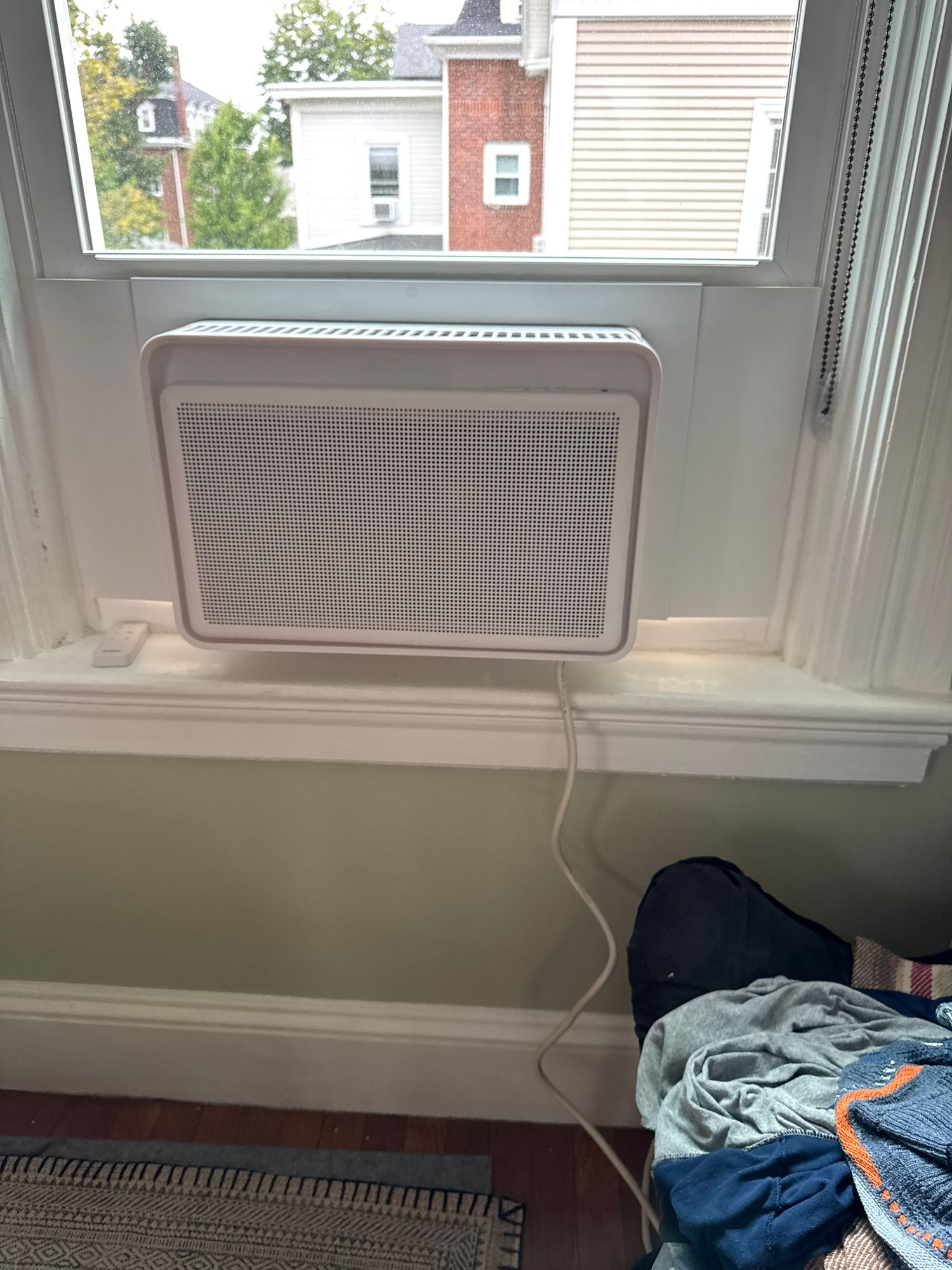
Credit: windmillair.com
Risks Of Storing On Its Side
Storing an air conditioner on its side can cause serious problems. It is not the recommended way to store these units.
Air conditioners have parts that need to stay upright. Laying them on their side can damage these parts.
Potential Damage To Compressor
The compressor is a key part of an air conditioner. It compresses the refrigerant to cool the air.
If the air conditioner is stored on its side, the compressor may get damaged. Oil inside may move to places it shouldn’t.
- Compressor parts may become misaligned
- Oil can move away from needed areas
- This causes poor compressor function
- Compressor might fail when used again
Oil Leakage Issues
Air conditioners use oil to keep parts moving smoothly. This oil stays in certain areas when the unit is upright.
Storing the unit on its side can cause the oil to leak or pool incorrectly. This leads to parts not getting enough lubrication.
- Oil may leak out of seals or connections
- Parts inside may dry out and wear fast
- Oil pooling can cause blockages
- Leaks can damage other surfaces where stored
Manufacturer Recommendations
Storing an air conditioner properly is important to keep it working well. One common question is if you can store it on its side. Different manufacturers share advice on this.
Following the instructions helps avoid damage. This guide covers the usual rules and some exceptions.
Common Guidelines
Most manufacturers say not to store air conditioners on their side. The compressor inside can get damaged if tilted. Oil inside the unit may leak and cause problems.
Always keep the air conditioner upright during storage. This keeps the parts in place and prevents leaks. Waiting before turning it on again is also advised.
- Store the unit upright on a flat surface
- Wait at least 24 hours before using after storage
- Avoid tilting to protect internal parts
- Follow the manual’s specific instructions
Exceptions To The Rule
Some manufacturers allow limited tilting or side storage. This depends on the model and design. Check the user manual for exact directions.
Portable or window air conditioners may be easier to store on their side briefly. Still, it is best to follow the brand’s advice to avoid risks.
- Some models can be stored on the side temporarily
- Always check the user manual or label
- If unsure, keep the unit upright to be safe
- Contact customer support for specific questions

Credit: www.msn.com
Proper Storage Techniques
Storing an air conditioner correctly protects its parts and keeps it working well. Incorrect storage can damage the unit and shorten its life.
Follow proper steps before and during storage to avoid costly repairs. This guide explains the best ways to store your air conditioner.
Ideal Positioning
Always store the air conditioner upright. Laying it on its side can harm the compressor and internal parts.
- Keep the unit in a dry, cool place.
- Ensure it rests on a flat, stable surface.
- Avoid stacking heavy objects on top of it.
- Cover the unit with a breathable cloth to keep dust away.
Preparing The Unit For Storage
Before storing, clean the air conditioner to remove dirt and moisture. This prevents mold and damage.
| Preparation Step | Why It Matters |
|---|---|
| Turn off and unplug the unit | Prevents electrical hazards |
| Drain all water from the unit | Stops mold and corrosion |
| Clean or replace filters | Maintains air quality and function |
| Wipe down exterior surfaces | Removes dust and grime |
| Cover with cloth or plastic | Keeps dust and pests out |
Handling After Side Storage
Storing an air conditioner on its side can affect its internal parts. Proper handling is needed before you use it again. This helps avoid damage and keeps the unit working well.
Understanding the right steps after side storage protects the compressor and cooling system. Taking time to prepare the unit is important for its lifespan.
Steps Before Restarting
Do not turn on the air conditioner right after side storage. The oil inside the compressor may have moved to the wrong place. You must let it settle back to its normal position.
Check the unit for any leaks or damage before restarting. Look at hoses and connections carefully. Clean any dust or dirt on the outside.
- Place the unit upright for at least 24 hours
- Inspect for oil leaks or loose parts
- Clean the air filters and outer casing
- Plug in and run the unit only after inspection
Waiting Period Importance
Waiting after side storage is crucial. The compressor oil needs time to flow back inside. This keeps the compressor safe from damage.
Skipping the wait can cause the compressor to fail. It may lead to costly repairs or a broken air conditioner. Patience helps ensure long-term use.
- Wait at least 24 hours before starting
- Keep the unit upright during this time
- Do not shake or tilt the unit
- Use the waiting time to clean and inspect
Credit: www.businessinsider.com
Alternative Transport Methods
Transporting an air conditioner requires care to keep it working well. Many people ask if they can store or move it on its side.
This guide explains safe ways to transport an air conditioner without damaging it.
Using Upright Position
Keeping the air conditioner upright is the safest way to transport it. This position stops oil from leaking inside the unit.
Moving the unit standing up helps protect its internal parts and keeps it working longer.
Securing The Unit Safely
To prevent damage, secure the air conditioner well during transport. Use straps or ropes to hold it firmly in place.
- Place the unit on a flat, stable surface
- Use padding to avoid scratches and bumps
- Tie the unit tightly but avoid squeezing too hard
- Check the unit often during transport
Expert Tips For Longevity
Storing an air conditioner properly helps keep it working longer. Many wonder if it is safe to store an air conditioner on its side.
Following expert tips can protect your unit from damage during storage. This guide explains what to do before and during storage.
Maintenance Before Storage
Clean the air conditioner well before storing it. Remove dust and dirt to avoid mold and bad smells later.
Check the unit for any damage or loose parts. Repair any issues before storing the air conditioner to prevent further damage.
- Turn off and unplug the unit.
- Remove and clean the filters.
- Wipe down the exterior and interior parts.
- Dry the unit completely to stop mold growth.
- Cover the air conditioner with a plastic sheet or cloth.
Regular Checks During Storage
Check on the air conditioner regularly while it is stored. Look for any signs of moisture or pests that might harm the unit.
If you store the unit on its side, inspect it often to catch any oil or refrigerant leaks early. Proper positioning is best but side storage can be safe with care.
- Keep the storage area dry and cool.
- Inspect the unit every few weeks.
- Look for dents, leaks, or moisture.
- Turn the unit upright before use and wait 24 hours.
Frequently Asked Questions
Can An Air Conditioner Be Stored On Its Side Safely?
Storing an air conditioner on its side is not recommended. This can cause compressor oil to flow into the cooling lines. It may lead to damage and inefficient operation when restarted. Always store the unit upright to maintain proper functioning and avoid costly repairs.
How Long Should An Air Conditioner Rest After Side Storage?
If stored on its side, let the air conditioner rest upright for at least 24 hours. This allows the compressor oil to settle back properly. Skipping this step can cause damage when the unit is powered on. Patience helps extend the air conditioner’s lifespan.
What Damage Can Occur From Storing Ac On Its Side?
Storing an AC sideways risks compressor oil leakage into refrigerant lines. This causes poor cooling and potential system failure. The compressor may overheat or seize. Proper upright storage prevents these issues, ensuring optimal performance and longer equipment life.
Is It Okay To Transport An Air Conditioner On Its Side?
Transporting an air conditioner on its side is generally discouraged. It risks oil displacement inside the compressor. If unavoidable, let the unit rest upright for 24 hours before use. Proper handling reduces damage and maintains warranty coverage.
Conclusion
Storing an air conditioner on its side can cause damage. The oil inside may move and harm the unit. Always store it upright to keep it safe. This keeps the parts working well longer. Taking care during storage saves money and trouble.
A little caution goes a long way. Keep your air conditioner ready for cool, fresh air. Simple steps help avoid big problems later. Think ahead and protect your investment.