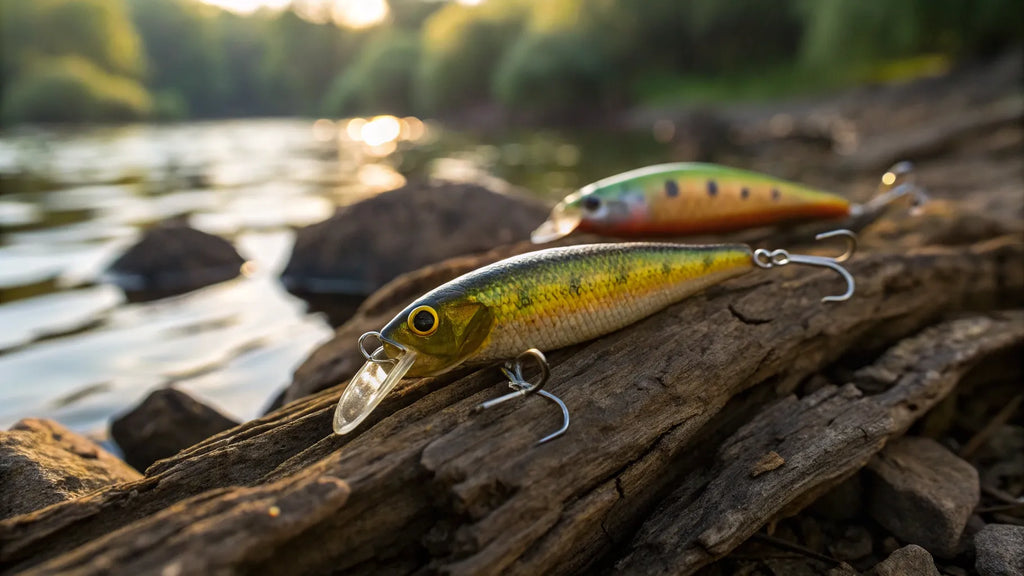
Planning to bring your fishing lures on a plane? You might be wondering if they’re allowed in your carry-on or checked bags.
It’s frustrating to pack carefully only to face surprises at airport security. Knowing the rules ahead of time can save you from delays and lost gear. Keep reading to find out exactly what you need to know about traveling with fishing lures, so your trip starts smoothly and your fishing adventure stays on track.
Airline Rules For Fishing Lures
Taking fishing lures on a plane can be tricky. Different airlines and security agencies have rules to follow. Knowing these rules helps you avoid problems at the airport.
Fishing lures may have hooks or sharp parts. These items can cause security concerns. It is important to pack them properly and know what is allowed.
Tsa Regulations
The TSA allows fishing lures in both carry-on and checked bags. However, sharp hooks must be handled carefully. Hooks should be covered or sheathed to prevent injury.
If hooks are exposed, TSA agents may remove them or ask you to check them. It is best to use a tackle box or a secure container for your lures.
- Fishing lures are allowed in carry-on luggage.
- Sharp hooks must be covered or sheathed.
- Exposed hooks may be confiscated or require checked baggage.
- Use a tackle box for safe transport.
International Airline Policies
International airlines may have different rules for fishing lures. Some countries ban sharp objects in carry-on bags. Always check the airline’s website before you travel.
In many cases, fishing lures with hooks must go in checked luggage on international flights. Some airports have stricter security and may confiscate sharp fishing gear.
- Check the airline’s policy before flying internationally.
- Many airlines require hooks in checked luggage.
- Strict airport security may confiscate sharp lures.
- Pack fishing gear safely to avoid delays.
Types Of Fishing Lures Allowed
Knowing which fishing lures you can take on a plane helps avoid trouble at security. Some lures are allowed, while others might be restricted.
This guide explains the types of fishing lures permitted by most airlines and security agencies.
Soft Plastic Lures
Soft plastic lures are usually safe to bring on planes. They are made from flexible materials that look like worms or small fish.
- They have no sharp parts and pose little risk during security checks.
- These lures must be clean and free from any live bait or dirt.
- Always pack them in a sealed container to keep your luggage tidy.
Metal And Hard Baits
Metal and hard baits include spoons, crankbaits, and spinnerbaits. These lures may have sharp hooks and metal parts.
| Type | Allowed in Carry-On | Allowed in Checked Luggage | Notes |
|---|---|---|---|
| Spoons | Usually no | Yes | Sharp hooks must be covered or removed |
| Crankbaits | No | Yes | Hooks can trigger alarms |
| Spinnerbaits | No | Yes | Contains metal blades and sharp hooks |
Packing Fishing Lures Safely
Taking fishing lures on a plane requires careful packing. You must keep them secure to avoid damage or injury.
Proper packing also helps pass airport security without problems. Let’s look at how to pack your lures safely.
Using Tackle Boxes
Tackle boxes are the best way to store fishing lures. They keep the lures organized and protected during travel.
Choose a tackle box with secure compartments. This stops hooks from tangling and poking through other items.
- Use boxes with individual slots for each lure
- Pick a box with a strong latch to prevent opening
- Opt for waterproof boxes to protect from moisture
Preventing Damage And Injury
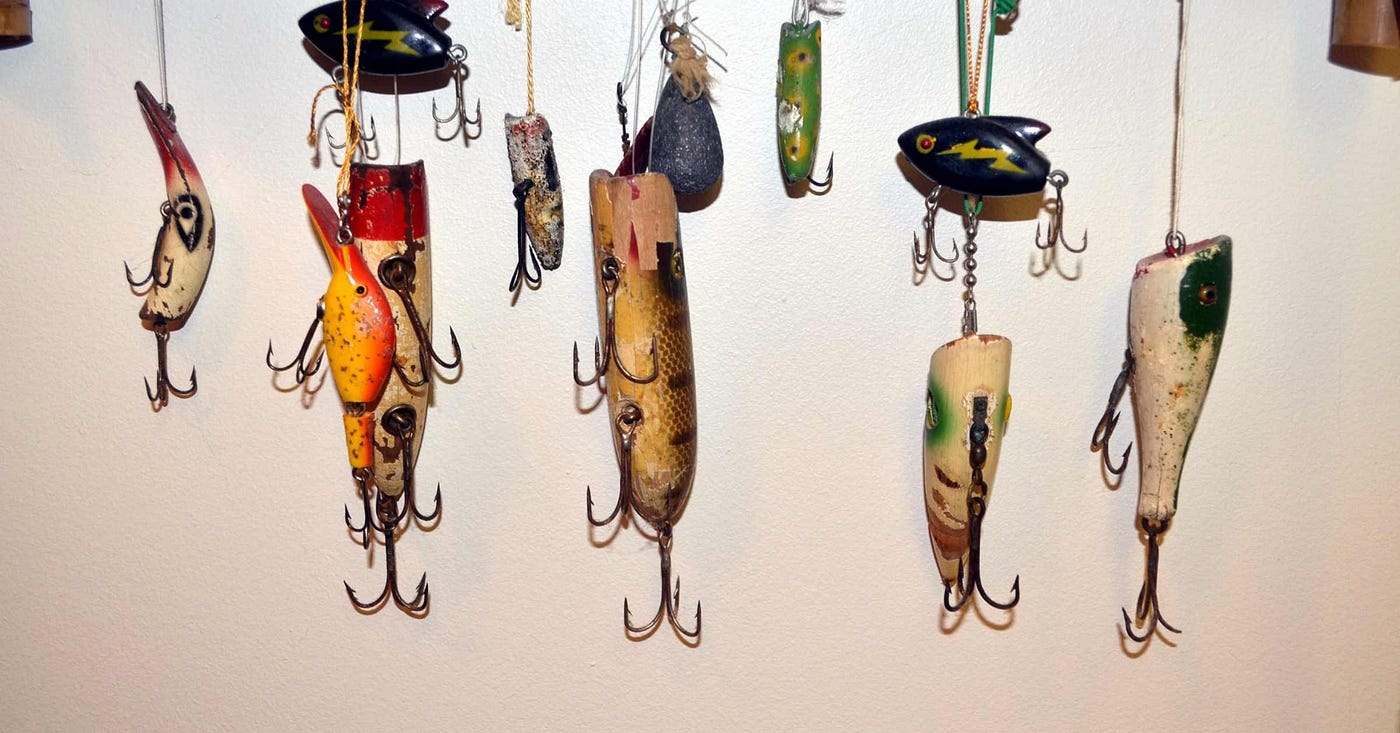
Sharp hooks can cause injury or damage your luggage. Cover hooks with hook guards or tape before packing.
Wrap lures in soft cloth or bubble wrap for extra protection. This reduces the chance of scratches or broken parts.
- Use hook covers to shield sharp points
- Wrap lures individually to avoid tangling
- Keep lures in a sturdy container inside your carry-on
Credit: veronicahanson.medium.com
Carry-on Vs Checked Baggage
Many travelers wonder if they can bring fishing lures on a plane. The rules differ for carry-on and checked bags. Knowing these rules can help avoid problems at the airport.
This guide explains the advantages of carrying fishing lures in your carry-on and the risks of putting them in checked baggage.
Advantages Of Carry-on
Bringing fishing lures in your carry-on bag gives you control and safety. You can keep an eye on your gear and avoid damage.
- Your lures stay safe from rough handling by airport staff.
- You can quickly access your gear if needed during travel.
- Carry-on bags reduce the chance of losing your fishing lures.
- You avoid delays caused by security checks on checked bags.
Risks In Checked Luggage
Placing fishing lures in checked baggage can cause problems. Some lures have sharp hooks that may damage your bag or other items.
| Risk | Description |
| Damage | Sharp hooks can tear fabric or puncture other luggage. |
| Loss | Checked bags may get lost or delayed by airlines. |
| Security Issues | Hooks might be flagged by scanners causing bag delays. |
| Restrictions | Some airlines ban sharp objects in checked bags. |
Customs And Border Controls
Taking fishing lures on a plane requires attention to customs and border rules. Different countries have specific laws about fishing gear. Knowing these rules helps avoid delays and fines.
Customs officers check your luggage for restricted items. Fishing lures can be seen as weapons or environmental hazards. You must declare them properly to pass through controls smoothly.
Declaring Fishing Gear
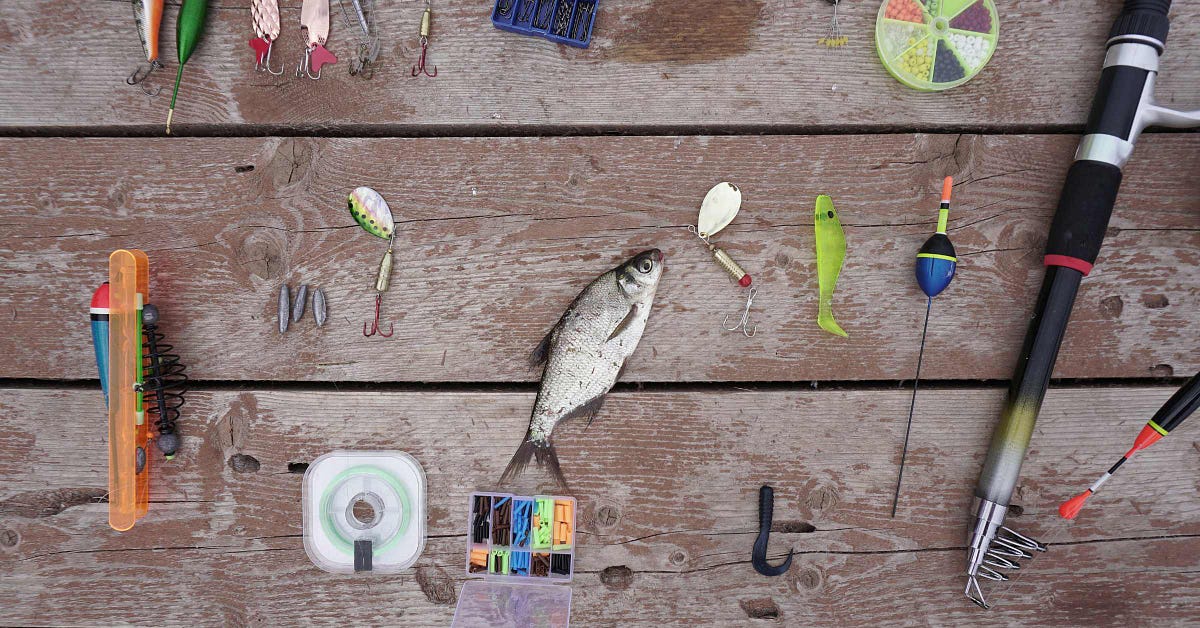
You should always declare fishing gear at customs. This includes fishing lures, hooks, and lines. Some countries require special permits for fishing equipment.
- Inform customs officers about your fishing lures.
- Show any permits or licenses you have.
- Be prepared to have your gear inspected.
- Follow any instructions given by customs staff.
Country-specific Restrictions
Each country sets its own rules for fishing gear. Some ban certain types of lures. Others limit the number or size of fishing tools you can bring.
| Country | Restriction | Notes |
| USA | Hooks must be barbless | Some states require permits |
| Australia | Live bait prohibited | Check state rules |
| Canada | Limit on number of lures | Declare all gear |
| Japan | Ban on certain plastics | Customs may inspect closely |
Credit: veronicahanson.medium.com
Tips For Smooth Airport Security
Flying with fishing lures can be tricky. Knowing the rules helps avoid delays.
Follow these tips to pass airport security without problems.
Preparing For Security Checks
Pack your fishing lures carefully. Keep them separate from other items.
- Use a clear plastic box to store lures
- Remove sharp hooks or cover them safely
- Check the TSA website for updated rules
- Keep lures in your carry-on bag
Handling Questions From Agents
Stay calm if agents ask about your fishing gear. Answer clearly and politely.
| Question | How to Respond |
| What are these items? | Explain they are fishing lures for sport fishing. |
| Are there sharp parts? | Yes, but they are safely stored and covered. |
| Can I open the box? | Yes, offer to open it for inspection. |
| Do you have permission to carry them? | Fishing lures are allowed in carry-on bags. |
Alternatives To Bringing Your Own Lures
Bringing fishing lures on a plane can be tricky. Many airlines have rules about carrying fishing gear. If you want to avoid issues, you can try other options. These alternatives let you enjoy fishing without bringing your own lures.
Two good choices are buying lures locally or using rental equipment. Both save you time and prevent problems at airport security. They also help you adapt to local fishing conditions.
Buying Locally
Buying fishing lures near your destination is a smart option. Local shops often sell lures that work best in the area. This way, you get the right gear without carrying it on the plane.
- Check local bait and tackle shops at your destination
- Ask about popular lures for the local fish species
- Buy only what you need for your trip
- Support local businesses by purchasing gear nearby
Using Rental Equipment
Many fishing spots offer rental gear, including lures. Renting equipment means you do not have to carry anything through the airport. It is a convenient choice for travelers with limited luggage space.
| Rental Item | Benefits |
| Fishing Rod | Lightweight, no need to carry your own |
| Fishing Reel | Ready to use, maintained by rental service |
| Lures | Local types, suitable for nearby waters |
| Tackle Box | Includes hooks, lines, and sinkers |
Credit: veronicahanson.medium.com
Frequently Asked Questions
Can I Carry Fishing Lures In My Carry-on Luggage?
Yes, fishing lures are generally allowed in carry-on bags. However, sharp hooks may be subject to additional screening. Always check airline policies and TSA guidelines before traveling.
Are Fishing Lures Allowed In Checked Baggage On Planes?
Fishing lures are permitted in checked baggage. Ensure lures are packed securely to avoid damage or injury. Follow airline rules and local regulations for safe transport.
Do Fishing Lures Require Special Packaging For Flights?
It’s best to store lures in a tackle box or secure container. This prevents hooks from causing harm or triggering security concerns during inspections.
Can I Bring Fishing Lures Internationally On A Plane?
International rules vary by country. Check customs and import regulations for fishing gear to avoid confiscation or fines upon arrival.
Conclusion
Taking fishing lures on a plane is possible with some planning. Check airline guidelines before packing. Lures with hooks should go in checked baggage. Small, hook-less lures might be okay in carry-ons. Always secure hooks to prevent accidents. Security checks may vary by airport.
Being prepared saves time and stress. Enjoy your fishing trip without worries. Travel smart and fish happily!