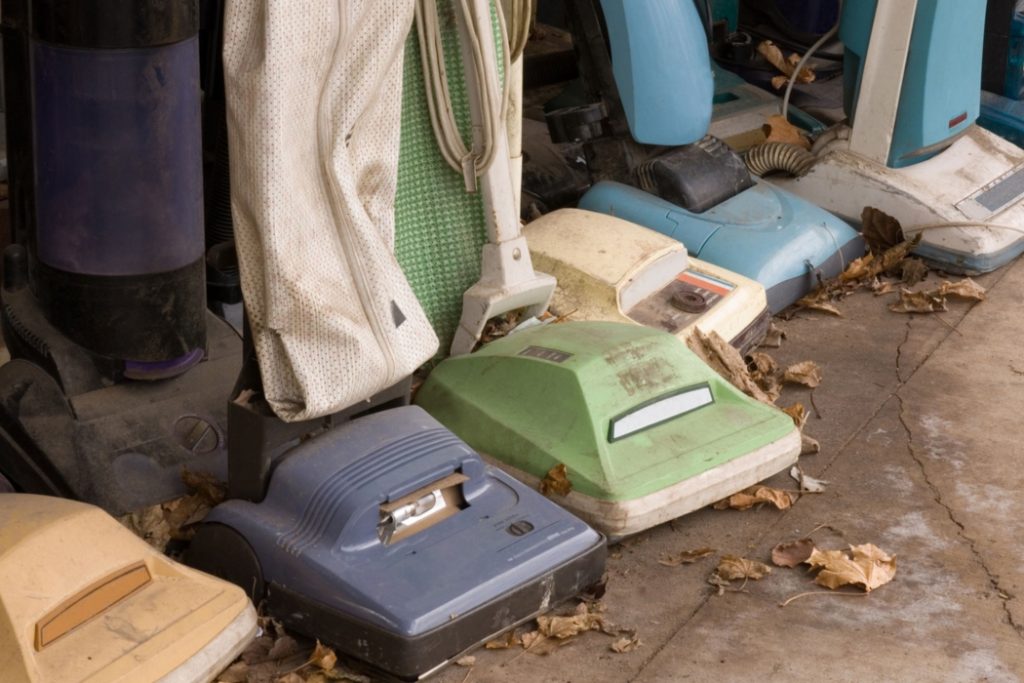
Have you ever stood by your trash can, staring at your old vacuum cleaner, and wondered if you can just toss it in? You’re not alone.
Many people face this dilemma, unsure about the right way to dispose of their trusty but now broken-down household helper. Before you make a decision, there are important things you need to know. Not only can improper disposal harm the environment, but it could also lead to fines or missed opportunities to recycle valuable components.
Stick around, and we’ll guide you through the do’s and don’ts, ensuring you make a choice that’s both responsible and smart. By the end of this article, you’ll know exactly what to do with that vacuum cleaner gathering dust in the corner.

Credit: nixxitjunk.com
Disposing Of Vacuums Safely
Disposing of vacuums safely is more important than many realize. These devices contain materials that don’t break down easily and can harm the environment if tossed carelessly. Understanding the right way to get rid of your old vacuum helps protect your community and keeps waste manageable.
Why Regular Trash Isn’t Suitable
Throwing a vacuum in your regular trash might seem like the easiest choice, but it’s not the best one. Vacuums often contain components like batteries, motors, and plastics that shouldn’t end up in landfills.
These parts can take years to decompose and may release harmful chemicals as they break down. Your local trash service usually isn’t equipped to handle these materials safely. Have you checked if your area offers special pickup or drop-off points for electronic waste?
Environmental Risks Of Improper Disposal
Improperly disposing of vacuums poses real environmental risks. Toxic substances from batteries and electronic parts can seep into soil and water, affecting plants, animals, and even your drinking water.
Also, burning these materials to reduce waste can release dangerous fumes into the air. By choosing responsible disposal methods, you prevent pollution and help conserve resources. What impact would you like to leave on the planet with your waste habits?

Credit: evacuumstore.com
Types Of Vacuums And Disposal Rules
Understanding the types of vacuums you own is crucial before deciding how to dispose of them. Different models come with distinct components, which affect whether you can throw them in the trash or need to follow specific disposal rules. Knowing these differences helps you avoid environmental harm and comply with local regulations.
Bagged Vs. Bagless Models
Bagged vacuums use disposable dust bags to collect dirt, while bagless models have a container that you empty after use. Bagged vacuums often have fewer filters and simpler electronics, making some parts easier to recycle. However, both types contain plastic and metal parts that shouldn’t go into regular trash bins.
When discarding a bagged vacuum, you can remove and throw away the dust bag in the trash, but the vacuum itself usually requires special disposal. Bagless models often have washable filters, but their dust containers and internal components can contain dust and allergens that need careful handling.
Have you checked if your local recycling center accepts vacuum parts? Many centers take electronics but might treat vacuum cleaners differently depending on their design.
Corded Vs. Cordless Vacuums
Corded vacuums rely on an electrical outlet, while cordless models run on rechargeable batteries. Batteries in cordless vacuums are often lithium-ion and must be removed and recycled separately to prevent fires or toxic leaks.
Throwing a corded vacuum into the trash might be allowed in some places, but its power cords and motors contain metals and plastics that are better recycled. Cordless vacuums require more careful disposal because of their batteries, which can be hazardous if damaged.
Think about the last time you replaced a cordless vacuum battery—did you recycle the old one properly? Ignoring battery disposal rules can cause serious environmental damage.
Local Disposal Regulations
Local disposal regulations can significantly affect how you get rid of your old vacuum cleaner. These rules vary from one place to another, so it’s important to know what applies in your area. Ignoring these regulations might lead to fines or environmental harm.
Checking Municipal Guidelines
Start by visiting your city or town’s official website. Many municipalities provide clear instructions on disposing of large appliances like vacuums. You might find specific drop-off locations or recycling centers designated for electronic waste.
Some places treat vacuum cleaners as regular trash, while others classify them as e-waste or bulky waste. Have you checked whether your local landfill accepts vacuums, or if you need special permission? Understanding these details saves you time and helps you avoid penalties.
Hazardous Waste Collection Days
Many communities organize hazardous waste collection days for items that shouldn’t go into regular trash. Vacuums often contain components like batteries or motors that require special handling. Bringing your vacuum to one of these events ensures it will be disposed of safely and responsibly.
Keep an eye out for announcements about these collection days. They are usually scheduled a few times per year and may require prior registration. Have you considered setting a reminder? It can be a convenient way to get rid of your vacuum without breaking any rules.
Recycling Options For Vacuums
Throwing a vacuum in the trash isn’t the best choice for the environment or your community. Vacuums contain materials and components that can be harmful if not handled properly. Luckily, there are practical recycling options that let you dispose of your old vacuum responsibly and even benefit from some perks along the way.
Electronic Waste Recycling Centers
Electronic waste recycling centers specialize in safely breaking down devices like vacuums. These centers separate valuable metals, plastics, and electronic parts to reuse or recycle. Dropping off your vacuum at one of these centers prevents harmful substances from ending up in landfills.
Many cities have dedicated e-waste collection events or permanent drop-off locations. You can check your local government’s website to find the nearest center. Have you ever noticed how much clutter piles up when you hold on to old electronics? Clearing out with a responsible recycling center can free space and ease your mind.
Manufacturer Take-back Programs
Some vacuum manufacturers offer take-back programs, accepting old models when you buy a new one. These programs ensure your vacuum is recycled correctly or refurbished for reuse. It’s a simple way to handle disposal without extra effort on your part.
Brands like Dyson and Hoover often provide mail-back options or store drop-offs. Before tossing your vacuum, check if the manufacturer has a program—it might even save you some disposal fees. Have you checked your vacuum’s brand site lately? You might find a convenient take-back service waiting for you.
Preparing Your Vacuum For Disposal
Preparing your vacuum for disposal is a crucial step that many overlook. Proper preparation helps protect the environment and makes the recycling process easier. It also ensures you handle any hazardous parts safely, keeping you and your community safe.
Removing Batteries And Components
Start by taking out the batteries if your vacuum has them. Batteries contain harmful chemicals that should never go in the trash. You can usually find battery compartments under the vacuum or in the handle.
Next, remove any detachable parts like filters, dust bags, and hoses. These components often need separate disposal or recycling. Check if your vacuum’s manual provides specific instructions for these parts.
Have you ever wondered what happens to batteries when they end up in the trash? They can leak toxic substances into the soil and water. That’s why removing and recycling them properly is so important.
Cleaning And Packaging Tips
Before you dispose of your vacuum, give it a quick clean. Empty the dustbin or bag to avoid spreading dust and allergens. Wipe down the exterior to remove dirt and grime.
Wrap the vacuum in a sturdy bag or box to contain any loose parts. This prevents debris from scattering during transport. Label the package clearly if you are taking it to a recycling center.
Consider donating if your vacuum still works but you want to upgrade. Sometimes, a simple clean and battery replacement can give it new life for someone else.
Alternatives To Throwing Vacuums Away
Throwing a vacuum in the trash is not always the best choice. Vacuums contain parts that can harm the environment. Finding alternatives helps reduce waste and supports reuse. Many vacuums still have value even if they don’t work perfectly.
Choosing other options keeps useful items out of landfills. It also helps people who need affordable cleaning tools. Below are practical ways to give your vacuum a second life.
Donating Or Selling For Reuse
Donating a vacuum can help families or charities in need. Many organizations accept working or repairable vacuums. This extends the vacuum’s life and supports community members.
Selling is another option to pass on your vacuum. Websites and local marketplaces allow easy sales. Buyers may fix or use parts from older models.
- Check for local shelters or thrift stores accepting vacuums.
- Use online platforms like marketplaces or auction sites.
- Describe the vacuum’s condition honestly to buyers or donors.
Repairing Instead Of Disposing
Fixing a vacuum saves money and reduces waste. Many common problems are easy to repair. Replacing belts, filters, or bags can bring a vacuum back to life.
Some vacuums have replaceable batteries or motors. Repair shops and tutorials can guide basic fixes. Even small repairs extend the vacuum’s usability.
- Inspect the vacuum for simple issues before discarding.
- Search for replacement parts online or at stores.
- Follow repair guides or videos for step-by-step help.
- Consider professional repair for complex problems.

Credit: evacuumstore.com
Frequently Asked Questions
Can You Throw An Old Vacuum In The Trash?
No, vacuums contain materials that can harm the environment. Proper disposal through recycling centers or electronic waste programs is recommended.
How Should You Dispose Of A Broken Vacuum Cleaner?
Take broken vacuums to designated e-waste recycling facilities. These centers safely handle and recycle electronic components and plastics.
Is It Legal To Throw A Vacuum In The Trash?
Laws vary by location, but many areas prohibit vacuum disposal in regular trash. Check local regulations to avoid fines and ensure safe disposal.
Where Can I Recycle My Old Vacuum Cleaner?
Many home improvement stores and local recycling centers accept vacuums. Contact your municipality to find nearby electronic waste collection points.
Conclusion
Throwing a vacuum in the trash is not a smart choice. Vacuums contain parts that can harm the environment. Many local places have special recycling programs for electronics. Taking your vacuum there helps keep the planet safe. It also lets materials get reused properly.
Always check your area’s rules before disposal. Doing this shows you care about nature. Small actions make a big difference. Choose to recycle and protect the earth today.