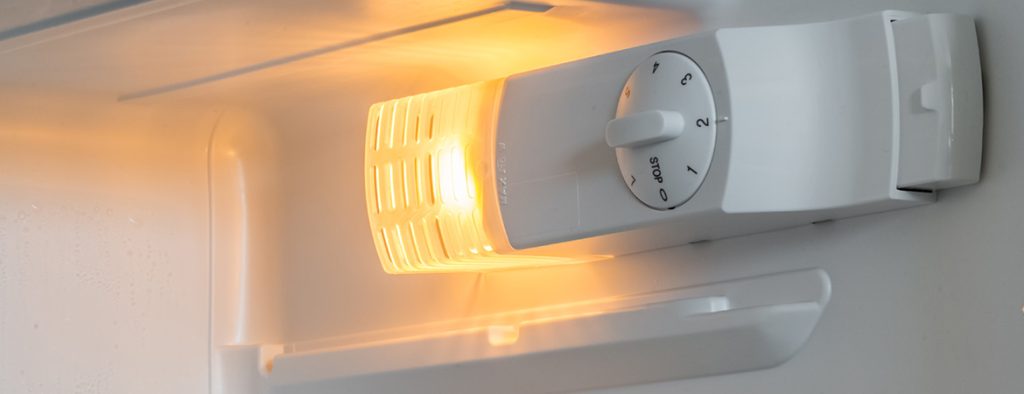
Have you ever opened your refrigerator door, only to be greeted by darkness because the light bulb has gone out? You might be tempted to replace it with a regular light bulb from around your house.
But is that a safe and effective solution? You deserve to know the ins and outs before making a decision that could affect your food’s freshness and your fridge’s functionality. This isn’t just about convenience—it’s about ensuring your kitchen runs smoothly and efficiently.
Stick with us as we unravel whether a regular light bulb can fit into this crucial appliance without any hiccups, and discover the surprising facts that could save you time, money, and hassle. Your fridge’s inner glow might just depend on it!
Types Of Refrigerator Bulbs
Understanding the types of bulbs used in refrigerators can save you time and prevent damage. Not all light bulbs are built the same, especially when it comes to the cool and humid environment inside your fridge. Choosing the right bulb ensures it lasts longer and functions safely.
Standard Vs. Appliance Bulbs
Standard light bulbs are designed for regular room temperatures and dry conditions. Using one in your refrigerator might seem convenient, but these bulbs often fail quickly due to cold temperatures and moisture.
Appliance bulbs, on the other hand, are made specifically for refrigerators and freezers. They have a special coating and materials that resist moisture and cold. If you want your fridge light to work consistently without burning out, an appliance bulb is the safer choice.
Have you ever replaced a fridge bulb only to find it blown out after a week? That’s usually because a standard bulb wasn’t up to the task.
Common Bulb Sizes And Shapes
Refrigerator bulbs come in a few common sizes and shapes, which can be confusing. The most popular sizes include:
- T10– A small, tubular shape often used in older or smaller fridges.
- T15– Slightly larger than T10, still tubular but with more brightness.
- E17– A medium screw base, common in many modern refrigerators.
Shapes vary too, from tubular bulbs to small globe bulbs. Knowing the exact size and shape your fridge requires helps avoid guesswork. Check your appliance manual or the old bulb itself to match the right type.
Are you sure your replacement bulb fits perfectly? Using the wrong size can cause poor lighting or even damage the socket.

Credit: www.amazon.ca
Why Regular Bulbs Might Fail
Using a regular light bulb in a refrigerator often leads to problems. These bulbs are not designed for cold, moist environments. This can cause them to fail quickly. Understanding why they might fail helps in choosing the right bulb.
Heat Emission Concerns
Regular bulbs produce more heat than fridge bulbs. This heat can raise the fridge temperature. It forces the appliance to work harder. Over time, this can increase energy bills.
Excess heat may also damage food near the bulb. It can cause uneven cooling inside the fridge. This reduces the fridge’s efficiency and lifespan.
Durability In Cold And Moisture
Regular bulbs are not built for cold, damp places. The cold can make the glass brittle and easy to break. Moisture inside the fridge can cause electrical parts to corrode.
Fridge bulbs have special coatings and seals to protect against moisture. Regular bulbs lack these features. This makes them less reliable and short-lived in refrigerators.
Appliance Bulb Features
Appliance bulbs are specially made to handle the unique conditions inside refrigerators. Unlike regular light bulbs, they are built to perform well in cold and humid environments. Understanding their features helps you decide if you should swap your fridge bulb with a regular one or stick with the appliance-specific option.
Designed For Low Temperatures
Appliance bulbs are engineered to work efficiently at temperatures well below room temperature. Regular bulbs may flicker or fail quickly when exposed to the cold inside your fridge. Have you noticed your kitchen bulb burning out faster if placed in a cold spot? That’s because standard bulbs aren’t built for such conditions.
These bulbs use materials that resist cracking and condensation buildup. This prevents damage and keeps your fridge light working consistently. So, the next time you open your fridge, the steady glow is thanks to these temperature-resistant features.
Energy Efficiency Benefits
Appliance bulbs often consume less energy compared to regular incandescent bulbs. This small difference can add up, especially if your fridge light stays on frequently during the day. Switching to an energy-efficient fridge bulb can lower your electricity bill without sacrificing brightness.
LED appliance bulbs are a popular choice now because they last longer and use less power. They also generate less heat, which helps your fridge maintain a stable temperature. Wouldn’t it be nice to save money and keep your food fresher just by choosing the right bulb?

Credit: www.amazon.ca
Potential Risks Of Using Regular Bulbs
Using a regular light bulb in the refrigerator is not always safe. It can cause several problems that affect both the bulb and your appliance. Understanding these risks helps you choose the right bulb for your fridge.
Shortened Bulb Lifespan
Regular bulbs are not designed for cold, damp environments. The fridge’s low temperature can cause the bulb to burn out quickly. Frequent turning on and off also stresses the bulb filament. This leads to early failure and more frequent replacements.
Electrical Hazards
Regular bulbs may not handle moisture inside the fridge well. This can cause electrical shorts or sparks. Poor insulation raises the risk of shocks or even fires. Using bulbs made for refrigerators reduces these dangers.
How To Choose The Right Bulb
Choosing the right bulb for your refrigerator is more important than you might think. A regular light bulb might seem like an easy fix, but it can cause problems like overheating or short lifespan. Understanding what to look for will save you time, money, and frustration.
Checking Manufacturer Recommendations
Start by looking at your refrigerator’s manual or the manufacturer’s website. They often list the specific type and wattage of bulbs compatible with your model.
Using a bulb outside these recommendations can lead to poor performance or even damage. Have you ever tried fitting a bulb only to find it doesn’t work or burns out quickly? That’s usually because it didn’t meet the fridge’s requirements.
Following the manufacturer’s advice ensures safety and optimal lighting inside your fridge.
Reading Bulb Specifications
Not all bulbs are created equal. Check the packaging or product description for details like wattage, size, and temperature rating.
- Wattage:Your fridge bulb usually needs a lower wattage to avoid overheating.
- Size:The bulb must physically fit into the socket without forcing it.
- Temperature rating:Some bulbs are designed to handle cold environments better.
For instance, a 40-watt appliance bulb is often better than a regular 60-watt bulb. This small detail can make a big difference in bulb lifespan and fridge safety.
Installing And Replacing Refrigerator Bulbs
Installing and replacing refrigerator bulbs is a task many overlook until the light inside suddenly goes out. While it seems simple, using the right bulb and following safe steps matters a lot. Your fridge’s light isn’t just for convenience; it helps you quickly spot items, reducing the time the door stays open and saving energy.
Safety Tips
Before touching any bulb, always unplug your refrigerator or switch off its power at the circuit breaker. This prevents electric shocks, which might surprise you if you’re not careful.
Be cautious of hot bulbs. Even if the light just went off, the bulb might still be warm and could burn your fingers.
Wear gloves or use a cloth to avoid oils from your skin getting on the new bulb, which can shorten its lifespan. Also, handle the bulb gently to prevent it from breaking inside the fridge, which can be tricky to clean up.
Step-by-step Replacement Guide
- Locate the light cover inside your fridge. It’s usually held in place with clips or screws.
- Remove the cover carefully. If screws hold it, use a small screwdriver.
- Take out the old bulb by gently twisting it counterclockwise.
- Match the new bulb’s type and wattage with the old one. Using a regular light bulb instead of a refrigerator-specific bulb could cause overheating or poor performance.
- Insert the new bulb by twisting it clockwise until snug.
- Replace the light cover, securing it with clips or screws.
- Restore power and check if the light works properly.
Have you ever tried using a regular bulb and noticed it flickering or burning out quickly? That’s a sign to switch to a bulb designed for refrigerators. Your fridge’s environment is cold and humid, so bulbs made for this setting perform better and last longer.
Energy Saving Tips For Refrigerator Lighting
Energy use in your refrigerator goes beyond just cooling—it extends to lighting as well. Choosing the right lighting and managing how often the light is on can save you noticeable energy. Small changes in how you light your fridge can lead to reduced electricity bills and a smaller carbon footprint.
Using Led Appliance Bulbs
LED bulbs use far less energy than regular incandescent bulbs. They produce less heat, which means your fridge doesn’t work harder to stay cool. I switched to LED appliance bulbs last year and noticed my energy bill drop within months.
LEDs also last much longer, so you won’t need to replace them often. Look specifically for appliance-rated LEDs to ensure they handle the cold and moisture inside your fridge. This simple swap is one of the easiest ways to save energy without sacrificing brightness.
Minimizing Door Open Time
Every time you open your fridge door, cold air escapes and warm air enters. This forces your fridge to use more energy to cool down again. Try to plan ahead when grabbing items so you keep the door open for the shortest time possible.
Some people use a checklist or organize their fridge to make it easier to find what they need quickly. Have you ever timed how long your fridge door stays open? Cutting even a few seconds per opening can add up to big energy savings over a month.

Credit: www.amazon.ca
Frequently Asked Questions
Can You Use A Regular Bulb In A Refrigerator?
No, regular bulbs are not suitable for refrigerators. They generate excess heat and may damage the appliance or food inside. Refrigerator bulbs are designed to withstand cold temperatures and moisture.
Why Are Refrigerator Bulbs Different From Regular Bulbs?
Refrigerator bulbs are specially made to resist cold and humidity. They emit less heat and fit tightly to prevent moisture damage. Regular bulbs can overheat and cause safety hazards inside refrigerators.
What Happens If A Regular Bulb Is Used In A Fridge?
Using a regular bulb can cause overheating and shorten bulb life. It may also increase energy consumption and risk of electrical issues inside the fridge.
Are Led Bulbs Safe For Refrigerator Use?
Yes, LED bulbs are energy-efficient and produce minimal heat. Many LEDs are designed for refrigerator use, making them a safe and long-lasting lighting option.
Conclusion
Regular light bulbs are not made for refrigerators. They can get too hot and break easily. Refrigerator bulbs are cooler and safer to use. Using the right bulb helps your fridge work well. It also keeps your food safe and fresh.
Always check the bulb type before replacing it. This small step saves you time and money. Keep your fridge bright with the correct bulb. It’s simple and important for your kitchen.