
Imagine standing in your kitchen, ready to whip up a delicious meal. You’ve got your ingredients prepped and your favorite cast iron skillet in hand.
But wait—you’re using an induction cooktop. You might find yourself wondering, “Can I use cast iron on this kind of stove? ” This is a common question, and the answer is not as straightforward as it seems. Your cast iron skillet, known for its durability and ability to retain heat, is a kitchen staple.
The thought of not being able to use it could throw a wrench in your culinary plans. But don’t worry, we’re here to clear up any confusion. We’ll explore whether cast iron is compatible with induction cooktops and what you need to know to make the most of your cooking experience. Unlock the secrets of combining these two kitchen powerhouses and discover how you can continue to enjoy the benefits of your beloved cast iron on your modern induction cooktop. Read on to ensure you’re not missing out on the best of both worlds in your kitchen.
How Induction Cooktops Work
Understanding how induction cooktops work is key to figuring out if cast iron cookware fits into the picture. Unlike traditional stoves that use direct heat or flames, induction cooktops use a unique process involving magnetic fields. This technology heats your pots and pans directly, making cooking faster and more energy-efficient.
Magnetic Field Basics
Induction cooktops generate a magnetic field beneath their smooth surface. When you place a compatible pan on the cooktop, this magnetic field creates electric currents inside the pan’s metal. These currents produce heat, cooking your food right in the pan rather than heating the cooktop itself.
This means the cooktop stays cooler, reducing the risk of burns and making cleanup easier. Have you noticed how fast water boils on an induction stove? That’s the power of magnetic heating at work.
Compatibility Requirements
Not all cookware responds to induction’s magnetic field. Your pan must be made from or contain ferromagnetic materials like cast iron or certain types of stainless steel. If a magnet sticks firmly to your pan’s bottom, it’s usually induction-compatible.
Glass, aluminum, and copper cookware won’t work unless they have an induction-friendly layer added to the base. So, before you use your cast iron skillet, check if it interacts well with a magnet. This simple test can save you from frustration and wasted energy.
Cast Iron And Induction Compatibility
Cast iron is a popular choice for many cooks due to its durability and heat retention. Using cast iron on an induction cooktop raises questions about compatibility. Understanding how cast iron works with induction technology helps ensure safe and efficient cooking.
Magnetic Properties Of Cast Iron
Induction cooktops use magnetic fields to heat cookware. Cast iron contains iron, which is magnetic. This magnetic quality allows the cooktop to detect the pan. Without magnetism, the cooktop will not heat the pan.
Most cast iron pans work well on induction because of this magnetic property. The pan’s base must be flat to make full contact with the cooktop. A rough or warped base might reduce efficiency.
Performance On Induction Cooktops
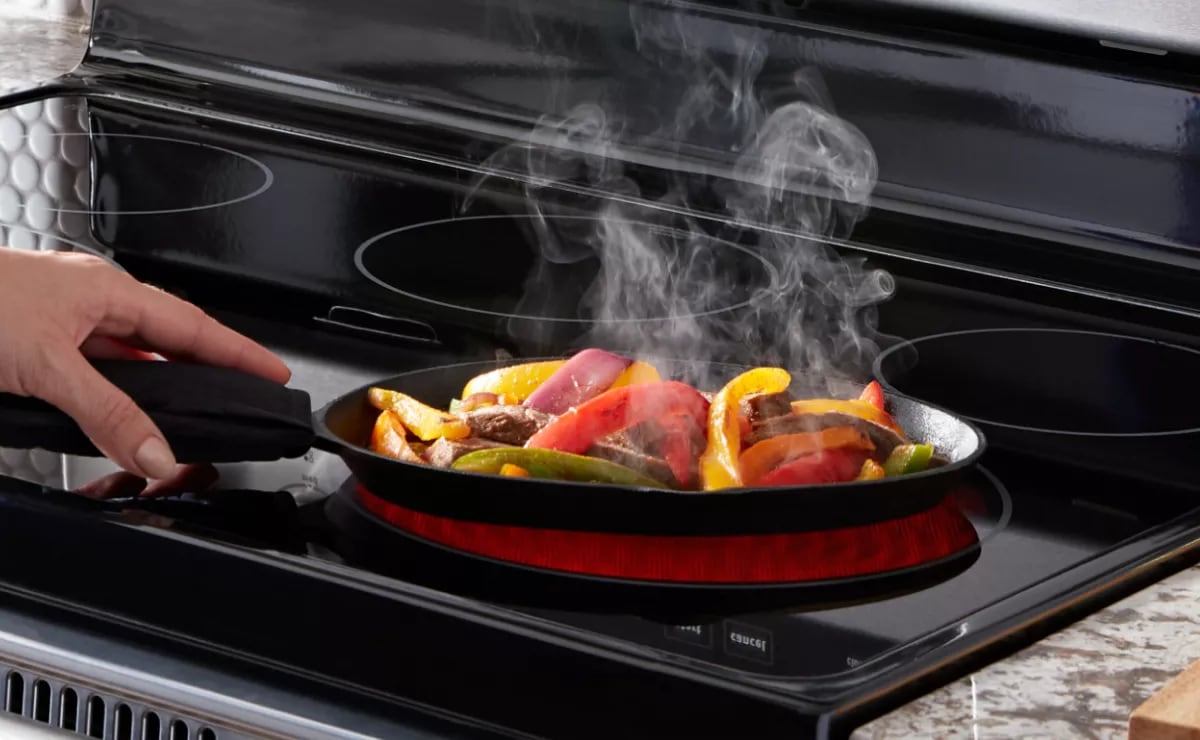
Cast iron heats slowly but holds heat very well. This trait suits induction cooking. The cooktop quickly heats the pan, which keeps the heat steady.
- Cast iron provides even heat distribution.
- It maintains temperature for longer cooking times.
- The heavy weight keeps the pan stable on the cooktop.
One downside is cast iron can scratch the cooktop surface. Using a pan with a smooth base and lifting, not sliding, prevents damage. Overall, cast iron performs efficiently and reliably on induction cooktops.
Benefits Of Using Cast Iron On Induction
Using cast iron on an induction cooktop brings many benefits. It suits induction technology well and enhances cooking results. Cast iron works efficiently with the magnetic field of induction cooktops.
Heat Retention And Distribution
Cast iron holds heat for a long time. This means food cooks evenly without hot spots. The metal spreads heat smoothly across the cooking surface. It keeps food warm even after turning off the heat. This quality helps in slow cooking and simmering dishes.
Durability And Longevity
Cast iron is very strong and lasts for decades. It resists scratches and dents better than many other pans. It can handle high heat without damage. With proper care, cast iron improves over time by developing a natural non-stick surface. It offers excellent value for long-term use.
Credit: www.maytag.com
Potential Challenges With Cast Iron
Cast iron cookware works on induction cooktops but comes with some challenges. These issues affect daily cooking and care. Knowing them helps keep your cookware and cooktop safe.
Weight And Handling
Cast iron is very heavy compared to other pans. Moving it on a smooth induction surface can be tricky. Lifting and adjusting the pan requires strength and caution.
Dropping cast iron can damage the cooktop glass. It may crack or shatter from the impact. Always lift the pan instead of sliding it around.
Heavy weight also means it takes longer to heat up. This can slow down cooking times. Plan your meals with this in mind.
Surface Scratching Risks
The bottom of cast iron pans is rough and uneven. This can scratch the induction cooktop surface. Scratches reduce the cooktop’s lifespan and appearance.
Using a soft cloth or mat under the pan helps protect the glass. Avoid dragging the pan across the surface. Lift it carefully to prevent marks.
Regular cleaning removes grit or particles that may cause scratches. Keep both cooktop and pan bottoms clean for smooth contact.
Tips For Using Cast Iron Safely
Using cast iron on an induction cooktop requires care to keep your cookware and stove in top shape. Safety and proper handling improve cooking results and protect both tools. Follow these tips for safe and effective use.
Preheating Techniques
Start with low or medium heat to warm the cast iron gradually. Sudden high heat can cause warping or damage to the pan. Let the pan heat evenly for a few minutes before cooking. Avoid placing a cold pan directly on a hot burner. Use a heat diffuser if needed to spread heat evenly and protect the cooktop surface.
Cleaning And Maintenance
Clean cast iron after every use to avoid rust and buildup. Use warm water and a soft brush or sponge. Avoid soap or harsh detergents, which can remove the seasoning layer. Dry the pan thoroughly with a towel or on low heat to prevent rust. Apply a thin layer of oil after drying to keep the surface seasoned and protected. Store in a dry place, and avoid stacking with other cookware to prevent scratches.
Alternative Cookware Options For Induction
If your induction cooktop has changed the way you cook, you might be curious about the best cookware to match. While cast iron is a popular choice, there are other options that work just as well or even better with induction technology. Knowing these alternatives can expand your cooking possibilities and help you make smarter purchases.
Stainless Steel
Stainless steel is a solid choice for induction cooktops because it’s often magnetic and heats evenly. Look for cookware labeled as induction-compatible to avoid surprises. I once switched to a high-quality stainless steel set and noticed my meals cooked faster and cleanup was easier.
Here are some benefits of stainless steel cookware on induction:
- Durable and resistant to rust
- Usually dishwasher safe
- Good heat retention with multi-ply bases
Enamel Cast Iron
Enamel cast iron combines the heat retention of cast iron with a smooth, easy-to-clean surface. It works well on induction cooktops as long as the base is magnetic. Personally, I appreciate how it prevents sticking and adds vibrant color to my kitchen.
Keep these points in mind when choosing enamel cast iron:
- Check for magnetic properties before buying
- Avoid sudden temperature changes to protect the enamel
- Ideal for slow-cooking and simmering dishes
Other Magnetic Materials
Besides stainless steel and cast iron, some other magnetic materials also work with induction cooktops. Carbon steel pans are one example; they heat quickly and develop a natural non-stick surface over time. Have you tried them for searing steaks or stir-frying?
Other options include:
- Magnetic-grade aluminum cookware with a special base
- Certain types of hard-anodized cookware designed for induction
- Cookware with an iron or steel core embedded in the base
Choosing the right cookware for your induction cooktop can improve your cooking experience significantly. Which of these options fits your style and kitchen needs best?
Troubleshooting Common Issues
Using cast iron on an induction cooktop often brings fantastic cooking results, but it can come with a few challenges. Troubleshooting common issues quickly helps you avoid frustration and get the most from your cookware. Let’s look at some typical problems and how you can fix them.
Cooktop Not Detecting Cast Iron
Have you ever placed your cast iron pan on the induction surface, only to see no heat? This usually happens because the cooktop requires a flat, magnetic base to sense the pan properly.
Check if your cast iron skillet has a smooth, flat bottom. Warped or uneven bases can cause detection problems. If your pan is old or handmade, it might have an irregular surface that the cooktop struggles to recognize.
Also, ensure the pan is large enough for the induction zone. Very small pans might not trigger the sensor. Try moving the pan slightly to center it on the heating element.
If your pan still isn’t detected, test it with a magnet. If the magnet sticks firmly, your pan is magnetic enough for induction. If not, the cast iron might have a non-magnetic coating or impurities.
Uneven Heating Problems
Cast iron is famous for its heat retention, but uneven heating on induction can be frustrating. Have you noticed hot spots or slow heating in certain parts of your pan?
One common cause is the thickness of the cast iron. Very thick pans take longer to heat evenly on induction because the heat concentrates near the center coil.
Try preheating your pan gradually over medium heat rather than blasting it on high. This helps the heat spread evenly through the cast iron.
Another tip is to move the pan occasionally while cooking. Since induction heats only where the pan touches the coil, shifting it helps distribute heat more uniformly.
Lastly, make sure your cooktop surface is clean and flat. Dirt or debris under the pan can interfere with heat transfer and cause patchy cooking.
Credit: www.whirlpool.com

Credit: www.reddit.com
Frequently Asked Questions
Can Cast Iron Cookware Work On Induction Cooktops?
Yes, cast iron works perfectly on induction cooktops. Its magnetic properties allow efficient heat transfer and even cooking. Just ensure the base is flat for good contact with the cooktop surface.
Is Cast Iron Safe To Use On Induction Stoves?
Cast iron is safe on induction stoves. However, handle carefully to avoid scratching the glass surface. Use gentle movements and avoid sliding the pan.
Does Cast Iron Heat Evenly On Induction Cooktops?
Cast iron heats evenly on induction cooktops due to its thick material. It retains heat well, providing consistent cooking temperatures and better food results.
Will Cast Iron Damage My Induction Cooktop?
Cast iron can scratch induction cooktops if dragged. Always lift the pan when moving it to prevent damage and maintain the cooktop’s smooth surface.
Conclusion
Cast iron works well on induction cooktops. It heats evenly and holds temperature long. Just make sure the pan’s bottom is flat. Avoid dragging the heavy pan to protect the cooktop. Cast iron may take longer to heat but cooks food thoroughly.
It’s a strong, durable choice for many kitchens. Using cast iron on induction is simple and safe. This combo can improve your cooking experience with patience and care.