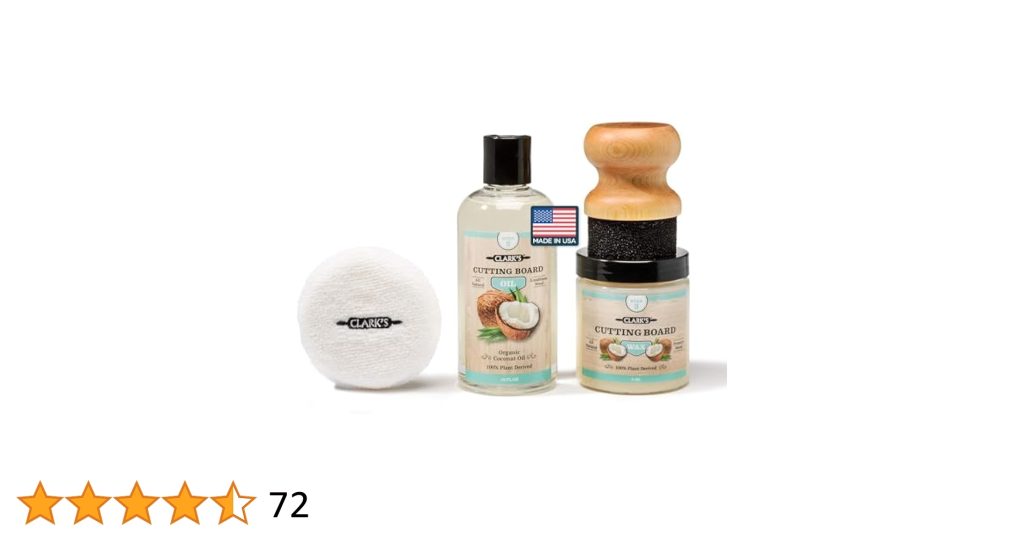
Are you wondering if coconut oil is a good choice for your cutting boards? You’re not alone.
Many people want a natural way to keep their boards in great shape without harsh chemicals. But is coconut oil safe and effective for this job? You’ll discover the surprising truth about using coconut oil on cutting boards. You’ll learn how it affects the wood, whether it helps prevent cracks, and if it keeps your board clean and fresh.
Keep reading to find out how to make your cutting boards last longer and look better with simple, easy steps you can try at home.
Benefits Of Coconut Oil For Cutting Boards
Coconut oil is a natural product used to care for wooden cutting boards. It helps keep the wood healthy and clean. Many people prefer coconut oil over synthetic oils for this reason.
Using coconut oil on cutting boards can improve their condition and increase their lifespan. Let’s look at the key benefits it offers.
Natural Moisturizing Properties
Coconut oil deeply moisturizes the wood fibers. This prevents the wood from drying out and cracking. Moisturized wood stays strong and smooth for longer.
Regular application of coconut oil helps maintain the cutting board’s natural texture. It also makes the surface less prone to damage from knives.
Antimicrobial Effects
Coconut oil contains natural antimicrobial compounds. These fight bacteria and germs on the cutting board’s surface. This helps keep the board cleaner and safer for food preparation.
- Reduces harmful bacteria growth
- Helps prevent mold and mildew
- Supports safer kitchen hygiene
Enhancing Wood Longevity
Applying coconut oil regularly strengthens the wood. It prevents splitting and warping caused by moisture changes. This keeps the board in good shape for years.
| Benefit | How Coconut Oil Helps |
| Prevents Cracks | Moisturizes wood to keep it flexible |
| Keeps Surface Smooth | Fills small gaps and scratches |
| Protects from Water Damage | Creates a natural barrier against moisture |
| Maintains Wood Color | Reduces fading and discoloration |
Potential Risks Of Using Coconut Oil
Coconut oil is popular for many uses. People often apply it to wooden cutting boards. This oil can protect and shine the wood. Still, there are some risks to consider before using it on cutting boards.
This article explains the potential problems with coconut oil. It covers issues like rancidity, bacteria attraction, and food safety concerns.
Rancidity And Odor Issues
Coconut oil can go bad over time. When it spoils, it smells unpleasant. This rancid smell can transfer to your cutting board. It may also affect the food you prepare on it.
- Coconut oil lasts shorter than some other oils.
- Exposure to air speeds up rancidity.
- Rancid oil can cause your cutting board to smell bad.
- The bad smell may ruin the taste of your food.
Attracting Bacteria
Oils can create a sticky surface on wood. This texture may trap dirt and bacteria. Coconut oil is no exception. If not cleaned well, bacteria can grow on your cutting board.
| Risk Factor | Details |
|---|---|
| Sticky Surface | Oils make the board less smooth, trapping food particles. |
| Bacteria Growth | Warm, oily spots are good places for bacteria to multiply. |
| Cleaning Difficulty | Oily residue is harder to wash off completely. |
Impact On Food Safety
Using coconut oil can affect how safe your cutting board is. Oils can hide cracks and holes in the wood. These spots can hold germs that cause illness.
Food safety risks include:
- Hidden bacteria in wood pores.
- Cross-contamination between raw and cooked foods.
- Potential for foodborne illnesses.
Comparison With Other Oils
Choosing the right oil for cutting boards helps keep them safe and lasting longer. Many oils work differently on wood surfaces. Some oils protect better, and some can cause problems.
We will look at how coconut oil compares to other common oils. This can help you decide what is best for your cutting board care.
Mineral Oil Vs Coconut Oil
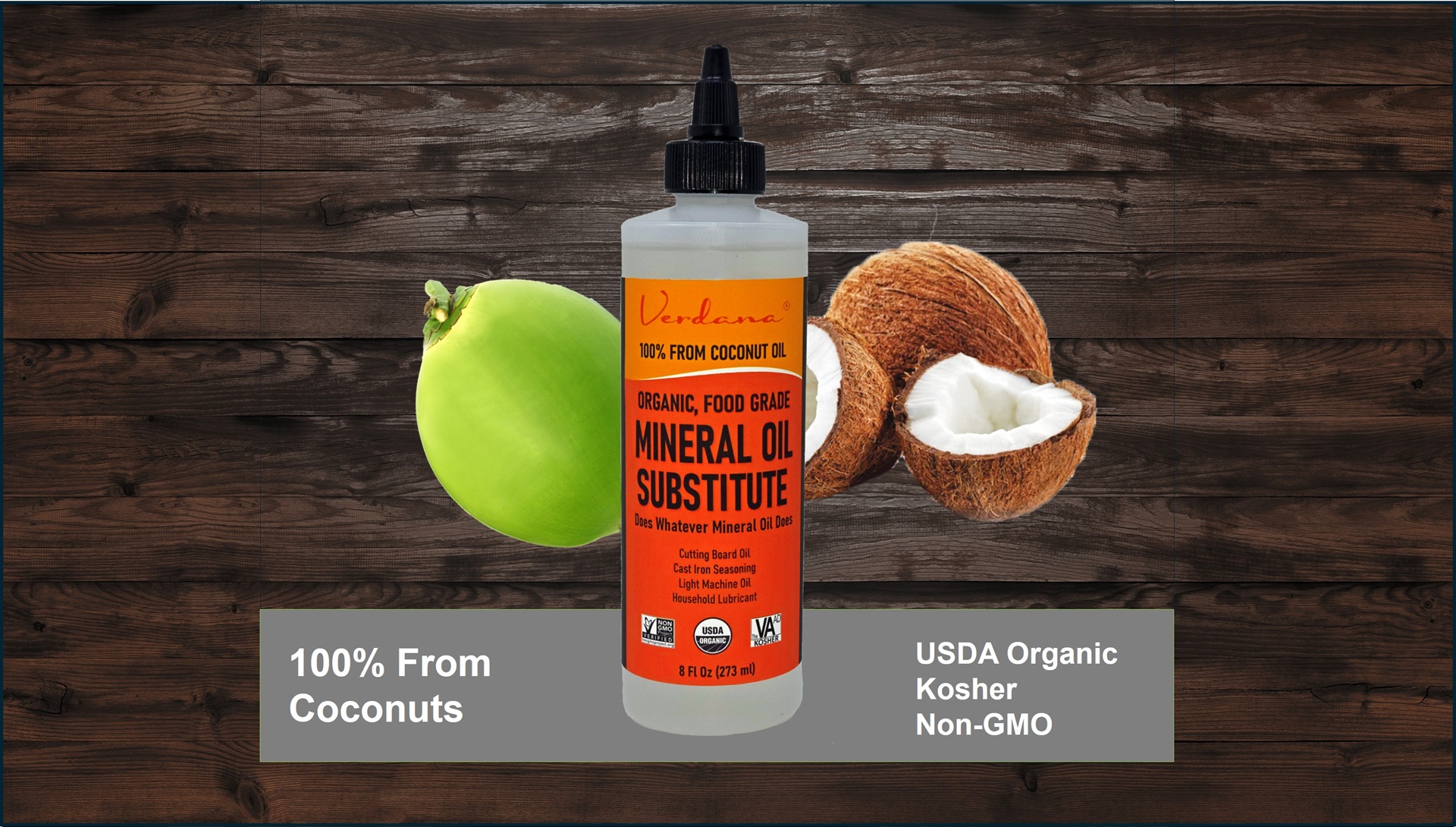
Mineral oil is a popular choice for cutting boards. It is clear, odorless, and safe for food contact. It soaks into the wood and protects it well.
Coconut oil is natural and smells nice. It also absorbs into the wood. But it can go rancid over time. This may cause a bad smell or sticky surface.
- Mineral oil does not spoil or smell bad
- Coconut oil may turn sticky or rancid
- Both oils help prevent wood cracking
- Mineral oil is often food-grade and safe
- Coconut oil adds a slight scent to the board
Vegetable Oils And Their Drawbacks
Vegetable oils like olive or canola oil are easy to find. They soak into wood but can cause problems over time. These oils often go rancid and create sticky or smelly surfaces.
Using vegetable oils on cutting boards can lead to damage. They may also attract insects or bacteria if not cleaned well.
- Vegetable oils spoil faster than mineral oil
- They can leave sticky or smelly residue
- May cause wood to become soft or damaged
- Not recommended for long-term board care
Specialty Cutting Board Oils
Specialty oils mix mineral oil with beeswax or other natural waxes. This creates a protective layer on the wood. These oils help keep boards smooth and water-resistant.
They do not go rancid like vegetable oils. The wax adds extra protection and shine. Many people prefer these oils for long-lasting board care.
- Contain mineral oil plus natural wax
- Create a water-resistant surface
- Do not spoil or smell bad
- Help wood stay smooth and protected
- Often easy to apply and maintain

Credit: www.thebambooguy.com
Proper Application Techniques
Using coconut oil on cutting boards keeps them in good shape. It helps protect wood and keeps it from drying out. Applying the oil the right way is very important for the best results.
Below are some steps to follow. They cover cleaning the board, how much oil to use, and how often to treat the board.
Cleaning Before Oiling
Always clean your cutting board before oiling. Remove all food bits and stains. Use warm water and mild soap. Rinse well and dry completely. Oiling a wet board can cause damage.
How Much Oil To Use
Applying the right amount of coconut oil is key. Too little won’t protect the wood. Too much leaves a sticky surface.
- Pour a small amount, about one teaspoon, on the board.
- Use a clean cloth or paper towel to spread the oil evenly.
- Cover every part of the board, including edges.
- Let the oil soak in for several hours or overnight.
- Wipe off any extra oil with a dry cloth.
Frequency Of Treatment
| Use Level | Oil Application Frequency |
|---|---|
| Light Use (1-2 times/week) | Once a month |
| Moderate Use (3-5 times/week) | Every 2 weeks |
| Heavy Use (Daily) | Once a week |
Signs Your Cutting Board Needs Resealing
Cutting boards need care to stay safe and last longer. Resealing keeps them from drying out and cracking.
Look for clear signs that your board needs resealing to protect your kitchen tools.
Cracks And Splits
Cracks and splits appear when your cutting board dries out. They can trap bacteria and cause damage.
Check your board often for small or large cracks. If you see them, it is time to reseal the wood.
Dry Or Dull Appearance
A dry or dull cutting board shows it lacks oil and moisture. The wood looks faded and rough to touch.
- Wood feels rough or grainy
- Surface looks lighter than usual
- Board feels dry or brittle
- Food sticks easily to the surface
Water Absorption Tests
Water tests reveal if your board needs resealing. A sealed board repels water well.
| Test Result | What It Means |
| Water beads up on surface | Board is well sealed |
| Water soaks in quickly | Board needs resealing |
| Water leaves dark spots | Wood absorbs moisture, needs oil |
Credit: www.amazon.com
Expert Recommendations
Using coconut oil on cutting boards is a common practice. It helps protect the wood and keeps it from drying out. Experts have different views on this topic.
This article shares expert advice on using coconut oil on cutting boards. It also covers the best care tips and when to avoid coconut oil.
Professional Opinions On Coconut Oil
Many professionals warn against using regular coconut oil on cutting boards. This is because it can go rancid over time. Rancid oil smells bad and can attract bacteria.
Food-safe mineral oil is often recommended instead. It does not spoil and protects the wood well. Some experts suggest using refined coconut oil because it lasts longer.
Best Practices For Maintenance
To keep your cutting board in good shape, clean it well after use. Dry it completely before adding any oil. Apply a thin layer of oil and let it soak in.
- Wash the board with warm, soapy water
- Dry with a clean towel immediately
- Use a soft cloth to apply oil evenly
- Let the board rest for several hours or overnight
- Wipe off any extra oil before use
Oiling regularly helps prevent cracks and warping. Do this once a month or when the board looks dry.
When To Avoid Coconut Oil
Avoid using unrefined coconut oil on cutting boards. It can spoil and cause odors. Also, do not use oils that dry hard and form sticky surfaces.
- If your board smells bad after oiling, stop using that oil
- Do not use cooking oils like olive or vegetable oil
- Avoid oils that are not food safe
- Skip oiling if the board is plastic or glass

Credit: www.amazon.com
Frequently Asked Questions
Is Coconut Oil Good For Cutting Boards?
Yes, coconut oil is great for cutting boards. It helps to moisturize and protect the wood. Unlike mineral oil, coconut oil is natural and has antibacterial properties. It prevents the board from drying out and cracking. Regular application keeps your cutting board in top condition.
How Often Should I Oil My Cutting Board?
You should oil your cutting board once a month. This helps maintain its moisture and prevents warping. If you use the board frequently, consider oiling it every two weeks. Regular maintenance extends the life of your cutting board. It ensures a hygienic surface for food preparation.
Can Coconut Oil Prevent Cutting Board Odors?
Yes, coconut oil can help prevent odors. Its natural antibacterial properties reduce the growth of bacteria. By conditioning the wood, it prevents moisture absorption, which can cause odors. Regular application keeps your cutting board smelling fresh. Ensure the board is clean before applying coconut oil.
Does Coconut Oil Make Cutting Boards Slippery?
Coconut oil can make cutting boards slightly slippery initially. However, it absorbs quickly into the wood. This reduces slipperiness over time. Apply a thin layer and wipe off excess oil. This will help maintain grip. Proper application ensures a safe and effective cutting surface.
Conclusion
Coconut oil can be a good choice for cutting boards. It helps keep the wood from drying out. The oil also makes the board look shiny and new. Make sure to use pure, food-safe coconut oil. Avoid oils that can turn rancid quickly.
Regularly apply the oil for the best care. This simple step can extend your board’s life. Keep your cutting board clean and well-oiled. It will stay strong and safe for food. Small efforts make a big difference in kitchen care.