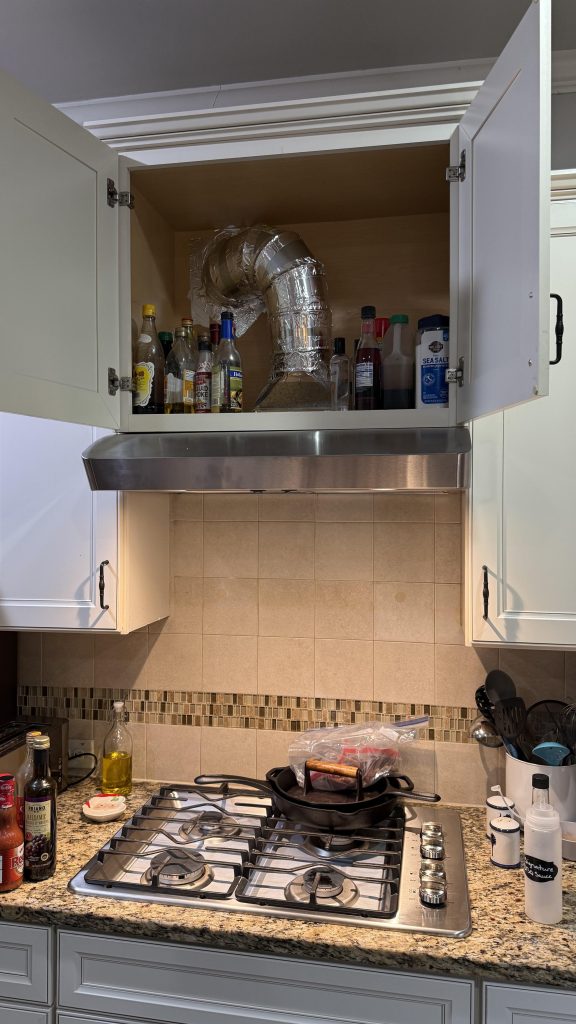
Are you thinking about installing a range hood and wondering if flexible duct is a good choice? You’re not alone.
Many homeowners face the same question because the right ducting can make a big difference in your kitchen’s airflow and safety. Using the wrong duct can lead to poor ventilation, noise issues, or even fire hazards. You’ll discover whether flexible duct is suitable for your range hood and what you need to know before making a decision.
Keep reading to make sure your kitchen stays fresh, safe, and efficient.
Types Of Ducts For Range Hoods
Choosing the right duct for a range hood affects its performance and safety. Ducts carry smoke, grease, and odors out of the kitchen. Different types of ducts suit different setups and needs. Understanding these types helps pick the best option for your home.
Rigid Metal Ducts
Rigid metal ducts are made of solid aluminum or galvanized steel. They have smooth interior walls that improve airflow. These ducts resist grease buildup and are easy to clean. Their sturdy design reduces noise from the hood fan. Installation can be harder due to limited flexibility. They work well for straight or simple duct runs.
Flexible Ducts
Flexible ducts consist of a plastic or foil tube wrapped in a metal coil. They bend easily around corners and tight spaces. Installation is quicker and simpler than rigid ducts. Flexible ducts tend to trap more grease and reduce airflow. They can wear out faster and are harder to clean. Not all flexible ducts meet code for range hoods.
Comparing Materials
| Feature | Rigid Metal Ducts | Flexible Ducts |
|---|---|---|
| Airflow | Excellent due to smooth interior | Reduced by ridges and bends |
| Durability | High, resists damage and wear | Lower, prone to tears and crushing |
| Installation | More difficult, needs precise measuring | Easy, flexible for corners |
| Cleaning | Simple, smooth surface | Challenging due to ridges |
| Code Compliance | Usually meets all codes | May not meet codes for range hoods |

Credit: www.reddit.com
Benefits Of Flexible Ducts
Flexible ducts offer several advantages that make them a popular choice for range hood ventilation. Their adaptability and design simplify many common challenges in kitchen setups. They provide practical solutions without sacrificing efficiency or durability.
Ease Of Installation
Flexible ducts are lightweight and bend easily around obstacles. This flexibility reduces the need for extra fittings and connectors. They can be quickly cut to the desired length. Even homeowners with basic skills can install them without special tools. This saves time and effort during the setup process.
Cost-effectiveness
Flexible ducts usually cost less than rigid metal ducts. Their installation requires fewer materials and less labor. This lowers overall project expenses. They also reduce the chance of leaks, preventing costly repairs later. Choosing flexible ducts can be a budget-friendly option for many kitchens.
Space-saving Design
These ducts fit easily into tight spaces. Their ability to curve and twist allows routing through narrow or awkward areas. This is ideal for kitchens with limited space or complex layouts. The compact design helps maintain a neat and efficient ventilation system. It also leaves more room for other kitchen components.
Drawbacks Of Flexible Ducts
Flexible ducts may seem convenient for range hoods. They bend easily and fit tight spaces. Yet, they carry several drawbacks that affect performance and safety. Understanding these issues helps choose the right duct for your kitchen.
Airflow Restrictions
Flexible ducts have ridges inside that reduce airflow. This limits how well your range hood vents smoke and odors. The bends and twists can trap grease and dust. Poor airflow means your kitchen stays smoky longer.
Durability Concerns
These ducts are less durable than rigid metal ones. They can easily tear or get crushed during installation. Damage leads to leaks, reducing venting efficiency. Over time, flexible ducts may wear out faster and need replacement.
Cleaning Challenges
Cleaning flexible ducts is tough due to their shape. The ridges collect grease and dirt that are hard to remove. Blocked ducts increase fire risk and reduce air quality. Regular cleaning is difficult but necessary for safety.

Credit: prolinerangehoods.com
When To Choose Flexible Ducts
Flexible ducts offer a unique set of advantages, making them the right choice in specific scenarios. Understanding when to use flexible ducts for your range hood can save you time, effort, and money. Here’s a closer look at situations where flexible ducts shine and why they might be the best fit for your project.
Limited Space Situations
If your kitchen has tight or awkward spaces, flexible ducts can bend and twist to fit where rigid ducts can’t. Their flexibility lets you navigate around obstacles like beams, pipes, or cabinets without cutting corners or compromising airflow.
Imagine trying to install a range hood duct behind a low-hanging cabinet. Rigid ducts would require precise measurements and extra fittings. Flexible ducts, however, adapt to the space, making installation easier and faster.
Temporary Installations
Are you setting up a rental kitchen or a temporary cooking station? Flexible ducts are perfect for short-term use because they’re easy to install and remove. You won’t need specialized tools or permanent modifications, which keeps your space intact when it’s time to move out.
Since they’re lightweight and simple to adjust, flexible ducts allow you to connect and disconnect your range hood quickly. This convenience is especially helpful for pop-up kitchens, events, or testing new layouts.
Budget Constraints
Working within a budget? Flexible ducts generally cost less than rigid metal ducts and require fewer accessories for installation. This can significantly reduce both material and labor expenses.
Keep in mind that while flexible ducts are affordable upfront, they should be installed carefully to avoid kinks or sagging, which can reduce efficiency. If you balance cost with proper installation, flexible ducts can be a smart choice without breaking the bank.
Alternatives To Flexible Ducts
Flexible ducts often appeal because they’re easy to install and fit into tight spaces. But when it comes to range hoods, they might not always deliver the best performance or durability. Luckily, you have solid alternatives that improve airflow and reduce issues like grease buildup or noise.
Rigid Ducting Options
Rigid ducts are usually made from sheet metal, like aluminum or galvanized steel. They provide smooth surfaces that help air flow freely, reducing resistance and noise. This means your range hood can vent more efficiently and quietly.
Rigid ducts also resist grease buildup better than flexible ones, lowering fire risks. If you want your kitchen vent system to last, investing in rigid ducting is smart. You might need more effort to install it, but the long-term benefits are clear.
Semi-rigid Ducts
Semi-rigid ducts strike a balance between flexible and rigid options. They use metal materials but can bend slightly, making installation easier in tricky spots. This flexibility doesn’t compromise airflow like fully flexible ducts often do.
Choosing semi-rigid ducts can improve your range hood’s performance without the hassle of installing completely rigid systems. It’s a practical choice if your kitchen layout limits straight duct runs but still demands good ventilation.
Professional Installation Tips
Proper installation affects how well any duct system works. Make sure ducts have as few bends as possible to maintain airflow. Each curve slows the air and can cause grease to collect, which you want to avoid.
Seal all joints tightly using metal foil tape instead of duct tape. This prevents air leaks and improves energy efficiency. Also, consider hiring a professional if you’re unsure about measurements or connections—mistakes can cost you in the long run.
Have you checked whether your current duct setup maximizes airflow? Sometimes, switching to a better duct type or tightening installation details makes a huge difference in your kitchen’s air quality and safety.

Credit: www.reddit.com
Best Practices For Flexible Duct Use
Using flexible duct for your range hood can be a smart choice if you follow the right practices. Flexible ducts offer convenience and ease of installation, but they require careful handling to perform well and last long. Let’s dive into some best practices that will help you get the most out of your flexible duct setup.
Proper Installation Techniques
Start by choosing a high-quality, UL-listed flexible duct designed specifically for range hoods. Avoid using the cheap, thin plastic types that can easily tear or collapse.
Keep the duct as straight and short as possible. Every bend or extra length reduces airflow, which can hurt your range hood’s performance.
Secure all connections tightly with metal clamps or foil tape. Loose fittings can cause leaks, reducing efficiency and creating grease buildup in unwanted areas.
Regular Maintenance
Check your flexible duct periodically for signs of wear, tears, or grease buildup. Grease can accumulate quickly and become a fire hazard if left unchecked.
Clean your duct at least once a year. You don’t want to wait until you notice poor ventilation or unpleasant odors.
Pay special attention to bends and joints, where dust and grease tend to collect more. A quick wipe or vacuum can help keep your system running smoothly.
Avoiding Common Mistakes
- Don’t crush or kink the duct during installation. It restricts airflow and strains your range hood motor.
- Never install the duct inside walls or ceilings without proper access for maintenance. You’ll regret it when cleaning time comes.
- Avoid mixing different duct materials; stick to one type to prevent leaks and compatibility issues.
- Don’t ignore manufacturer guidelines. Even small deviations can impact safety and performance.
Have you ever wondered why your range hood doesn’t clear smoke well? It might be due to overlooked duct issues. Proper care and attention to your flexible duct can make a noticeable difference in your kitchen’s air quality.
Frequently Asked Questions
Can Flexible Duct Be Used For Range Hoods?
Flexible duct is not ideal for range hoods. It can restrict airflow and collect grease. This can lead to reduced efficiency and potential fire hazards. It’s recommended to use rigid metal ducting for optimal performance and safety.
What Type Of Duct Is Best For Range Hoods?
Rigid metal ducting is the best choice for range hoods. It offers smooth airflow and less resistance. This type of ducting reduces noise and is easier to clean. It ensures efficient removal of smoke and odors.
Are Flexible Ducts Safe For Kitchen Use?
Flexible ducts are not the safest option for kitchens. They can collect grease and dust, posing fire risks. Over time, they may sag and reduce airflow. Rigid ducts are safer and more effective for kitchen ventilation.
Does Flexible Ducting Affect Range Hood Performance?
Yes, flexible ducting can affect range hood performance negatively. It causes airflow restrictions and increased noise. This can lead to inefficient smoke and odor removal. Rigid ducts provide better airflow and quieter operation.
Conclusion
Flexible duct can work for range hoods in some cases. It is easy to install and bend around corners. But, it may not last as long as rigid duct. It can collect grease and reduce airflow over time. Clean it often to keep it working well.
For best results, check local building codes before using flexible duct. Choose the right type and size for your hood. This helps your kitchen stay smoke-free and fresh. Simple care and good choices make a big difference.