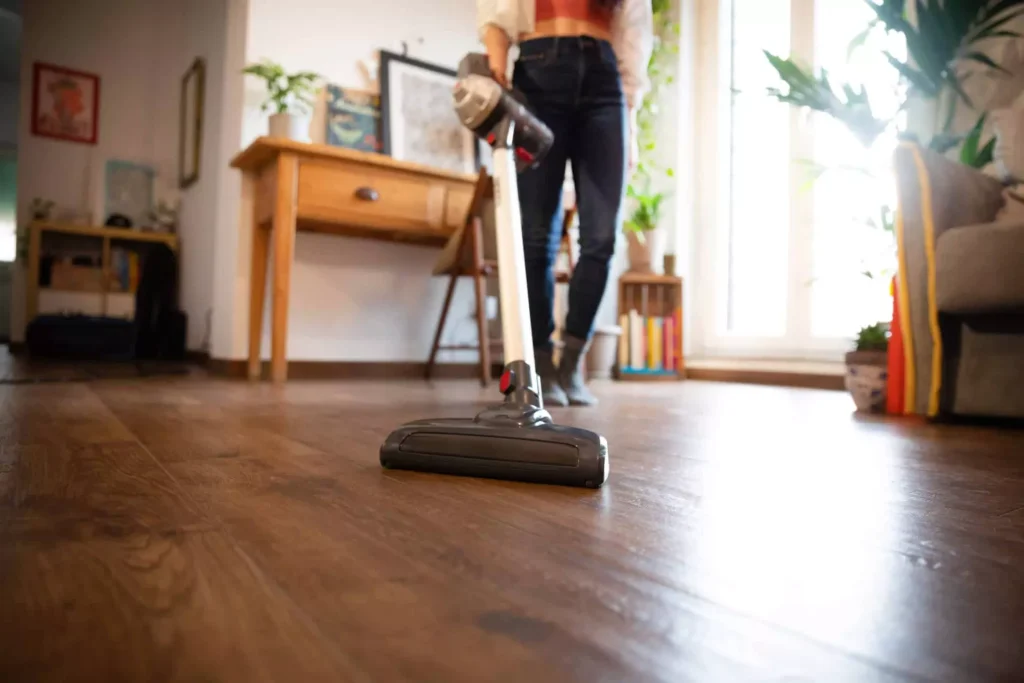
Are you tired of sweeping your hardwood floors, only to find dust and debris still lurking in the corners? You might be wondering if there’s a more efficient way to keep your floors pristine.
The question is, can you use a vacuum on hardwood floors? The answer might surprise you! We’ll explore the do’s and don’ts of vacuuming hardwood surfaces, revealing tips and tricks that could transform your cleaning routine. Imagine a spotless home with minimal effort—sounds appealing, right?
Keep reading, and discover how you can achieve that impeccable shine without damaging your beloved floors.
Vacuuming Hardwood Floors
Vacuuming hardwood floors can be a great way to keep them clean and looking fresh. Many people wonder if vacuuming is safe or if it might damage the wood. Understanding the right approach and tools can help you protect your floors while enjoying the benefits of a thorough clean.
Benefits Of Vacuuming
Vacuuming removes dust, dirt, and debris that can scratch your hardwood floors over time. Unlike sweeping, a vacuum can reach into corners and crevices more effectively, ensuring a deeper clean.
Using a vacuum with a soft brush attachment helps preserve the wood’s finish. This method also reduces allergens and improves indoor air quality, making your home healthier.
Common Concerns
Many worry that vacuuming might cause scratches or dents. The key is to avoid vacuums with stiff bristles or beater bars that can damage the surface.
Another concern is the vacuum’s wheels leaving marks. Look for models with rubberized wheels or use floor protectors to prevent this issue.
Have you checked if your vacuum has a hardwood floor setting? This feature often disables aggressive brushes and reduces suction power to safeguard your floors.
Credit: www.yahoo.com
Choosing The Right Vacuum
Choosing the right vacuum is key to keeping hardwood floors clean and undamaged. Not all vacuums work well on hardwood surfaces. Picking one that suits hardwood floors helps avoid scratches and preserves the floor’s shine.
Consider vacuums designed specifically for hard floors. These models clean effectively without harming the wood. The right vacuum also saves time and effort during cleaning.
Types Of Vacuums Suitable For Hardwood
- Canister Vacuums:Lightweight and easy to maneuver around furniture.
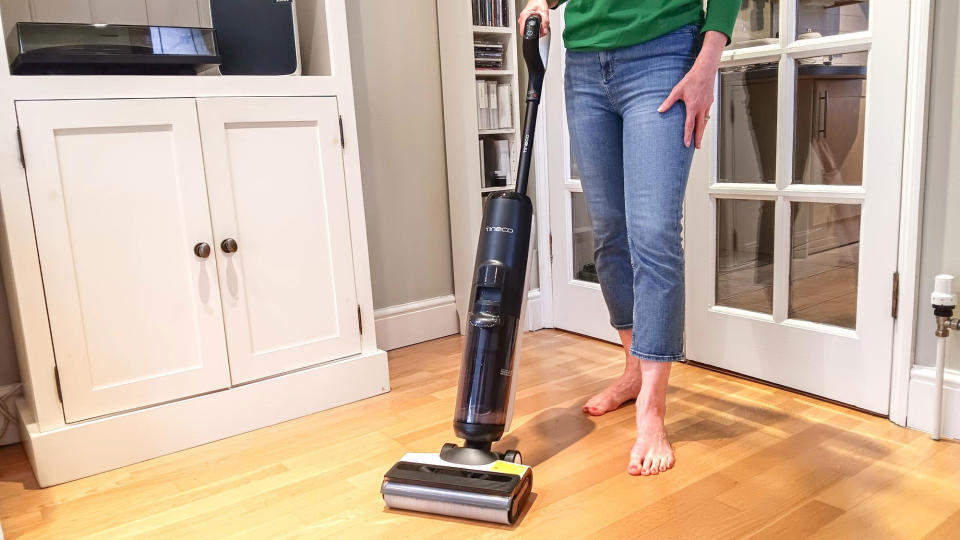
- Stick Vacuums:Cordless and convenient for quick clean-ups.
- Upright Vacuums with Hard Floor Settings:Adjustable height and brush roll options to protect floors.
- Robot Vacuums:Gentle cleaning and automatic operation for daily maintenance.
Features To Look For
- Soft Bristle Brush:Prevents scratches by gently lifting dirt.
- Suction Control:Allows adjusting power to avoid floor damage.
- Non-Marking Wheels:Protect floors from scuffs while moving the vacuum.
- Lightweight Design:Easier to carry and less pressure on floors.
- HEPA Filter:Captures fine dust and allergens for cleaner air.
Safe Vacuuming Techniques
Vacuuming hardwood floors requires a careful approach to keep them looking their best without causing scratches or damage. Using the right techniques can make a big difference in maintaining your floor’s shine and durability. Let’s explore how to prepare your floor and vacuum safely to protect your investment.
Preparing The Floor
Before you start vacuuming, remove any small objects like toys, paper, or pet hair that could get caught in the vacuum. Loose dirt and grit can act like sandpaper if not picked up first, so sweeping or using a soft brush attachment to clear these particles is a smart move.
Check for any sticky spots or spills that might need a quick wipe with a damp cloth. Vacuuming over sticky areas can spread the mess or damage the vacuum itself. Taking a moment to prepare your floor sets the stage for a more effective and gentle cleaning.
Vacuuming Tips To Avoid Damage
- Use the right vacuum head:Choose a vacuum with a soft brush or felt strip designed for hardwood floors. Avoid beater bars or rotating brushes that can scratch the surface.
- Adjust suction power:If your vacuum has adjustable suction, lower it to prevent the machine from pulling too hard and causing dents.
- Vacuum in the direction of the wood grain:This minimizes the chance of leaving marks and helps pick up dust trapped in grooves.
- Move the vacuum gently:Don’t push or pull aggressively. Smooth, slow movements protect the floor finish.
I once skipped adjusting my vacuum settings and ended up with tiny scratches on my hardwood. After switching to a no-beater bar head and lowering suction, the floors stayed flawless. What small change could make your cleaning routine safer?
Credit: www.vevor.com
Alternatives To Vacuuming
Vacuuming might seem like the go-to for cleaning hardwood floors, but it’s not always the best option. Sometimes, you need gentler methods that still keep your floors spotless without risking scratches or damage. Let’s look at some effective alternatives that you can easily use at home.
Using Brooms And Dust Mops
A soft-bristled broom is a classic tool for hardwood floors. It’s great at gathering dust and debris without scratching the surface. Sweep gently and regularly to prevent dirt buildup that can wear down your floor’s finish.
Dust mops are another excellent choice. They attract dust and hair like a magnet and are easy to maneuver around furniture. If you have pets, a dust mop can help keep fur under control without stirring it up into the air.
Microfiber Cloths And Sweeping Tools
Microfiber cloths are surprisingly powerful for floor cleaning. You can dampen one slightly to pick up fine dust and grime without leaving streaks or water spots. Have you tried using a microfiber mop head? It reaches tight corners and fits under low furniture better than bulky vacuums.
Specialized sweeping tools, like flat mops with replaceable microfiber pads, offer a quick and efficient cleaning option. They’re lightweight, easy to store, and don’t make noise like vacuum cleaners do—perfect if you want a quiet cleaning session. Plus, they’re gentle enough to preserve your floor’s finish while still removing dirt.
Maintaining Hardwood Floors
Hardwood floors add warmth and elegance to any home. Keeping them in great shape requires more than just occasional cleaning. You need a consistent approach to maintain their beauty and durability over time.
Regular Cleaning Schedule
Vacuuming is a useful tool for cleaning hardwood floors, but it must be done correctly. Use a vacuum with a hardwood floor setting or a soft brush attachment to avoid scratches. Avoid vacuums with beater bars or rotating brushes, as these can damage the surface.
Set a cleaning routine based on your household’s foot traffic. High-traffic areas might need vacuuming twice a week, while less-used rooms may only require it once a week. Complement vacuuming with a dry mop or microfiber cloth to catch fine dust that vacuums might miss.
Protective Measures For Longevity
Think about the small habits that protect your floors every day. Place felt pads under furniture legs to prevent scratches when you move items around. Use rugs in entryways to catch dirt and grit that can wear down the finish.
Consider humidity control, as wood can expand and contract with moisture changes. Keep indoor humidity between 30% and 50% to reduce warping or gaps. Have you noticed how your floors react during seasonal changes? Adjust your home’s humidity accordingly to protect your investment.
:max_bytes(150000):strip_icc()/spr-electrolux-ergorapido-cordless-vacuum-lisa-foustprater-08-b4fcc5f1cdf14a40a4a9b4bfaf1bfbfc.jpeg)
Credit: www.thespruce.com
Frequently Asked Questions
Can I Use A Vacuum Cleaner On Hardwood Floors?
Yes, you can use a vacuum on hardwood floors. Use a vacuum with a hardwood floor setting or a soft brush attachment. This prevents scratches and damage while effectively removing dust and debris.
What Vacuum Features Are Best For Hardwood Floors?
Choose vacuums with soft bristles, adjustable suction, and no beater bars. These features protect your hardwood floors from scratches and ensure gentle, efficient cleaning without causing damage.
How Often Should I Vacuum Hardwood Floors?
Vacuum hardwood floors once or twice a week. Regular vacuuming removes dirt and grit that can cause scratches. Avoid over-vacuuming to maintain the floor’s finish and longevity.
Can Vacuuming Damage Hardwood Floors?
Vacuuming can damage hardwood floors if the vacuum has hard or rotating brushes. Use vacuums designed for hardwood or with gentle attachments to avoid scratches and preserve floor quality.
Conclusion
Vacuuming hardwood floors helps keep them clean and free from dust. Use a vacuum with a soft brush or hardwood setting to avoid scratches. Avoid vacuums with beater bars or stiff brushes that can damage wood. Regular vacuuming saves time and keeps floors looking nice longer.
A gentle vacuum is a smart choice for hardwood care. Small steps make a big difference in floor maintenance. Keep your floors healthy and beautiful with proper vacuuming habits.