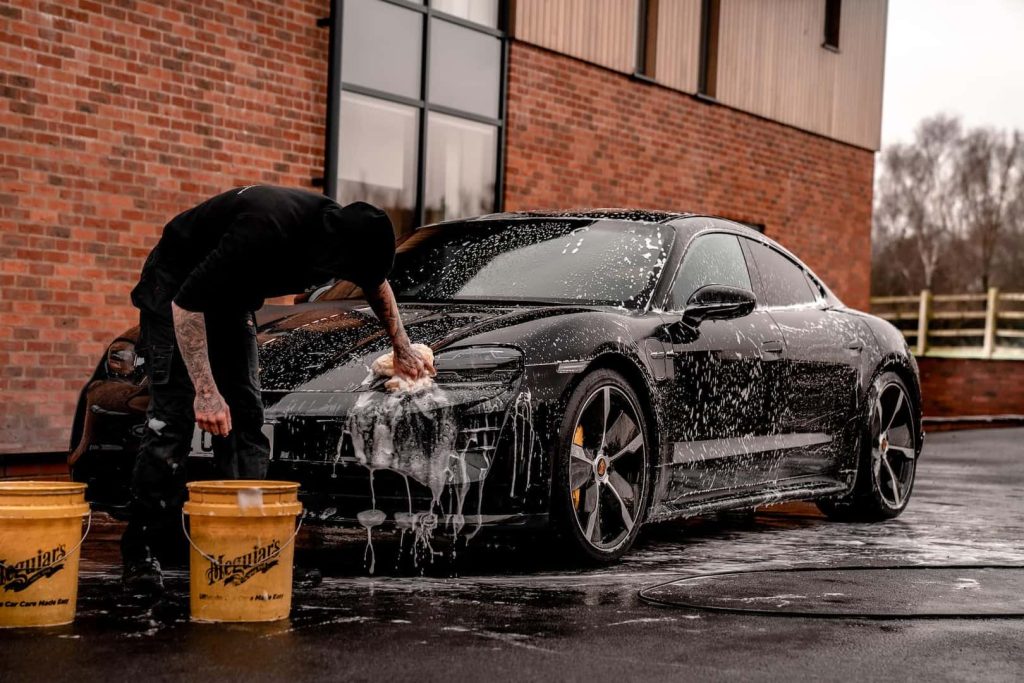
Have you ever wondered if you can use Windex on your car windows? You want your windows to be crystal clear, but using the wrong cleaner could cause streaks or even damage.
You might think Windex is the easy choice since it’s common and works well on home windows. But is it really safe for your car’s glass? Keep reading to discover the truth and learn how to keep your car windows spotless without risking harm.
Your car deserves the best care, and we’re here to help you give it just that.
Windex And Car Windows
Cleaning your car windows is essential for clear visibility and safe driving. You might wonder if using household cleaners like Windex is a good idea. Understanding what Windex contains and how it’s commonly used can help you decide if it’s suitable for your car windows.
Ingredients In Windex
Windex is mainly made up of water, ammonia, and a small amount of detergents and fragrances. The ammonia helps break down grease and grime, making windows look streak-free and shiny. However, ammonia can sometimes be harsh on certain surfaces, especially tinted or coated car windows.
Knowing this, you should ask yourself: does your car have tinted windows or special coatings? If yes, ammonia-based cleaners like Windex might cause damage or fading over time. For regular glass, Windex can be effective but use it sparingly and test on a small area first.
Common Uses For Windex
People often use Windex to clean household glass surfaces such as windows, mirrors, and glass tabletops. It’s popular because it evaporates quickly and leaves minimal streaks. Windex is also used to clean chrome and some plastic surfaces, but caution is advised.
Using Windex on car windows is common, but not always recommended. Have you ever noticed a haze or residue after cleaning your car windows with it? That can happen if the cleaner isn’t wiped off properly or if the ammonia reacts with the glass or tint. To avoid this, use a microfiber cloth and avoid direct sunlight during cleaning.
Safety Concerns
Using Windex on car windows raises important safety concerns. The formula in Windex may contain chemicals harmful to parts of your car. Knowing these risks helps protect your vehicle’s appearance and functionality. Careful cleaning ensures your car stays in good shape.
Potential Damage To Window Tint
Windex can harm window tint film. The chemicals may cause the tint to peel or bubble. Over time, this weakens the tint’s adhesive. The color might fade or discolor. Using a cleaner made for tinted windows is safer. It helps keep the tint clear and intact.
Effect On Rubber Seals And Trim
Rubber seals and trim around windows can suffer from Windex use. The chemicals may dry out the rubber. Dry rubber cracks and loses flexibility. This can cause leaks and wind noise. Trim pieces may also discolor or degrade. Gentle cleaners protect rubber and trim better.
Cleaning Performance
Cleaning performance is key when choosing a product for car windows. A cleaner that works well removes dirt, grime, and fingerprints quickly. It also leaves the glass clear without any marks. Windex is popular for household glass but how does it perform on car windows? Let’s explore its effectiveness and the quality of the results it delivers.
Effectiveness On Glass
Windex cleans glass by breaking down grease and dirt. It works fast on car windows, removing road grime and smudges easily. The ammonia in Windex helps dissolve stubborn spots. It also dries quickly, reducing the chance of dust sticking to wet glass. Many users find it removes bugs and bird droppings efficiently. However, Windex may not be ideal for tinted windows as ammonia can damage tint films over time.
Streak-free Results
Getting streak-free windows is important for safe driving and good looks. Windex often leaves a shiny, clear finish on glass. Its formula helps prevent water spots and streaks after drying. Using a clean microfiber cloth enhances these streak-free results. Still, improper application like spraying too much or wiping with a dirty cloth can cause streaks. For best results, spray lightly and wipe gently with a soft cloth.
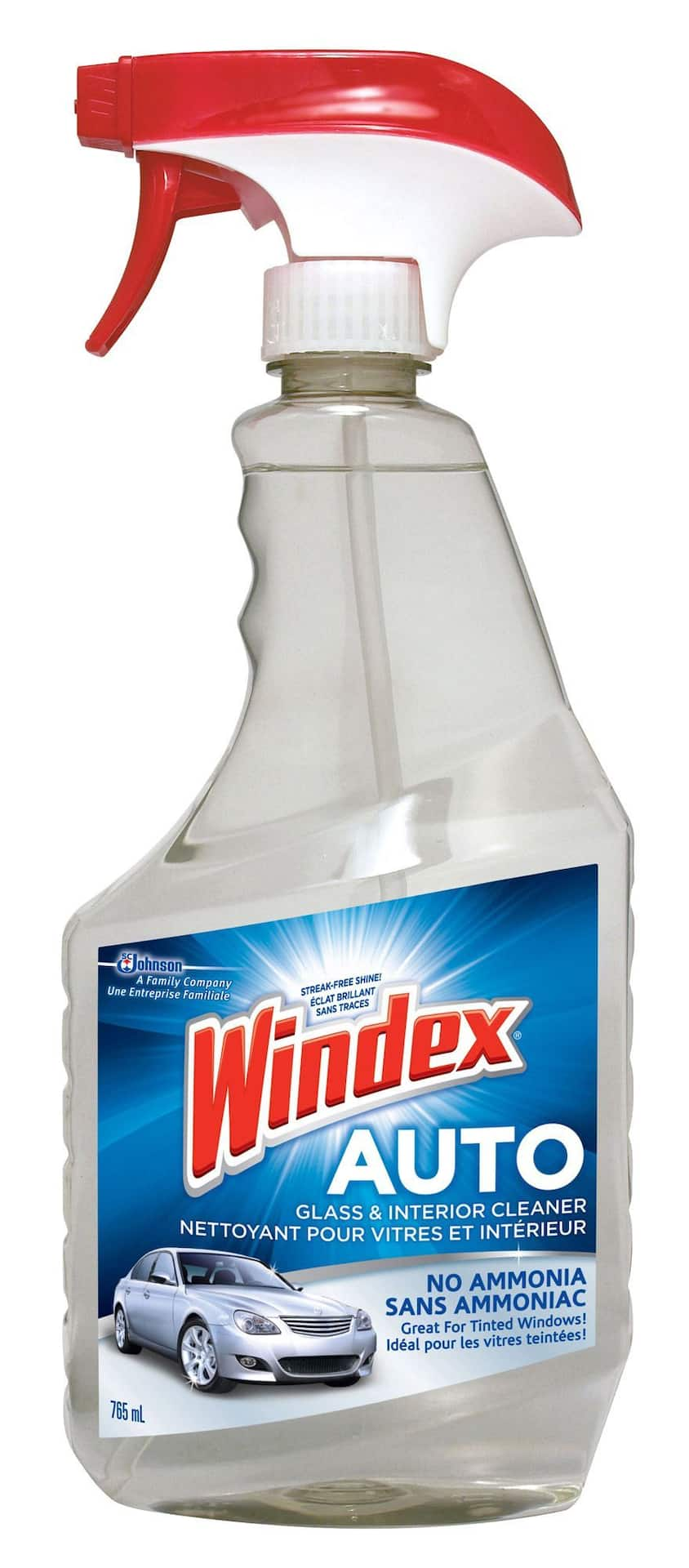
Credit: www.canadiantire.ca
Alternative Cleaners
Using Windex on car windows might seem like a quick fix, but it’s not always the best choice. Alternative cleaners can offer safer and more effective results for your vehicle’s glass. These options help avoid streaks, protect tint, and keep your visibility clear without damaging surfaces.
Car-specific Glass Cleaners
Car-specific glass cleaners are designed with your vehicle’s needs in mind. They often contain ingredients that cut through road grime, bug residue, and water spots without harming window tint or rubber seals.
You can find these cleaners at auto shops or online, usually labeled as safe for automotive glass. Many of them come with anti-fog and anti-smudge properties, which means you get clearer windows for longer.
Have you ever noticed streaks after cleaning your car windows with regular household cleaners? Car-specific products typically reduce that problem, making your cleaning efforts more effective and less frustrating.
Diy Cleaning Solutions
If you prefer a homemade approach, simple DIY solutions can work well on car windows too. A popular mix is equal parts distilled water and white vinegar, which cuts through dirt and leaves a streak-free shine.
Adding a few drops of dish soap can boost cleaning power, but be careful not to use too much soap to avoid residue. Use a microfiber cloth to apply the solution and wipe gently to prevent scratches.
Have you tried making your own cleaner? It’s cost-effective and avoids harsh chemicals, but always test a small area first to ensure it won’t damage your tint or seals.
Best Practices For Cleaning
Cleaning car windows properly keeps your view clear and safe. Using the right approach helps avoid streaks and damage. Best practices ensure windows look spotless and last longer. Follow simple steps for the best results.
Proper Application Techniques
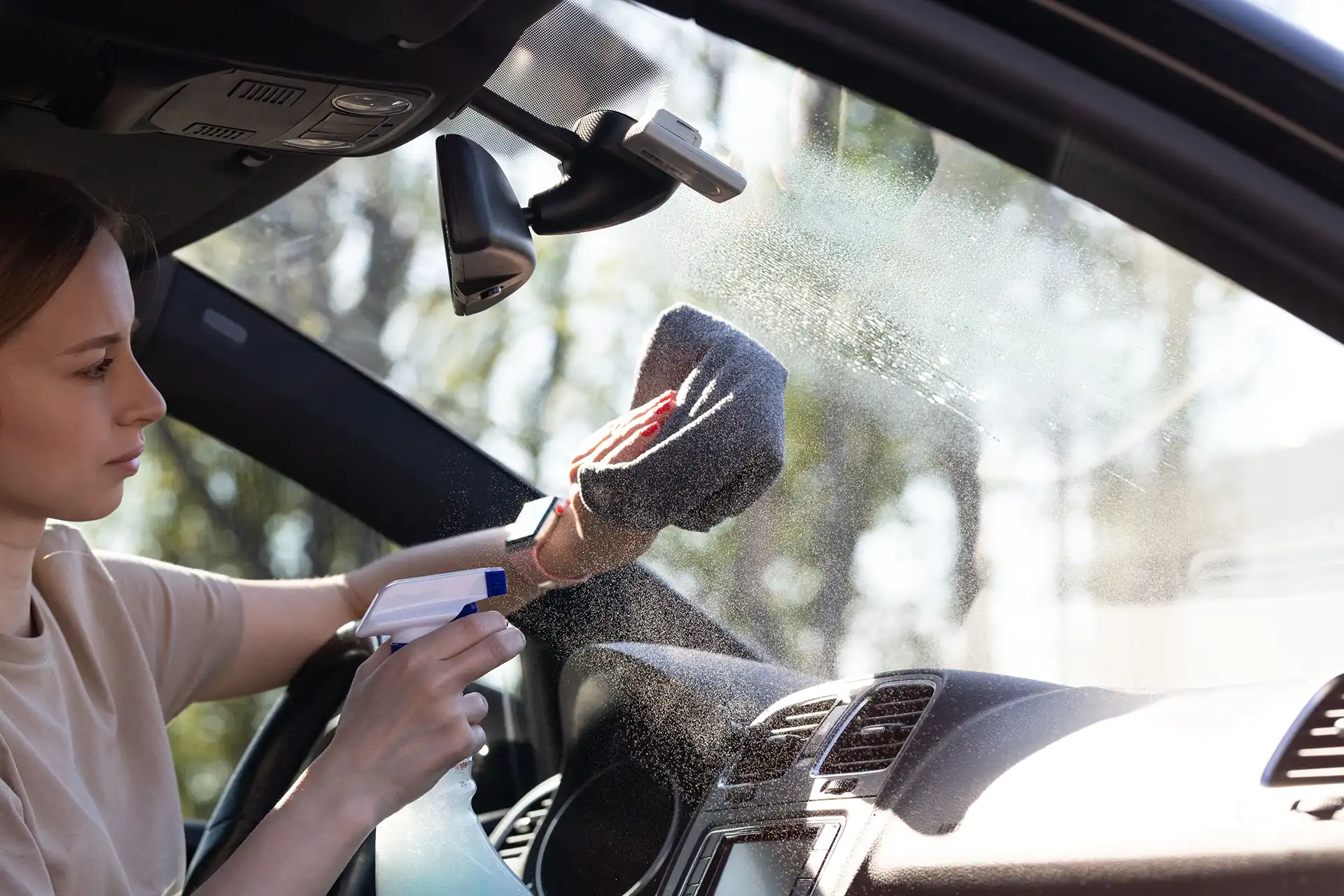
Spray cleaner evenly across the glass surface. Avoid soaking the edges to prevent damage. Use a soft cloth or paper towel to wipe gently. Move the cloth in circular motions to remove dirt. Finish by wiping in a vertical or horizontal line. This prevents streaks and smudges. Avoid cleaning in direct sunlight to reduce drying too fast.
Tools For Optimal Cleaning
- Microfiber cloths: Soft, absorbent, and lint-free for a clear finish.
- Squeegees: Remove excess liquid without leaving streaks.
- Spray bottles: Evenly distribute cleaning solution on glass.
- Soft brushes: Clean window edges and corners carefully.
- Distilled water: Use for rinsing to avoid mineral spots.
Credit: www.mbwestcovina.com

Credit: www.youtube.com
Frequently Asked Questions
Is Windex Safe For Car Windows?
Yes, Windex is generally safe for car windows. However, avoid using it on tinted windows. The ammonia in Windex can damage tint film. Always check your car’s manual for specific cleaning recommendations.
Can Windex Damage Car Window Tint?
Yes, Windex can damage tinted car windows. Its ammonia content can cause the tint film to peel or discolor. For tinted windows, use a cleaner specifically designed for them.
How Often Should You Clean Car Windows With Windex?
Cleaning frequency depends on driving conditions. Generally, clean car windows every two weeks for clear visibility. Regular maintenance helps remove dirt, smudges, and streaks.
What Alternatives Exist For Cleaning Car Windows?
There are several alternatives to Windex for car windows. Vinegar and water solution is effective. You can also use commercial automotive glass cleaners. Always ensure the cleaner is ammonia-free for tinted windows.
Conclusion
Windex can clean car windows well but use with care. Some ingredients may harm window tint or rubber seals. Choose a cleaner made for cars for best results. Always test a small area first to avoid damage. Keeping windows clear helps you drive safely every day.
Clean windows mean better visibility and less glare. Take simple steps to protect your car’s surfaces. Clean smart, drive safe, and enjoy a clear view.