Have you ever found yourself staring at a pile of ash, wondering if your trusty vacuum cleaner can handle the job? You’re not alone.
Many people face this dilemma after a cozy night by the fireplace or a summer barbecue. The idea of using a vacuum seems convenient, but is it safe and effective? We’ll dive into the pros and cons of vacuuming ash, helping you make an informed decision.
Stick around to uncover the surprising truth about what could happen to your vacuum—and your home—if you use it to clean up ash. Your next cleaning decision could save you a lot of hassle and keep your home safe.
Credit: www.vevor.ca
Risks Of Vacuuming Ash
Vacuuming ash may seem like a quick way to clean up, but it carries several risks. Ash is fine and can easily damage your vacuum cleaner. It also creates health problems if the dust spreads in the air. Understanding these dangers helps you protect your home and health.
Potential Damage To Vacuum
Ash is very fine and abrasive. It can clog the vacuum’s filters quickly. This reduces suction power and may cause the motor to overheat.
Some ash may still be warm. This heat can damage plastic parts or even cause a fire inside the vacuum.
Vacuum bags or dust containers fill up fast with ash. This can lead to poor vacuum performance and extra wear and tear.
Health Hazards From Ash Dust
Ash dust contains tiny particles that easily float in the air. Breathing these particles can irritate your lungs and throat.
People with asthma or allergies may experience more serious problems. The dust can trigger coughing, sneezing, or breathing difficulties.
Cleaning ash without proper protection can spread the dust over a wide area, making the problem worse.
Credit: www.homedepot.com
Types Of Ash Suitable For Vacuuming
Knowing which types of ash you can vacuum safely is crucial for protecting your vacuum and your home. Not all ash is created equal, and choosing the right kind can save you from damage and extra cleaning. Let’s break down the kinds of ash that are generally safe to vacuum and those you should avoid.
Cold Vs. Hot Ash
Only cold ash is safe to vacuum. Hot ash can cause serious damage to your vacuum cleaner’s motor and filters, and it might even start a fire. Always make sure the ash has cooled completely—this can take 24 to 48 hours depending on the source.
Have you ever tried to vacuum ash right after a fire? It’s tempting, but the risk isn’t worth it. Waiting for the ash to cool not only protects your equipment but also keeps your home safe.
Sources Of Safe Ash
Ash from fireplaces, wood stoves, and charcoal grills are the most common types safe for vacuuming—once cooled. Avoid ash from coal or treated wood, as these can contain harmful chemicals and heavy metals. Similarly, ash from paper or trash fires may hold dangerous residues.
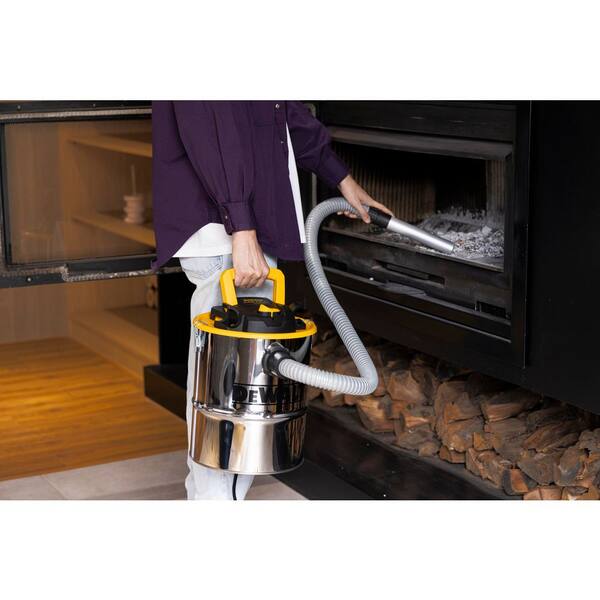
If you’re cleaning out your fireplace, stick to ash from natural wood. This kind of ash is less likely to clog filters or release toxins. When you vacuum, use a vacuum designed for ash or one with a fine particle filter to keep everything contained.
Best Vacuums For Ash Cleanup
Cleaning up ash can be tricky. Regular vacuums often fail or get damaged because ash particles are fine and abrasive. Choosing the right vacuum designed for ash cleanup saves time and protects your equipment.
Ash-specific Vacuums
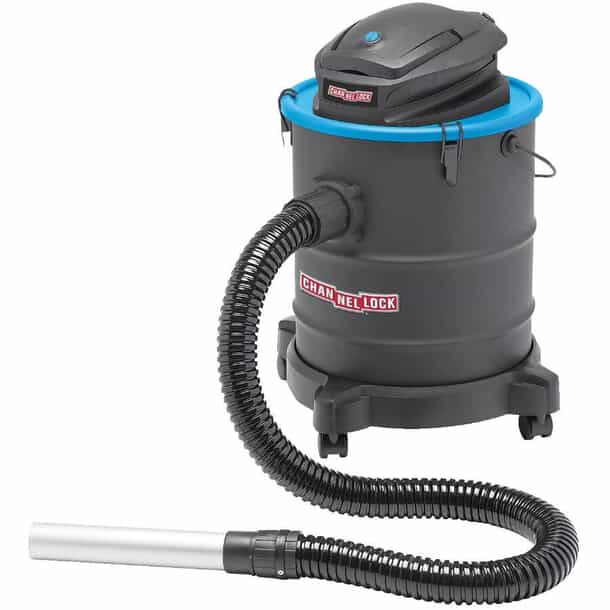
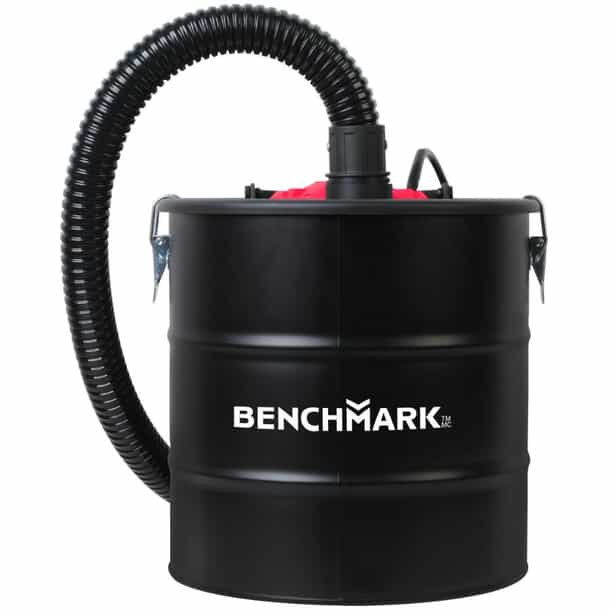
Ash-specific vacuums are built to handle fine, powdery ash without clogging or damaging the motor. These vacuums usually have metal or heat-resistant containers to prevent fire hazards. For example, models like the PowerSmith Ash Vacuumor the Shop-Vac Ash Vacuumare popular choices among homeowners with fireplaces or wood stoves.
These vacuums often come with specialized filters made from materials like HEPA or stainless steel mesh. This helps trap tiny ash particles and prevents them from escaping back into the air. If you’ve ever tried using a regular vacuum on cold fireplace ash, you know how frustrating the mess can get.
Features To Look For
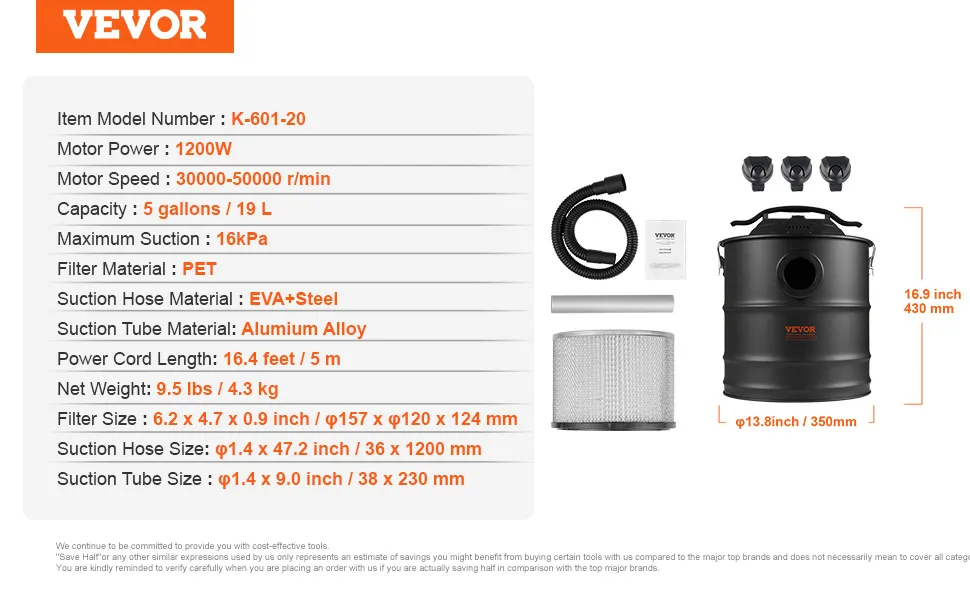
When picking a vacuum for ash cleanup, focus on a few key features. First, check if the vacuum has a heat-resistant container. Ash can sometimes be warm, and ordinary plastic can melt or catch fire.
Next, look for high-quality filtersthat capture fine particles without reducing suction. Some vacuums offer washable or replaceable filters, which saves money in the long run. Also, consider the vacuum’s hose lengthand capacityto match your cleanup needs.
Do you need portability? A lighter vacuum with wheels might be easier to move around your home. On the other hand, a bigger capacity means fewer trips to empty the container. Think about where and how often you’ll use it.
Preparation Before Vacuuming Ash
Before you grab your vacuum to clean up ash, there are crucial steps to take. Ash might look harmless, but vacuuming it without proper preparation can cause damage to your vacuum and create a mess. Taking a few moments to prepare can save you time, effort, and potential hazards.
Ensuring Ash Is Completely Cold
Never vacuum ash that is still warm or hot. Even if the fire seems out, embers can linger unseen and ignite inside your vacuum, posing a fire risk. Wait at least 24 to 48 hours after the last fire to make sure the ash is fully cooled.
To be extra sure, spread out the ash on a metal surface and touch it lightly with the back of your hand. If it feels cool, it’s safe to proceed. This simple check can prevent expensive damage to your vacuum and your home.
Proper Protective Gear
Ash is fine and dusty, which means it can irritate your skin and lungs. Wearing protective gear protects you from inhaling harmful particles and keeps your skin clean. At a minimum, use a dust mask or respirator, gloves, and eye protection.
Gloves also help you avoid direct contact with potentially toxic substances in ash. Eye protection prevents dust from irritating your eyes during vacuuming. Putting on these items might feel like extra work, but they make the cleanup safer and more comfortable.
Step-by-step Ash Vacuuming Process
Cleaning ash requires care and the right tools. Using a vacuum made for ash makes the task easier and safer. Follow this step-by-step process for effective ash vacuuming. This keeps your space clean and protects your vacuum.
Setting Up Your Vacuum
Choose a vacuum designed for ash removal. Regular vacuums can get damaged or clogged. Connect the correct filter and ensure the dust container is empty. Place the vacuum on a flat surface near the ash source. Make sure the power cord reaches the area easily. Wear a mask and gloves to avoid ash inhalation and skin contact.
Vacuuming Techniques
Let the ash cool completely before starting. Hold the vacuum nozzle close to the ash surface but avoid stirring it up. Move the nozzle slowly over the ashes for thorough cleaning. Use short bursts rather than continuous suction. Avoid pressing the nozzle too hard to prevent damaging the vacuum or scattering ash.
Post-cleanup Maintenance
Turn off and unplug the vacuum before emptying it. Dispose of the ash in a metal container with a lid to prevent fire hazards. Clean the vacuum filter and dust container carefully. Check for any ash residue inside the vacuum parts. Store the vacuum in a dry place until the next use.
Credit: www.homehardware.ca
Alternatives To Vacuuming Ash
Vacuuming ash can be risky and damage some vacuum cleaners. There are safer ways to clean ash without using a vacuum. These methods help avoid mess and keep your space clean.
Manual Cleanup Methods
Use a metal scoop or dustpan to gather the ash carefully. Wear a mask and gloves to avoid breathing in ash particles. Place the ash in a metal container with a lid to keep it safe. Use a damp cloth to wipe away any leftover ash on surfaces. Sweep gently to prevent ash dust from spreading.
Using Ash Disposal Tools
Special ash buckets and containers help store ash safely. Some come with lids to stop ash from flying out. Ash rakes and brushes make collecting ash easier. These tools are designed to handle ash without damage. Using the right tools reduces cleanup time and effort.
Common Mistakes To Avoid
Cleaning up ash might seem straightforward, but many people make mistakes that can damage their vacuum or create safety hazards. Avoiding these common errors will save you time, money, and frustration. Let’s look at the two biggest pitfalls to watch out for when vacuuming ash.
Vacuuming Hot Ash
Never vacuum ash that is still hot or warm. Even if the embers look small, they can easily reignite inside your vacuum’s dust container. This risk isn’t just about damaging your vacuum—it’s a serious fire hazard for your home.
I once tried to clean up fireplace ash immediately after a fire, thinking it was cool enough. Within minutes, smoke started coming from my vacuum, and I had to unplug it fast. Waiting at least 24 hours for the ash to cool completely is essential before using any vacuum.
Using Regular Household Vacuums
Regular household vacuums are not designed to handle ash. Ash particles are very fine and can clog filters or pass through the vacuum bag, causing damage to the motor or releasing dust back into your room.
Special ash vacuums or those with HEPA filters are better choices because they trap fine particles safely. If you don’t have one, consider using a metal container and a brush to clean ash manually. Is your vacuum equipped to handle ash, or could it be at risk?
Frequently Asked Questions
Can You Vacuum Cold Ash Safely?
Yes, you can vacuum cold ash safely using a specialized ash vacuum. Ensure the ash is completely cool to avoid fire hazards. Regular household vacuums are not suitable as ash can damage them and create risks.
What Type Of Vacuum Is Best For Ash?
A vacuum specifically designed for ash is best. These vacuums have metal containers and specialized filters. They prevent fine ash particles from escaping and protect the motor from damage.
Can Vacuuming Hot Ash Cause Fire?
Vacuuming hot ash can cause serious fire hazards. Always wait until the ash is completely cold before vacuuming. Using the wrong vacuum or vacuuming hot ash risks sparks and fires.
How To Clean Vacuum After Ash Use?
Empty the ash vacuum outdoors to avoid dust spreading inside. Clean or replace filters regularly to maintain performance. Wipe the container with a damp cloth to remove residue.
Conclusion
Vacuuming ash can be risky without the right vacuum cleaner. Regular vacuums may get damaged or cause dust to spread. Use a vacuum made for fine ash to keep your home clean and safe. Always wait until ash cools completely before cleaning.
Taking these steps helps avoid accidents and keeps your space tidy. Cleaning ash carefully protects your vacuum and your health. Simple precautions make the job easier and safer.