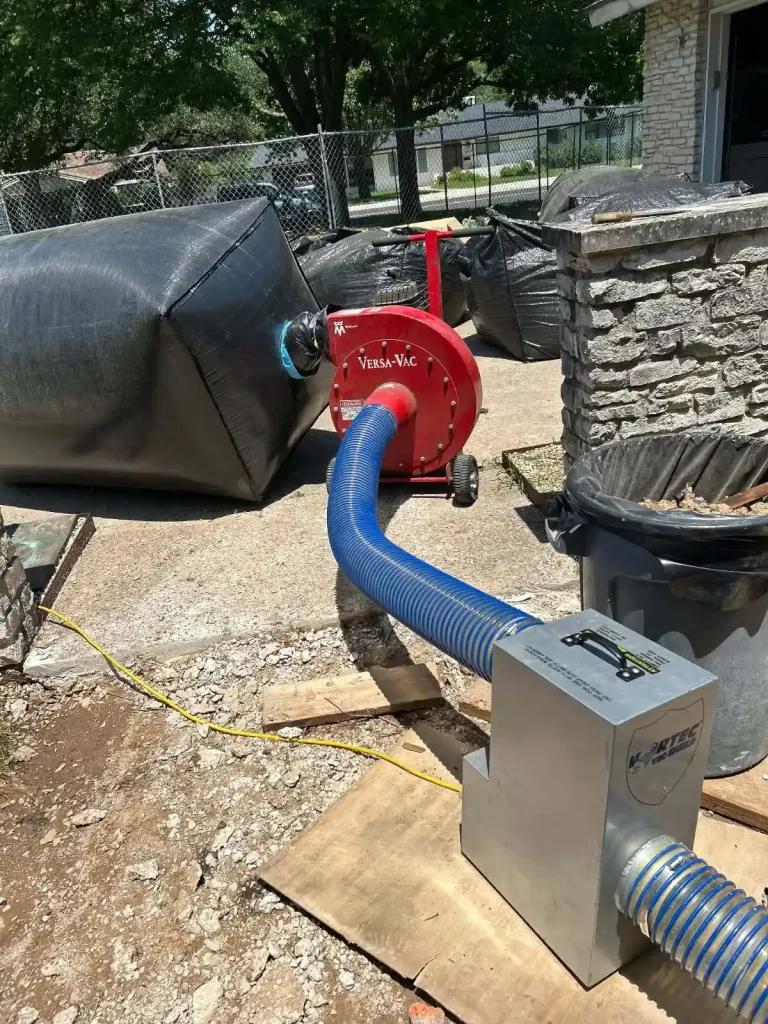
Have you ever wondered if you can vacuum fiberglass without causing more harm than good? Whether you’re dealing with a home renovation project, an attic clean-up, or an accidental fiberglass spill, knowing the right approach is crucial.
This isn’t just about making your space tidy; it’s about ensuring your safety and protecting your health. Imagine the peace of mind you’ll have once you know the best way to tackle this tricky task. In this guide, you’ll discover the practical steps you need to take to handle fiberglass safely with your vacuum cleaner.
Stay with us, and you’ll learn how to keep your environment clean and safe, all while avoiding common pitfalls.

Credit: fiberglass-insulation.com
Fiberglass And Cleaning Basics
Understanding the basics of fiberglass and its cleaning needs is essential if you want to maintain its appearance and durability. Fiberglass might seem delicate, but knowing what it’s made of and where it’s used can help you decide the best cleaning approach. Let’s look closer at what fiberglass really is, where you find it, and why keeping it clean is important for you.
What Is Fiberglass Made Of
Fiberglass is made from tiny glass fibers woven together into a fabric-like material. These fibers are then combined with a resin, usually plastic, to create a strong and lightweight composite. This mix gives fiberglass its unique strength and flexibility, making it different from other materials you might clean at home.
Common Fiberglass Applications
You’ll find fiberglass in many places around you, from boat hulls and car bodies to bathtubs and roofing panels. It’s popular because it resists corrosion and is easy to shape, which is why manufacturers often choose it. Knowing where your fiberglass items are helps you treat them carefully during cleaning.
Why Cleaning Fiberglass Matters
Cleaning fiberglass isn’t just about looks; it protects the material from damage and extends its life. Dirt, grime, and harsh chemicals can wear down the resin and fibers, causing cracks or dullness. Have you noticed how a clean fiberglass boat shines and lasts longer? That’s the power of proper care.
Vacuuming Fiberglass Safely
Vacuuming fiberglass requires care to prevent damage and protect your health. Fiberglass particles can irritate skin and lungs, so safety is key. Using the right vacuum and settings helps clean effectively without harming the material.
Choosing The Right Vacuum Cleaner
Select a vacuum with a HEPA filter to trap tiny fiberglass particles. Avoid vacuums without filters, as they release dust back into the air. A vacuum designed for fine dust works best for fiberglass cleanup.
Vacuum Settings To Use
Use a low suction setting to avoid pulling or damaging fiberglass fibers. High suction can tear the material or scatter particles. Choose a gentle mode, if available, to clean safely and thoroughly.
Avoiding Damage During Vacuuming
- Use a soft brush attachment to prevent scratching or tearing.
- Move the vacuum slowly to avoid disturbing the fibers.
- Wear gloves and a mask to protect your skin and lungs.
- Do not press too hard on the fiberglass surface.
Alternative Cleaning Methods
Cleaning fiberglass requires care to avoid damage. Alternative cleaning methods help maintain its surface without harsh tools. These approaches keep fiberglass safe and looking good.
Using Soft Brushes And Cloths
Soft brushes and cloths gently remove dust and dirt from fiberglass. Use a microfiber cloth or a brush with soft bristles. Avoid hard scrubbing to prevent scratches. Light, circular motions work best for cleaning.
Wet Cleaning Techniques
Wet cleaning uses water and mild soap to clean fiberglass. Mix a small amount of soap with water in a bucket. Dip a soft cloth or sponge in the solution and wipe the surface. Rinse with clean water and dry with a soft towel to avoid streaks.
When To Use Compressed Air
Compressed air removes loose dust in hard-to-reach places. Use short bursts of air from a safe distance. Avoid blowing dirt deeper into crevices. This method works well for delicate fiberglass parts that cannot get wet.
Credit: www.provac.com
Protective Measures While Cleaning
Cleaning fiberglass requires careful steps to avoid health risks. The tiny fibers can irritate your skin, eyes, and lungs. Taking protective measures is key to safe cleaning. These steps help reduce exposure to harmful dust and particles.
Wearing Protective Gear
Always wear gloves to protect your hands from irritation. Use long sleeves and pants to cover your skin fully. A dust mask or respirator prevents inhaling fine fiberglass particles. Safety goggles protect your eyes from dust and fibers. Protective gear reduces the chance of discomfort and injury.
Handling Fiberglass Dust Safely
Do not touch fiberglass dust with bare hands. Use a vacuum with a HEPA filter to trap tiny particles. Avoid dry sweeping or blowing dust into the air. Dispose of collected dust in sealed bags to prevent spreading. Handle dust gently to keep it contained and reduce airborne fibers.
Ventilation Tips
Work in a well-ventilated area to lower dust concentration. Open windows and doors to allow fresh air inside. Use fans to help move air away from your cleaning space. Proper ventilation helps clear harmful particles quickly. It keeps the air clean and reduces inhalation risks.
Maintaining Fiberglass After Cleaning
Maintaining fiberglass after cleaning ensures its durability and appearance last longer. Proper care keeps the surface smooth and protects it from damage. Regular attention helps avoid costly repairs and preserves its strength.
Regular Inspection And Care
Check fiberglass surfaces often for dirt, cracks, or discoloration. Use a soft cloth or brush for gentle cleaning. Avoid harsh chemicals that can weaken the material. Dry the surface thoroughly after washing to prevent moisture damage.
Repairing Minor Damage
Small cracks and chips need prompt fixing to stop spreading. Use a fiberglass repair kit with resin and cloth patches. Follow product instructions carefully for best results. Sand the area lightly after curing to smooth the surface.
Preventing Future Build-up
Keep fiberglass free from dirt and grime by cleaning regularly. Apply a protective wax or sealant designed for fiberglass. This layer helps repel water and dirt. Store fiberglass items in a dry, shaded place to reduce wear from sun and moisture.

Credit: www.signaturepoolschicago.com
Frequently Asked Questions
Can You Safely Vacuum Fiberglass Insulation?
Yes, you can vacuum fiberglass insulation carefully. Use a vacuum with a HEPA filter to trap tiny fibers. Wear protective gear like gloves and a mask to avoid irritation.
What Vacuum Type Works Best For Fiberglass Cleanup?
A vacuum with strong suction and a HEPA filter works best. It effectively captures fine fiberglass particles, preventing them from spreading in the air.
Should I Wear Protection When Vacuuming Fiberglass?
Always wear gloves, a mask, and goggles. Fiberglass particles can irritate your skin, eyes, and lungs. Protective gear ensures safe handling.
Can Vacuuming Damage Fiberglass Insulation?
Vacuuming won’t damage fiberglass insulation if done gently. Avoid aggressive brushing to prevent fiber breakage or displacement.
Conclusion
Vacuuming fiberglass requires care to avoid damage and mess. Use a vacuum with a HEPA filter to catch tiny fibers. Always wear gloves and a mask to protect yourself. Clean slowly and gently to keep fiberglass particles from spreading. Regular cleaning helps maintain your space safe and tidy.
Keep these tips in mind for safe fiberglass vacuuming. It’s simple with the right steps and tools. Stay safe and clean without hassle.