Imagine this: your beloved feline friend is scratching more than usual, and you suspect fleas have made themselves at home in your cat’s fur. You’re desperate for a quick fix and wonder, “Can you vacuum fleas off a cat?”
This question might seem unconventional, but it’s a query that sparks curiosity and a need for a solution. Fleas are not just a nuisance; they can cause discomfort and potential health issues for your pet. If you’re looking for an effective way to tackle these pesky parasites, you’re not alone.
Many pet owners are exploring innovative methods to protect their furry companions. But is vacuuming a viable option? You’ll discover whether using a vacuum can help rid your cat of fleas, and what other alternatives you might consider. Stay with us as we delve into the pros, cons, and expert advice on managing fleas effectively. Your cat’s comfort and health could depend on it, and you won’t want to miss this insightful guide.
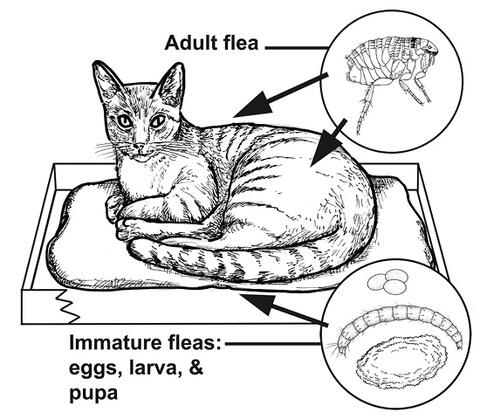
Credit: extension.msstate.edu
Vacuuming Fleas On Cats
Vacuuming fleas on cats might sound unusual but some pet owners consider it. Fleas cause itching and discomfort to cats. Removing fleas quickly is important to keep pets healthy. Using a vacuum cleaner could help reduce flea numbers. Let’s explore how safe and effective vacuuming fleas on cats is.
Is Vacuuming Safe For Cats?
Vacuuming cats directly can be risky. Cats often get scared by the noise and movement. Stress from vacuum noise can harm a cat’s well-being. A strong vacuum can hurt a cat’s skin or fur. Use a vacuum with low suction and a soft brush attachment. Always watch your cat’s reactions closely. Stop if your cat shows fear or stress signs.
Effectiveness Of Vacuuming Fleas
Vacuuming alone does not remove all fleas. It can pick off some adult fleas and flea dirt. Flea eggs and larvae are harder to remove by vacuum. Vacuuming helps reduce flea numbers but is not a full solution. Combine vacuuming with flea treatments for best results. Vacuum floors, carpets, and furniture often to catch fleas hiding there. This lowers flea populations in your home.
How To Vacuum A Cat Properly
- Use a vacuum cleaner with a gentle brush attachment.
- Keep suction on the lowest setting to avoid hurting the cat.
- Let the cat see and sniff the vacuum first to reduce fear.
- Start with short, calm sessions while petting your cat.
- Vacuum small areas of the cat’s fur slowly and gently.
- Stop immediately if the cat becomes stressed or tries to escape.
- Reward your cat with treats and praise after vacuuming.
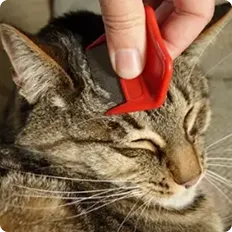
Credit: nexgardforpets.com
Alternative Flea Removal Methods
Removing fleas from a cat needs care and the right approach. Vacuuming fleas off a cat is not safe or effective. There are other methods that work better. These alternatives help keep your cat comfortable and flea-free.
Topical Treatments
Topical treatments are liquid medicines applied to the cat’s skin. Usually placed between the shoulder blades. These treatments kill fleas quickly and stop new ones from hatching. They are easy to use and last for weeks. Some also protect against ticks and other pests.
Oral Medications
Oral medications are pills or chewables given to cats by mouth. They work by killing fleas from inside the cat’s body. Many oral meds start working within hours. These medicines are convenient for cats that do not like sprays or drops. A vet can recommend the right medicine and dosage.
Flea Combs And Baths
Flea combs have very fine teeth to remove fleas and eggs. Regular combing helps reduce flea numbers. Use a flea comb on wet or dry fur. Flea baths use special shampoos to wash away fleas. Baths should be gentle and not too frequent. Both methods require patience but help keep fleas under control.
Preventing Flea Infestations
Preventing flea infestations is the best way to keep your cat healthy and happy. Fleas can cause itching, allergies, and infections. Taking simple steps around your home and caring for your pet reduces the chance of fleas. It also helps avoid costly treatments and stress for your cat.
Home Cleaning Tips
Clean your home regularly to stop fleas from spreading. Vacuum carpets, rugs, and furniture often. Dispose of vacuum bags or empty canisters outside. Wash pet bedding and blankets in hot water weekly. Use flea sprays or powders safe for pets in flea-prone areas. Keep clutter low to reduce hiding spots for fleas and eggs.
Yard Maintenance
Fleas thrive in warm, shady outdoor areas. Mow the lawn and trim bushes to let sunlight reach the ground. Remove leaves, grass clippings, and debris where fleas can hide. Use safe outdoor flea control products on your yard. Keep your cat away from wild animals and stray pets that may carry fleas.
Regular Pet Grooming
Brush your cat often to check for fleas and dirt. Bathing your cat with flea shampoo helps kill fleas early. Use flea combs to remove fleas and eggs from fur. Talk to your vet about monthly flea prevention treatments. Early detection and treatment stop infestations before they grow.

Credit: bramaleaanimalhospital.ca
When To See A Veterinarian
Knowing when to see a veterinarian is crucial for your cat’s health. Fleas can cause minor annoyances or serious problems. Some signs mean your cat needs professional care quickly. Acting early can prevent health risks and discomfort.
Signs Of Severe Infestation
Severe flea infestations show clear symptoms. Look for constant scratching and hair loss. Red, irritated skin or scabs can appear. Your cat may seem restless or weak. Fleas may be visible moving on the fur. Severe infestations can cause anemia, especially in kittens or small cats.
Allergic Reactions To Fleas
Some cats are allergic to flea bites. This causes intense itching and swelling. Skin may become thick, cracked, or crusty. Allergic cats often develop hot spots. These spots can get infected without treatment. Watch for excessive licking or biting of the skin. Allergic reactions need veterinary help to reduce pain and stop infections.
Professional Flea Control Options
Veterinarians offer safe, effective flea treatments. These include topical medicines, oral pills, and injections. They may also recommend flea shampoos or sprays. Professional advice helps choose the best product for your cat. Sometimes, a vet will suggest treating your home too. Flea control plans reduce flea numbers quickly and safely.
Frequently Asked Questions
Can You Safely Vacuum Fleas Off A Cat?
Vacuuming fleas directly from a cat is not safe. It can stress or injure the cat. Use flea combs instead.
Does Vacuuming Help Remove Fleas From Your Home?
Yes, vacuuming carpets and furniture removes flea eggs and larvae. It reduces flea populations but does not replace treatments.
What Is The Best Way To Remove Fleas From A Cat?
Use flea combs and vet-approved flea treatments. Regular grooming and flea prevention keep your cat flea-free.
Can Vacuuming Alone Eliminate A Flea Infestation?
No, vacuuming helps but won’t fully eliminate fleas. Combine it with flea treatments and cleaning for best results.
Conclusion
Vacuuming fleas off a cat is not enough to solve the problem. Fleas hide deep in fur and skin, making removal tricky. Use flea combs and proper treatments alongside cleaning your home. Regular vet visits help keep your cat healthy and flea-free.
Act quickly to stop fleas from spreading to your home. A clean environment and good care protect your pet well. Remember, patience and consistency work best in flea control. Your cat will feel happier and safer without fleas.