
Have you ever found yourself tossing out wilted lettuce, wishing there was a way to keep it fresh for longer? Imagine opening your fridge to find crisp, vibrant lettuce every time.
The secret might just be vacuum packing. But is it really possible to vacuum pack lettuce without turning it into a soggy mess? You’re about to uncover the truth. We’ll explore whether vacuum packing can extend the life of your lettuce and keep it as fresh as the day you bought it.
Stick around to learn if this technique can revolutionize your kitchen storage and save you from the disappointment of spoiled greens.
Credit: www.makergardener.com
Benefits Of Vacuum Packing Lettuce
Vacuum packing lettuce offers several practical benefits that can improve your kitchen routine and reduce waste. By removing air and sealing the lettuce tightly, you create an environment that helps preserve freshness and quality. Let’s look at how vacuum packing can make a real difference in your food storage.
Extending Shelf Life
Vacuum packing slows down the natural spoiling process by limiting exposure to oxygen. This means your lettuce stays crisp and fresh for days longer than it would in a regular plastic bag. If you’ve ever been frustrated throwing away wilted lettuce, vacuum packing can save you money and stress.
Reducing Food Waste
Have you noticed how lettuce often goes bad before you use it all? Vacuum packing helps prevent this by keeping lettuce fresh until you’re ready to eat. This means fewer trips to the grocery store and less food ending up in the trash. It’s a simple way to make your shopping last longer and reduce waste.
Maintaining Nutrient Content
Lettuce is packed with vitamins and minerals that start to degrade when exposed to air. Vacuum packing preserves these nutrients by minimizing oxidation and slowing down decay. You get to enjoy healthier, crunchier greens every time you open your bag, helping you get the most from your food.
Choosing The Right Lettuce Varieties
Choosing the right lettuce varieties is key for successful vacuum packing. Some lettuces hold up well under pressure, while others wilt or bruise easily. Picking the right types helps keep lettuce fresh and crisp longer. This reduces waste and saves money.
Understanding which lettuces work best makes vacuum packing easier. It also ensures the best texture and flavor after storage. Not all lettuce reacts the same to vacuum sealing. Knowing the differences helps you pick the best options for your needs.
Best Types For Vacuum Packing
- Romaine Lettuce: Sturdy leaves resist wilting well.
- Iceberg Lettuce: Dense and crisp, holds shape nicely.
- Butterhead Lettuce: Soft but firm enough to seal.
- Green Leaf Lettuce: Durable with less moisture loss.
These types keep their crunch and appearance after vacuum packing. They tolerate the pressure and lack of air better than others.
Lettuces To Avoid
- Loose Leaf Lettuce: Leaves bruise and wilt quickly.
- Red Leaf Lettuce: Fragile and easily damaged.
- Endive: Delicate texture doesn’t hold well.
- Frisée: Thin, curly leaves get crushed.
These varieties lose quality fast in vacuum packs. They tend to become soggy or limp after sealing.
Preparing Lettuce For Vacuum Packing
Preparing lettuce properly is key for successful vacuum packing. The right steps keep lettuce fresh and crisp longer. Follow simple cleaning, drying, trimming, and portioning tips. This helps avoid sogginess and spoilage inside the vacuum bag.
Cleaning And Drying Tips
Start by rinsing lettuce leaves under cold water. Remove dirt and any insects carefully. Use a salad spinner or clean kitchen towel to dry leaves well. Excess water can cause the lettuce to become soggy quickly. Ensure leaves are mostly dry before vacuum packing. Proper drying helps maintain crispness and extends shelf life.
Trimming And Portioning
Remove any wilted or damaged leaves before packing. Trim the base and hard stems for better texture. Cut lettuce into portions that fit your vacuum bags. Smaller portions seal better and are easier to use later. Proper portioning also prevents crushing leaves during vacuum sealing.

Credit: www.amazon.com
Vacuum Packing Techniques
Vacuum packing lettuce requires careful techniques to keep it fresh and crisp without crushing the leaves. The challenge is removing air while protecting the delicate texture of the lettuce. Different methods can help you achieve a tight seal and extend the shelf life effectively.
Using Vacuum Sealers
Vacuum sealers work by sucking air out of a specially designed bag and sealing it shut. For lettuce, use a gentle setting if your sealer offers one, or pause the suction before the leaves get crushed. Placing a paper towel inside the bag helps absorb moisture and prevents sogginess.
After sealing, check for any air pockets left inside the bag. Even a small bubble can cause the lettuce to spoil faster. If you notice air, reseal immediately to maintain freshness.
Manual Methods
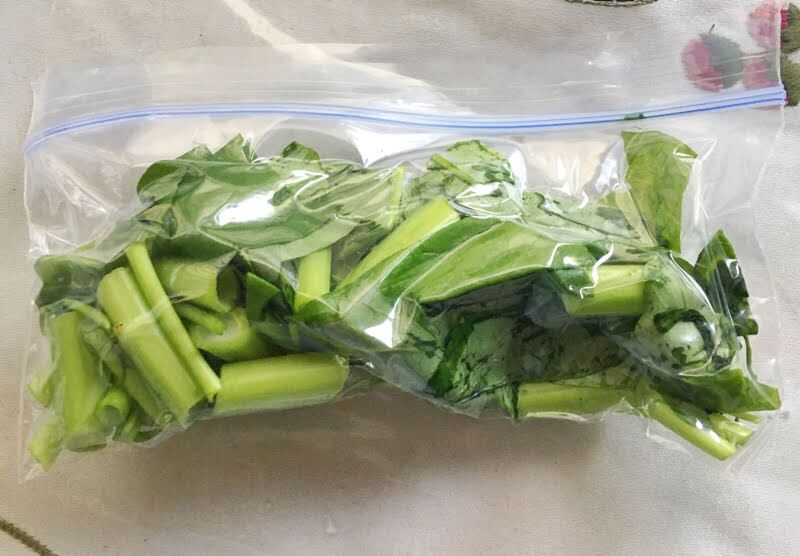
If you don’t have a vacuum sealer, you can still vacuum pack lettuce manually. Use a ziplock bag and slowly press out the air before sealing. Another trick is to submerge the bag in water, letting the pressure push the air out, then seal the bag just above the waterline.
Keep in mind that manual methods won’t remove all the air like electric sealers. However, they still reduce oxygen exposure enough to slow down wilting and browning.
Proper Sealing Tips
Always ensure the sealing area is clean and dry before sealing. Any moisture or debris can cause the seal to break, letting air back in. Also, avoid overfilling the bag; lettuce needs some space to avoid being crushed.
- Use fresh, dry lettuce for better results.
- Seal bags immediately after filling to minimize air exposure.
- Store vacuum-packed lettuce in the coldest part of your fridge.
Have you noticed how even tiny holes can ruin vacuum-packed lettuce? A quick check after sealing can save you from spoiled greens later. What sealing techniques have worked best for your leafy veggies?
Storage Conditions After Vacuum Packing
Proper storage after vacuum packing lettuce is crucial to keep it fresh. The right conditions help preserve the texture and prevent spoilage. Without good storage, vacuum packing may not extend the lettuce’s shelf life effectively.
Ideal Temperature Settings
Keep vacuum-packed lettuce in the refrigerator at 32°F to 36°F (0°C to 2°C). This temperature range slows down bacterial growth. Avoid freezing lettuce as it damages leaves and causes sogginess. Use a dedicated vegetable drawer for consistent coolness.
Avoiding Moisture Buildup
Moisture inside the vacuum bag can cause lettuce to spoil faster. Pat dry the lettuce leaves before packing to reduce water content. Use paper towels inside the bag to absorb any excess moisture. Store the bag away from wet or damp areas in the fridge.
Common Issues And Solutions
Vacuum packing lettuce can be a game-changer for keeping it fresh longer, but it comes with a few challenges. Understanding common issues and how to solve them helps you get the best results. Let’s dive into some practical tips that can make vacuum packing your lettuce hassle-free.
Preventing Lettuce Wilting
Wilting is one of the biggest problems when vacuum packing lettuce. The lack of air can cause the leaves to lose their crispness quickly.
To prevent wilting, make sure your lettuce is completely dry before packing. Excess moisture speeds up decay and softening. Use a salad spinner or pat the leaves dry with a clean towel.
Also, consider placing a paper towel inside the vacuum bag to absorb any leftover moisture. This simple trick can keep your lettuce fresher for days.
Dealing With Condensation
Condensation inside vacuum bags can be frustrating. It appears as tiny water droplets that promote mold and spoilage.
Try chilling your lettuce before packing it. Cold lettuce reduces the chances of condensation forming inside the bag. Also, avoid vacuum sealing warm or freshly washed leaves.
If you notice condensation after sealing, open the bag to let the moisture evaporate, then reseal it. This step can save your lettuce from going bad prematurely.
Signs Of Spoilage
How can you tell if vacuum-packed lettuce has gone bad? Look for changes in texture, color, and smell.
- Texture:Slimy or mushy leaves indicate spoilage.
- Color:Brown or yellow spots are warning signs.
- Smell:A sour or off odor means it’s time to toss it out.
Regularly check your vacuum-packed lettuce, especially if you keep it for more than a week. Catching spoilage early helps avoid food waste and keeps your meals fresh.
Comparing Vacuum Packing With Other Methods
Vacuum packing is a popular way to keep lettuce fresh longer. Comparing it with other storage methods helps to find the best option. Each method affects lettuce’s freshness, texture, and shelf life differently. Understanding these differences guides better food storage choices.
Plastic Wrap Vs. Vacuum Seal
Plastic wrap is common for storing lettuce quickly. It traps some moisture but lets air in. This can cause lettuce to wilt faster. Vacuum sealing removes air completely. This slows down spoilage and keeps lettuce crisp longer. Vacuum sealing also reduces freezer burn if freezing lettuce.
Refrigeration Alone
Refrigeration is essential for keeping lettuce cool. It slows down decay but does not stop it. Lettuce stored without wrapping dries out or becomes soggy. Wrapping or vacuum sealing inside the fridge improves freshness. Cold temperatures plus air removal make a big difference.
Using Modified Atmosphere Packaging
Modified atmosphere packaging (MAP) changes the gas mix around lettuce. It lowers oxygen and increases carbon dioxide. This slows down the respiration of lettuce leaves. MAP extends freshness similar to vacuum sealing but needs special equipment. It is used by commercial producers for longer shelf life.
Tips For Using Vacuum Packed Lettuce
Vacuum packed lettuce stays fresh longer than regular storage. Using it right keeps its crisp texture and flavor. Simple tips help you make the most of vacuum packed lettuce in your kitchen.
Best Practices For Thawing
Thaw vacuum packed lettuce slowly in the fridge. This keeps leaves fresh and prevents sogginess. Avoid thawing at room temperature to stop wilting. Use lettuce soon after thawing for best taste and texture.
Incorporating Into Meals
Use vacuum packed lettuce in salads, sandwiches, and wraps. Tear leaves gently to keep their crunch. Add dressing just before serving to avoid soggy greens. It works well in smoothies too for a fresh boost.

Credit: www.ebay.com
Frequently Asked Questions
Can You Vacuum Pack Fresh Lettuce Safely?
Yes, you can vacuum pack fresh lettuce, but it’s best to wash and dry it thoroughly first. Vacuum sealing removes air, slowing spoilage but can bruise delicate leaves if packed tightly.
Does Vacuum Packing Extend Lettuce Shelf Life?
Vacuum packing lettuce extends shelf life by reducing exposure to oxygen. This slows down browning and wilting, keeping lettuce fresh for about 1-2 weeks longer than usual.
Should Lettuce Be Washed Before Vacuum Packing?
Always wash lettuce before vacuum packing to remove dirt and bacteria. Dry it completely to prevent excess moisture, which can cause spoilage inside the vacuum bag.
Can Vacuum Packing Cause Lettuce To Spoil Faster?
Vacuum packing can cause lettuce to spoil faster if packed wet or damaged. Excess moisture and bruised leaves promote bacterial growth, so drying and gentle handling are essential.
Conclusion
Vacuum packing lettuce can help keep it fresh longer. It removes air that causes spoilage. But lettuce is delicate and may get crushed. Use gentle vacuum settings for best results. Store packed lettuce in the fridge right away. Check it often to avoid slimy leaves.
This method works well for leafy greens. It can save money and reduce waste. Try it out and see how it fits your kitchen. Keep lettuce crisp and ready for your meals. Simple steps make a big difference in freshness.