
Have you ever opened your fridge to find your lettuce wilted and lifeless? It’s a common frustration that leaves you wondering how to keep your greens fresh for longer.
What if there was a simple method to preserve the crispness of your lettuce and extend its shelf life? Enter vacuum sealing. You might be asking yourself, “Can you vacuum seal lettuce? ” The answer could transform the way you store your greens and save you money.
We’ll explore the ins and outs of vacuum sealing lettuce, revealing the secrets to fresher salads and reducing food waste. Stay with us to uncover how this technique can revolutionize your kitchen routine and keep your veggies fresher, longer.
Benefits Of Vacuum Sealing Lettuce
Vacuum sealing lettuce offers several clear advantages. It helps keep lettuce fresh longer and maintains its quality. This method also saves money by reducing waste. Below are the main benefits of vacuum sealing lettuce.
Extending Shelf Life
Vacuum sealing removes air around the lettuce. This slows down the decay process caused by oxygen and moisture. Lettuce stays crisp and fresh much longer. Without air, bacteria and mold growth reduce significantly. This means fewer trips to the store and less spoilage.
Preserving Nutritional Value
Vacuum sealing protects lettuce from exposure to light and air. These elements cause vitamins to break down quickly. The sealed environment keeps nutrients like vitamin C and folate intact. Fresh, nutrient-rich lettuce adds more health benefits to your meals.
Reducing Food Waste
Vacuum-sealed lettuce lasts longer, so you can use it all. There is less chance of throwing away spoiled leaves. This helps save money and reduces environmental impact. Using vacuum sealing helps make better use of your groceries.

Credit: www.heatherdisarro.com
Best Lettuce Types For Vacuum Sealing
Choosing the right type of lettuce for vacuum sealing can make a big difference in how fresh and crisp it stays. Some lettuces handle the process better than others, maintaining texture and flavor after being sealed. Understanding which varieties work best helps you get the most out of your vacuum sealer and reduce food waste.
Crisphead Varieties
Crisphead lettuces, like Iceberg, are excellent candidates for vacuum sealing. Their tight, dense heads keep moisture locked in, preventing wilting during storage. I found that vacuum sealing Iceberg lettuce extends its crunchiness far beyond the usual shelf life.
These lettuces resist bruising and hold up well under pressure, making them ideal if you want fresh, crunchy leaves for salads. Do you prefer a crunchier bite in your greens? Crisphead might be your best choice.
Leafy Greens
Leafy greens such as green leaf or red leaf lettuce can be vacuum sealed, but they require extra care. Their loose, fragile leaves bruise easily, which can lead to faster spoilage if sealed improperly. Wrapping the leaves gently in paper towels before sealing helps absorb excess moisture and keeps them fresh.
These types are perfect if you want softer, more tender leaves but don’t mind checking on them regularly. Have you ever noticed how delicate your salad greens get in the fridge? Vacuum sealing leafy greens with care can slow that down.
Romaine And Butterhead
Romaine and Butterhead lettuces strike a nice balance between crisphead and leafy greens. Their sturdy ribs and tender leaves respond well to vacuum sealing when prepped correctly. I recommend trimming the ends and drying the leaves thoroughly to avoid sogginess after sealing.
These lettuces often stay fresh longer than leafy greens but need more attention than crisphead types. Are you looking for lettuce that keeps well and still tastes fresh? Romaine and Butterhead offer great options for vacuum sealing enthusiasts.
Preparing Lettuce For Vacuum Sealing
Preparing lettuce for vacuum sealing ensures it stays fresh longer. Proper preparation reduces moisture and prevents spoilage. Clean and dry lettuce seals better and retains its crispness. Follow these simple steps to get your lettuce ready for vacuum sealing.
Washing And Drying Techniques
Rinse lettuce leaves under cold running water. Remove dirt and small insects carefully. Use a salad spinner to dry leaves thoroughly. Pat leaves gently with a clean towel if no spinner is available. Dry lettuce prevents moisture buildup inside the vacuum bag.
Trimming And Portioning
Cut off damaged or wilted outer leaves. Trim lettuce into smaller, manageable pieces. Portion sizes depend on your typical usage. Smaller portions save space and make thawing easier. Keep pieces uniform for even sealing.
Avoiding Moisture Traps
Place paper towels inside the vacuum bag with lettuce. Paper towels absorb extra moisture during sealing. Do not overcrowd the bag; leave space for air removal. Avoid sealing wet lettuce to prevent sogginess. Proper moisture control keeps lettuce fresh longer.
Vacuum Sealing Process Tips
Vacuum sealing lettuce can keep it fresh longer and reduce waste. To get the best results, follow some key tips during the sealing process. Proper technique helps maintain crispness and color, making your lettuce last in the fridge.
Choosing The Right Vacuum Sealer
Select a vacuum sealer that works well with leafy vegetables. Chamber sealers offer gentle suction, which prevents crushing delicate lettuce leaves. External sealers are common and affordable but use caution to avoid damaging the lettuce. Check for adjustable suction settings to protect the leaves.
Bag Selection And Preparation
Use vacuum sealer bags designed for vegetables. These bags allow air removal while protecting from moisture loss. Cut bags to fit the amount of lettuce without excess space. Wash and dry lettuce thoroughly before sealing to avoid moisture buildup inside the bag.
Sealing Steps For Optimal Freshness
- Place lettuce in the bag without overcrowding.
- Flatten the leaves gently to remove air pockets.
- Leave enough space at the top for sealing.
- Seal the bag using the vacuum sealer’s recommended setting.
- Check the seal for any leaks or weak spots.
- Store sealed lettuce in the refrigerator immediately.
Storing Vacuum Sealed Lettuce
Storing vacuum sealed lettuce can significantly extend its freshness, but it requires careful handling to maintain crispness and flavor. Unlike other vegetables, lettuce is delicate and prone to moisture buildup, which can lead to spoilage. Understanding how to properly store vacuum sealed lettuce helps you enjoy its crunch longer and reduce food waste.
Refrigeration Guidelines
Keep your vacuum sealed lettuce in the coldest part of your fridge, ideally between 32°F and 36°F (0°C to 2°C). Avoid placing it near the fridge door where temperature fluctuates frequently. Always check the seal for any leaks or air pockets, as these can let in moisture and cause the lettuce to spoil faster.
One tip I’ve learned is to place a paper towel inside the vacuum bag before sealing. It absorbs extra moisture and keeps the lettuce crisp for several more days. Have you tried this trick before?
Freezing Considerations
Freezing lettuce is tricky because its high water content can make it mushy once thawed. If you want to freeze vacuum sealed lettuce, it’s best used for cooked dishes rather than salads. Blanching the leaves briefly before freezing can help preserve texture and color.
Vacuum sealing before freezing minimizes freezer burn, but remember that fresh crunch will be lost. Think about how you plan to use the lettuce after freezing—does your recipe need it fresh, or will it be cooked down?
Signs Of Spoilage
Even vacuum sealed lettuce can go bad, so watch for these signs:
- Discoloration: Leaves turning brown or yellow
- Sliminess: A slippery texture on the leaves
- Unpleasant odor: Sour or rotten smell when opened
If you notice any of these, it’s best to discard the lettuce immediately. Have you ever opened a vacuum sealed bag and been surprised by what you found inside? Staying alert can save you from unpleasant meals and potential health risks.
Common Mistakes To Avoid
Vacuum sealing lettuce can extend its freshness, but many people stumble over common mistakes that ruin their efforts. Avoiding these pitfalls can save you time, money, and frustration. Let’s look at some key errors to steer clear of when vacuum sealing your leafy greens.
Sealing Wet Lettuce
One major mistake is sealing lettuce that’s still wet. Moisture inside the bag creates a perfect environment for mold and spoilage.
Before sealing, always dry your lettuce thoroughly. Use a salad spinner or pat leaves gently with a paper towel to remove excess water.
If you seal wet lettuce, have you noticed how quickly it turns slimy? That’s a clear sign moisture is sabotaging your storage.
Overpacking Bags
Packing too much lettuce into one bag is another frequent error. Overstuffed bags prevent proper vacuum sealing and can crush the leaves, damaging their texture.
Leave enough space so the vacuum can remove air efficiently and the lettuce stays intact. Think about how you’d pack your lunch—crammed sandwiches don’t taste good, right?
Try smaller portions per bag to keep your lettuce crisp and fresh longer. Have you ever opened a bag that looked crushed and soggy? Overpacking is often to blame.
Ignoring Temperature Control
Vacuum sealing doesn’t stop lettuce from wilting if temperature isn’t controlled. Even a perfectly sealed bag won’t keep lettuce fresh if it’s left at room temperature.
Store sealed lettuce in the fridge immediately. Cold slows down enzyme activity and microbial growth that spoil the leaves.
Ask yourself: Do you keep your vacuum-sealed lettuce cold right away? If not, you might be wasting your efforts.
Alternative Methods To Keep Lettuce Fresh
Keeping lettuce fresh can be tricky without vacuum sealing, but there are simple alternatives that work well. These methods help maintain crispness and slow down wilting, so your greens stay tasty longer. Let’s look at some easy ways you can try at home.
Using Paper Towels
Placing paper towels around your lettuce absorbs excess moisture, which helps prevent sogginess. Wrap the leaves loosely in a dry paper towel before storing them in a plastic bag or container. You might be surprised how much longer your lettuce stays crisp with this small step.
Don’t forget to check the paper towels every couple of days and replace them if they get too damp. This simple trick keeps your lettuce fresh without needing special equipment.
Storing In Airtight Containers
Using airtight containers limits exposure to air, which slows down the lettuce’s natural wilting process. Choose containers that are just the right size to avoid crushing the leaves but still seal tightly.
Try layering your lettuce with a paper towel inside the container to soak up moisture. This combo can extend freshness better than leaving lettuce in the bag it came in.
Hydration Techniques
Sometimes lettuce wilts because it needs a little water. Placing the lettuce stems in a small cup of water inside the fridge can rehydrate the leaves. Change the water every day to keep it fresh.
You can also mist the leaves lightly with water before storing to maintain moisture without making them soggy. Have you ever noticed how a quick spritz can bring limp lettuce back to life?

Credit: www.amazon.com
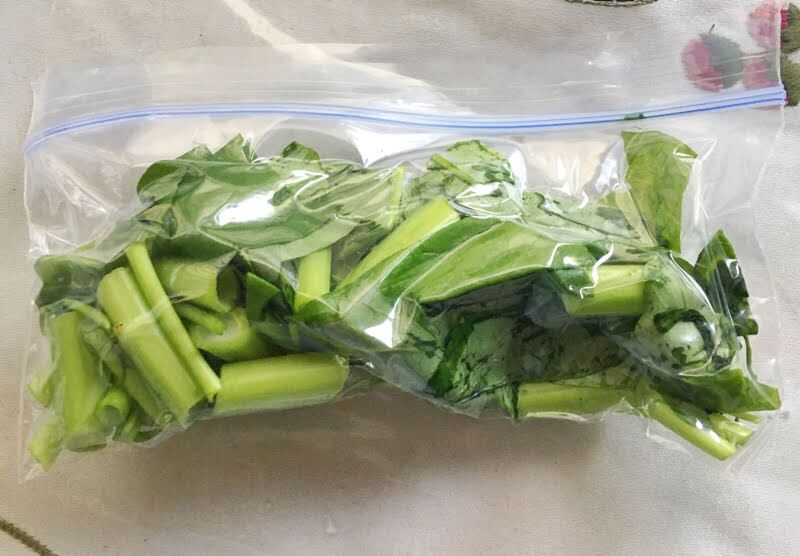
Credit: www.makergardener.com
Frequently Asked Questions
Can You Vacuum Seal Fresh Lettuce?
Yes, you can vacuum seal fresh lettuce, but it must be dry and crisp. Moisture can cause spoilage. Use a paper towel to absorb excess moisture before sealing.
Does Vacuum Sealing Keep Lettuce Fresh Longer?
Vacuum sealing slows down spoilage by reducing air exposure. It can extend lettuce freshness by up to 1-2 weeks compared to traditional storage.
Should Lettuce Be Washed Before Vacuum Sealing?
It’s best to wash lettuce first, then dry it thoroughly. Excess water can promote mold and spoilage inside the vacuum bag.
Can Vacuum Sealing Cause Lettuce To Become Soggy?
Vacuum sealing can sometimes crush delicate leaves, making lettuce soggy. Use gentle settings or seal in smaller portions to avoid damage.
Conclusion
Vacuum sealing lettuce can help keep it fresh longer. It removes air that causes wilting and spoilage. Yet, lettuce needs care before sealing, like drying and cutting. Use a gentle vacuum setting to avoid crushing leaves. Store sealed lettuce in the fridge for best results.
This method saves money and reduces food waste. Try vacuum sealing to enjoy crisp lettuce every time. Simple steps make a big difference in freshness. Give it a shot and see how long your lettuce lasts.