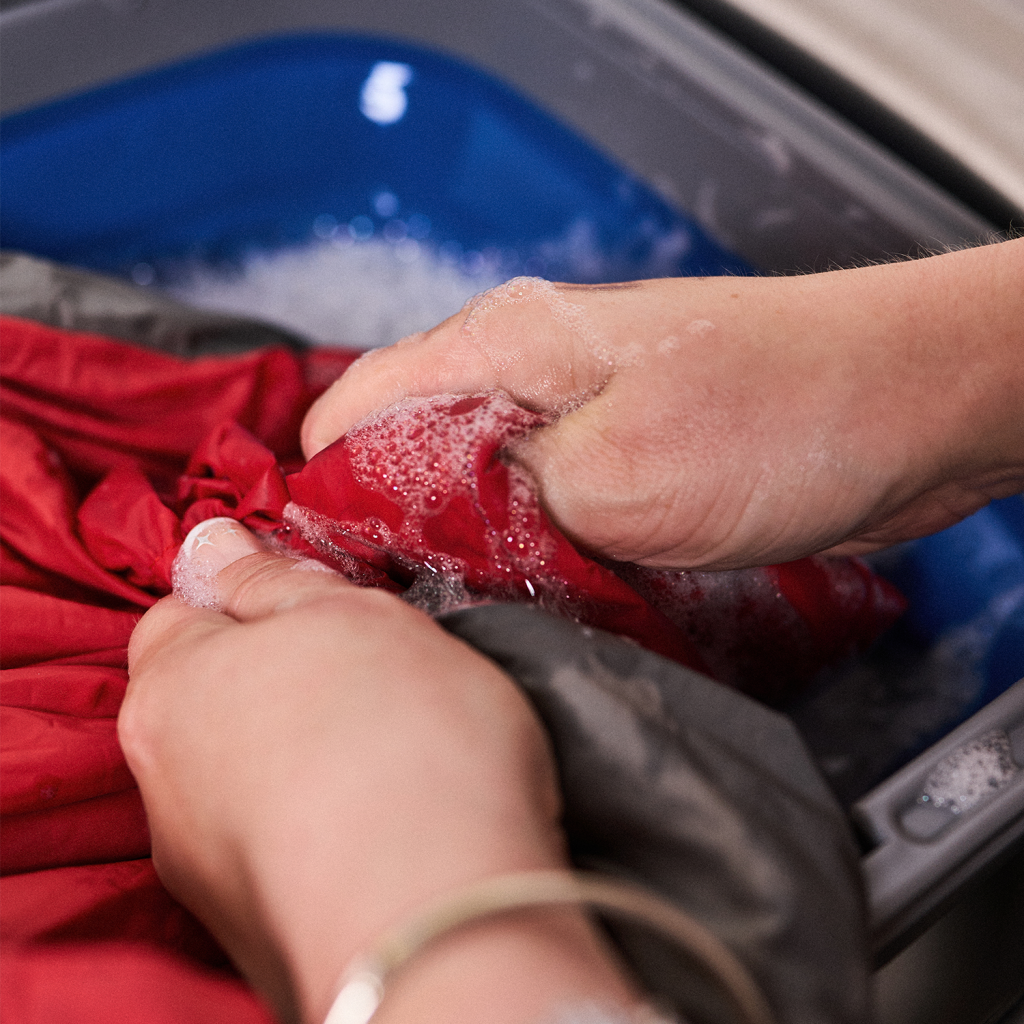
Have you ever wondered if you can simply toss your sleeping bag into the washing machine and call it clean? Keeping your sleeping bag fresh and odor-free is important, especially after a camping trip or a long night under the stars.
But washing it the wrong way can damage its insulation or fabric, leaving you with a less cozy sleep. You’ll discover the safe and effective way to wash your sleeping bag in the washer, so it stays soft, warm, and ready for your next adventure.
Keep reading—you don’t want to miss these must-know tips!
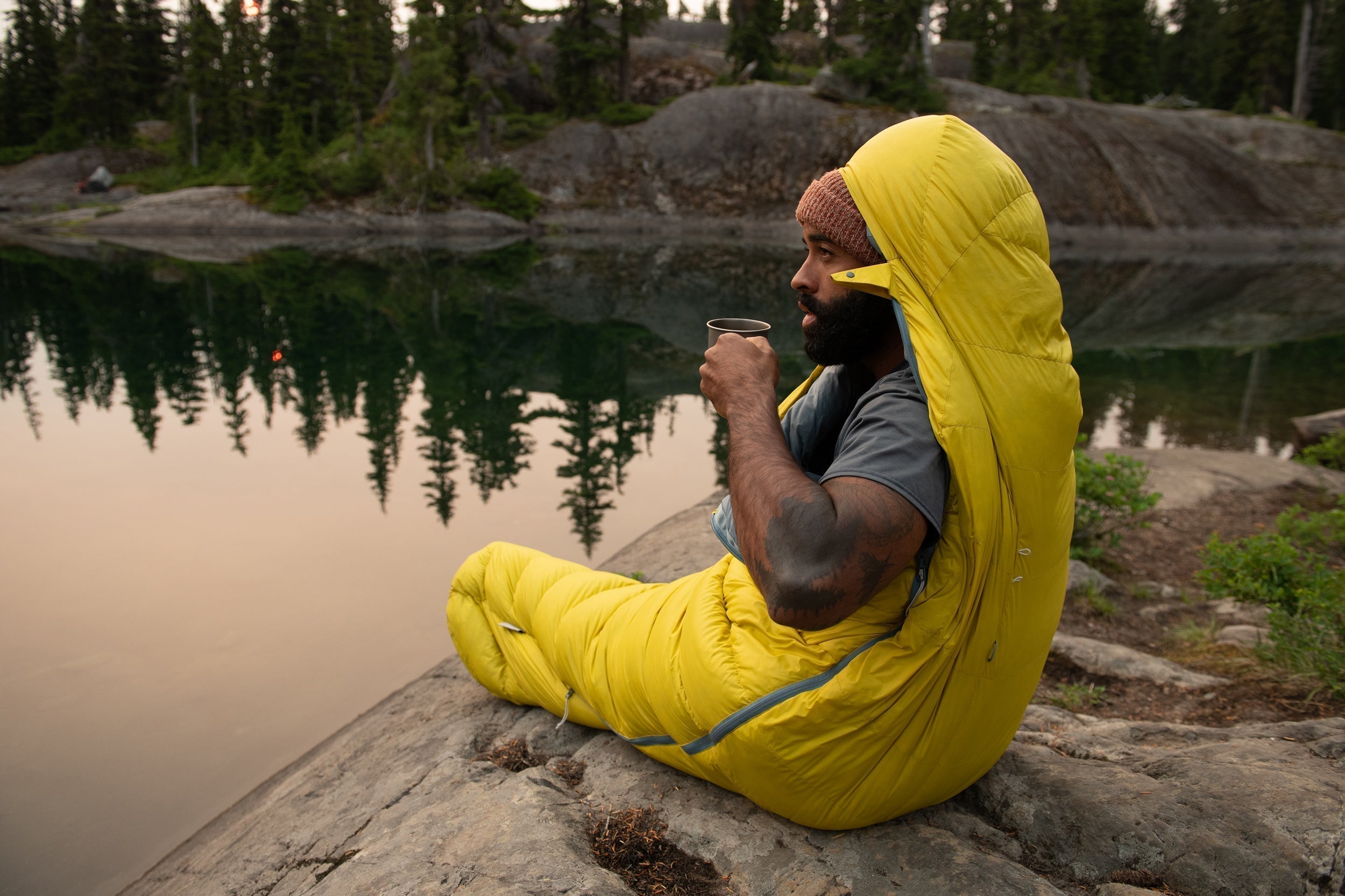
Credit: cascadedesigns.com
Washer Safety For Sleeping Bags
Washing a sleeping bag in a machine can save time and effort. It is important to use the right washer to keep the bag safe. Using the wrong type can damage both the bag and the washer.
Knowing which washers work best helps you clean your sleeping bag without problems. You also need to consider the size and how to avoid damage during the wash.
Types Of Washers Suitable
Front-loading washers are the safest choice for sleeping bags. They use less water and spin gently. Top-loading washers with agitators can be rough and tear the fabric.
- Front-loading washers
- Top-loading washers without agitators
- Large commercial washers
Machine Size And Capacity
Choose a washer that fits your sleeping bag well. A small machine may not clean the bag properly. An oversized washer can cause the bag to move too much.
| Washer Size | Recommended Bag Size |
| Small (3-4 cu ft) | Small to medium sleeping bags |
| Medium (4.5-5 cu ft) | Medium to large sleeping bags |
| Large (5.5+ cu ft) | Extra-large or double sleeping bags |
Avoiding Damage To Bag And Washer
Protect the sleeping bag and washer by following these tips. Use gentle cycles and cold water to keep the material strong. Avoid adding heavy items with the bag.
- Use a gentle or delicate cycle
- Wash with cold water only
- Do not overload the washer
- Use mild detergent without bleach
- Check the bag for tears before washing
Preparing Your Sleeping Bag
Washing a sleeping bag in a washer needs good preparation. This helps keep the bag safe and clean.
Before washing, you should check labels, remove dirt, and get zippers ready.
Checking Care Labels
Look at the care label on your sleeping bag. It tells you if the bag can be machine washed.
Some bags need special cleaning or only hand washing. Follow the label’s instructions to avoid damage.
Removing Dirt And Debris
Remove dirt and debris before washing. This helps the bag get cleaner and protects the washer.
- Shake the sleeping bag outside to remove loose dirt.
- Use a soft brush to clean off mud or dried stains.
- Check pockets and corners for small stones or leaves.
- Spot clean tough stains with mild soap and water.
Unzipping And Securing Straps
Before washing, unzip the sleeping bag fully. This stops the zipper from catching fabric or the washer.
| Task | Reason |
| Unzip sleeping bag | Prevents damage to fabric and zipper |
| Secure any straps or Velcro | Keeps them from snagging or tangling |
| Close inner pockets | Stops small items from falling out |
Choosing The Right Detergent
Washing a sleeping bag in the washer needs careful detergent choice. The wrong detergent can harm the fabric and fill.
Choosing a gentle detergent helps keep your sleeping bag clean and safe. It also keeps it warm and fluffy.
Detergents To Avoid
Avoid detergents with harsh chemicals. They can damage the sleeping bag’s fabric and filling.
- Bleach or products with chlorine
- Fabric softeners
- Detergents with enzymes
- Powder detergents that may not dissolve fully
These detergents remove natural oils and cause the bag to lose insulation and water resistance.
Recommended Cleaners
Use detergents made for delicate outdoor gear. These cleaners protect fabric and filling.
- Specialty cleaners for down or synthetic sleeping bags
- Mild liquid detergents without additives
- Soap flakes or gentle soap bars diluted in water
These cleaners keep your sleeping bag soft and maintain its warmth and water resistance.
How Much Detergent To Use
Use only a small amount of detergent. Too much soap can leave residue inside your sleeping bag.
- Follow instructions on the detergent label
- Use less detergent than for regular clothes
- Rinse the bag twice to remove all soap
Using the right amount helps keep your sleeping bag clean without damage or stiffness.
Washing Settings To Use
Washing a sleeping bag in the washer needs careful settings. Choosing the right settings keeps your bag safe and clean.
Use gentle washing settings to avoid damage and keep the insulation effective. Here are tips on water temperature, cycle type, and spin speed.
Water Temperature Tips
Cold or warm water works best for washing sleeping bags. Hot water can harm the fabric and filling. Use water below 30°C (86°F) to keep your bag safe.
Cold water saves energy and prevents shrinking. Warm water helps remove dirt but should be used carefully.
Cycle Type Selection
Choose a gentle or delicate cycle to protect the sleeping bag. This cycle uses slow agitation to avoid tearing and damage.
- Delicate cycle reduces stress on fabric
- Hand wash cycle is safest for down sleeping bags
- Avoid heavy or normal cycles to prevent filling clumping
Spin Speed Considerations
Use a low spin speed to avoid damage and keep the filling evenly spread. High speed may cause lumps or tears.
| Spin Speed | Effect on Sleeping Bag |
|---|---|
| Low (400-600 RPM) | Safe, preserves shape and filling |
| Medium (700-900 RPM) | May cause minor damage or clumping |
| High (1000+ RPM) | Risk of tearing and filling damage |
Drying Your Sleeping Bag
After washing your sleeping bag, drying it correctly is very important. Proper drying keeps the bag soft and clean. It also stops damage and bad smells.
This guide explains how to dry your sleeping bag safely. Follow these tips to keep your gear in good shape.
Tumble Drying Guidelines
You can use a dryer to dry your sleeping bag, but you must be careful. Use low heat to avoid melting or weakening the insulation.
- Set your dryer to the lowest heat or air fluff setting.
- Add clean tennis balls or dryer balls to keep the filling loose.
- Check the bag every 30 minutes and shake it to prevent clumps.
- Dry the bag completely before storing it to stop mold growth.
Air Drying Methods
Air drying is gentle and safe for all sleeping bags. Hang your bag in a dry, shaded spot with good airflow.
- Use a wide hanger or lay the bag flat on a clean surface.
- Turn the bag over often to help it dry evenly.
- Keep the bag away from direct sunlight to protect fabric colors.
- Allow plenty of time for the bag to dry fully before use or storage.
Preventing Clumping And Mold
Clumping and mold ruin sleeping bags. Keep your bag fresh by following these rules.
| Tip | Reason |
|---|---|
| Shake and fluff your bag during drying | Stops insulation from clumping |
| Dry completely before storing | Prevents mold and bad smells |
| Store your bag loose in a breathable sack | Allows airflow and keeps filling soft |
| Keep it in a dry place | Reduces moisture build-up |

Credit: www.halfwayanywhere.com
When To Avoid Machine Washing
Not all sleeping bags can be safely washed in a machine. Some need special care to avoid damage. Knowing when to avoid machine washing helps keep your bag in good shape.
Choosing the right cleaning method depends on the bag’s material and insulation. Machine washing can harm certain types of sleeping bags.
Delicate Materials
Sleeping bags made from delicate materials need gentle cleaning. Machine washing may tear or wear out the fabric quickly. These materials include silk, some nylons, and waterproof coatings.
- Silk or satin linings
- Thin nylon shells with fragile coatings
- Bags with sewn-in down insulation
- Specialty fabrics like Gore-Tex
Heavily Insulated Bags
Sleeping bags with thick insulation, especially down, can lose loft if machine washed. The agitation can clump the fill and reduce warmth. Drying takes longer and may not restore fluffiness.
| Insulation Type | Machine Wash Risk | Care Advice |
| Down | High | Hand wash or use front-load washer on gentle cycle |
| Synthetic | Moderate | Check label, some tolerate machine washing on low settings |
| Mixed Fill | High | Prefer professional cleaning |
Professional Cleaning Alternatives
Some sleeping bags need professional cleaning to stay safe and effective. Professionals use special machines and detergents to avoid damage. This option suits bags with delicate materials or heavy insulation.
Benefits of professional cleaning:
- Expert handling of delicate fabrics
- Proper washing and drying techniques
- Extended lifespan of your sleeping bag
- Better restoration of insulation loft
Maintaining Your Sleeping Bag
Taking care of your sleeping bag helps it last longer and stay comfortable. Proper cleaning, storing, and repairing keep it in good shape for many trips.
Knowing how to wash a sleeping bag safely in a washer can protect its insulation and fabric. Regular maintenance keeps your bag ready for outdoor adventures.
Regular Cleaning Frequency
Clean your sleeping bag only when it is dirty or smells bad. Washing it too often can damage the materials and reduce warmth.
Spot clean small stains with a damp cloth. Full washing is best after several uses, depending on conditions.
- Wash after 3-4 camping trips or if very dirty
- Avoid frequent washing to keep insulation intact
- Use gentle detergent made for outdoor gear
Storage Tips
Store your sleeping bag loosely to keep its loft and warmth. Avoid compressing it for long periods.
Keep your bag dry and away from sunlight to prevent damage. Use a large breathable storage sack or hang it in a closet.
- Store in a big cotton or mesh sack, not a tight stuff sack
- Keep in a cool, dry place away from direct sunlight
- Air out your bag before storing to remove moisture
Repairs And Longevity
Fix small tears and holes as soon as you notice them. This prevents bigger damage and heat loss.
Use repair patches or sewing kits made for sleeping bags. Regular care helps your bag last many years.
- Check for rips after each trip
- Patch holes quickly with fabric repair kits
- Keep zippers clean and working smoothly

Credit: www.familyhandyman.com
Frequently Asked Questions
Can You Put A Sleeping Bag In The Washer?
Yes, you can wash most sleeping bags in a washer. Check the care label first. Use a front-loading machine for best results. A gentle cycle with cold water is recommended. Avoid harsh detergents to maintain fabric quality.
What Detergent Should I Use For Washing?
Use a mild, non-detergent soap specifically designed for outdoor gear. Avoid regular detergents as they can damage the insulation. Specialized soaps help maintain the bag’s loft and water resistance. Always read the manufacturer’s instructions for the best results.
How Often Should You Wash A Sleeping Bag?
Wash your sleeping bag once a season if used regularly. Frequent washing can damage the materials and insulation. Spot clean any stains between washes. Proper airing after each use reduces the need for washing.
Can Washing Damage The Sleeping Bag’s Insulation?
Improper washing can damage insulation. Use a gentle cycle and mild soap to preserve its loft. Avoid high heat when drying. It’s best to air dry or use a low-heat setting in the dryer.
Conclusion
Washing a sleeping bag in the washer can work well. Choose a gentle cycle and mild detergent. Use cold water to protect the fabric and fill the washer enough to let the bag move freely. Dry it slowly, preferably air dry or on low heat in a dryer.
This keeps the bag fluffy and clean. Taking these simple steps keeps your sleeping bag fresh for many adventures. Clean gear means better comfort and longer use. So, with care, washing in the machine is safe and easy.