Have you ever wondered if you can wash your climbing shoes without ruining them? If your shoes smell bad or feel sticky after a tough climb, you’re not alone.
You want to keep your gear fresh and comfortable, but you might worry about damaging the delicate materials. You’ll discover the best ways to clean your climbing shoes safely. By the end, you’ll know exactly how to care for your shoes so they last longer and feel great every time you hit the wall.
Keep reading to find out the simple steps that can make a big difference for your climbing experience.
Why Clean Climbing Shoes Matter
Climbing shoes face dirt, sweat, and rough surfaces. Cleaning them keeps the shoes in good shape.
Proper care helps climbers climb better and stay comfortable during climbs.
Impact On Performance
Dirty shoes lose grip and feel stiff. Cleaning keeps the rubber sticky and flexible.
- Removes dust and dirt that reduce traction
- Keeps shoe material soft and stretchy
- Prevents damage from salt and sweat build-up
- Helps maintain the shoe’s fit and comfort
Preventing Odor And Bacteria
Climbing shoes trap sweat and dirt inside. This causes bad smells and bacteria growth.
| Problem | Effect |
| Odor | Makes shoes unpleasant to wear |
| Bacteria | Can cause skin irritation or infections |
| Moisture | Breaks down shoe materials faster |
Credit: www.climbinganchors.com.au
When To Wash Climbing Shoes
Climbing shoes get dirty from sweat, dirt, and chalk. Cleaning them keeps them fresh and lasts longer.
Knowing when to wash your shoes helps keep their grip and comfort. Washing too often can harm them.
Signs Your Shoes Need Cleaning
Your climbing shoes show certain signs when they need a wash. These signs help you know the right time.
- Strong bad smell that does not go away
- Visible dirt or chalk buildup on the inside or outside
- Sticky or greasy feeling on the rubber sole
- Discoloration or stains on the shoe fabric
- Loss of grip or slippery sole surface
Frequency Recommendations
How often you wash climbing shoes depends on use and conditions. Clean them only when needed.
If you climb often, wash every few months. For casual climbers, wash once or twice a year is fine.
- Daily climbers: clean every 2 to 3 months
- Weekend climbers: clean every 4 to 6 months
- Occasional climbers: clean once a year or after heavy use
- Always air out shoes after climbing to reduce odor
Safe Cleaning Methods
Climbing shoes need regular cleaning to stay in good condition. Safe methods can extend their life.
Using proper techniques ensures your shoes remain effective on the rocks.
Hand Washing Techniques
Hand washing is the safest method for cleaning climbing shoes. It allows you to control the pressure and prevent damage.
- Fill a basin with lukewarm water
- Add a small amount of mild soap
- Gently scrub the shoes with a soft brush
- Rinse thoroughly with clean water
- Let them air dry away from direct sunlight
Using Mild Detergents
Mild detergents are essential to avoid harsh chemicals that can damage your shoes. They help in removing dirt while being gentle on materials.
| Detergent Type | Effectiveness |
| Natural soap | Good for light dirt |
| Baby shampoo | Effective for deeper cleaning |
| Specialty shoe cleaner | Best for stubborn stains |
Avoiding Machine Wash
Machine washing can ruin climbing shoes. The agitation and high temperatures may warp the shape and weaken the fabric.
Drying And Maintenance Tips
Climbing shoes need special care after use. Proper drying and maintenance help keep them comfortable.
Good habits extend the life of your shoes and keep them in shape.
Proper Drying Practices
After climbing, remove your shoes from your bag immediately. Let them air dry in a cool, shaded place. Avoid direct sunlight or heaters.
- Remove insoles to help air flow inside.
- Use newspaper to absorb moisture inside shoes.
- Do not use a dryer or hot air devices.
- Allow shoes to dry fully before wearing again.
Maintaining Shoe Shape
Keeping the shape of climbing shoes preserves fit and performance. Avoid squashing or folding them.
| Tip | Reason |
| Use shoe trees or stuff with paper | Prevents shoe from collapsing |
| Keep shoes laced loosely when not in use | Maintains the shape of the upper |
| Avoid stacking heavy items on shoes | Stops deformation |
Storage Suggestions
Store climbing shoes in a dry, well-ventilated area. Avoid damp places to stop mold and bad smells.
- Keep shoes away from direct sunlight.
- Use a breathable bag or mesh pouch.
- Do not store shoes in plastic bags.
- Place shoes on a shelf or in a shoe rack.
Dealing With Stubborn Odors
Climbing shoes often develop strong smells after use. Sweat and bacteria cause these odors. Cleaning them properly can help keep your shoes fresh.
Some odors are hard to remove with just washing. Using natural or commercial deodorizers can improve the smell inside your shoes.
Natural Deodorizers
Natural deodorizers use safe ingredients to fight shoe odors. They reduce bacteria and absorb moisture without harsh chemicals.
- Baking soda: Sprinkled inside shoes overnight to absorb smells.
- Activated charcoal: Placed in small bags to remove moisture and odors.
- Dry tea bags: Help to absorb bad smells when left in shoes for hours.
- White vinegar spray: Diluted and sprayed inside to kill bacteria.
- Lemon peels: Placed inside shoes for a fresh scent.
Commercial Products
Many commercial products target climbing shoe odors. They often combine antimicrobial agents and fresh scents.
| Product Type | Use | Benefits |
| Shoe sprays | Spray inside shoes | Kills bacteria, quick freshening |
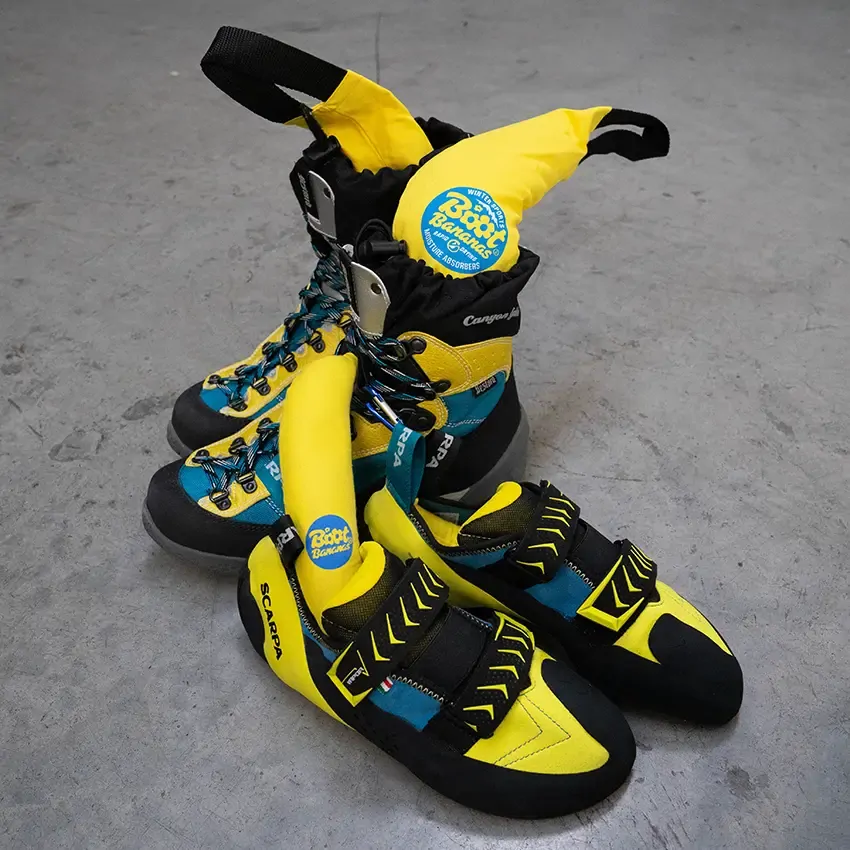
| Deodorizer balls | Placed inside shoes | Absorbs moisture and odor |
| Odor-fighting insoles | Insert in shoes | Provides long-lasting freshness |
| Antibacterial wipes | Wipe inside shoes | Removes dirt and bacteria |

Credit: www.reddit.com
Common Mistakes To Avoid
Washing climbing shoes seems easy but many make mistakes. These errors can damage your shoes and shorten their life.
Knowing what not to do helps keep your shoes in good shape. Avoid these common mistakes to protect your climbing gear.
Using Harsh Chemicals
Harsh chemicals can ruin the materials of your climbing shoes. They break down the glue and fabric, causing damage.
Instead of strong detergents or bleach, use mild soap or special shoe cleaners. This keeps the shoes safe and clean.
- Avoid bleach and strong detergents
- Do not use solvents or alcohol-based cleaners
- Choose mild soap or gentle shoe cleaner
Excessive Heat Exposure
Heat damages the rubber and glue in climbing shoes. Do not dry them near heaters, ovens, or in direct sunlight.
Let your shoes dry naturally at room temperature. This helps keep their shape and stickiness for better climbing.
- Do not use dryers or heaters
- Avoid direct sunlight for long periods
- Air dry shoes in a cool, shaded place
Expert Hacks For Fresh Climbing Shoes
Climbing shoes can get dirty and smelly after use. Keeping them fresh helps you climb better.
Washing climbing shoes needs care to avoid damage. Try these expert hacks to clean them safely.
Regular Spot Cleaning
Spot cleaning removes dirt and sweat without soaking the shoes. Use a soft cloth or brush.
Focus on dirty areas like the toe and sides. Clean after each use to prevent buildup.
- Use warm water and mild soap
- Gently scrub with a soft brush or cloth
- Wipe off soap with a damp cloth
- Air dry shoes away from direct heat
Using Shoe Inserts
Shoe inserts absorb sweat and reduce odor inside climbing shoes. They keep shoes fresh longer.
Replace inserts regularly and wash them if possible. This keeps the inside dry and clean.
- Choose inserts made for athletic shoes
- Remove inserts after climbing to air out shoes
- Wash or replace inserts every few weeks
- Use odor-fighting inserts to reduce smell
Credit: www.climbinganchors.com.au
Frequently Asked Questions
Can You Wash Climbing Shoes In A Washing Machine?
No, washing machines can damage climbing shoes. Hand washing with mild soap and cold water is safer. Avoid soaking or harsh chemicals to protect shoe materials and shape.
How Often Should You Clean Climbing Shoes?
Clean climbing shoes after every few uses or when they smell bad. Regular cleaning prevents odor, bacteria, and extends shoe life. Wipe dirt off after each use for best care.
What Is The Best Way To Dry Climbing Shoes?
Air dry climbing shoes naturally at room temperature. Avoid direct sunlight, heaters, or dryers as heat can deform the shoes. Stuffing shoes with newspaper helps absorb moisture faster.
Can Water Damage Climbing Shoe Materials?
Excessive water or soaking can weaken adhesives and materials. Use minimal water during cleaning to avoid damage. Proper drying after cleaning prevents mold and material breakdown.
Conclusion
Washing climbing shoes keeps them fresh and lasting longer. Use gentle cleaning methods to avoid damage. Avoid machine washing or harsh chemicals. Let shoes air dry naturally, away from heat. Clean shoes help maintain grip and comfort. Regular care makes climbing safer and more fun.
Simple steps protect your gear well. Take time to clean shoes after climbs. Your feet will thank you for it. Clean shoes mean better climbs every time.