Have you ever wondered how something as simple as a car rear view mirror can make your driving safer and easier? Whether you’re changing lanes, reversing, or just keeping an eye on traffic behind you, this small mirror plays a big role in your daily drive.
Understanding how your rear view mirror works—and how to use it effectively—can help you avoid accidents and feel more confident on the road. Keep reading to discover tips and insights that will change the way you see your mirror and boost your driving skills.

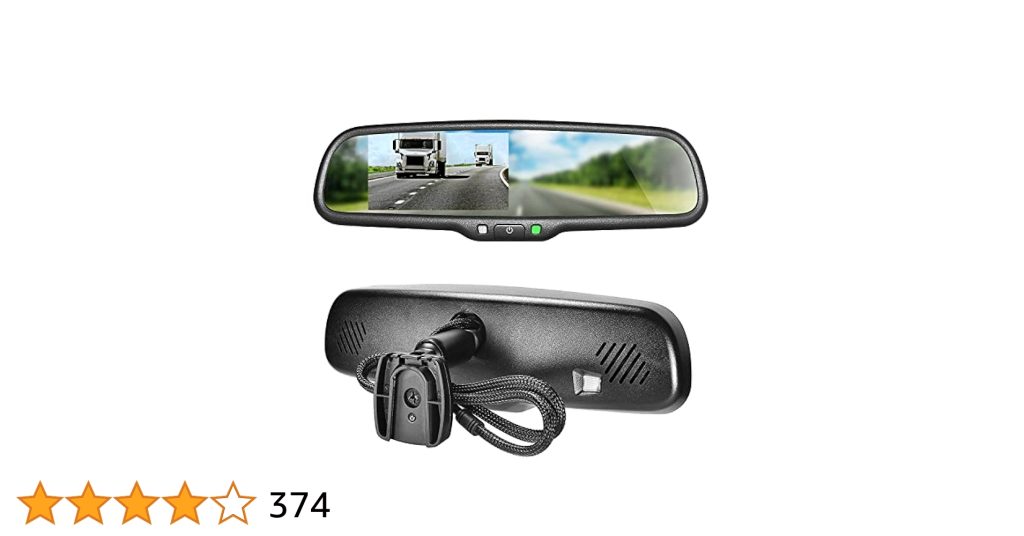
Credit: www.amazon.ca
Types Of Rear View Mirrors
Rear view mirrors come in different types, each designed to improve driver safety and comfort. Choosing the right mirror depends on your needs and driving conditions. Some mirrors help reduce glare, while others offer wider views or extra technology features.
Manual Vs. Auto-dimming Mirrors
Manual mirrors require you to adjust them by hand to reduce glare. You flip a small tab to change the angle and block bright lights. Auto-dimming mirrors use sensors to detect light from behind. They darken automatically to protect your eyes from headlights. Auto-dimming mirrors provide better comfort on night drives.
Wide-angle And Convex Mirrors
Wide-angle mirrors show a larger area behind the car. Convex mirrors curve outward, giving a panoramic view. These mirrors help reduce blind spots and improve safety. They make it easier to see vehicles in adjacent lanes. However, objects may appear smaller and farther away.
Integrated Technology Mirrors
Some mirrors come with built-in tech features. These include backup cameras, temperature displays, and compass readings. Integrated mirrors improve convenience and provide extra information. They often connect to other car systems for better control. This type of mirror helps keep drivers informed without distraction.
Proper Mirror Adjustment
Proper mirror adjustment is crucial for safe driving. It helps you see what’s behind and beside your car, reducing blind spots and preventing accidents. Taking a few moments to set your mirrors correctly can make a big difference in your awareness on the road.
Setting The Rear View Mirror
Start by sitting in your normal driving position. Adjust the rear view mirror so you can see the entire back window without moving your head. The goal is to have a clear, centered view of the road behind you.
Check the mirror in different lighting conditions to ensure visibility. If you notice glare from headlights at night, use the mirror’s night mode or anti-glare setting. This small adjustment can reduce eye strain and improve your focus.
Adjusting Side Mirrors For Blind Spots
Side mirrors often miss areas where other vehicles hide. To reduce blind spots, lean your head against the driver’s window and adjust the left side mirror until you just see the side of your car. Then, lean to the center of your car and adjust the right side mirror similarly.
This way, your side mirrors will cover areas your rear view mirror cannot. Try this adjustment and then test it by watching a car pass you from behind—it should disappear from your rear view mirror before appearing in your side mirror.
Tips For Nighttime Use
Night driving requires extra attention to mirror settings. Dim your rear view mirror to prevent glare from headlights behind you. Also, keep your mirrors clean; even a small smudge can distort light and affect your vision at night.
Consider adding anti-glare film to your side mirrors if you often drive in poorly lit areas. Have you ever been blinded by a sudden flash from another car? Proper mirror care can help you avoid that and keep your eyes comfortable during night trips.
Common Mistakes To Avoid
Using your car’s rear view mirror effectively can make a huge difference in driving safety. But many drivers fall into common traps that reduce the mirror’s usefulness. Recognizing these mistakes helps you stay alert and avoid accidents.
Overreliance On Mirrors
Mirrors are essential, but they don’t show everything. Relying solely on your rear view mirror can give a false sense of security. Cars in blind spots or fast-approaching vehicles might not appear in your mirror in time.
Have you ever felt safe just by checking the mirror, only to realize a vehicle was closer than you thought? Always combine mirror checks with head turns to get the full picture.
Ignoring Blind Spots
Blind spots are areas your mirrors can’t cover. Many drivers forget to glance over their shoulder before changing lanes. This simple action can prevent serious collisions.
Think about the last time you changed lanes—did you check your blind spot properly? If not, it’s time to make it a habit. Your rear view mirror alone won’t catch everything.
Incorrect Mirror Positioning
Mirrors must be adjusted correctly to provide the best view. If your rear view mirror is angled too high or too low, you lose crucial visibility. It should frame the entire rear window, minimizing blind spots.
Try this: sit in your normal driving position and adjust your mirror until you see as much of the road behind as possible. If you can’t see the entire rear window, reposition the mirror. Proper adjustment saves lives.

Credit: dempstersqualitycarcare.com
Maintenance And Care
Proper maintenance and care of your car’s rear view mirror can significantly improve your driving safety and comfort. A clean, well-functioning mirror offers a clear view of the road behind you, helping you react quickly to any situation. Neglecting this essential part can lead to poor visibility and even accidents.
Cleaning Techniques
Keeping your rear view mirror spotless is easier than you think. Use a soft microfiber cloth to avoid scratches and gently wipe the surface.
For stubborn dirt or smudges, dampen the cloth with a mixture of water and mild soap. Avoid harsh chemicals that can damage the mirror’s coating.
Try cleaning your mirror regularly—weekly if possible. It’s surprising how much dirt and dust can accumulate during daily drives.
Handling Mirror Damage
If you notice cracks or chips, don’t ignore them. Small damage can quickly worsen due to vibrations or temperature changes.
Handle the mirror gently when adjusting it. Rough movements can loosen the mount or cause internal damage.
Sometimes, a loose mirror can be tightened using basic tools, but be cautious not to overtighten and cause more harm.
When To Replace Your Mirror
Ask yourself: Is the mirror still giving me a clear, undistorted view? If the reflection appears warped or blurry, it’s time for a new one.
Replacement is necessary if the mirror is cracked, loose beyond repair, or the auto-dimming function stops working.
Remember, a functioning rear view mirror isn’t just about convenience—it’s a key part of your vehicle’s safety system. Don’t put off replacing it if you notice problems.
Enhancing Safety With Mirrors
Car rear view mirrors play a vital role in driving safety. They help drivers see areas behind and beside the vehicle. Proper use of mirrors reduces blind spots and prevents accidents. Understanding mirror use in different situations can improve overall road safety.
Using Mirrors In Different Weather Conditions
Weather affects mirror visibility. Rain can blur the glass, making it hard to see clearly. Wiping mirrors regularly helps maintain a clear view. Fog can cause condensation on mirror surfaces. Using anti-fog sprays or heating features keeps mirrors clear. In bright sunlight, glare may reduce mirror effectiveness. Adjusting the mirror angle lowers glare and improves visibility.
Complementing Mirrors With Other Safety Tools
Mirrors work best with other safety aids. Blind spot detection systems alert drivers to hidden vehicles. Rearview cameras provide a wider view behind the car. Parking sensors warn of close objects. Combining these tools with mirrors gives a complete picture of surroundings. Drivers should check mirrors and use these tools together for safer driving.
Mirror Use During Parking And Lane Changes
Mirrors are essential for parking and lane changes. Always check side and rearview mirrors before moving. Look for pedestrians, cyclists, and other vehicles. Use mirrors to judge distance from curbs and obstacles while parking. When changing lanes, mirrors help spot cars in adjacent lanes. Quick mirror checks reduce risks and keep the driver aware of nearby traffic.
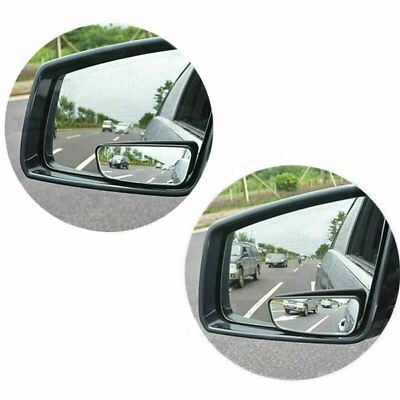
Credit: www.ebay.ca
Frequently Asked Questions
What Is The Purpose Of A Rear View Mirror?
A rear view mirror helps drivers see the area behind their vehicle. It enhances safety by providing a clear view of approaching vehicles. This mirror is crucial for making informed driving decisions and helps prevent accidents.
How Do I Adjust My Rear View Mirror?
To adjust, sit in your normal driving position. Tilt the mirror so you can see directly behind without moving your head. Ensure the horizon line appears in the center of the mirror. This positioning maximizes visibility and minimizes blind spots.
Why Does My Rear View Mirror Have A Tab?
The tab on your rear view mirror is for night driving. It helps reduce glare from headlights of vehicles behind you. By flipping the tab, you adjust the mirror to reflect less light, making night driving safer and more comfortable.
Can I Replace My Rear View Mirror Myself?
Yes, you can replace it yourself with basic tools. Remove the old mirror by loosening the mounting screw. Attach the new mirror by aligning and tightening it securely. Ensure it is properly adjusted before driving to maintain safety.
Conclusion
Car rear view mirrors help drivers see behind clearly. They improve safety by reducing blind spots. Regular cleaning and proper adjustment keep them effective. Different types fit various car models and needs. Always check mirrors before changing lanes or reversing.
A good mirror adds comfort and confidence on the road. Choose one that suits your driving style and car. Keep your view clear to drive with peace of mind. Safe driving starts with seeing what’s behind you.