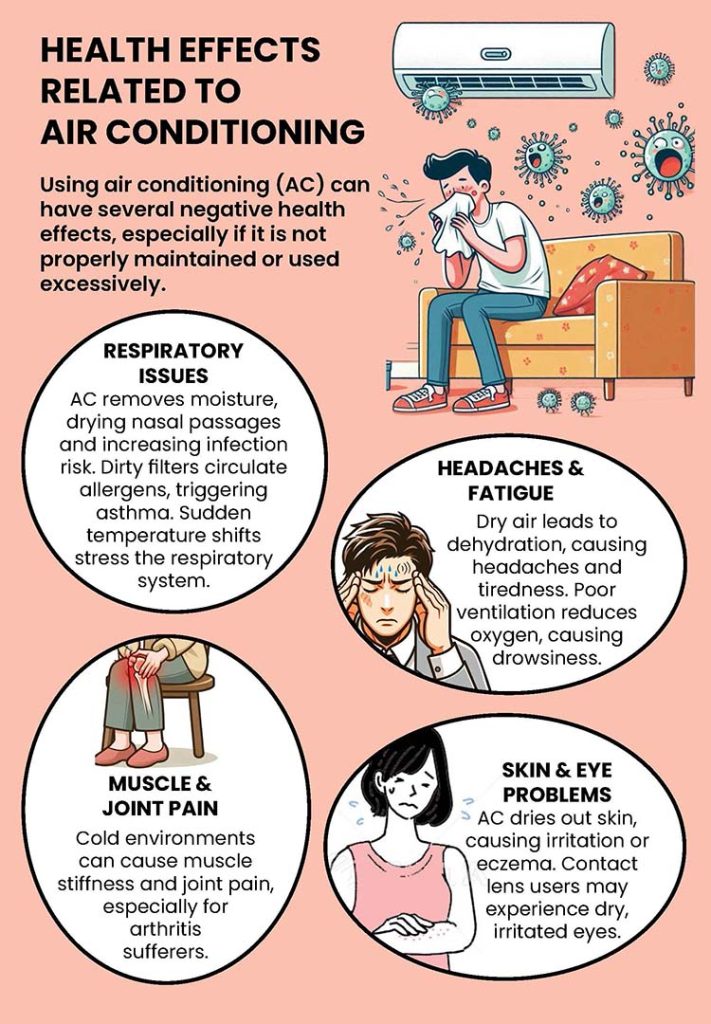
Have you ever noticed your skin feeling tight or your throat getting dry when the air conditioner is running? You might be wondering, do air conditioners cause dry air?
It’s a common experience, and understanding why it happens can help you stay comfortable and healthy indoors. You’ll discover the surprising reasons behind dry air from your AC and simple ways to fix it. Keep reading to learn how to enjoy cool air without the dryness that makes you uncomfortable.

Credit: northnjhvac.com
How Air Conditioners Work
Air conditioners cool indoor spaces by removing heat from the air. They use a system of parts to cool and circulate air.
The process also affects humidity and air moisture, which can make the air feel dry.
Cooling Cycle
The cooling cycle starts when warm air from the room passes over cold coils inside the air conditioner. These coils contain a refrigerant that absorbs heat.
As the air cools, the heat moves into the refrigerant, which then carries it outside.
Dehumidification
Air conditioners also remove moisture from the air. When warm air touches the cold coils, water vapor condenses on them.
This process lowers the humidity, which can make the air feel dry in the room.
Air Circulation
The air conditioner uses a fan to move air through the system. It pulls warm air in and pushes cooled air out.
This circulation helps spread cool, drier air evenly throughout the space.
Credit: franklinautomotive.com
Air Conditioners And Humidity Levels
Air conditioners cool indoor spaces by removing heat from the air. This process also affects the moisture in the air.
Understanding how air conditioners change humidity helps explain if they cause dry air.
Cooling And Moisture Removal
Air conditioners cool air by passing it over cold coils. This causes moisture to condense and drain away.
- Warm air hits cold coils inside the AC unit.
- Water vapor in the air turns into liquid water.
- The liquid water drains out of the system.
- The cooled air has less moisture when it leaves the AC.
Effects On Indoor Air Moisture
Air conditioners lower indoor humidity by removing moisture. This can make the air feel dry.
| Humidity Level | Effect on Comfort |
| Below 30% | Air feels dry; may cause irritation |
| 30%–50% | Comfortable for most people |
| Above 50% | Air feels moist; risk of mold growth |
Signs Of Dry Air Indoors
Air conditioners can lower indoor humidity, which causes dry air. Dry air affects comfort and health inside your home.
Recognizing signs of dry air helps you take steps to improve your indoor environment.
Physical Discomfort
Dry air can cause several physical discomforts. You might feel itchy eyes, dry throat, or a scratchy nose.
These symptoms happen because dry air dries out the mucous membranes in your body.
- Itchy, red, or watery eyes
- Dry, sore throat
- Feeling tired or irritated
- Cracked lips or chapped mouth
Impact On Skin And Respiratory Health
Dry air makes your skin lose moisture. It can lead to flaky, tight, or itchy skin.
Breathing dry air may worsen respiratory problems like asthma or allergies.
- Dry, rough, or cracked skin
- Increased coughing or wheezing
- More frequent nosebleeds
- Difficulty breathing for sensitive people
Comparing Ac To Other Dry Air Sources
Air conditioners cool rooms by removing heat and moisture from the air. This can make the air feel dry. Other common sources also cause dry air in homes or offices.
It helps to compare how air conditioners differ from these other sources. This way, you can better understand their effects on indoor air quality.
Heating Systems
Heating systems like radiators and forced air heaters can dry out the air. They raise the temperature, which lowers indoor humidity. This can cause dry skin and irritation.
Dehumidifiers
Dehumidifiers remove moisture directly from the air. They are made to lower humidity, which can make the air feel dry. Unlike ACs, they do not cool the air.
Ventilation Systems
Ventilation systems bring fresh air inside and remove stale air. If the outside air is dry, ventilation can lower indoor humidity. This depends on the outdoor climate.
Natural Dry Air Sources
Natural dry air comes from low humidity climates or cold weather. These conditions reduce moisture inside buildings. This can feel more uncomfortable than air dried by machines.
| Dry Air Source | How It Causes Dry Air | Effect on Temperature |
| Air Conditioner | Removes moisture during cooling | Cools the air |
| Heating Systems | Dries air by warming it | Raises temperature |
| Dehumidifiers | Extracts moisture directly | No significant temperature change |
| Ventilation | Replaces indoor air with dry outside air | Varies by outside air temperature |
| Natural Climate | Low outdoor humidity affects indoor air | Depends on weather |
Ways To Combat Dry Air From Ac
Air conditioners can make the air dry inside your home or office. Dry air causes discomfort like itchy skin and dry throat.
There are simple ways to add moisture and keep the air comfortable while using AC.
Using Humidifiers
Humidifiers add moisture back into the air. They help reduce dryness caused by air conditioning.
- Place a humidifier in rooms where you spend the most time.
- Keep the humidifier clean to avoid germs.
- Choose the right size humidifier for your room.
- Use distilled water to prevent mineral buildup.
Maintaining Proper Ventilation
Good ventilation balances air moisture and improves air quality. It helps fight dry air problems.
| Ventilation Tip | Benefit |
|---|---|
| Open windows occasionally | Lets fresh air in and moistens dry air |
| Use exhaust fans in kitchens and bathrooms | Removes stale air and prevents dryness |
| Install air vents or grilles | Improves airflow and balances humidity |
Regular Ac Maintenance
Cleaning and servicing your AC keeps it working well. It stops the air from drying out too much.
- Clean or replace air filters every 1-3 months.
- Check for leaks in the AC system.
- Keep the coils clean for better cooling.
- Schedule professional maintenance yearly.
Credit: www.sciencealert.com
Choosing Air Conditioners With Humidity Control
Air conditioners often make indoor air dry. This happens because they remove moisture while cooling the air. Dry air can cause discomfort and health issues.
Choosing an air conditioner with humidity control helps keep the air comfortable. These units balance temperature and moisture levels inside your home.
How Humidity Control Works
Humidity control lets the air conditioner remove or add moisture as needed. It keeps indoor humidity in a healthy range.
This prevents the air from becoming too dry or too damp. The system adjusts based on the current room conditions.
Benefits Of Humidity Control
Air conditioners with humidity control improve comfort and health. They reduce dry skin, irritated eyes, and respiratory problems.
- Maintains balanced moisture levels
- Prevents dry air problems
- Reduces mold and mildew risks
- Improves overall air quality
Types Of Air Conditioners With Humidity Control
There are several air conditioners that handle humidity well. Some models have built-in humidistats to monitor moisture levels.
- Central air systems with humidity sensors
- Portable units with moisture control settings
- Mini-split systems that adjust humidity
Tips For Choosing The Right Unit
Look for models that clearly list humidity control features. Check if the unit can monitor and adjust moisture automatically.
- Check for built-in humidistats
- Choose units with automatic humidity adjustment
- Consider your room size and moisture needs
- Read user reviews on humidity performance
Frequently Asked Questions
Do Air Conditioners Reduce Indoor Humidity Levels?
Yes, air conditioners lower indoor humidity by removing moisture from the air. This drying effect can cause the air to feel less humid and sometimes too dry.
Why Does Ac Cause Dry Skin And Throat?
Air conditioners remove moisture from the air, which can dry out your skin and throat. This lack of humidity leads to irritation and discomfort.
Can Using A Humidifier With Ac Help?
Yes, a humidifier adds moisture back into dry air. Using it alongside an AC balances humidity levels and prevents dryness issues.
How To Prevent Dry Air From Air Conditioning?
Maintain your AC unit, use a humidifier, and keep indoor plants. These steps help retain moisture and reduce dryness caused by air conditioning.
Conclusion
Air conditioners can make the air feel dry inside rooms. This happens because they remove moisture from the air. Dry air may cause dry skin, throat, or eyes. Using a humidifier or placing water bowls can help. Regularly cleaning your AC also keeps the air fresh.
Understanding this helps you stay comfortable indoors. Balance cool air with enough moisture for your health. Simple steps make a big difference in your home’s air quality. Keep cool without losing the air’s natural moisture.