Have you ever wondered if your air conditioner is quietly releasing harmful gases into your home? You rely on it to keep you cool and comfortable, but what if it’s affecting your health without you even knowing?
Understanding what your air conditioner emits is crucial for your safety and peace of mind. Keep reading to uncover the truth about air conditioners and the gases they might release—this information could change the way you use your cooling system forever.
Air Conditioner Basics
Air conditioners cool indoor spaces by removing heat and moisture. They help keep homes and offices comfortable during hot days.
Some people worry if air conditioners release harmful gases. Understanding how they work and the chemicals inside can clear up this concern.
How Air Conditioners Work
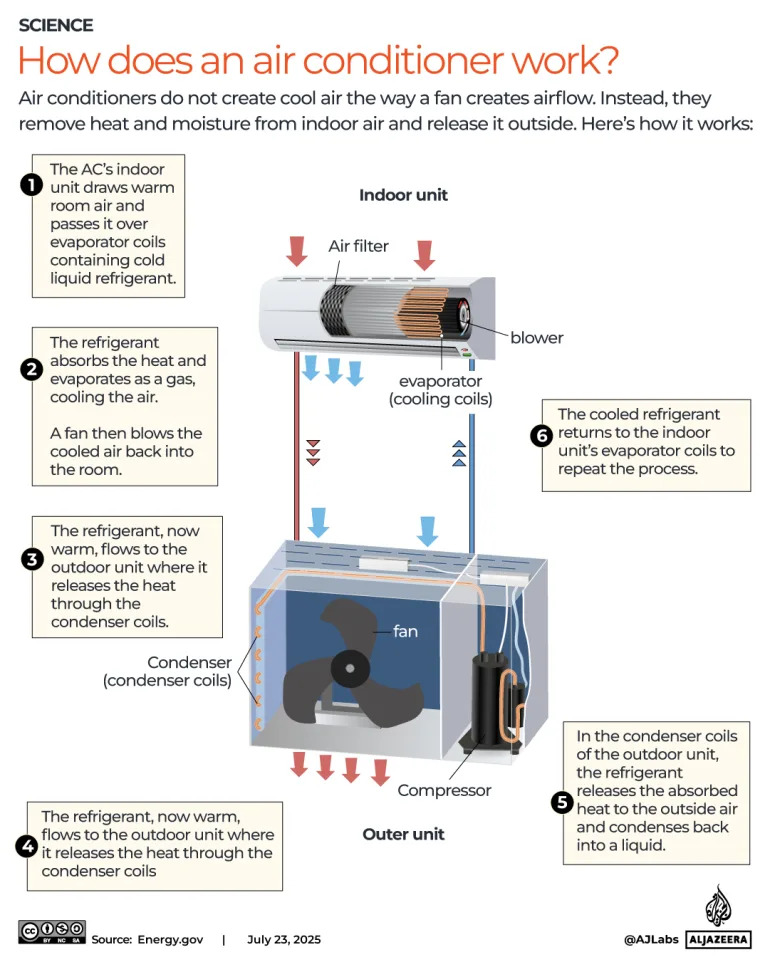
An air conditioner moves heat from inside a room to the outside air. It uses a special fluid called refrigerant to carry the heat.
The refrigerant changes between gas and liquid to absorb and release heat. This process cools the air inside the building.
- The indoor unit blows warm air over cold refrigerant coils.
- The refrigerant absorbs heat and changes to gas.
- The outdoor unit releases the heat outside.
- The refrigerant cools down and returns inside to repeat.
Types Of Refrigerants Used
Refrigerants are chemicals that help cool air. Different types have been used over the years.
Older refrigerants can harm the environment. Newer ones are safer but still need careful handling.
| Refrigerant Type | Common Use | Environmental Impact |
|---|---|---|
| CFCs (e.g., R-12) | Old air conditioners | High ozone damage, phased out |
| HCFCs (e.g., R-22) | Older models, being replaced | Moderate ozone damage, being phased out |
| HFCs (e.g., R-410A) | Newer air conditioners | No ozone damage, but high global warming potential |
| Natural Refrigerants (e.g., R-290) | Some modern systems | Low environmental impact, safer for ozone and climate |
Credit: yourenergyanswers.com
Refrigerants And Their Impact
Air conditioners use chemicals called refrigerants to cool the air. These refrigerants can affect the environment.
Some refrigerants harm the ozone layer or cause climate change. It is important to know their types and effects.
Chlorofluorocarbons (cfcs)
CFCs are old refrigerants used in air conditioners and refrigerators. They damage the ozone layer that protects Earth from harmful sun rays.
Because of their harm, many countries stopped using CFCs in the 1990s. They have a long life in the atmosphere.
- Destroy ozone layer
- Stay long in the atmosphere
- Cause skin cancer and eye problems
Hydrochlorofluorocarbons (hcfcs)
HCFCs replaced CFCs as they are less harmful to the ozone layer. They still damage the ozone but at a slower rate.
These chemicals also contribute to global warming. Many countries plan to phase out HCFCs soon.
- Less ozone damage than CFCs
- Still cause some ozone harm
- Contribute to climate change
Hydrofluorocarbons (hfcs)
HFCs do not harm the ozone layer. They replaced HCFCs in many air conditioners and refrigerators.
HFCs are strong greenhouse gases. They trap heat in the atmosphere and increase global warming.
- Do not damage ozone layer
- Strong greenhouse gases
- Increase global warming
Environmental Concerns
Air conditioners use gases called refrigerants to cool air. These gases can harm the environment if released.
It is important to understand how these gases affect the earth and its atmosphere.
Ozone Layer Depletion
Some older air conditioners use refrigerants that can destroy the ozone layer. The ozone layer protects us from harmful sun rays.
When these gases leak, they break down ozone molecules. This creates holes in the ozone layer.
- Chlorofluorocarbons (CFCs) are the main harmful gases.
- Hydrochlorofluorocarbons (HCFCs) also damage ozone but less than CFCs.
- Ozone layer damage increases skin cancer risk and harms plants.
Global Warming Potential
Many refrigerants are greenhouse gases. They trap heat in the earth’s atmosphere and cause global warming.
Even small leaks from air conditioners can add to climate change problems.
- Hydrofluorocarbons (HFCs) do not harm the ozone but warm the planet.
- HFCs have a high global warming potential (GWP) compared to carbon dioxide.
- New refrigerants with low GWP are being developed to reduce harm.

Credit: www.callfastair.com
Health Implications
Air conditioners help cool our homes and offices. Some people worry if they emit harmful gases that can affect health.
This section explains how air conditioners can impact indoor air quality and potential health risks.
Effects On Indoor Air Quality
Air conditioners can affect the air inside your home. Poor maintenance may lead to dust and mold growth.
Some AC units use refrigerants that may leak. These gases can reduce air quality if not handled properly.
- Dust and pollen can build up in filters
- Mold grows in damp parts of the system
- Refrigerant leaks release harmful gases
- Poor ventilation traps indoor pollutants
Potential Health Risks
Breathing air from a poorly maintained AC can cause health issues. Some gases may irritate the lungs and skin.
Long exposure to leaked refrigerants can cause headaches and dizziness. Mold exposure may trigger allergies or asthma.
- Allergic reactions from mold spores
- Respiratory problems from dust and pollutants
- Headaches or nausea from refrigerant leaks
- Skin and eye irritation due to poor air quality
Regulatory Measures
Air conditioners can release harmful gases if not managed properly. These gases affect the environment and health.
Many rules help control these harmful emissions. They guide manufacturers and users to reduce pollution.
International Protocols
Countries follow global agreements to limit harmful gases from air conditioners. These protocols protect the ozone layer and climate.
One key treaty is the Montreal Protocol. It phases out chemicals that harm the ozone layer, such as CFCs and HCFCs used in ACs.
- Montreal Protocol sets targets to reduce ozone-depleting gases
- Kyoto Protocol limits greenhouse gases, including some refrigerants
- Paris Agreement encourages cutting emissions from all sources
National Regulations
Countries create laws to follow international rules. These laws control the use and disposal of AC refrigerants.
Some nations require regular checks for leaks and proper recycling of gases. They punish improper handling to prevent pollution.
- Licenses for handling refrigerants ensure trained technicians work on ACs
- Rules ban harmful gases and promote eco-friendly refrigerants
- Penalties apply for releasing gases illegally or unsafe disposal

Credit: yourenergyanswers.com
Alternatives And Innovations
Air conditioners can release harmful gases that affect the environment. Scientists and engineers create new solutions to reduce this impact. These innovations focus on safer materials and smarter designs.
Two main areas of progress are using eco-friendly refrigerants and improving energy efficiency. These help lower pollution and save power.
Eco-friendly Refrigerants
Traditional air conditioners use refrigerants that harm the ozone layer and cause global warming. New refrigerants reduce these risks. They have low global warming potential (GWP) and no ozone depletion potential (ODP).
- Hydrofluoroolefins (HFOs) are a new class of refrigerants with low GWP.
- Natural refrigerants like propane and ammonia are safe and efficient.
- Carbon dioxide (CO2) can be used as a refrigerant with minimal environmental harm.
- Blends of different refrigerants aim to balance safety, efficiency, and low emissions.
Energy-efficient Technologies
Energy-efficient air conditioners use less electricity and reduce greenhouse gas emissions. Many models now include smart features and improved components to save energy.
| Technology | Benefit |
| Inverter compressors | Adjust speed to save power |
| Variable refrigerant flow (VRF) | Cool specific areas efficiently |
| Smart thermostats | Control temperature remotely |
| Improved insulation | Keep cool air inside longer |
Consumer Awareness
Many people wonder if air conditioners release harmful gases. This concern affects how we use and choose these devices.
It is important to know the facts about air conditioners and their impact on health and the environment.
Choosing Safer Air Conditioners
Some air conditioners use refrigerants that can harm the environment. Look for models with eco-friendly gases.
Energy-efficient units also reduce pollution and save money on electricity bills.
- Check for refrigerants like R-32 or R-290, which are safer.
- Choose units with high energy ratings to lower emissions.
- Buy from trusted brands that follow safety standards.
Proper Maintenance Practices
Regular maintenance keeps air conditioners working well and prevents leaks of harmful gases.
Clean filters and check for gas leaks often. Fix problems quickly to avoid health risks.
- Clean or replace air filters every 1-3 months.
- Have a technician inspect refrigerant levels yearly.
- Repair any gas leaks immediately.
- Keep outdoor units free from dust and debris.
Frequently Asked Questions
Do Air Conditioners Release Harmful Gases?
Air conditioners can emit refrigerant gases, which may be harmful if leaked. Modern units use eco-friendly refrigerants to reduce risks and environmental impact.
What Gases Do Air Conditioners Emit?
Air conditioners primarily emit refrigerants like HFCs or HCFCs. These gases help cool but can harm the environment if released improperly.
Can Air Conditioner Leaks Affect Indoor Air Quality?
Yes, refrigerant leaks can degrade indoor air quality and pose health risks. Proper maintenance prevents leaks and ensures safe operation.
Are Refrigerants In Acs Harmful To Health?
Refrigerants are generally safe when contained but can cause irritation or health issues if leaked in large amounts indoors.
Conclusion
Air conditioners mostly use safe gases to cool your home. Some older models may release harmful chemicals if broken or not maintained. Regular checks and repairs keep your air conditioner working well and safe. Choosing newer, eco-friendly units helps protect the environment.
Stay informed about your AC’s type and how it works. Clean air feels better and keeps you healthy. Small steps make a big difference in the air you breathe. Trust your AC to cool safely with the right care.