Have you ever wondered if your air conditioner could be harming the air you breathe? You rely on it to keep your home cool and comfortable, but what if it’s quietly releasing harmful gases?
Understanding what’s coming out of your AC unit is important for your health and safety. You’ll discover the truth about air conditioners and the gases they emit. Keep reading to learn how to protect yourself and your loved ones while staying cool.
How Air Conditioners Work
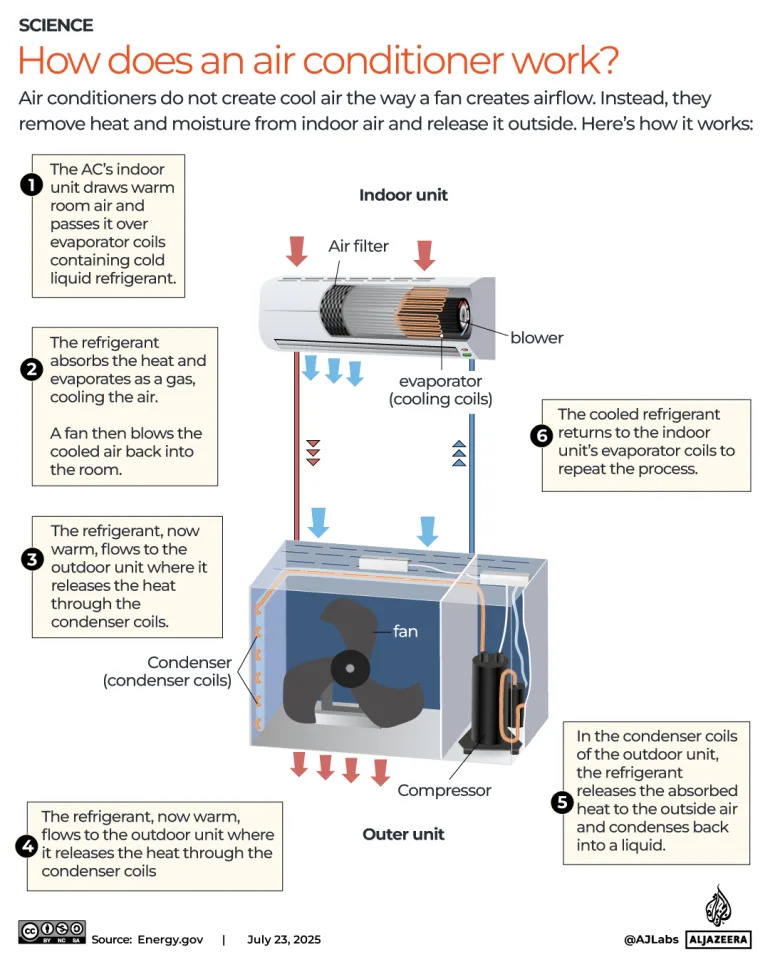
Air conditioners work by moving heat from inside to outside. The cooling cyclestarts with a special liquid called refrigerant. This liquid absorbs heat from indoor air and changes into a gas. Then, the air conditioner pushes this hot gas outside. Outside, the gas cools down and turns back into a liquid. This cycle keeps going to keep rooms cool.
The refrigerantsare very important. They carry heat and make cooling happen. Some older refrigerants can be harmful if released. Newer ones are safer for the environment. Still, leaks can cause problems. Proper care and maintenance help keep the air conditioner safe and working well.

Credit: yourenergyanswers.com
Types Of Refrigerants Used
Chlorofluorocarbons (CFCs)were common in old air conditioners. They harm the ozone layer and are now banned.
Hydrochlorofluorocarbons (HCFCs)replaced CFCs but still affect the ozone. They are being phased out gradually.
Hydrofluorocarbons (HFCs)do not harm the ozone but have a high global warming potential. Used widely today.
Natural Refrigerantsinclude substances like ammonia and carbon dioxide. They are eco-friendly and safe for the environment.
Potential Harmful Emissions
Air conditioners use refrigerantsto cool the air. Sometimes, these chemicals can leak out. Refrigerant leakscan release harmful gases into the environment.
Many refrigerants are greenhouse gases. They trap heat in the earth’s atmosphere. This can lead to global warmingand climate change.
Some older refrigerants harm the ozone layer. The ozone layer protects us from the sun’s strong rays. Damaging it can cause more skin problems and other health issues.
Health Risks Associated With Air Conditioners
Air conditioners can affect indoor air quality. Dust, mold, and bacteria may build up inside units. These can release particles harmful to health. Poor air quality can cause allergies, asthma, and breathing problems.
Some air conditioners use chemicals called refrigerants. If these leak, they can cause headaches, dizziness, and nausea. Prolonged exposure to certain gases may lead to more serious health issues.
- Dry or irritated skin
- Eye redness or watering
- Throat irritation or coughing
- Fatigue and headaches
Regular maintenance helps reduce these risks. Cleaning filters and checking for leaks is key. Proper ventilation also improves the air you breathe indoors.
Environmental Regulations And Safety Measures
International protocolslimit harmful gases from air conditioners. The Kigali Amendmenttargets reducing hydrofluorocarbons (HFCs), which harm the environment. Many countries follow these rules to protect the ozone layer.
Industry standardsensure safer and cleaner air conditioner designs. These standards control gas leaks and promote eco-friendly refrigerants. Manufacturers must meet these rules to sell products globally.
Proper maintenancehelps reduce harmful gas emissions. Regular checks prevent leaks and keep systems running efficiently. Changing filters and inspecting refrigerants are key steps. Good care extends the life of air conditioners and protects the environment.
Alternatives To Traditional Refrigerants
Traditional refrigerants often harm the environment by releasing greenhouse gases. Safer alternatives use natural substancesor chemicals with low global warming potential. Some popular eco-friendly refrigerants include R-290 (propane)and R-600a (isobutane). These options produce fewer emissions and break down quickly in the atmosphere.
Energy-efficient technologies help reduce power use and lower environmental impact. Modern air conditioners with inverter technologyadjust cooling based on room needs. This leads to less energy wasteand lower electricity bills. Using smart thermostats also improves efficiency by controlling temperature more precisely.
Steps To Minimize Harmful Effects
Regular servicingkeeps air conditioners clean and working well. It helps find and fix problems early. Clean filters improve air quality and stop dust buildup. Servicing also checks for leaks that can release harmful gases.
Leak detection uses tools to find gas leaks in the system. Early detection preventsdangerous gases from escaping. Professionals use special devices to spot leaks fast. Fixing leaks keeps the air safe and the AC efficient.
- Choose sustainable productswith eco-friendly refrigerants.
- Look for ACs with low global warming potentialgases.
- Buy models that use natural or less harmful refrigerants.
- Proper disposal of old AC units stops gas release.

Credit: www.callfastair.com
Credit: yourenergyanswers.com
Frequently Asked Questions
Do Air Conditioners Release Harmful Gases?
Air conditioners can release refrigerants that are harmful to the environment. These gases, like HCFCs, contribute to ozone depletion and global warming. Modern air conditioners use more eco-friendly refrigerants, such as R-410A, which have a lower impact. Regular maintenance ensures efficient operation and minimizes environmental harm.
How Do Air Conditioners Affect Indoor Air Quality?
Air conditioners can improve indoor air quality by filtering out pollutants and allergens. However, if not maintained, they might circulate dust and mold. Regular cleaning of filters and ducts is crucial to ensure they provide clean and healthy air. Proper maintenance enhances both air quality and system efficiency.
Are Modern Acs Environmentally Friendly?
Yes, modern air conditioners are designed to be more environmentally friendly. They use refrigerants with a lower global warming potential. Additionally, they’re more energy-efficient, reducing electricity consumption. Choosing Energy Star-rated units and maintaining them properly can further lessen environmental impact and save on energy costs.
Can Old Acs Harm The Ozone Layer?
Old air conditioners can harm the ozone layer due to their use of HCFCs. These refrigerants deplete the ozone and contribute to global warming. Upgrading to newer models with eco-friendly refrigerants can reduce this impact. Proper disposal of old units ensures safe handling of harmful substances.
Conclusion
Air conditioners mainly release safe gases when working properly. Older models or faulty units might leak harmful refrigerants. Regular maintenance helps prevent gas leaks and keeps air clean. Using energy-efficient ACs reduces environmental impact and saves money. Stay aware of your unit’s condition for safety.
Clean air and cool rooms can go hand in hand. Choose wisely and maintain your system well. Your health and the environment will thank you.