Are you wondering if your air conditioner has to be stuck in a window? You’re not alone.
Many people think window units are the only option, but there’s more to know. What if you could cool your space without blocking your view or dealing with complicated setups? Keep reading, and you’ll discover simple answers and smart choices that fit your home and lifestyle perfectly.
Don’t miss out on making your cooling experience easier and more comfortable.
Credit: www.premium-electric.ca
Common Air Conditioner Types
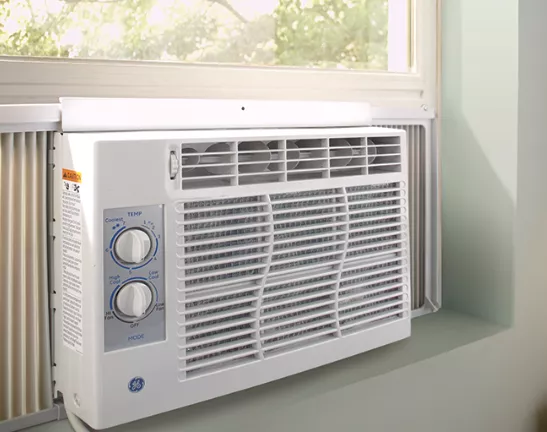
Window unitssit in a window frame. They cool one room only. The back part goes outside to release heat.
Portable ACscan move around. They need a vent hose to push hot air outside. No window installation needed.
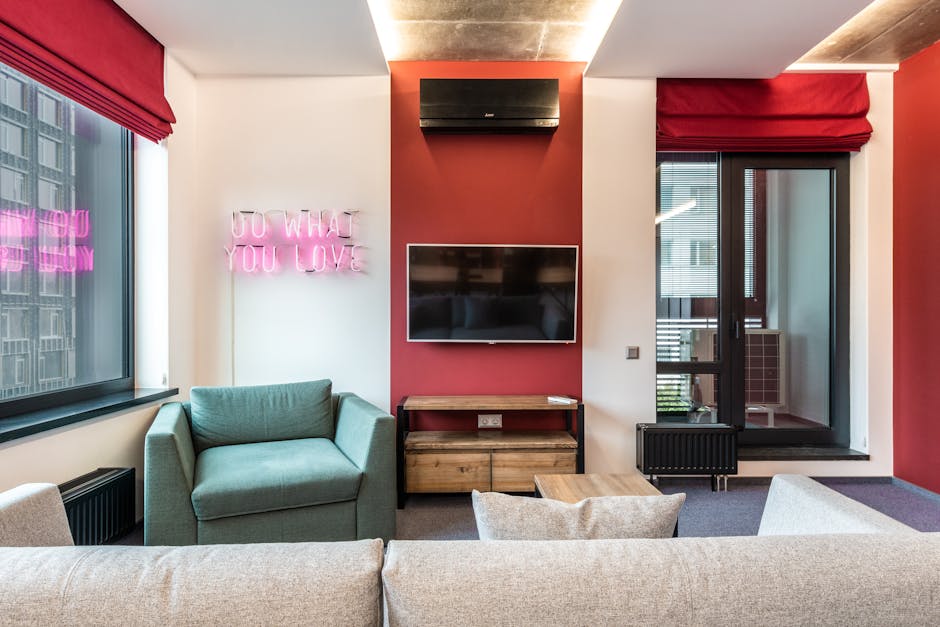
Split systemshave two parts: one inside, one outside. The inside unit cools the room quietly. The outside unit removes heat.
Central air conditioningcools whole buildings. It uses ducts to spread cool air to many rooms. The main unit is outside the building.
Why Window Placement Is Popular
Window placement is popular because it allows easy installation and proper ventilation for air conditioners. Many people wonder if air conditioners must be in a window, but some models can be placed elsewhere. Proper airflow and space affect how well the unit cools a room.
Air conditioners in windows are easy to install. No need for complex tools. Slide the unit into the window. Secure it with brackets. Plug it in and enjoy cool air. This makes them user-friendly for everyone. Windows allow better airflow for air conditioners. Cool air spreads evenly. Hot air goes out easily. This helps in keeping rooms comfortable. No need for extra fans or vents. Just natural, smooth air circulation. Air conditioners in windows save room space. No floor space is used. Walls stay free for other things. This is great for small rooms. Keep your space open and clutter-free. `Portable Air Conditioners Explained
Portable air conditioners cool rooms without needing a window unit. They pull warm air inside, cool it, and push out hot air through a vent. This vent often goes out a window or through a wall opening.
Ventilation can be done in different ways. Most use a hose vented out a window. Some models have dual hoses for better airflow. A few do not need venting but work best in small spaces.
| Pros | Cons |
|---|---|
| Easy to move between rooms | Noisy compared to central AC |
| Does not need permanent installation | Requires venting for hot air |
| Good for small spaces | Less efficient than window units |
Credit: www.businessinsider.com
Split Ac Units And Flexibility
Split AC units have two main parts: the indoor unitand the outdoor unit. The indoor unit cools the air inside the room. The outdoor unit removes heat from the air. These two parts connect with pipes and wires.
Installation is flexible. The indoor unit can be mounted on a wall, ceiling, or floor. The outdoor unit sits outside, on the ground or a balcony. This means split ACs do not need a window.
| Installation Location | Details |
|---|---|
| Indoor Unit | Mounted inside the room on wall, ceiling, or floor |
| Outdoor Unit | Placed outside on ground, balcony, or rooftop |
Split ACs are usually more energy efficientthan window units. They use less power to cool large spaces. This can help save on electricity bills.
Myths About Window Acs Debunked
Air conditioners do not always need to be placed in a window. Portable and split ACs offer flexible options for cooling rooms. Many believe window placement is the only choice, but that’s a myth.
Only Window Units Can Cool Rooms
Many think only window ACs cool rooms well. This is not true. Split ACs and portable units also cool rooms effectively. Window units are popular but not the only option.
All Acs Need Window Installation
Not all air conditioners require window installation. Split ACs mount on walls, needing no window. Portable ACs only need a vent hose to the window. Installation varies by type.
Portable Units Are Ineffective
Portable ACs work well in small to medium rooms. They are easy to move and install. Though less powerful than window units, they still cool efficiently. Good for renters or rooms without windows.

Credit: thelenmechanical.com
Factors When Choosing Ac Placement
Choosing the right spot for an air conditioner depends on several key factors. Room size plays a big role. A small room may need a smaller unit, while a large room needs a more powerful AC. The layout matters too. Open spaces cool differently than rooms with many walls.
Installation costs can vary a lot. Window units are often cheaper to install. Split or portable ACs might cost more because of extra parts or labor. It’s smart to consider these costs before buying.
Aesthetic considerations affect the room’s look. Some people prefer window units because they fit neatly in the window. Others like split units that sit high on the wall and do not block the view. Portable ACs can be moved but may look bulky.
Tips For Effective Air Conditioner Use
Proper ventilationhelps your air conditioner cool better. Make sure the area around the unit is clear. This lets air flow freely and keeps the device working well.
Regular maintenancekeeps the air conditioner in top shape. Clean or change filters often. Check for leaks or dirt build-up. This saves energy and extends the life of your unit.
- Use a timer to run AC only when needed.
- Set thermostat to a comfortable, not too cold, temperature.
- Close blinds or curtains during hot days to block sunlight.
- Seal windows and doors to keep cool air inside.
Frequently Asked Questions
Do Air Conditioners Need To Be Installed In A Window?
No, air conditioners do not have to be installed in a window. Portable and split AC units offer flexible installation options.
Can Air Conditioners Be Installed On Walls Instead Of Windows?
Yes, wall-mounted split air conditioners are common. They save space and provide efficient cooling without window installation.
Are Portable Air Conditioners Effective Without Window Placement?
Portable air conditioners require a vent, usually through a window or wall. Proper ventilation is key for performance.
What Are Alternatives To Window Air Conditioners?
Alternatives include portable units, split systems, and ductless mini-splits. These options offer versatile installation and cooling.
Conclusion
Air conditioners do not always need to be in a window. Many types, like portable or split units, offer flexibility. You can place them on walls, floors, or other spots. Choosing the right type depends on your room and needs.
Think about space, noise, and ease of installation. This way, you keep cool without limits. Cooling your home can be simple and smart.