Have you ever wondered if your air conditioner can also heat your room? It’s a common question, especially when you want to stay comfortable all year round without buying separate devices.
Understanding how your air conditioner works could save you money and make your home cozier. You’ll discover the truth about whether air conditioners can heat, how they do it, and what options you have to keep warm when the temperature drops.
Keep reading—you might be surprised by what you learn!
How Air Conditioners Work
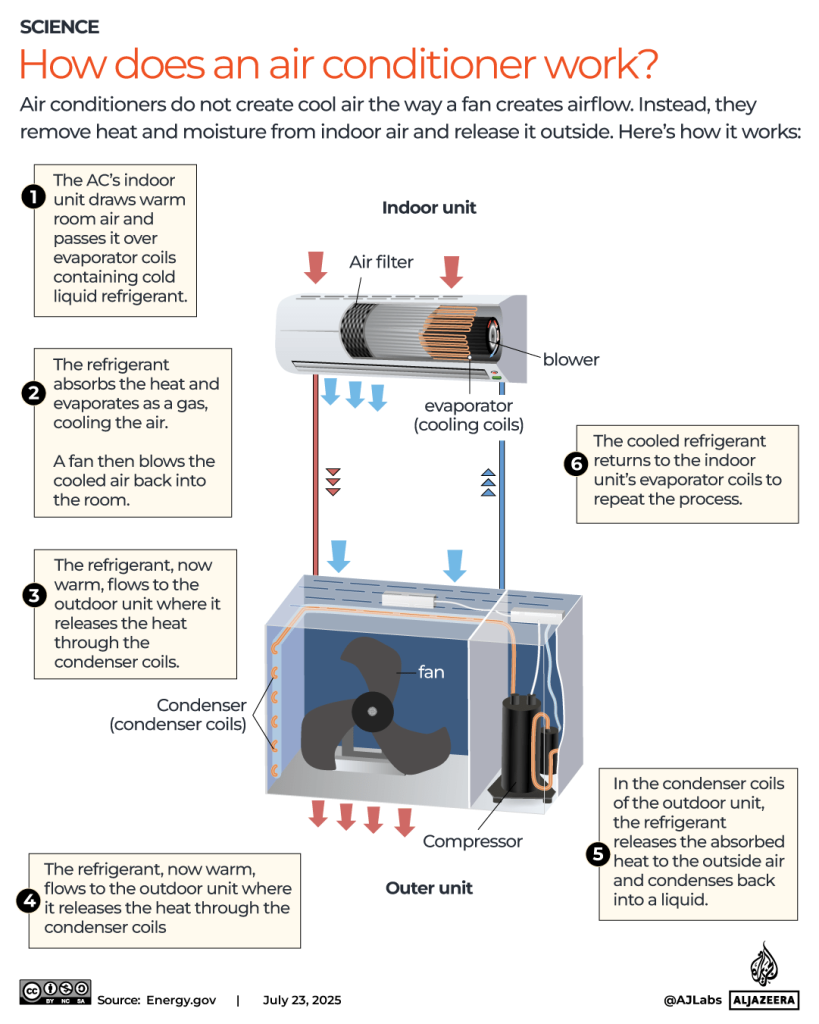
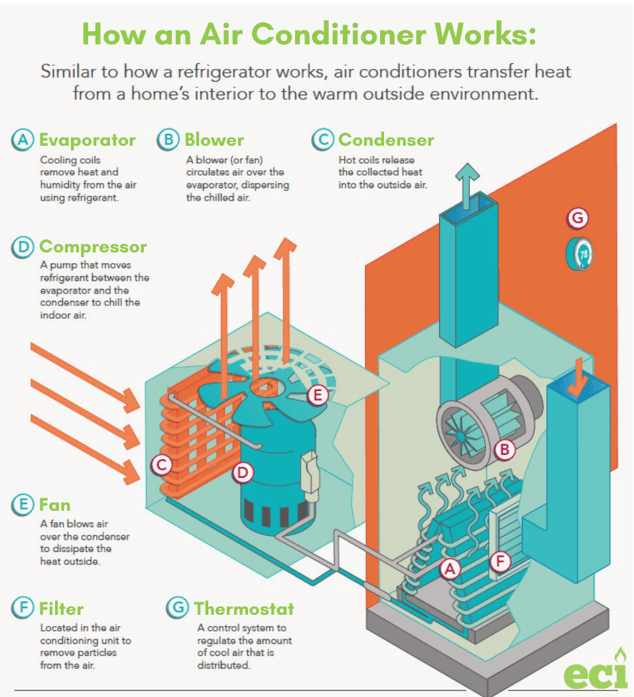
An air conditioner moves heat from inside a room to outside. It uses a special liquid called refrigerant. This liquid absorbs heat from the air inside your home.
The cooling cycle starts when the refrigerant evaporates inside the indoor coil. This process takes heat from the air, making it cooler. Then, the refrigerant carries the heat outside.
Outside, the refrigerant releases the heat as it changes back to liquid form. A fan blows air over the coil to help cool the refrigerant. This cycle repeats to keep your room cool.
The heat transfer process is simple:
- Warm air inside touches the cold coil.
- The refrigerant absorbs the heat.
- The heat moves outside through the outdoor coil.
- The air inside becomes cooler.
Heating Capabilities Of Ac Units
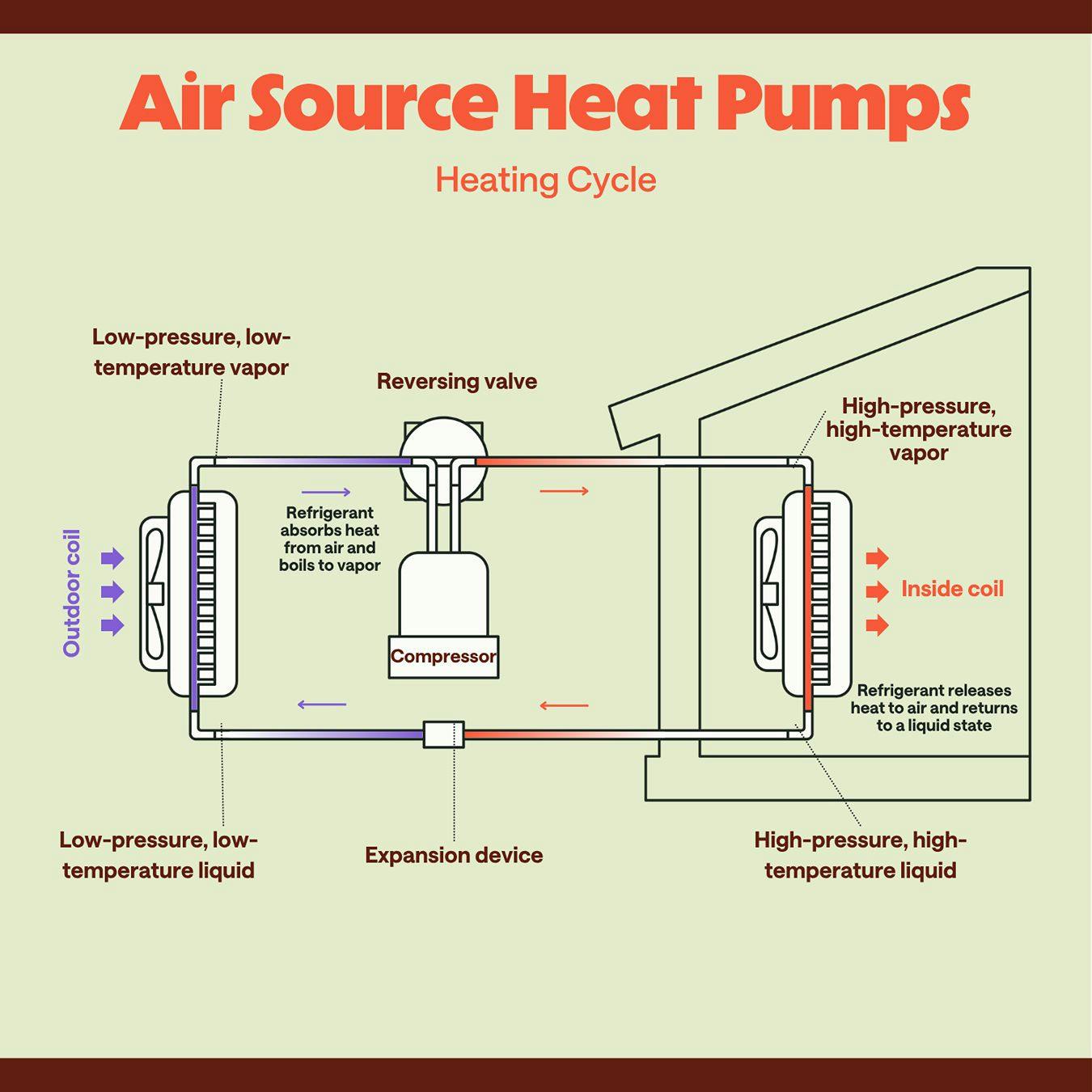
Some air conditioners can also heatrooms using a special feature called a heat pump. This function reverses the cooling processto send warm air inside. It works best in mild coldweather and saves energy compared to other heaters.
There are different types of air conditioners that provide heating:
- Split AC unitswith heat pump technology
- Window ACsthat may include heating
- Portable ACswith heating function
These units do not work as well in very cold weather. Their heating power drops sharply below freezing. Also, they may use more electricity if heating is needed for long hours.
When Acs Generate Heat
The external unitof an air conditioner releases heat outside. It moves warm air from inside your home to the outside air. This process causes the external unit to get hot.
As the unit works, it blows out warm air near the wall or window. This can raise the temperaturearound the unit. Sometimes, this heat makes the outdoor space feel warmer.
- Heat from the external unit can affect nearby plants or outdoor furniture.
- The air around the unit may feel warmer on hot days.
- Good airflow helps reduce heat build-up around the unit.
Credit: palmetto.com
Energy Efficiency And Heating
Air conditioners can provide heating using a heat pump system. This system moves heat from outside air into your home. It uses less energy than electric heaters.
Compared to traditional heaters, AC heating is often more energy efficient. It can save money on electricity bills. But it might not work well in very cold weather.
| Heating Method | Energy Use | Cost to Run | Best Use |
|---|---|---|---|
| Air Conditioner Heat Pump | Low | Moderate | Mild to cool climates |
| Electric Heater | High | High | Small spaces |
| Gas Heater | Moderate | Low | Cold climates |
Costs can vary by energy prices and device efficiency. Heat pumps often cost less to run over time. Initial installation may be higher than simple heaters.
Common Misconceptions About Ac Heating
Standard air conditionersdo not warm a room. They only cool the airby removing heat and moisture. Some units called heat pumpscan both cool and heat, but regular ACs lack this feature.
| Feature | Air Conditioner (AC) | Heater |
|---|---|---|
| Function | Removes heat to cool air | Adds heat to warm air |
| Cooling Ability | Yes | No |
| Heating Ability | Only in heat pump models | Always |
| Energy Source | Electricity | Electricity, gas, or other fuels |
Credit: www.lennox.com
Choosing The Right Unit For Year-round Comfort
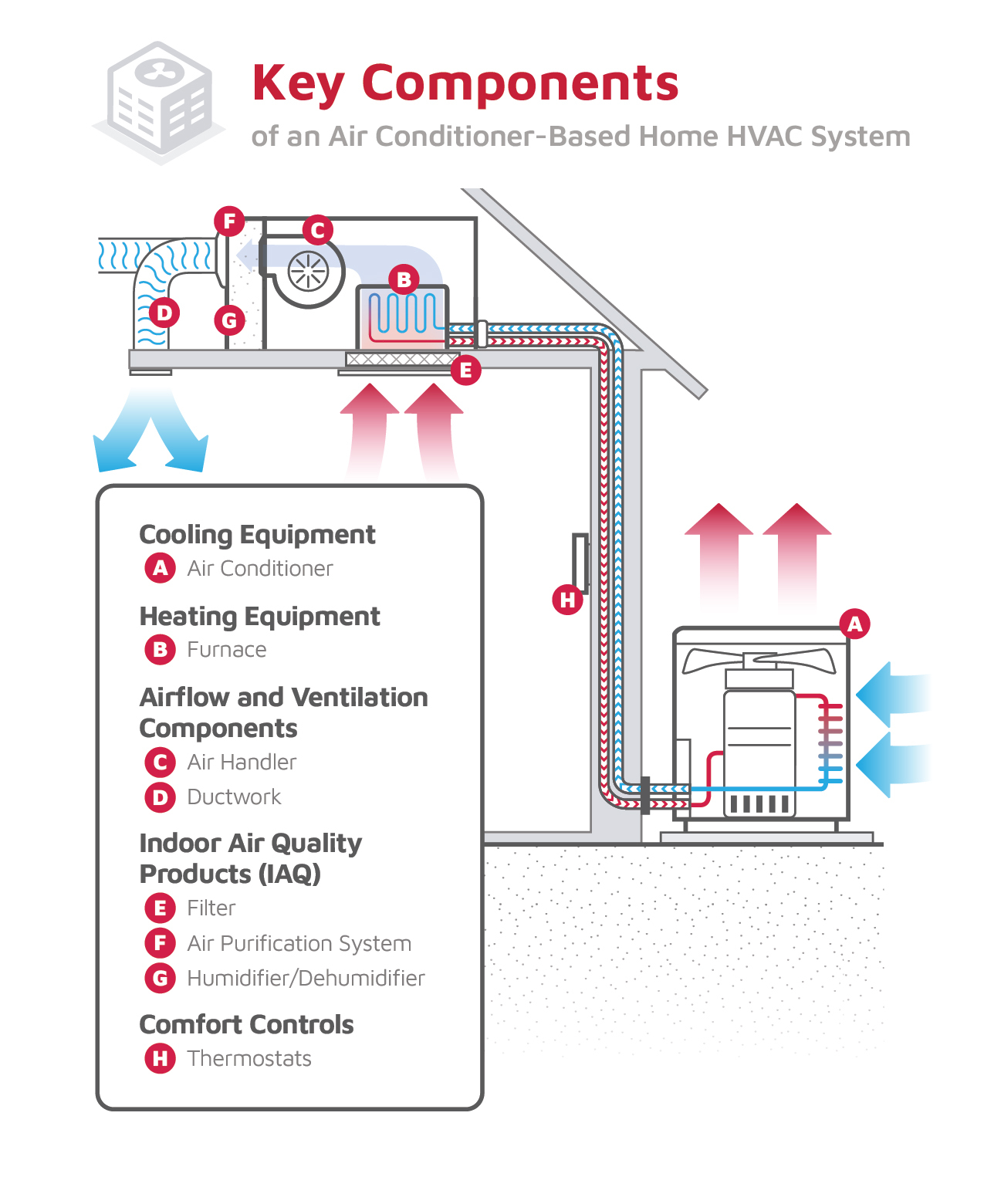
Dual-function systemsprovide both cooling and heating in one unit. These units use a heat pump to move warm air inside during cold months and cool air during hot months. They save space and money compared to separate systems. Maintenance is simpler since there is only one system to care for. These systems work well in mild to moderate climates. They may struggle in very cold areas and require a backup heater.
Climate considerationsmatter when choosing a unit. Warm regions benefit most from air conditioners with heating options. Colder areas often need stronger heating systems like furnaces or boilers. Energy efficiency ratings help pick the right model. Look for units with good Seasonal Energy Efficiency Ratio (SEER)and Heating Seasonal Performance Factor (HSPF)scores. These ratings show how well the unit saves energy all year. Proper sizing is key. Too small or too large units waste energy and cost more.
Credit: www.ecicomfort.com
Frequently Asked Questions
Can Air Conditioners Provide Heating Too?
Yes, many modern air conditioners can provide heating through a reverse cycle. This feature allows them to switch from cooling to heating. It’s an energy-efficient method for maintaining comfortable indoor temperatures year-round, especially in mild climates.
How Do Air Conditioners Produce Heat?
Air conditioners with heat pump technology can reverse their operation to produce heat. This process involves extracting heat from outside and transferring it indoors. It’s an efficient way to heat a space compared to traditional heaters.
Are Heat Pumps In Acs Energy-efficient?
Yes, heat pumps in air conditioners are energy-efficient. They move existing heat instead of generating it, making them more efficient than conventional heaters. This results in lower energy bills and reduced environmental impact.
Is It Cost-effective To Use Ac For Heating?
Using an air conditioner for heating can be cost-effective. Especially in mild climates, where extreme heating isn’t required. The energy efficiency of heat pumps can lower electricity costs compared to traditional heating methods.
Conclusion
Air conditioners can heat your home, but only certain types. Heat pump models both cool and warm air efficiently. Regular AC units mainly cool and do not provide heat. Knowing your system helps you stay comfortable all year. Choose the right option for your needs and climate.
Simple understanding saves energy and keeps bills low. Comfort in every season is possible with the right system. Consider these facts before deciding on your air conditioner.