
Are allergies making your home feel uncomfortable? You might wonder if your air conditioner can offer some relief.
Understanding how air conditioners affect allergy symptoms can change the way you manage your indoor air quality. You’ll discover whether your AC can help reduce allergens and create a healthier living space. Keep reading to find simple tips that could make a big difference for your comfort and well-being.

Credit: acs-installations.co.uk
How Allergies And Air Quality Connect
Allergies happen when your body reacts to tiny particles in the air. These particles can come from inside your home. Air quality plays a big role in how bad allergy symptoms get.
Air conditioners can help by cleaning the air. They remove some allergens and make the air easier to breathe. Understanding indoor allergens and air quality is important for managing allergies.
Common Indoor Allergens
Indoor allergens come from many sources. They float in the air and can cause sneezing, coughing, and itchy eyes. Knowing these allergens helps you reduce them at home.
- Dust mites hiding in bedding and furniture
- Pet dander from cats, dogs, and other animals
- Mold spores growing in damp areas
- Pollen that enters through windows or on clothing
- Cockroach droppings and body parts
Impact Of Poor Air Quality On Allergies
Bad air quality can make allergies worse. Dust, smoke, and chemicals mix with allergens. This can cause more coughing and difficulty breathing for allergy sufferers.
| Air Quality Factor | Effect on Allergies |
| High dust levels | Triggers sneezing and nasal irritation |
| Smoke from cigarettes or fires | Increases breathing problems |
| Strong chemical smells | Causes throat and eye irritation |
| Humidity above 60% | Helps mold grow faster |
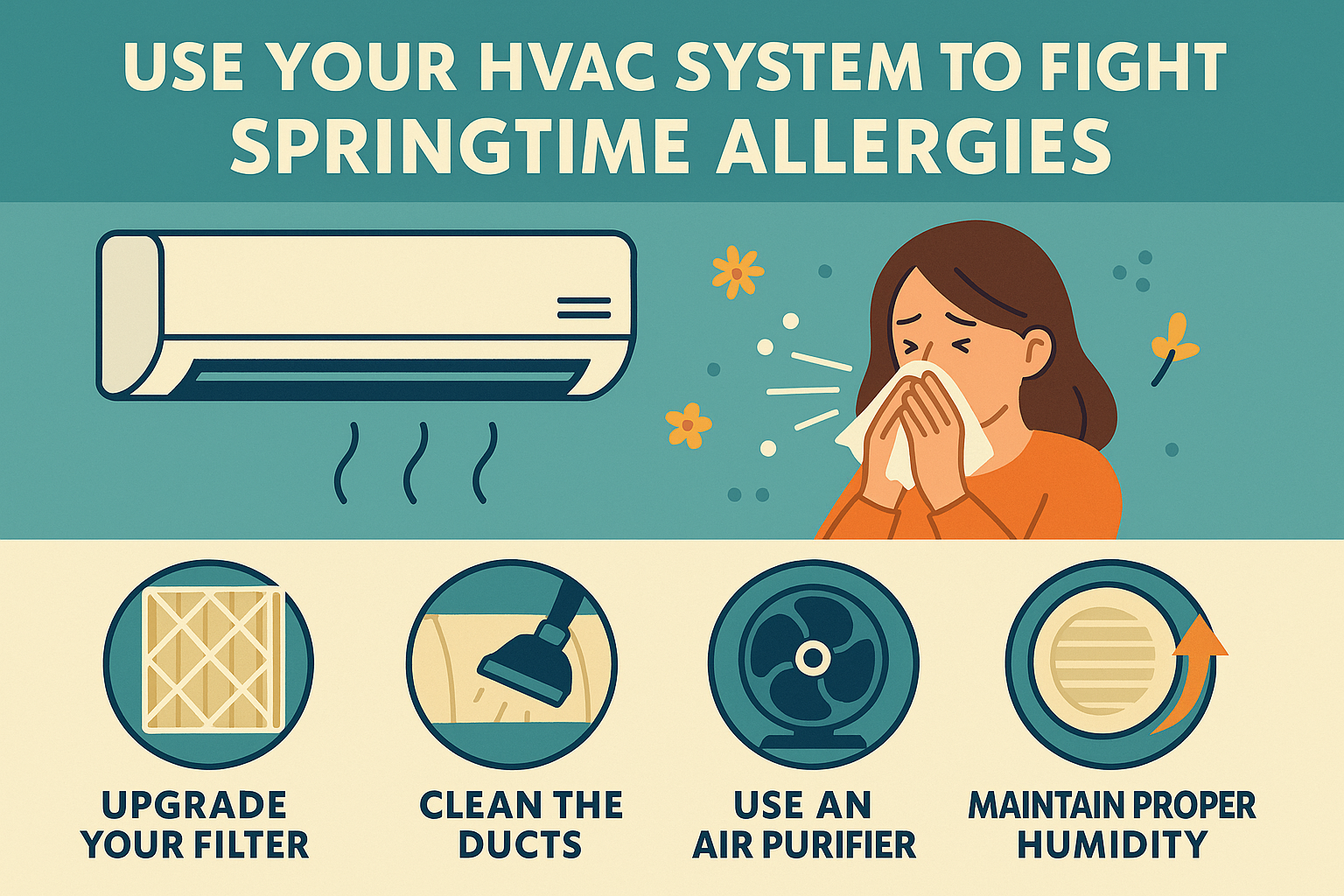
Credit: reidsacandheat.com
Air Conditioners And Allergen Control
Air conditioners can help reduce allergens in your home. They filter the air and make it cleaner to breathe.
Many people find relief from allergy symptoms with air conditioning. It helps by removing dust and pollen from the air.
Filtration Systems In Air Conditioners
Filtration systems in air conditioners trap harmful particles. These systems use filters to catch dust and pollen.
Some air conditioners have special filters. These filters can capture even smaller particles that cause allergies.
- HEPA filters remove 99.97% of small particles
- Activated carbon filters absorb odors and gases
- Electrostatic filters use static electricity to catch particles
Role In Reducing Airborne Particles
Air conditioners reduce airborne particles by circulating indoor air. This process helps in removing allergens like dust and pet dander.
By keeping windows closed, air conditioners prevent outdoor allergens from entering. This maintains a cleaner environment inside your home.
Types Of Air Conditioners For Allergy Relief
Allergies can make breathing hard, especially during hot weather. Air conditioners help by cooling the air and removing some allergens. Different types of air conditioners offer different benefits for allergy relief.
Understanding these types can help you pick the right system to reduce allergens in your home.
Central Air Systems
Central air systems cool your whole home through ducts. They use filters to trap dust, pollen, and other allergens. High-efficiency filters improve air quality by capturing smaller particles.
- Provide even cooling in all rooms
- Use replaceable filters for cleaner air
- Can reduce indoor allergens when maintained
- Require professional installation and upkeep
Portable And Window Units
Portable and window air conditioners cool single rooms. They often have built-in filters but may not be as effective as central systems in removing allergens. Regular cleaning of filters is important to keep air fresh.
- Easy to install and move around
- Good for cooling small spaces
- Filters need frequent cleaning
- May not filter allergens as well as central units
Air Purifiers Vs. Air Conditioners
Air purifiers and air conditioners both improve indoor air but work differently. Air purifiers focus on cleaning allergens, while air conditioners cool the air and reduce humidity.
| Feature | Air Purifier | Air Conditioner |
| Main Function | Remove allergens and particles | Cool air and reduce humidity |
| Allergy Relief | High, filters many allergens | Moderate, filters some allergens |
| Air Cooling | No | Yes |
| Use Together | Yes, for better air quality | Yes, for comfort and relief |
Maintenance Tips To Maximize Allergy Relief
Air conditioners can help reduce allergens in your home. Keeping them clean and well-maintained is key. Good care makes them work better for allergy relief.
Simple maintenance steps keep your air conditioner running smoothly. This lowers dust, pollen, and mold inside your rooms.
Regular Filter Replacement
Filters trap dust, pollen, and other allergens. Over time, filters get clogged and stop working well. Changing them often keeps the air clean.
Replace or clean filters every 1 to 3 months. If you have pets or allergies, do it more often. This helps your air conditioner remove more allergens.
- Check filters monthly
- Replace disposable filters on time
- Clean reusable filters gently with water
- Never run AC with dirty filters
Cleaning And Servicing Units
Dirt builds up on AC parts like coils and vents. This reduces airflow and spreads dust. Clean your unit to keep it working well.
Schedule a professional service once a year. Wipe down vents and remove dust from outside units. This stops mold and bacteria growth.
- Clean vents and grills regularly
- Check drip pans for mold
- Keep outdoor units free of debris
- Use a professional for deep cleaning
Humidity Control Benefits
Air conditioners lower indoor humidity. Less moisture means less mold and dust mites. Both cause allergy symptoms.
Keep humidity between 30% and 50%. Use your AC along with a dehumidifier if needed. This helps stop allergens from growing.
- Monitor indoor humidity levels
- Use AC to reduce moisture in summer
- Combine AC with dehumidifiers in damp areas
- Fix leaks to prevent excess moisture
Additional Allergy Relief Strategies
Air conditioners can help reduce some allergens by filtering the air. Still, they are not enough alone to control allergies completely.
There are other ways to lower allergens at home. These strategies can work well with your air conditioner to improve air quality.
Using Hepa Filters
HEPA filters trap tiny particles like pollen, dust mites, and pet dander. Using these filters in your air purifier or HVAC system helps clean the air.
- Choose a true HEPA filter for best results.
- Change filters regularly to keep them effective.
- Use HEPA vacuum cleaners to reduce dust on floors and furniture.
Ventilation And Airflow Tips
Good airflow prevents allergens from building up indoors. Proper ventilation brings fresh air and removes stale air with allergens.
| Tip | Benefit |
| Open windows on dry, low-pollen days | Fresh air reduces indoor allergens |
| Use exhaust fans in kitchen and bathroom | Removes moisture that molds need |
| Keep air vents clean and clear | Improves air circulation and filtering |
Lifestyle Changes To Reduce Allergens
Small daily habits can lower allergens in your home and body. These changes support your air conditioner’s efforts.
- Wash bedding weekly in hot water to kill dust mites.
- Keep pets outside or off furniture to limit dander.
- Remove shoes at the door to avoid tracking pollen inside.
- Use hypoallergenic pillow and mattress covers.
- Clean floors often with a damp mop or HEPA vacuum.
When Air Conditioners May Worsen Allergies
Air conditioners can help cool a room, but they do not always improve allergies. Sometimes, they can make allergy symptoms worse.
This happens when the air conditioner is not clean or working properly. Dust, mold, and bacteria can build up inside the unit.
Mold And Bacteria Growth Risks
Air conditioners can collect moisture inside their parts. This moisture creates a good place for mold and bacteria to grow.
When the unit runs, it can spread mold spores and bacteria into the air. These particles can trigger allergy symptoms.
- Moist areas inside the unit promote mold growth
- Airborne mold spores cause sneezing and coughing
- Bacteria can increase irritation and respiratory problems
Poorly Maintained Units Effects
If air conditioners are not cleaned regularly, dust and dirt build up. This dirt can carry allergens and spread them in the air.
Dirty filters and vents reduce air quality. They make it harder to breathe, especially for people with allergies.
- Clogged filters trap allergens and reduce airflow
- Dust in vents spreads allergy-causing particles
- Regular maintenance helps keep the air clean

Credit: acs-installations.co.uk
Frequently Asked Questions
Do Air Conditioners Reduce Indoor Allergens?
Air conditioners help filter pollen, dust, and pet dander from indoor air. They improve air circulation and lower humidity, reducing mold growth. Regular filter cleaning boosts their allergen removal effectiveness, making indoor air healthier for allergy sufferers.
Can Ac Units Worsen Allergy Symptoms?
If not properly maintained, AC units can harbor mold and dust. Dirty filters may circulate allergens and irritate symptoms. Regular cleaning and filter replacement are crucial to prevent worsening allergies and keep indoor air clean and safe.
How Often Should Ac Filters Be Changed For Allergies?
For allergy relief, change AC filters every 1 to 3 months. Frequent replacement ensures better allergen capture and cleaner air. High-efficiency particulate air (HEPA) or allergen-specific filters offer improved filtration for sensitive individuals.
Do Air Conditioners Remove Pollen From The Air?
Yes, air conditioners can trap pollen using their filters. They reduce pollen exposure indoors by filtering outdoor air before circulation. Keeping windows closed and maintaining filters enhances pollen removal and allergy symptom control.
Conclusion
Air conditioners can reduce allergens by filtering the air. They help remove dust, pollen, and other irritants. Keeping the system clean is key for best results. Regular maintenance stops mold and bacteria growth inside. Still, air conditioners alone may not solve all allergy problems.
Using them with other allergy controls works best. Clean air feels better and helps breathing. A cool, filtered home supports allergy relief. Simple steps can improve your indoor air quality.