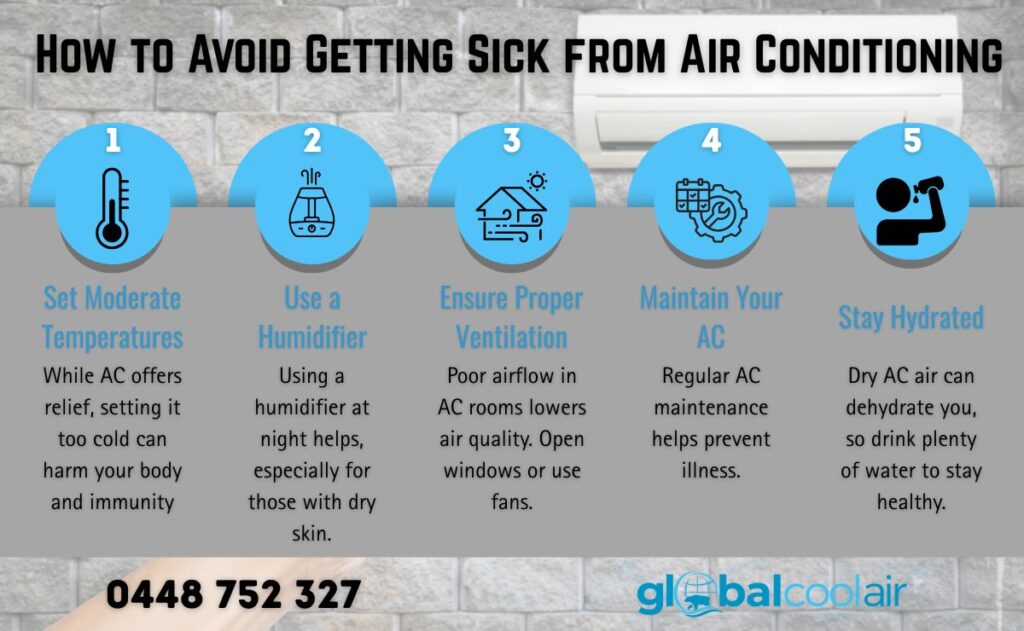
Have you ever noticed your skin feeling tight or your throat getting dry when the air conditioner is on? You might be wondering, “Do air conditioners make the air dry?”
Understanding how your AC affects the air around you can help you stay comfortable and healthy. You’ll discover the surprising truth about air conditioners and dryness, plus simple tips to keep your home feeling fresh and balanced. Keep reading—your comfort depends on it!
How Air Conditioners Work
Air conditioners cool indoor air by removing heat from inside. They use a cycle of compression and expansion of refrigerant.
This process moves heat outside and brings cooler air inside your room or building.
Cooling Process Basics
Air conditioners use a refrigerant that absorbs heat from indoor air. The warm air passes over cold coils filled with refrigerant.
The refrigerant evaporates by taking heat from the air. Then, it moves outside to release the heat and cool down.
- Warm indoor air is pulled into the system
- Air passes over evaporator coils with cold refrigerant
- Refrigerant absorbs heat and evaporates
- Cool air is blown back into the room
- Refrigerant releases heat outside and cools down
Role Of Moisture In Cooling
When warm air cools, its ability to hold moisture drops. Water vapor in the air turns into liquid on the cold coils.
This process removes moisture from the air. The dry air is then circulated back into the room, making it feel less humid.
- Warm air contains moisture as water vapor
- Cold coils cause water vapor to condense
- Condensed water drains away from the system
- Air becomes drier as moisture is removed
Air Conditioners And Indoor Humidity
Air conditioners cool indoor spaces by removing heat from the air. Many people wonder if they also dry out the air inside their homes. Understanding how air conditioners affect moisture helps explain this common question.
Indoor humidity is the amount of water vapor in the air. It affects comfort and air quality. Air conditioners can influence these moisture levels in different ways.
Effect On Air Moisture Levels
Air conditioners lower indoor humidity by removing moisture from the air. As warm air passes over cold evaporator coils, water vapor condenses into liquid. This process reduces the air’s moisture content.
- Warm, humid air enters the air conditioner.
- Air cools down over cold coils.
- Water vapor turns into liquid water.
- Liquid water drains away from the unit.
- Drier air returns to the room.
Dehumidification Mechanism
Air conditioners remove moisture through a process called dehumidification. The key parts are the evaporator coil and the drainage system. Moisture collected on the coil drips into a pan and drains outside.
| Component | Role in Dehumidification |
| Evaporator Coil | Cools air and condenses water vapor |
| Drain Pan | Collects condensed water |
| Drain Line | Removes water from the unit |
| Blower Fan | Circulates drier air back indoors |
Signs Of Dry Air Indoors
Dry air inside your home can cause discomfort and health issues. It often happens when air conditioners run for long hours.
Knowing the signs of dry air helps you fix the problem early. This keeps your home comfortable and healthy.
Common Symptoms
Dry air affects your skin, eyes, and breathing. You may feel itchy or irritated in many ways.
- Dry, flaky, or cracked skin
- Chapped lips and mouth irritation
- Itchy or red eyes
- Frequent nosebleeds
- Scratchy throat or cough
- Static electricity shocks
Impact On Health And Comfort
Dry air can make breathing harder and worsen allergies. It also lowers your comfort at home.
| Health Effect | Description |
| Respiratory issues | Dry air irritates airways and causes coughing |
| Skin problems | Loss of moisture leads to itching and cracks |
| Eye discomfort | Dry eyes feel sore and tired |
| Sleep disturbance | Dry throat and nose affect sleep quality |
| Allergy flare-ups | Dry air can increase allergy symptoms |

Credit: www.youtube.com
Factors Influencing Dryness
Air conditioners can change the moisture level in a room. Some factors decide if the air feels dry or comfortable.
Knowing these factors helps you manage indoor air better. Let’s look at what affects dryness.
Type Of Air Conditioner
Different air conditioners remove moisture in different ways. Some cool air without drying it much. Others lower humidity a lot.
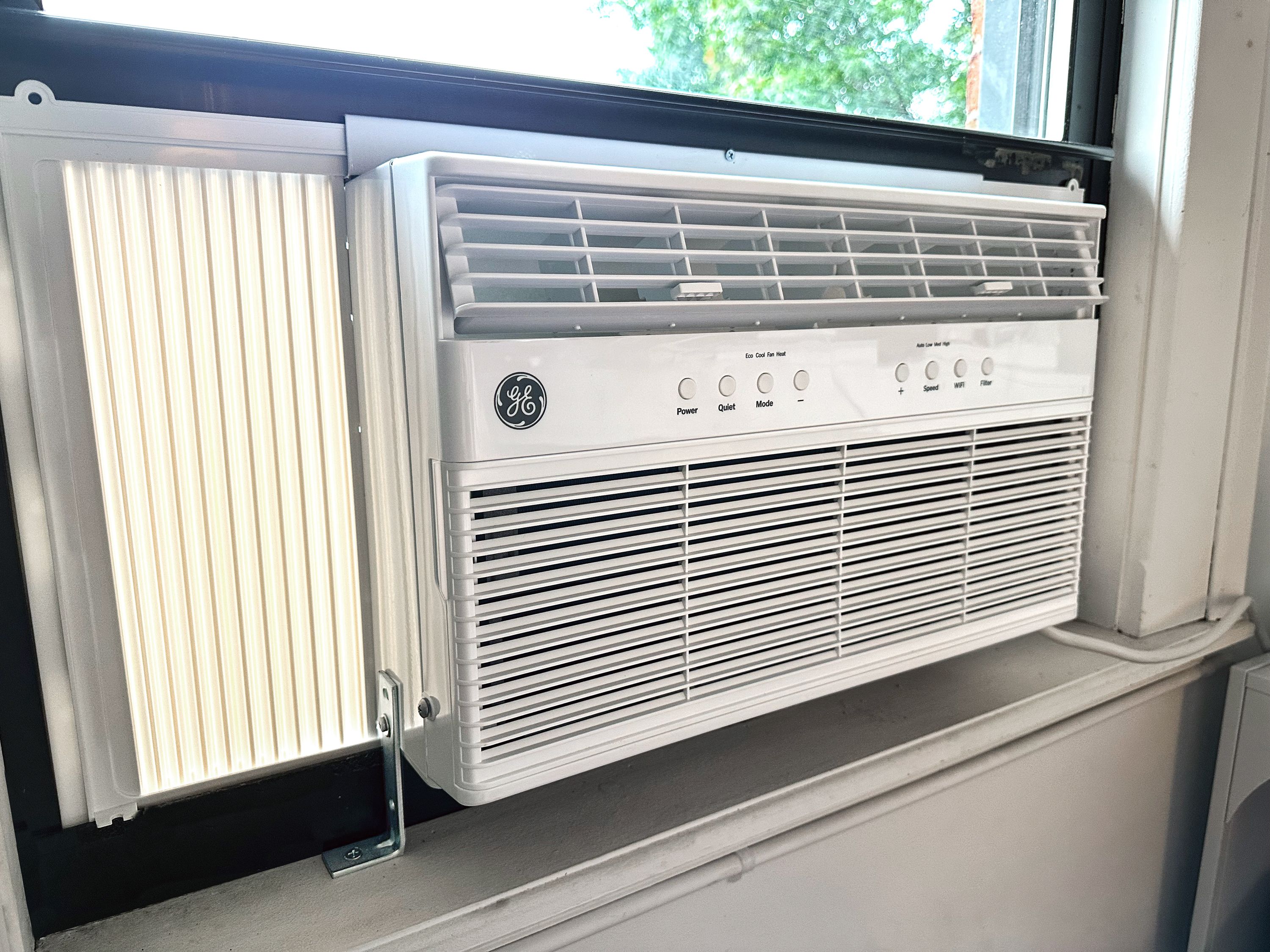
- Window units often remove less moisture.
- Central systems usually have better moisture control.
- Portable air conditioners may produce more dryness.
- Dehumidifiers focus on removing moisture, not cooling.
Outdoor Climate Conditions
The outside weather affects how dry indoor air becomes. Hot and dry climates make rooms drier with air conditioning.
| Outdoor Climate | Effect on Indoor Dryness |
| Hot and Dry | Increases indoor dryness |
| Hot and Humid | Reduces indoor dryness |
| Cold | Varies, usually less dry |
| Moderate | Balanced indoor moisture |
Ventilation And Air Circulation
Airflow affects moisture levels too. Good ventilation can keep air fresh and less dry.
Ways ventilation influences dryness:
- Brings in outdoor air with natural humidity
- Prevents stale, dry air buildup
- Helps balance temperature and moisture
Myths Vs Reality
Many people wonder if air conditioners make the air dry. Some believe AC units remove too much moisture. Others say the air stays comfortable and fresh. Let’s explore what is true and what is not.
This article looks at common myths and real facts about air conditioners and air dryness. You will learn the truth behind these ideas.
Common Misconceptions
Some people think air conditioners cause dry skin and sore throats because they remove all moisture from the air. Others say AC makes the air feel cold and dry no matter what. These beliefs lead to worries about using air conditioning.
- Air conditioners dry out the air completely.
- Dry air from AC causes health problems.
- Running AC means no moisture stays in the room.
- Air conditioners only cool, not affect humidity.
Scientific Findings
Air conditioners cool air by removing heat and some moisture. This can reduce humidity but does not dry the air fully. Most AC systems keep indoor humidity at comfortable levels.
| Effect | Reality |
|---|---|
| Humidity reduction | AC lowers some moisture, but not all. |
| Health impact | Proper AC use does not cause dryness problems. |
| Air quality | Filters in AC can improve air quality. |
| Comfort level | AC keeps air cool and balanced in moisture. |
Modern air conditioners often have controls to adjust humidity. Using them well keeps air fresh without causing dryness.
Ways To Maintain Balanced Humidity
Air conditioners can lower indoor humidity, making the air feel dry. Keeping a good balance of moisture helps comfort and health. There are simple ways to keep humidity just right inside your home.
This guide covers using humidifiers, proper AC maintenance, and natural humidity boosters to keep your air fresh and comfortable.
Using Humidifiers
Humidifiers add moisture back into dry air. They are easy to use and help prevent dry skin and sore throats. Choose the right size humidifier for your room for best results.
- Use a cool mist humidifier for safety and comfort
- Keep the humidifier clean to avoid mold and bacteria
- Set humidity levels between 30% and 50%
- Turn off the humidifier when humidity is high
Proper Ac Maintenance
Maintaining your air conditioner helps control dryness. Clean filters and regular checks improve air quality. Proper settings can reduce moisture loss.
| Maintenance Task | How It Helps |
| Clean or replace air filters monthly | Improves airflow and reduces dry air |
| Check refrigerant levels | Prevents overcooling and excess dryness |
| Schedule yearly professional service | Ensures system runs efficiently |
| Set thermostat to moderate temperature | Maintains comfortable humidity |
Natural Humidity Boosters
Natural methods can raise indoor humidity without machines. Houseplants and water sources add moisture gently. These methods also improve air quality.
- Place bowls of water near heat vents or windows
- Use indoor plants like spider plants or ferns
- Dry clothes indoors on a rack
- Open bathroom doors after showers to spread steam
Choosing The Right Air Conditioner
Air conditioners can cool your home but may dry out the air. Picking the right unit helps keep air comfortable and healthy. It is important to look at features that control humidity and save energy.
Understanding what makes an air conditioner suitable for your needs will help you avoid dry air problems. This guide covers key points to consider before buying.
Humidity Control Features
Some air conditioners come with built-in humidity control. These models help keep moisture levels balanced. This prevents the air from becoming too dry.
- Look for units with “humidity control” or “dehumidifier” functions.
- These models adjust moisture levels while cooling.
- They reduce the chance of dry skin and irritated eyes.
- Some have sensors to measure room humidity automatically.
- Adjustable settings allow you to set comfortable humidity levels.
Energy Efficiency Considerations
Energy-efficient air conditioners use less power and cost less to run. They also tend to keep humidity in check better than older models. Choosing an efficient unit saves money and helps the environment.
| Feature | Benefit |
| Energy Star Rating | Lower electricity bills and less energy waste |
| Inverter Technology | Maintains steady temperature and humidity |
| Programmable Thermostat | Allows better control of cooling and moisture |
| Variable Speed Fans | Adjust airflow to keep air comfortable |
Credit: www.popularmechanics.com

Credit: www.newsobserver.com
Frequently Asked Questions
Do Air Conditioners Reduce Indoor Humidity Levels?
Yes, air conditioners remove moisture from the air, lowering indoor humidity. This drying effect occurs as warm air passes over cold coils, causing condensation. Reduced humidity makes the air feel cooler and less sticky. However, this can sometimes lead to dry skin and respiratory discomfort.
Why Does Ac Air Feel Dry To Breathe?
AC units cool air by extracting moisture, which dries the air inside. This dry air can cause throat irritation or dry skin. The sensation happens because moisture levels drop below what our bodies find comfortable. Using a humidifier can help balance indoor air moisture.
Can Air Conditioners Cause Dry Skin And Eyes?
Yes, air conditioners can cause dry skin and eyes due to moisture loss. The dry indoor air pulls moisture from skin and eyes, leading to discomfort. Staying hydrated and using moisturizing products can reduce these effects while using AC.
How Can I Prevent Dry Air From My Air Conditioner?
To prevent dry air, use a humidifier alongside your AC. Maintain your AC unit regularly to ensure optimal humidity control. Placing water bowls or indoor plants can also add moisture to the air naturally.
Conclusion
Air conditioners can reduce air moisture. This often leads to dry air. Using a humidifier can help. It adds moisture back into the air. Plants can also increase humidity indoors. Regular maintenance of your AC is crucial. It ensures optimal performance and comfort.
Consider using a hydrometer. This tool measures indoor humidity levels. Adjust settings accordingly for best results. Balance is key for comfort and health. Choose the right AC settings for your needs.