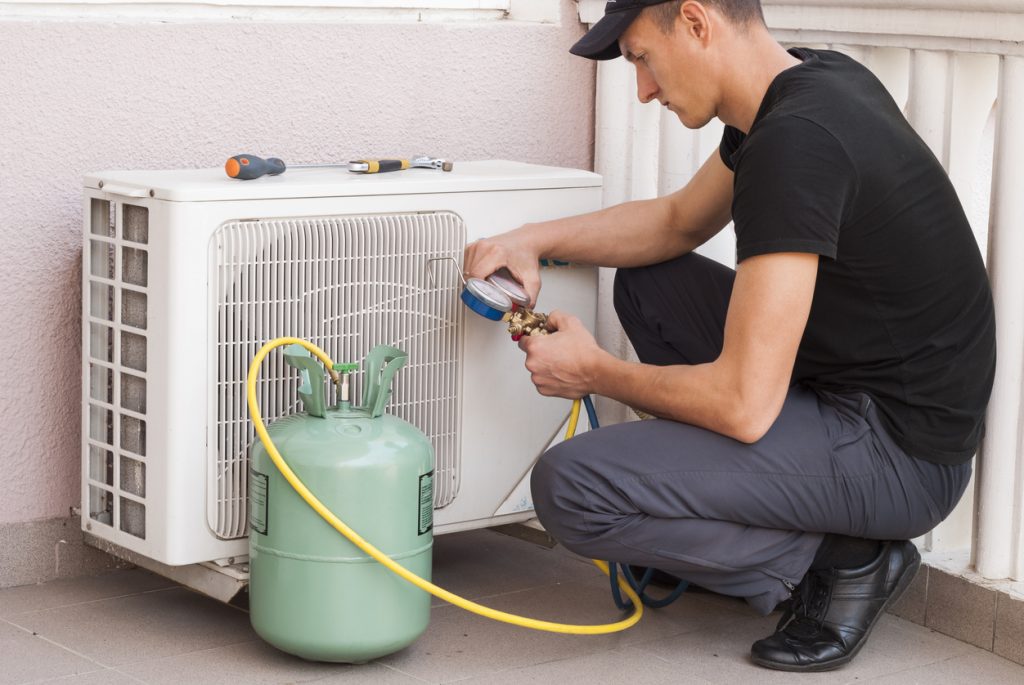
Have you noticed your air conditioner isn’t cooling like it used to? You might be wondering if it needs a recharge.
Understanding whether your AC requires recharging can save you money and keep your home comfortable. You’ll learn the signs that show when your air conditioner needs attention and what steps you should take next. Keep reading to make sure your AC is running smoothly all year long.
How Air Conditioners Work
Air conditioners cool your home by removing heat from inside. They use a special process to transfer heat outside.
This process depends on parts working together and a chemical called refrigerant. Understanding these helps you know why ACs sometimes need recharging.
Cooling Cycle Basics
The cooling cycle moves heat from inside your home to outside. It starts when warm air inside hits cold pipes in the AC.
The refrigerant absorbs heat and changes from liquid to gas. Then the AC pushes this gas outside where it cools down and turns back to liquid.
Role Of Refrigerant
Refrigerant is the key chemical that carries heat in the AC system. It moves between liquid and gas to absorb and release heat.
- Absorbs heat inside your home.
- Turns into gas to carry heat outside.
- Releases heat outside and turns back to liquid.
- Repeats cycle to keep your home cool.
Signs Of Refrigerant Issues
Low refrigerant causes poor cooling and other problems. You might notice your AC is less effective or makes strange noises.
| Sign | What It Means |
| Warm air from vents | Low refrigerant or leak |
| Long running cycles | System struggles to cool |
| Ice buildup on coils | Refrigerant is low or blocked |
| Hissing sound | Possible refrigerant leak |
Credit: www.abcsouthwest.com
When To Recharge An Ac
Air conditioners need enough refrigerant to work well. Sometimes, the refrigerant level drops. This can make the AC less cool and less efficient.
Recharging an AC means adding more refrigerant. You should recharge only when signs show the level is low. This helps keep your home cool and saves energy.
Low Cooling Efficiency
If your AC is not cooling like before, it may need a recharge. Low refrigerant makes the AC work harder but cool less. You might feel warm air instead of cold.
Check if the room takes longer to cool. If yes, low cooling efficiency can mean low refrigerant. This is a good time to recharge your AC.
Visible Leaks And Pressure Drops
Leaks cause refrigerant to escape from the AC system. You may see oil stains or wet spots near the unit. This loss lowers the pressure inside the AC.
Pressure drops show the AC is losing refrigerant. If you notice leaks or low pressure, recharge the system after fixing the leak to avoid damage.
- Look for oily spots around pipes or coils
- Use pressure gauges to check refrigerant levels
- Fix leaks before recharging the AC
Unusual Noises And Smells
Strange sounds like hissing or bubbling can mean low refrigerant. These noises come from pressure changes inside the AC. Bad smells may also appear from mold growth caused by poor cooling.
If you hear unusual noises or smell odd odors, check your AC. These signs suggest the system may need a recharge or maintenance to work properly.
Risks Of Improper Refrigerant Levels
Air conditioners use refrigerant to cool your home. The right amount is very important for the system to work well.
If the refrigerant level is too low or too high, it can cause problems. These issues can harm the AC unit and raise energy costs.
Damage To Compressor
The compressor is a key part of the air conditioner. It pushes the refrigerant through the system.
Low refrigerant levels make the compressor work harder. This can cause it to overheat and break down.
- Too little refrigerant causes poor lubrication
- Overheating can lead to compressor failure
- Repairing or replacing the compressor is costly
Increased Energy Consumption
Improper refrigerant levels make the air conditioner less efficient. It needs more power to cool the same space.
This wastes electricity and raises your energy bills. Your AC will run longer and use more energy.
- Low refrigerant makes AC run longer
- Longer run time means higher electricity use
- Higher bills without better cooling
Environmental Concerns
Refrigerants can harm the environment if leaked. Some types damage the ozone layer and add to global warming.
Proper refrigerant levels reduce leaks and protect the environment. Handling refrigerants carefully is important for safety.
- Leaking refrigerant harms the ozone layer
- Some refrigerants have a high global warming effect
- Safe handling reduces environmental damage

Credit: www.a-1comfortcare.com
How Professionals Recharge Ac Systems
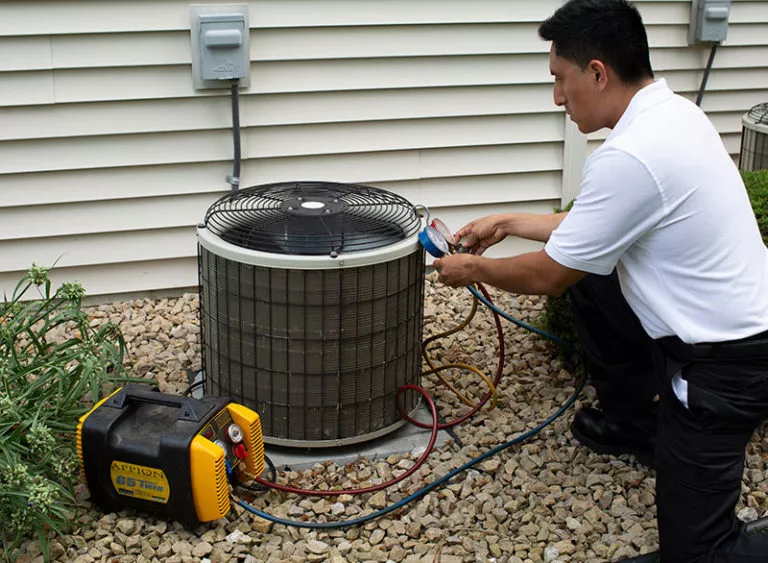
Air conditioners need the right amount of refrigerant to cool well. Professionals recharge AC systems to keep them working properly. They follow careful steps to add refrigerant safely and correctly.
Recharging is not just about adding refrigerant. Technicians check for leaks, use the right type of refrigerant, and follow safety rules. This ensures the AC runs efficiently and lasts longer.
Leak Detection And Repair
Before recharging, professionals check the AC for leaks. A leak can let refrigerant escape and cause the system to fail. Detecting leaks early prevents bigger problems.
Technicians use special tools to find leaks. They may use UV dye, electronic detectors, or soap bubbles. Once they find a leak, they repair it to stop refrigerant loss.
- Use UV dye to spot leaks under UV light
- Electronic leak detectors sense refrigerant gas
- Soap bubbles show leaks by forming bubbles on leaks
- Repair leaks by sealing or replacing parts
Refrigerant Types And Compatibility
AC systems use different refrigerants, like R-22 or R-410A. Professionals know which type suits each unit. Using the wrong refrigerant can damage the system.
Technicians check the AC label or manual for the correct refrigerant type. They use only compatible refrigerants and follow rules for handling them. This keeps the system safe and efficient.
- R-22 is older and being phased out
- R-410A is common in newer AC systems
- Mixing refrigerants can cause damage
- Check the AC unit’s label for refrigerant type
Safety Precautions
Handling refrigerants needs care because they can be harmful. Professionals use safety gear like gloves and goggles. They work in well-ventilated areas to avoid gas buildup.
Technicians follow rules for storing and disposing of refrigerants. They avoid releasing refrigerants into the air to protect the environment. Safety is key during every step of recharging.
- Wear gloves and safety glasses
- Work in ventilated spaces
- Use proper tools and equipment
- Follow local laws for refrigerant disposal
- Never release refrigerant gas into the air
Diy Vs Professional Recharging
Air conditioners may need recharging if they do not cool well. Recharging adds more refrigerant to the system. You can do this yourself or hire a professional.
Both options have good and bad points. It is important to know the differences before deciding.
Tools And Skills Required
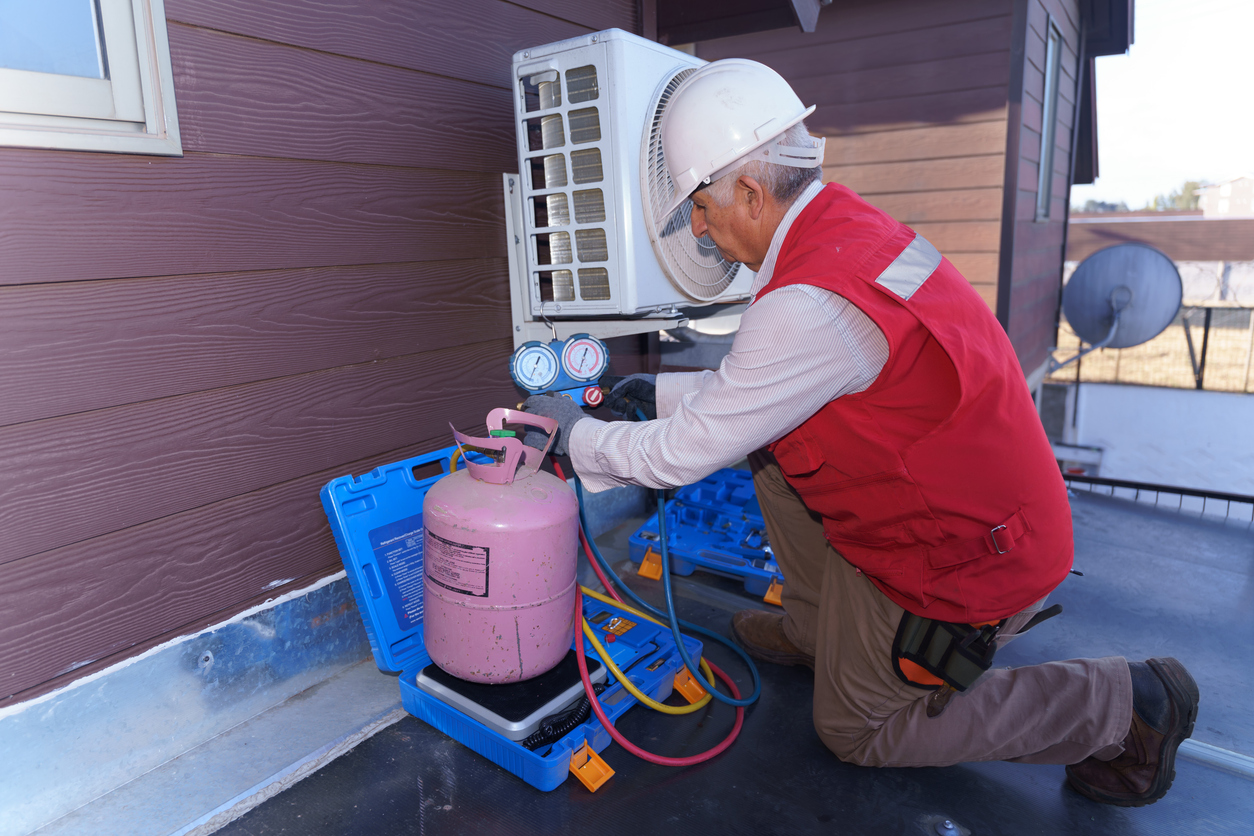
Recharging an air conditioner needs special tools and knowledge. Professionals use gauges, hoses, and refrigerant tanks. They know how to check pressure and add the right amount.
DIY recharging kits are sold for home use. These kits come with basic tools. Still, you need to understand how to use them safely and correctly.
- Pressure gauges to measure refrigerant level
- Hoses to connect the tank to the AC
- Refrigerant suitable for your AC model
- Knowledge of how much refrigerant to add
- Ability to detect leaks and fix them
Potential Hazards
Recharging air conditioners can be risky. Refrigerant is harmful if it leaks on skin or in the air. Wrong handling can damage the AC or cause injury.
Professionals follow safety rules and have training. DIY users may miss leaks or overfill the system. This can lead to poor performance or breakdown.
- Refrigerant can cause frostbite on skin contact
- Leaks may harm the environment
- Overcharging can damage the compressor
- Incorrect handling may void warranties
Cost Considerations
DIY recharging kits cost less upfront. They save money if you do it right the first time. But mistakes can cause costly repairs.
Hiring a professional costs more but includes safety checks. They find leaks and fix problems. This can prevent bigger expenses later.
- DIY kits range from $20 to $50
- Professional service costs $100 to $300
- Repairs from DIY mistakes can cost hundreds
- Professional work often includes warranty
Maintaining Proper Refrigerant Levels
Air conditioners need the right amount of refrigerant to work well. Refrigerant helps cool the air inside your home.
If the refrigerant level is too low, the air conditioner cannot cool properly. It may also damage the system over time.
Regular Inspections
Check your air conditioner regularly to keep refrigerant at the right level. Look for leaks or low refrigerant signs.
Leaks can cause the refrigerant to drop. A professional can find and fix leaks during an inspection.
- Listen for hissing sounds from the unit
- Watch for ice build-up on the coils
- Notice if cooling is weaker than before
Preventive Maintenance Tips
Keep your air conditioner clean and well-maintained to avoid refrigerant problems. Change filters and clean coils often.
Maintaining the system helps it run smoothly and keeps refrigerant levels stable. Do not try to add refrigerant yourself.
- Replace air filters every 1-3 months
- Clear debris around the outdoor unit
- Schedule coil cleaning once a year
- Do not block air vents
When To Schedule Service
Call a professional if your air conditioner cools poorly or makes strange noises. These signs may mean low refrigerant.
Regular service helps keep refrigerant levels correct. A technician can recharge the refrigerant if needed.
- Cooling takes longer than usual
- Unit runs constantly without cooling
- Ice forms on the coils or pipes
- Higher energy bills without reason
Credit: www.superior-air.com
Frequently Asked Questions
How Often Should Ac Units Be Recharged?
Air conditioners typically do not need regular recharging. If your AC isn’t cooling effectively, it might require a recharge. This could indicate a refrigerant leak. It’s advisable to consult a professional technician to diagnose and fix the issue. Regular maintenance can prevent frequent recharges.
What Are Signs Your Ac Needs Recharging?
If your AC isn’t cooling well or blows warm air, it might need a recharge. Other signs include a hissing sound or ice on the unit. These symptoms usually indicate a refrigerant leak, which requires professional attention to fix.
Can You Recharge Ac Yourself?
Recharging an AC system requires expertise and special tools. It’s not recommended for DIY. Incorrect handling can lead to damage or safety hazards. It’s best to hire a certified technician. They can safely recharge your system and check for underlying issues.
How Much Does It Cost To Recharge An Ac?
The cost to recharge an air conditioner varies. Typically, it ranges from $100 to $300. The price depends on your location and AC model. Additional repairs, like fixing leaks, can increase the cost. Always get a professional diagnosis to ensure effective and safe service.
Conclusion
Air conditioners need recharging only when their cooling drops. Low refrigerant causes poor airflow and warm air. Regular check-ups can prevent big problems later. Trust a professional to inspect and recharge safely. Keep your AC running smoothly and cool all summer.
Simple care saves money and avoids discomfort. Don’t wait until the heat gets unbearable. Stay cool with proper AC maintenance.