Have you ever wondered what powers your air conditioner? Is it gas or electricity that keeps your home cool and comfortable?
Understanding how your AC works can help you make smarter choices for your energy bills and the environment. You’ll discover the answer to this common question and learn how it affects your daily life. Keep reading to find out what really runs your air conditioner and how that knowledge can save you money and energy.
How Air Conditioners Work
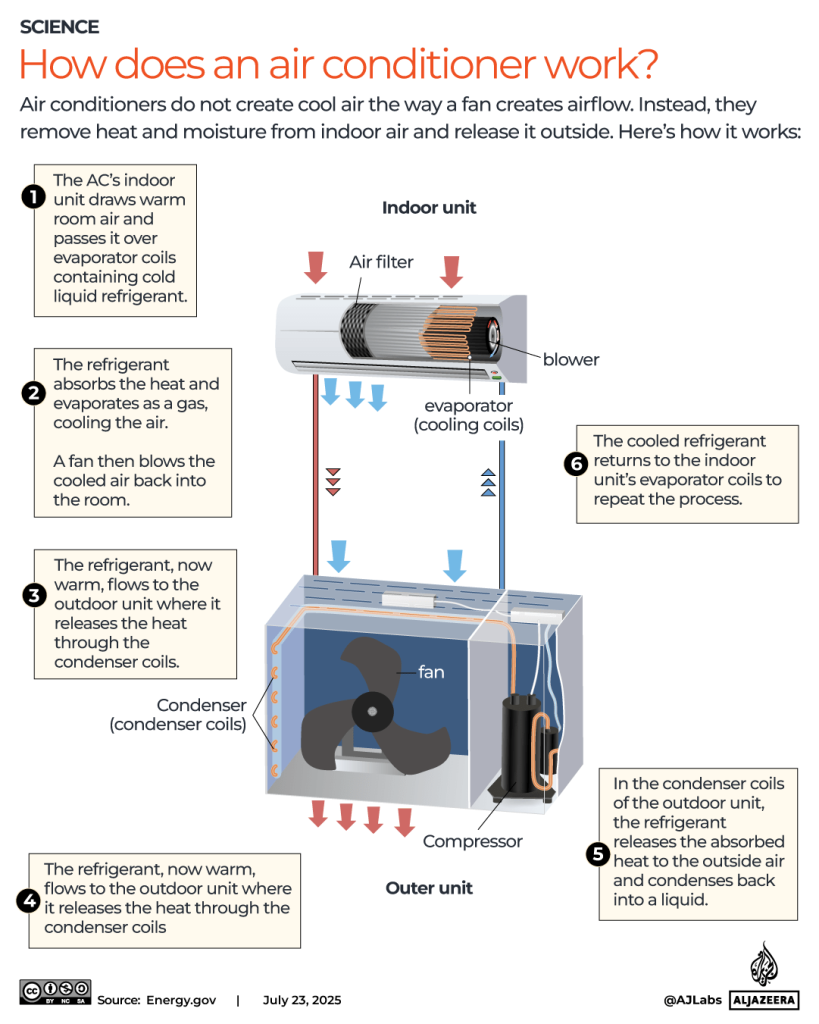
Air conditioners use electricityto run, not gas. The cooling happens through a cycle inside the unit.
The cooling cyclemoves heat from inside your room to outside. It uses a special liquid called refrigerant. This liquid changes from gas to liquid and back again. This change helps absorb heat from the air inside your home.
| Step | Description |
|---|---|
| Evaporation | Refrigerant absorbs heat and turns into gas inside the evaporator coil. |
| Compression | Compressor squeezes the gas, raising its temperature and pressure. |
| Condensation | Hot gas cools down and becomes liquid in the condenser coil outside. |
| Expansion | Liquid refrigerant passes through an expansion valve, lowering pressure and temperature. |
The energy conversionprocess turns electrical energy into cooling power. The compressor and fan inside the AC use electricity to move and cool the air. No gas is burned; the AC only moves heat around.

Credit: www.evapolar.com
Electricity In Air Conditioners
Air conditioners use electricityto power their key parts. The compressorneeds electricity to pump refrigerant through the system. Fans also run on electricity to move air inside and outside the room.
Several electrical componentswork together in an air conditioner:
- Compressor motor
- Fan motors
- Thermostat controls
- Capacitors and relays
The energy usedepends on the AC size and settings. Bigger units use more power. Running the AC at a lower temperature increases electricity use. Modern units often have better energy efficiency, saving power.
Use Of Gas In Air Conditioners
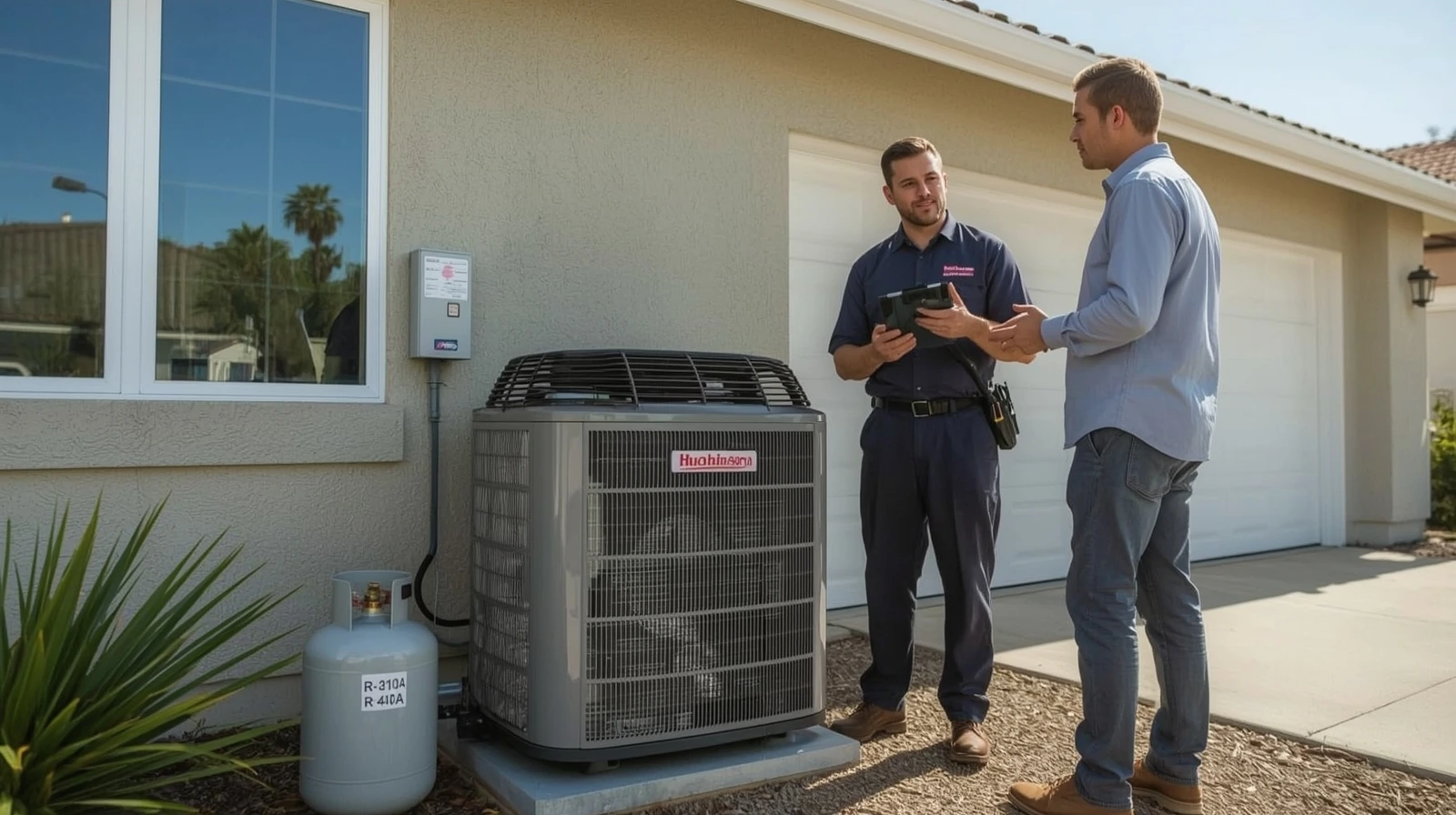
Air conditioners use special refrigerant gasesto cool air. These gases absorb heat inside the unit and release it outside. The most common refrigerants include R-410Aand R-32. They are not used as fuel but help the cooling process.
| Type of Gas | Purpose | Example |
|---|---|---|
| Fuel Gas | Used for burning to create energy | Natural Gas, Propane |
| Refrigerant Gas | Used to transfer heat in ACs | R-410A, R-32 |
Refrigerants can impact the environment. Older types, like R-22, harm the ozone layer. Newer gases are made to reduce damage. Proper handling and recycling of refrigerants help protect the planet.

Credit: coastalhomeservicesinc.com
Comparing Gas And Electric Systems
Electric air conditionersuse electricity to cool your home. They are common and easy to install. Gas air conditionersor gas-powered systems use natural gas for heating and electricity for cooling. They are less common but can be efficient in some areas.
Efficiency And Performance
Electric systems cool quickly and work well in many climates. Gas systems are often better for heating, especially in colder places. Electric units can have higher energy efficiency ratings, but gas systems may save money on heating costs.
Cost Considerations
- Electric units usually have lower upfront costs.
- Gas systems can be more expensive to install.
- Electricity prices vary; gas prices can be cheaper in some regions.
- Long-term costs depend on fuel prices and system use.
Maintenance Requirements
- Electric systems need regular filter changes and cleaning.
- Gas systems require more safety checks and inspections.
- Both need professional servicing for best performance.
- Gas systems may need chimney or vent cleaning.
Alternatives To Traditional Air Conditioners
Gas-powered air conditioning unitsuse natural gas to cool spaces. They are common in areas with cheap gas prices. These units often cost less to run than electric models. They work by burning gas to create cooling energy. Maintenance can be different from electric units, so check service options. They can be a good choice for homes not fully wired for electricity.
Solar-powered systemsuse energy from the sun. Solar panels collect sunlight and turn it into power for air conditioners. This option helps reduce electricity bills. It works best in sunny places. Initial setup costs can be high but save money over time. Solar systems are eco-friendly and reduce carbon footprint.
Hybrid cooling solutions combine gas and electric power. They switch between energy sources for better efficiency. This means lower running costs and less environmental impact. Hybrids offer flexible options for different weather conditions and energy prices.
Choosing The Right System For Your Needs
Climateplays a big role in choosing an air conditioner. In hot, humid places, systems using electricityfor cooling are common. In milder areas, gas-powered systems can be enough.
Usagematters too. Electric air conditioners work well for frequent use. Gas units might be better for less frequent or spot cooling.
| Energy Source | Availability | Notes |
|---|---|---|
| Electricity | Widely available in most areas | Easy to install and maintain |
| Gas | Available in some regions only | Needs a gas line and proper ventilation |
- Electric systemsmight cost more upfront but save energy over time.
- Gas systemscan have lower initial costs but higher fuel expenses.
- Long-term savings depend on local energy prices and system efficiency.
Credit: hvac-temecula-murrieta.com
Frequently Asked Questions
Do Air Conditioners Use Gas Or Electricity?
Air conditioners primarily use electricity to power their systems. Some models might integrate gas for heating functions. However, the cooling process relies on electricity. It’s important to differentiate between air conditioners and HVAC systems. HVAC systems may use both gas and electricity for heating and cooling.
How Does An Air Conditioner Function?
Air conditioners function by using electricity to power a compressor. This circulates refrigerant between indoor and outdoor units. The refrigerant absorbs heat from indoor air. Then, it releases it outside, cooling your home. This cycle repeats until the desired temperature is reached.
Are Electric Air Conditioners More Efficient?
Electric air conditioners are generally efficient and eco-friendly. Modern units come with energy-saving features. These include variable speed compressors and smart thermostats. Regular maintenance can enhance their efficiency. It’s crucial to check the Energy Efficiency Ratio (EER) when purchasing.
Is Gas Used In Air Conditioners?
Gas is not used for cooling in air conditioners. However, some units might use gas for heating purposes. This is common in HVAC systems. Always consult your unit’s manual or a professional technician for specific details.
Conclusion
Air conditioners mainly run on electricity to cool your space. Some types use gas for heating, but electricity powers most units. Knowing this helps you choose the right system for your needs. It also affects your energy bills and home setup.
Understanding how air conditioners work makes you a smarter buyer. Think about your climate and energy costs before deciding. This way, you get comfort without surprises. Simple and clear.