Ever wondered if your air conditioner is secretly sipping water while keeping you cool? You’re not alone.
Many people are curious about what goes on behind the scenes of their trusty AC units. Whether you’re thinking about saving water, concerned about efficiency, or just plain curious, unraveling the mystery of how air conditioners work is surprisingly fascinating.
Imagine understanding your AC so well that you can keep it running smoothly and avoid unnecessary costs. Ready to dive into the cool facts and find out if your air conditioner actually uses water? Let’s explore the hidden mechanisms that might just surprise you.

Credit: northnjhvac.com
How Air Conditioners Work
Air conditioners cool indoor air to keep rooms comfortable. They do this by moving heat from inside to outside. This process uses special parts and materials.
Many people wonder if air conditioners use water to cool the air. The answer involves understanding how the cooling system works and the role of refrigerants.
Basic Cooling Mechanism
Air conditioners use a cycle to cool the air. The main parts are the evaporator, compressor, condenser, and expansion valve. The system moves heat out of the indoor air.
- The evaporator absorbs heat from inside air.
- The compressor squeezes the refrigerant to raise its temperature.
- The condenser releases heat outside the building.
- The expansion valve lowers the refrigerant pressure to cool it.
This cycle repeats to keep the indoor air cool. Water is not directly used in this process, but some air conditioners may use water to help cool the condenser.
Role Of Refrigerants
Refrigerants are special fluids that carry heat in the air conditioner. They change from liquid to gas and back to liquid during the cooling process.
| Stage | Refrigerant State | Function |
| Evaporation | Liquid to Gas | Absorbs heat from indoor air |
| Compression | Gas | Increases pressure and temperature |
| Condensation | Gas to Liquid | Releases heat outside |
| Expansion | Liquid | Lowers pressure and temperature |

Credit: northnjhvac.com
Water Usage In Different Ac Types
Air conditioners cool indoor spaces using different methods. Some use water directly, and others do not. Understanding water use helps choose the right AC type.
This guide looks at three common AC types and their water needs. These are evaporative coolers, central air conditioning systems, and window or split units.
Evaporative Coolers
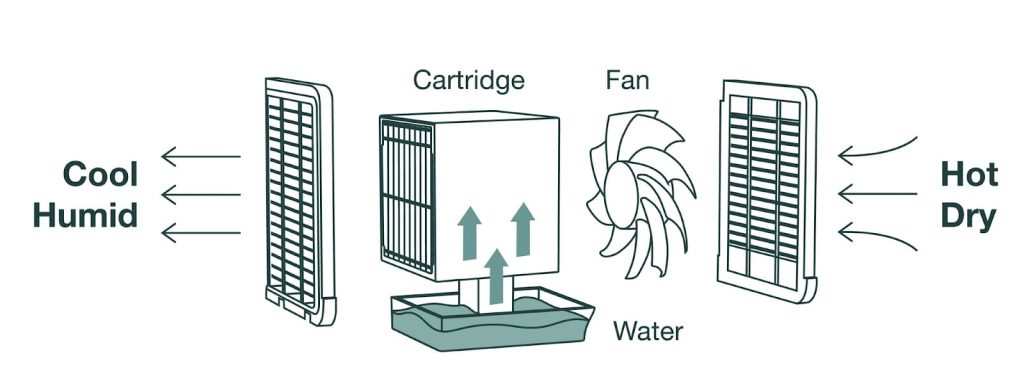
Evaporative coolers use water to cool the air by evaporation. They pull warm air through wet pads. The air cools down as water evaporates. This type needs regular water supply to work well.
- Uses large amounts of water directly
- Best in dry climates
- Needs water refills often
- Consumes less electricity compared to other ACs
Central Air Conditioning Systems
Central AC systems mostly use refrigerants, not water, to cool air. Water is used in some parts like cooling towers or condensers. These parts help release heat outside.
| Component | Water Use | Purpose |
| Cooling Tower | High | Removes heat from refrigerant |
| Condenser | Moderate | Condenses refrigerant gas to liquid |
| Indoor Unit | None | Cools and circulates air |
Window And Split Ac Units
Window and split AC units mostly do not use water directly. They cool air by circulating refrigerant inside sealed pipes. Water forms only as condensation and drains away.
Key points about water in these AC units:
- Water is a byproduct, not a cooling agent
- Condensation water drains outside or inside a tray
- Minimal water use compared to evaporative coolers
- Maintenance includes clearing drainage pipes
Condensation And Water Production
Air conditioners cool the air by removing heat and moisture. This process causes water to form inside the unit. Many people wonder if air conditioners use water to work. Actually, they produce water instead of using it.
Understanding how condensation forms and how water is disposed helps explain the water production in air conditioners. This guide covers these key points.
How Condensation Forms
Condensation happens when warm, humid air touches the cold parts of the air conditioner. The moisture in the air turns into water droplets. This process is similar to how water forms on a cold glass on a hot day.
- Warm air enters the air conditioner.
- Air passes over cold evaporator coils.
- Moisture in the air cools and turns to water.
- Water collects on the coils and drips into a pan.
Water Disposal Methods
The water produced inside the air conditioner needs to be removed. This prevents damage and keeps the system working well. There are several ways air conditioners get rid of this water.
| Method | Description |
| Drain Pipe | Water flows out through a pipe to outside or a drain. |
| Evaporation | Some water evaporates back into the air inside the unit. |
| Collection Pan | Water collects in a pan that needs regular cleaning. |

Credit: northnjhvac.com
Myths About Water Consumption
Many people think air conditioners use a lot of water. This idea causes confusion about their true impact. Let’s clear up the facts about AC water use.
This article explores common myths and explains how air conditioners work with water and electricity.
Do Acs Consume Water?
Most air conditioners do not use water to cool the air. Instead, they use a chemical refrigerant inside sealed pipes. This refrigerant absorbs heat from the indoor air.
Some AC types, like evaporative coolers, do use water. They cool air by evaporating water, which adds moisture. But standard central or window AC units do not consume water during operation.
- Standard ACs use refrigerants, not water.
- Evaporative coolers need water to cool air.
- Water use depends on the AC type, not all units use water.
- Condensation from ACs is water removed from air, not consumed.
Water Vs Electricity Usage
Air conditioners mainly consume electricity, not water. The amount of electricity used depends on the unit size and efficiency. Water use is minimal or none for most ACs.
| Type of AC | Water Consumption | Electricity Consumption |
| Standard AC (Central, Window) | None | High |
| Evaporative Cooler | Moderate | Low |
| Portable AC | None | Moderate |
Understanding the difference helps users choose the right cooling system for their needs and environment.
Water Efficiency And Conservation Tips
Air conditioners use water in some cases, especially in cooling towers or evaporative coolers. Understanding water use helps save this valuable resource.
Saving water with your AC means less waste and lower bills. Simple steps make a big difference.
Maintaining Your Ac
Keep your air conditioner clean and well-serviced. This helps it use less water and energy.
Check for leaks and fix them fast. Dirty filters reduce efficiency and increase water use.
- Clean or replace filters regularly
- Inspect pipes and connections for leaks
- Schedule professional maintenance yearly
- Clear debris from outdoor units
Choosing Water-efficient Models
Pick AC units that use less water or recycle it. Some models cool air without much water loss.
Look for units with water-saving features like closed-loop systems or smart controls.
- Evaporative coolers with water-saving modes
- Air conditioners with water reuse technology
- Energy-efficient models that reduce water need
- Units with automatic water level sensors
Environmental Impact Of Ac Water Use
Air conditioners cool indoor spaces by removing heat. Some types use water in their process. This water use affects the environment in many ways.
Understanding how much water AC units use helps us see their impact. We can then find ways to reduce water waste.
Water Footprint Of Cooling Systems
Cooling systems like evaporative coolers use water directly. This water evaporates to cool the air. It can use a lot of water, especially in dry areas.
Other AC types, like traditional air conditioners, use little or no water. But they use electricity, which may cause indirect water use at power plants.
- Evaporative coolers need constant water supply.
- Traditional ACs use water indirectly through power plants.
- Water use varies by climate and AC type.
Sustainable Cooling Alternatives
Some cooling methods use less water or save energy. These options reduce environmental harm. They include newer technologies and smart designs.
Using shading, natural ventilation, and energy-efficient AC units lowers water and power use. Choosing the right system helps protect water resources.
- Use energy-efficient air conditioners
- Install shading and insulation
- Try natural ventilation when possible
- Consider evaporative coolers only where water is abundant
Frequently Asked Questions
Do Air Conditioners Use Water To Cool The Air?
Most modern air conditioners do not use water directly. They rely on refrigerants to absorb heat and cool the air. However, evaporative coolers, a different type, use water to cool by evaporation.
How Does Water Affect Air Conditioner Efficiency?
Water can improve cooling efficiency in evaporative coolers by lowering air temperature. In standard ACs, water buildup from condensation must be drained to prevent damage and maintain efficiency.
Can Air Conditioners Work Without Water?
Yes, most air conditioners work without water. They use refrigerants and compressors to cool air. Only evaporative coolers require water to function properly.
Why Do Some Air Conditioners Produce Water?
Air conditioners remove humidity from the air during cooling. This moisture condenses on coils and forms water, which is then drained away to prevent indoor dampness.
Conclusion
Air conditioners mostly do not use water to cool air. They work by moving heat outside using a refrigerant. Some types, like evaporative coolers, do use water to lower temperature. Knowing this helps you understand how your AC works. It also guides you in choosing the right cooling system.
Cooling without water is common in many air conditioners. Water use depends on the AC type and climate. Now, you can decide what suits your home best.