Are you wondering if every air conditioner needs a window to work? You’re not alone.
Many people assume that all air conditioners must be installed in a window, but that’s not always true. Understanding how different air conditioners work and where they can go can save you time, money, and frustration. Keep reading to discover the facts about air conditioners and windows—so you can choose the best cooling solution for your space without any guesswork.
Types Of Air Conditioners
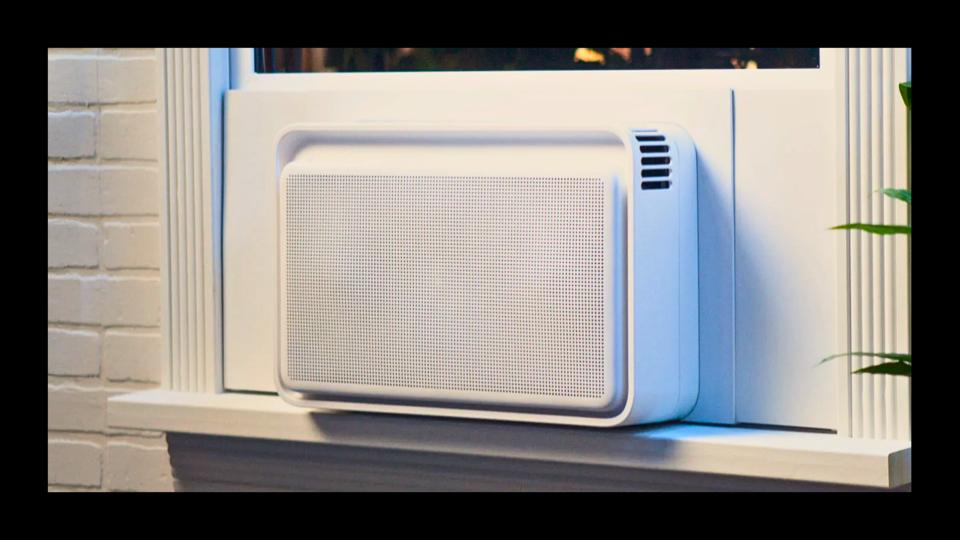
Window unitsfit into a window frame. They cool one room well. Easy to install and remove. Best for small spaces.
Split systemshave two parts: an indoor unit and an outdoor unit. Quiet inside. Cools larger areas. Needs professional setup.
Portable air conditionerscan move from room to room. They need a vent hose through a window or wall. Good for renters or temporary use.
Central air conditioningcools whole houses through ducts. More expensive but very effective. Works quietly and keeps air fresh.
Window Requirements For Different Ac Types
Window air conditionersneed a window to vent hot air outside. They push warm air out through the back. This stops the room from getting hotter.
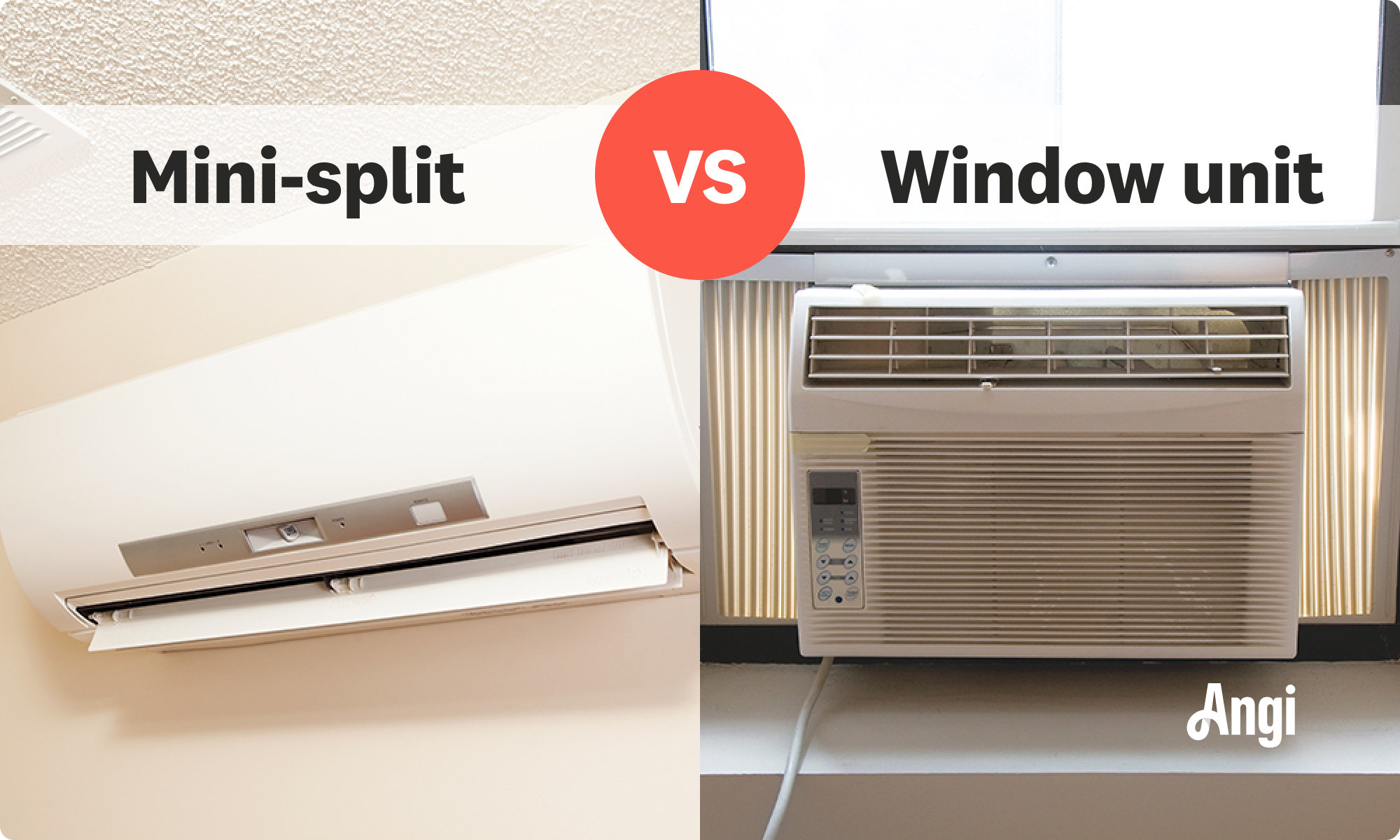
Split ACsdo not need a window. Their compressor sits outside the house. The indoor unit blows cool air inside. Pipes connect both units through a small hole in the wall.
Portable ACsneed venting too. They use a hose to push hot air outside. This hose can go through a window or a wall vent. Without venting, the room will stay warm.
| AC Type | Window Needed? | How Venting Works |
|---|---|---|
| Window Unit | Yes | Vents hot air through window |
| Split AC | No | Outdoor unit connected by pipes |
| Portable AC | Yes (for hose) | Hose vents hot air outside |
Alternatives To Window Installation
Through-the-wall unitsfit directly into an exterior wall. They do not need a window. These units are fixed and offer good cooling. Installation requires a hole in the wall for the unit to fit.
Ductless mini-splitshave two parts: an indoor unit and an outdoor compressor. The indoor unit is mounted high on a wall. A small hole connects the two parts. They cool rooms quietly and save space.
Evaporative coolerswork by adding moisture to the air. They need good airflow and a vent to the outside. These coolers use less energy but work best in dry climates.

Credit: windmillair.com
Factors Influencing Ac Placement
Room sizeaffects the type of air conditioner needed. Larger rooms need units with higher cooling power. The layoutmatters too. Open spaces cool differently than closed rooms. Proper placement helps cool the entire area well.
Good ventilationis key for air conditioners. Some models require a window to push hot air outside. Others, like portable ACs, can use vents or hoses. Without proper ventilation, cooling won’t be effective.
| Energy Efficiency Factor | Impact on AC Placement |
|---|---|
| Sunlight Exposure | High sun can make cooling harder; shading helps |
| Insulation Quality | Better insulation keeps rooms cooler longer |
| AC Type | Window units usually need window space; split units don’t |
Common Myths About Air Conditioner Installation
Not all air conditioners need a window. Different types have different needs. Window ACsmust be installed in a window or wall opening to vent hot air outside. Portable ACsoften need a window for venting but can be moved around easily. Central AC systemsdo not need windows. They use ducts to cool the whole house.
Some think portable units are less effective. Portable ACs work well in small rooms. They may cool slower than window or central units. Their strength depends on room size and unit power.
Central AC is not always the best choice. It cools large spaces efficiently but costs more to install. Smaller homes or single rooms might do better with window or portable units.

Credit: thelenmechanical.com
Tips For Choosing The Right Air Conditioner
Check the size of your roombefore choosing an air conditioner. Some units need a windowto vent hot air out. Others are portableand can work without windows. Measure the space to ensure the unit fits well and cools effectively.
Think about energy costs. Air conditioners with a high Energy Efficiency Ratio (EER)save money on bills. Look for models with Energy Starlabels. Using a timer or thermostat helps reduce energy use.
Installation varies by type. Window units need a secure, level window opening. Portable units require a vent hose but no permanent setup. Regular maintenanceincludes cleaning filters and checking for leaks. This keeps the unit running well and lasts longer.
Credit: www.angi.com
Frequently Asked Questions
Do All Air Conditioners Require A Window?
Not all air conditioners require a window for installation. Portable air conditioners can be vented through a window or an alternative venting method. Ductless mini-split systems don’t need windows and are installed on walls. Choosing the right type depends on your space and cooling needs.
Can I Use An Ac Without A Window?
Yes, you can use an air conditioner without a window. Portable air conditioners can be vented through doors or walls. Ductless mini-split systems are wall-mounted and require no window. Consider alternatives based on installation flexibility and room layout.
What Are Windowless Air Conditioners?
Windowless air conditioners include portable and ductless mini-split systems. Portable units can be vented through doors or walls. Ductless mini-splits are installed on walls and don’t need windows. These systems offer flexibility in cooling different spaces without relying on windows.
How Do Portable Air Conditioners Work?
Portable air conditioners extract warm air and moisture from a room. They vent the hot air outside through a hose. This hose can be placed in a window, door, or wall vent. They are convenient and easy to move, making them versatile for different spaces.
Conclusion
Not all air conditioners need a window for installation. Some models, like portable and split ACs, work without a window. Window units must fit in an open window or wall. Portable ACs use a hose to vent hot air outside.
Split ACs have two parts, one inside and one outside. Choosing the right type depends on your space and needs. Think about where you want to place the unit before buying. This helps save money and keeps your home cool efficiently.
Cooling your space is possible without relying on a window.