Are you wondering if your all-wheel drive car really needs its tires rotated? You might think that because power goes to all four wheels, tire care could be different or even less important.
But skipping tire rotation can lead to uneven wear, reduce your car’s performance, and even cost you more in the long run. You’ll discover why tire rotation matters for your all-wheel drive vehicle and how it can save you money while keeping your ride smooth and safe.
Keep reading to find out the simple steps you can take to protect your tires and get the most out of your car.
Credit: www.michelin.ca
Why Tire Rotation Matters
All wheel drive cars often get questions about tire care. One common question is about tire rotation. Rotating tires means moving them to different positions on the car.
This simple action helps tires last longer and keeps the car running well. Tire rotation plays a key role in vehicle maintenance.
Effects On Tire Wear
Tires wear unevenly if not rotated. Front tires often wear faster because they steer and carry more weight. Rear tires wear differently. Rotation balances this wear.
- Helps all tires wear evenly
- Extends tire life
- Reduces the chance of early tire replacement
- Maintains proper tread depth for better grip
Impact On Vehicle Performance
Rotating tires keeps the vehicle balanced. It helps the car handle corners and rough roads better. Uneven tires can cause vibrations and poor driving feel.
| Benefit | Effect on Performance |
| Even Tread Wear | Smoother ride and better traction |
| Balanced Tire Pressure | Improved fuel efficiency |
| Consistent Grip | Better control in all weather |
Safety Considerations
Worn tires reduce stopping power and increase crash risk. Rotating tires keeps tread depth safe on all wheels. It also helps avoid tire blowouts.
- Maintains good traction on wet or slippery roads
- Prevents uneven wear that can cause skidding
- Supports even braking performance
- Reduces the chance of tire failure while driving

Credit: www.wesleychapeltoyota.com
Tire Rotation For All Wheel Drive Cars
All wheel drive (AWD) cars need regular tire rotation. This helps keep the tires wearing evenly. It improves safety and extends tire life.
Tires on AWD vehicles wear differently than on other cars. Rotating tires is very important to maintain good traction and balance.
Differences From Other Drivetrains
AWD cars send power to all four wheels. This spreads out the work on each tire. Tires wear more evenly than in front wheel or rear wheel drive cars.
Still, small differences in tire wear happen. These can cause problems if tires are not rotated. Uneven tires can hurt AWD system performance.
Manufacturer Recommendations
Car makers usually say to rotate AWD tires every 5,000 to 8,000 miles. Check your owner’s manual for exact advice. Following these rules keeps your AWD system healthy.
Using tires of different sizes or types can damage the AWD system. Always keep tires matched and rotated as recommended.
Rotation Patterns For Awd Vehicles
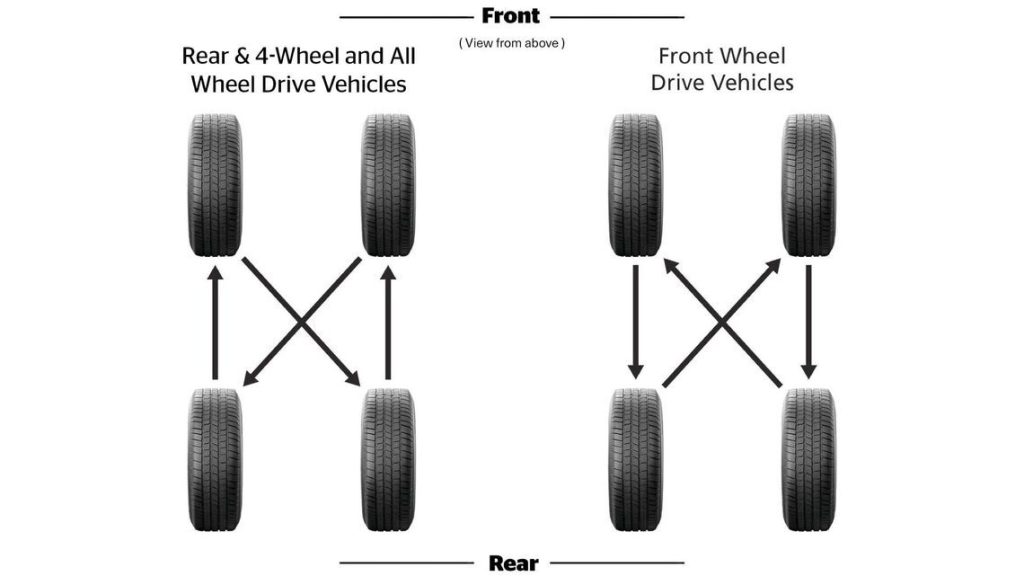
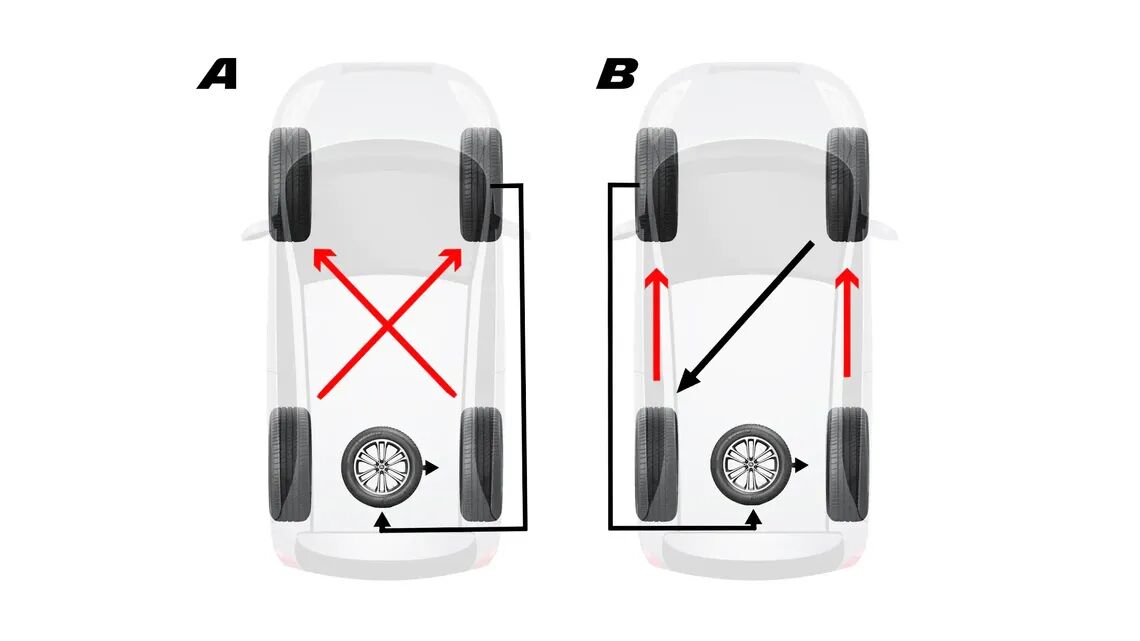
AWD cars often use a cross rotation pattern. This means switching tires from front to back and side to side. This helps even out wear on all tires.
- Move front left tire to rear right
- Move front right tire to rear left
- Move rear left tire to front left
- Move rear right tire to front right
Some AWD vehicles with directional tires use a front-to-back rotation only. Always follow your car’s guide for the right pattern.
Signs You Need A Tire Rotation
All wheel drive cars need regular tire rotations to keep tires balanced. Rotating tires helps them wear evenly and last longer.
Watch for signs that show your tires need rotation. Early action can improve your car’s performance and safety.
Uneven Tire Wear
Uneven tire wear means some tires wear out faster than others. It happens because weight and power are not shared equally.
Check your tires often. Look for areas that are bald or thinner than others. This is a clear sign to rotate your tires.
- Tires worn on one side more than the other
- Center of the tire worn faster than edges
- Edges worn faster than the center
Handling Issues
Your car may feel harder to control if tires are not rotated. It may pull to one side or feel less stable on turns.
Rotating tires balances wear and helps keep good traction. This makes steering smooth and safe again.
- Car pulls left or right while driving
- Steering feels loose or unsteady
- Car slides more on wet or slippery roads
Noise And Vibration
Uneven tires can cause strange noises or vibrations. You might hear humming or feel shaking in the steering wheel.
Rotating tires spreads wear evenly. This lowers noise and vibrations for a quieter, smoother ride.
- Humming or buzzing sounds from the tires
- Shaking felt through the steering wheel
- Vibration increases with speed
How Often To Rotate Tires On Awd Cars
All-wheel drive (AWD) cars need regular tire rotation to keep performance steady. Rotating tires helps avoid uneven wear and extends their life. Knowing the right time to rotate tires is key for AWD vehicles.
Let’s explore how often you should rotate tires on AWD cars. We will check mileage, driving conditions, and seasonal factors.
Mileage Guidelines
Most AWD car makers suggest rotating tires every 5,000 to 7,500 miles. This range helps keep all tires wearing evenly. Check your owner’s manual for exact numbers.
- Rotate tires every 5,000 to 7,500 miles.
- Follow the pattern recommended for AWD vehicles.
- Stick to the schedule to avoid early tire wear.
Driving Conditions Impact
Where and how you drive affects tire wear. Rough roads or lots of stop-and-go traffic increase wear on tires. In these cases, rotate tires more often than the usual schedule.
| Driving Condition | Recommended Rotation Interval |
| Normal city and highway driving | 5,000 to 7,500 miles |
| Rough or unpaved roads | Every 4,000 to 5,000 miles |
| Frequent heavy loads or towing | Every 4,000 to 6,000 miles |
| Mostly stop-and-go traffic | Every 4,000 to 6,000 miles |
Seasonal Considerations
Changing seasons can affect how tires wear out. Winter roads with salt and snow can cause damage. Rotating tires before and after winter helps keep them balanced.
- Rotate tires before winter to prepare for tough road conditions.
- Rotate tires after winter to fix uneven wear from snow and ice.
- Use this time to inspect tires for damage or low tread.
Diy Vs Professional Tire Rotation
All wheel drive cars need regular tire rotation to keep tires even. This helps the car drive safely and last longer. You can do it yourself or hire a professional.
Choosing between DIY and professional tire rotation depends on your skills and tools. Both ways can work well if done properly.
Tools Needed
You need some basic tools to rotate tires at home. Having the right tools makes the job easier and safer.
- Car jack and jack stands
- Lug wrench or tire iron
- Torque wrench
- Wheel chocks
- Gloves and safety glasses
Step-by-step Process
Start by parking your car on a flat surface and applying the parking brake. Use wheel chocks to block the wheels that will stay on the ground.
- Loosen lug nuts on all wheels before lifting the car.
- Use the jack to lift one corner and secure it with a jack stand.
- Remove the wheel and move it to the new position following the rotation pattern.
- Put the lug nuts back on and tighten them by hand.
- Lower the car and use a torque wrench to tighten lug nuts to the right pressure.
- Repeat for all wheels according to your car’s rotation pattern.
Check your owner’s manual for the correct rotation pattern for all wheel drive cars.
Benefits Of Professional Service
Professional tire rotation saves time and effort. Experts have the right tools and knowledge to do the job safely.
They can spot other tire or brake issues early. This can prevent costly repairs later. Professionals also ensure the lug nuts are tightened to the correct torque.

Credit: www.daleearnhardtjrbuickgmc.com
Consequences Of Skipping Tire Rotation
All Wheel Drive (AWD) cars need regular tire rotation. Skipping this can cause problems. Tire rotation helps tires wear evenly.
Without rotation, tires wear out faster and can harm your car’s performance. Let’s look at what happens if you skip tire rotation.
Reduced Tire Lifespan
Tires wear unevenly if not rotated regularly. Some tires get more pressure and friction than others. This makes them wear out faster.
Uneven wear means you must buy new tires sooner. This adds extra cost and effort.
Increased Repair Costs
Ignoring tire rotation can cause damage to other parts of your car. Uneven tires put stress on suspension and steering systems.
These problems lead to costly repairs. Fixing worn-out suspension or steering parts costs more than rotating tires.
Compromised Awd System
AWD cars rely on balanced tire wear for proper function. Different tire sizes or wear levels can confuse the AWD system.
This can cause poor handling and reduce safety. The AWD system may also wear out faster if tires are not rotated.
Frequently Asked Questions
Do All-wheel Drive Cars Need Tire Rotation?
Yes, all-wheel drive cars need regular tire rotation. It ensures even tire wear and maintains optimal traction. Rotating tires prolongs tire life and improves vehicle performance. Typically, rotation is recommended every 5,000 to 7,000 miles for AWD vehicles.
How Often Should Awd Tires Be Rotated?
AWD tires should be rotated every 5,000 to 7,000 miles. Regular rotation prevents uneven wear and protects the drivetrain. Following the manufacturer’s schedule is essential for safety and tire longevity in all-wheel drive cars.
What Happens If Awd Tires Aren’t Rotated?
If AWD tires aren’t rotated, uneven wear occurs quickly. This can cause poor handling, reduced traction, and potential drivetrain damage. Tire rotation is crucial to maintain balanced tire wear and vehicle stability for AWD systems.
Can Uneven Tire Wear Damage Awd System?
Yes, uneven tire wear can harm the AWD system. It causes imbalance and strain on the drivetrain components. Proper tire rotation helps avoid costly repairs and ensures smooth AWD performance and safety.
Conclusion
Rotating tires on all-wheel drive cars is essential. It ensures even tire wear. This can extend tire life and improve safety. Regular rotations help maintain balanced handling. They also support better fuel efficiency. Skipping rotations might lead to uneven wear.
This can cause poor performance and extra costs. Make tire rotation a part of routine maintenance. Consult your car’s manual for specific intervals. A little attention now saves bigger issues later. Keep your ride smooth and safe. Tire care is key to driving well.