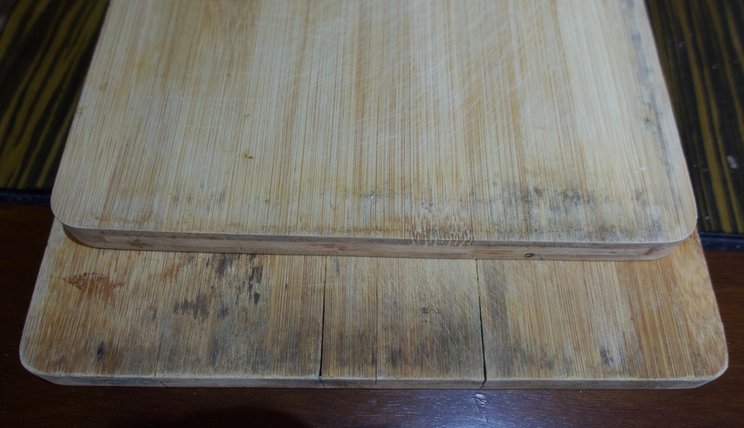
Are you worried that your bamboo cutting board might be a breeding ground for bacteria? You’re not alone.
Keeping your kitchen safe and clean is important, especially when it comes to the tools you use every day. Bamboo cutting boards are popular for their durability and eco-friendliness, but do they really keep bacteria at bay? You’ll discover the truth about bamboo cutting boards and how they handle germs.
By the end, you’ll know exactly how to protect your family and keep your kitchen healthy. Keep reading—you won’t want to miss these simple yet powerful tips.

Credit: www.amazon.com
Bamboo Cutting Boards And Bacteria
Bamboo cutting boards are popular in many kitchens. People often ask if they hold bacteria.
Understanding how bamboo interacts with bacteria helps keep food safe. Let’s look at the facts.
Material Properties Of Bamboo
Bamboo is a natural material that grows fast. It is dense and hard, which makes it good for cutting boards.
The hardness helps prevent deep cuts where bacteria can hide. Bamboo also contains natural oils that resist moisture.
Porosity And Surface Texture
Bamboo has low porosity, meaning it does not absorb much water. This keeps the surface dry and less friendly to bacteria.
The smooth surface texture of bamboo cutting boards reduces places for bacteria to grow. Regular cleaning keeps them safe.
- Low porosity limits moisture absorption
- Smooth surface reduces bacteria hiding spots
- Natural oils help resist bacteria growth
- Proper cleaning is still important for safety
Bacterial Growth On Bamboo Surfaces
Bamboo cutting boards are popular in many kitchens. People often ask if bacteria can grow on them. Understanding how bacteria behave on bamboo helps keep your kitchen safe.
This article looks at how bamboo compares to other cutting boards. It also lists common bacteria found on cutting surfaces.
Comparison With Other Cutting Boards
Bamboo is a natural material with some unique features. It is harder and less porous than many woods. This can affect how bacteria survive on it.
- Bamboo resists deep cuts better than soft wood. Fewer cuts mean fewer places for bacteria to hide.
- Plastic boards can develop deep grooves, which hold more bacteria.
- Glass cutting boards are easy to clean but can dull knives quickly.
- Bamboo has natural antimicrobial properties that slow bacterial growth.
Common Bacteria Found
Different bacteria may appear on cutting boards after food contact. Knowing which bacteria are common helps with proper cleaning.
| Bacteria | Source | Risk |
| Salmonella | Raw poultry and eggs | Food poisoning |
| Escherichia coli (E. coli) | Raw meat and contaminated water | Severe stomach illness |
| Listeria | Ready-to-eat foods | Serious infection in pregnant women |
| Staphylococcus aureus | Skin and nasal passages | Food poisoning from toxins |
Cleaning Bamboo Cutting Boards
Bamboo cutting boards are popular for their durability and eco-friendly nature. Keeping them clean is important to prevent bacteria growth and keep food safe.
Proper cleaning helps stop bacteria from staying on the board. This guide covers methods to clean bamboo boards well and avoid cross-contamination.
Effective Cleaning Methods
Clean your bamboo cutting board right after use. Use warm water and mild soap. Avoid soaking the board in water, as this can cause warping.
- Rinse the board with warm water.
- Use a soft sponge and mild dish soap to scrub the surface.
- Rinse off all soap with warm water.
- Dry the board immediately with a clean towel.
- Let the board air dry standing up to avoid moisture buildup.
For a deeper clean, use white vinegar or lemon juice. These natural cleaners help remove odors and kill bacteria.
Avoiding Cross-contamination
Cross-contamination happens when bacteria spread from one food to another. Use separate bamboo boards for raw meat and vegetables.
| Food Type | Recommended Board Use |
| Raw Meat | Board A (label or color-coded) |
| Vegetables | Board B (different label or color) |
| Cooked Food | Board C (separate from raw food boards) |
Clean boards thoroughly after each use. Do not use the same board for raw chicken and salad without washing.
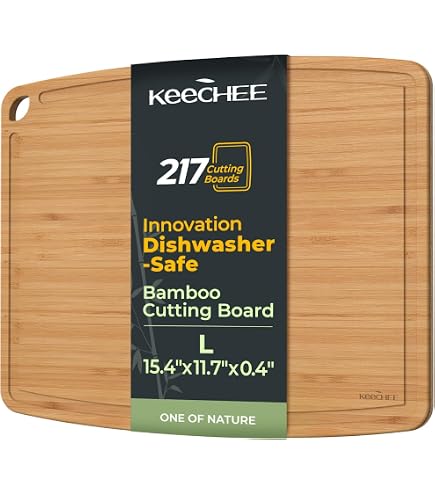
Credit: www.amazon.com
Maintenance Tips For Bamboo Boards
Bamboo cutting boards are sturdy and eco-friendly kitchen tools. Keeping them clean and in good shape helps prevent bacteria buildup.
Proper care improves their lifespan and keeps your food safe. Use the right methods to clean and maintain your bamboo board.
Proper Drying Techniques
Drying bamboo boards correctly stops moisture that leads to bacteria growth. Avoid leaving boards wet or soaking in water.
- After washing, wipe the board with a dry cloth.
- Stand the board upright to air dry completely.
- Do not place boards flat on damp surfaces.
- Keep away from direct heat or sunlight to prevent cracking.
Regular Oiling And Care
Oiling bamboo boards keeps them from drying out and cracking. It also creates a barrier to reduce bacteria absorption.
| Care Action | Frequency |
| Apply food-grade mineral oil | Once a month |
| Use beeswax conditioner | Every 3 months |
| Clean with mild soap and warm water | After each use |
| Avoid dishwasher and harsh detergents | Always |
Health And Safety Considerations
Bamboo cutting boards are popular for their durability and eco-friendliness. Many wonder if they hold bacteria and if they are safe for food preparation.
Proper care and cleaning help keep bamboo boards safe. This guide explains food safety and when to replace your board.
Food Safety Guidelines
Bamboo is a dense material that naturally resists moisture. This helps reduce bacteria growth compared to some other woods.
- Clean the board with hot, soapy water after each use.
- Dry it completely to avoid mold and bacteria.
- Use separate boards for raw meat and vegetables to prevent cross-contamination.
- Sanitize the board regularly with vinegar or diluted bleach solutions.
- Oil the board with food-safe mineral oil to maintain its surface and prevent cracking.
When To Replace Your Board
Over time, bamboo boards can develop deep cuts and cracks. These are places where bacteria hide and multiply.
| Signs to Replace | Reason |
|---|---|
| Deep grooves or cracks | Hard to clean, bacteria can stay inside |
| Warping or splitting | Board loses stability and safety |
| Persistent stains or odors | May signal bacterial buildup |

Credit: www.amazon.com
Frequently Asked Questions
Do Bamboo Cutting Boards Harbor Bacteria?
Bamboo cutting boards are naturally resistant to bacteria. Bamboo’s dense structure makes it less prone to moisture absorption, reducing bacterial growth. Regular cleaning with warm, soapy water further ensures safety. Unlike plastic, bamboo doesn’t develop deep grooves that trap bacteria, making it a hygienic choice for food preparation.
Are Bamboo Boards Better Than Plastic For Bacteria?
Bamboo boards are often better than plastic for bacteria resistance. Bamboo’s dense structure helps prevent moisture absorption and bacterial growth. Plastic boards can develop grooves that trap bacteria, even after washing. Regular cleaning and maintenance keep bamboo boards hygienic and safe for food preparation.
How Do You Clean Bamboo Cutting Boards?
To clean bamboo cutting boards, wash them with warm, soapy water. Rinse thoroughly and dry immediately to prevent warping. Avoid soaking in water or using harsh chemicals. Regularly oiling the board with food-grade mineral oil helps maintain its surface, keeping it resistant to bacteria and prolonging its lifespan.
Can Bamboo Cutting Boards Be Sanitized?
Yes, bamboo cutting boards can be sanitized effectively. After washing with soap and water, use a vinegar solution or diluted bleach to sanitize. Rinse thoroughly and dry immediately. This process helps eliminate any remaining bacteria, ensuring a safe and hygienic surface for food preparation.
Conclusion
Bamboo cutting boards can stay clean with proper care. They resist bacteria better than some other woods. Regular washing and drying keep them safe to use. Avoid soaking boards in water for too long. Using separate boards for meat and vegetables helps prevent germs.
Bamboo is a good choice for kitchens focused on hygiene. Simple habits make a big difference in food safety. Choose bamboo boards and clean them well for healthy cooking.