Are you tired of packing piles of dirty clothes when you hit the road in your camper? You might be wondering, “Do campers have washer and dryers?” The answer could change the way you travel and make your camping trips much more comfortable.
Imagine washing your clothes anytime, without hunting for laundromats or carrying extra detergent. Keep reading to discover how having laundry options in your camper can simplify your adventures and give you more freedom on the go.
Washer And Dryer Options For Campers
Campers often wonder if they can wash and dry clothes while on the road. Carrying clean clothes is important for long trips. There are several ways to manage laundry while camping.
This guide covers three common options: portable units, built-in systems, and RV laundry facilities. Each has pros and cons to consider before you choose.
Portable Units
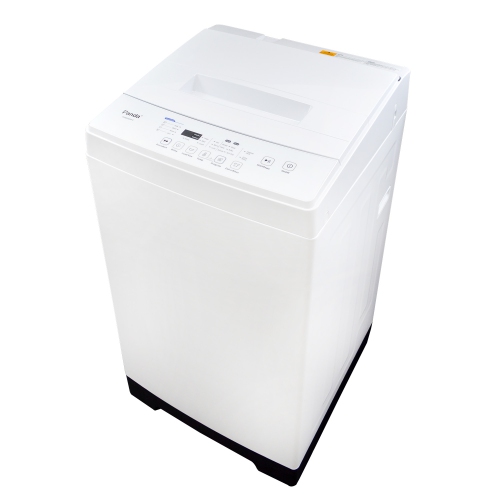
Portable washers and dryers are small and easy to carry. They use less water and power than full machines. Many campers like them for short trips or small loads.
- Easy to store in RV or camper
- Manual or electric models available
- Works well for light laundry needs
- Some require a water source and drainage
- May take longer than regular machines
Built-in Systems
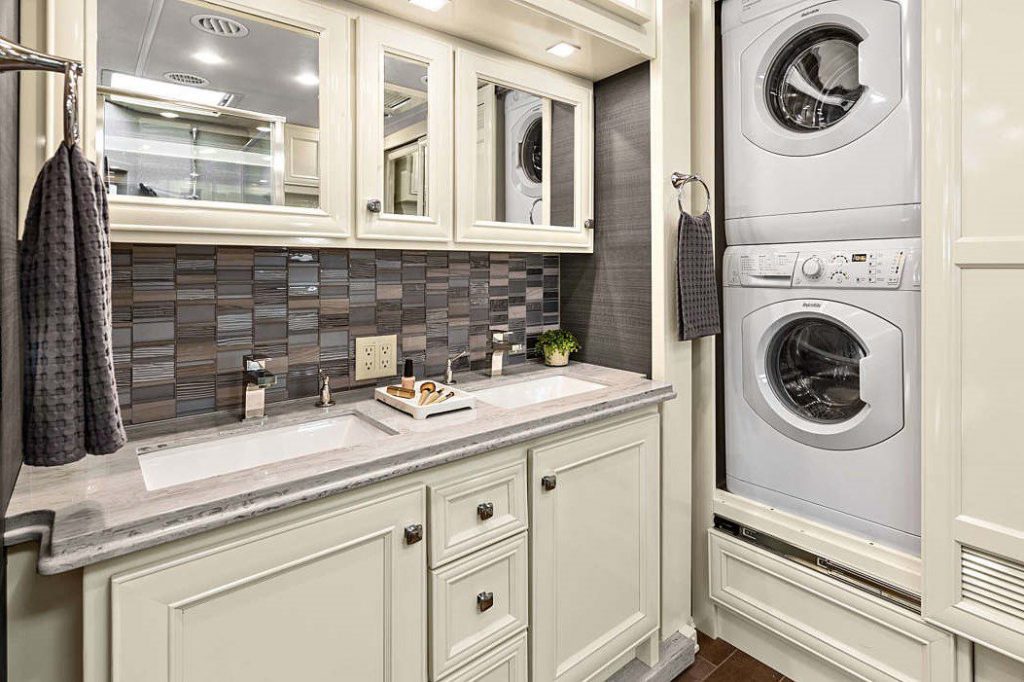
Built-in washer and dryer units come installed in some campers or RVs. They save space and connect directly to water and power supplies. These units usually handle larger loads.
| Feature | Details |
| Space | Compact, designed to fit camper layouts |
| Power | Runs on RV electricity, may use propane |
| Water Use | Connected to onboard water tanks |
| Load Size | Medium to large, similar to home machines |
| Convenience | Available anytime, no need to visit facilities |
Rv Laundry Facilities
Many campgrounds offer laundry rooms for RV users. These have full-size washers and dryers. Campers can use coins or cards to operate the machines.
Using campground laundry is simple and saves space inside the camper. It is best for longer trips or heavy laundry loads.
- Usually open during daytime hours
- Cost per load varies by location
- May require walking or driving to the facility
- Machines handle large loads quickly
- Good option if you do not want to carry machines

Credit: www.ebay.ca
Power Sources And Usage
Campers often wonder if their vehicle can support washer and dryer units. These appliances need power, which comes from different sources in campers. Understanding these power sources helps in planning and usage.
This guide covers electric needs, solar options, and battery use for washers and dryers in campers.
Electric Requirements
Washers and dryers require a good amount of electric power. Most campers have 12-volt systems, but washers and dryers usually need 110 volts or more. This means you need a strong power setup or an external source to run them.
| Power Source | Voltage | Typical Use |
| Camper Battery | 12V | Small appliances and lights |
| Generator | 110V or 220V | High power devices like washers |
| Shore Power | 110V or 220V | Direct connection at campgrounds |
Solar-powered Alternatives
Solar panels can help power washers and dryers but need enough sunlight and panel size. They charge batteries that store energy for use later. Solar power works best for short washing cycles or small dryers.
- Solar panels convert sunlight to electricity
- Batteries store solar energy for night or cloudy days
- Solar setups may need extra equipment like inverters
- Large washers need bigger solar systems for full power
Battery Considerations
Batteries power washers and dryers when no external power is available. Deep-cycle batteries work best because they handle long use. Battery capacity limits how long you can run these appliances.
- Choose deep-cycle batteries for longer life
- Check battery capacity (amp hours) before use
- Use an inverter to change battery power to AC power
- Keep spare batteries for extended trips
Space And Installation
Campers often have limited space, making washer and dryer installation tricky. Proper planning ensures efficient use of space and functionality.
Choosing the right design and installation method helps keep the camper balanced and comfortable to use.
Compact Designs
Washers and dryers for campers come in compact sizes. These units fit into small spaces without sacrificing performance.
- Stackable washer and dryer combos save floor space.
- Portable units can be stored when not in use.
- Combination washer-dryers take up less room.
Installation Tips
Installing a washer and dryer requires careful attention to power, water, and venting needs.
| Installation Aspect | Key Tips |
|---|---|
| Power Supply | Use a dedicated electrical outlet with correct voltage. |
| Water Connection | Ensure easy access to fresh water and drainage. |
| Venting | Install proper vents to avoid moisture buildup. |
| Space Planning | Measure carefully and allow clearance for doors. |
Weight And Balance
Washers and dryers add weight that affects camper balance. Install units near the camper’s center of gravity.
- Place appliances on stable, level surfaces.
- Distribute weight evenly to avoid tilting.
- Check camper weight limits before installation.
Credit: www.bestbuy.ca
Cost And Maintenance
Campers sometimes include washer and dryer units. These appliances add convenience on the road. Their cost and upkeep affect camper owners.
Knowing the costs and maintenance helps decide if a washer and dryer are worth it. This guide explains key factors.
Initial Investment
Adding a washer and dryer to a camper costs more than a basic model. You pay for the appliance and installation.
Prices vary based on size and type. Compact units are cheaper but may have fewer features.
- Washer and dryer combo units range from $600 to $1500
- Separate units usually cost more
- Installation can add $200 to $500
- Electrical or plumbing upgrades may increase costs
Upkeep And Repairs
Regular maintenance keeps washers and dryers working well. Cleaning filters and checking hoses are common tasks.
Repairs can cost extra, especially for small or specialized units. Finding replacement parts may be harder.
- Clean lint filters after every use
- Check water hoses for leaks
- Use RV-specific detergents to avoid damage
- Schedule professional checks yearly
Longevity Factors
The lifespan of camper washers and dryers depends on use and care. Heavy use shortens life, while good care extends it.
Proper installation and choosing the right unit size also affect durability. Small units last longer in small campers.
- Use appliances as recommended by the maker
- Avoid overloading the washer or dryer
- Protect units from road vibrations
- Store the camper properly in off-season
Laundry Tips For Campers
Camping often means limited access to laundry machines. Campers must find easy ways to wash clothes while outdoors. These tips help you manage laundry efficiently on your trips.
Knowing how to save water, pick the right detergent, and dry clothes well makes camping more comfortable. Follow simple steps to keep your clothes clean and fresh.
Water Conservation
Water is often scarce at campsites. Use small amounts to wash clothes without wasting it. Hand washing is best to control water use.
- Fill a basin with a little water instead of running a tap.
- Use water twice by rinsing clothes in clean water after washing.
- Scrub only dirty spots instead of washing whole clothes.
- Choose quick wash cycles if using campground machines.
Detergent Choices
Pick detergents that work well in cold water and are gentle on the environment. Avoid harsh chemicals that harm nature and can irritate skin.
| Detergent Type | Best Use | Environmental Impact |
| Biodegradable | Hand washing | Low |
| Powdered Eco-friendly | Machine washing | Low |
| Liquid Detergent | Quick cleaning | Medium |
| Regular Detergent | Heavy dirt | High |
Drying Techniques
Drying clothes fast saves space and keeps them fresh. Use natural ways to dry clothes while camping.
- Hang clothes on a line or tree branches in the sun.
- Shake clothes before hanging to reduce wrinkles.
- Turn clothes inside out to protect colors from fading.
- Use a clean towel to press excess water before drying.
Alternative Laundry Solutions
Campers often face challenges when doing laundry on the road. Many campers do not have washers and dryers in their vehicles. Luckily, there are alternative solutions to keep clothes clean.
These methods are practical and easy to use. They help campers manage their laundry needs without hassle.
Laundromats And Campsite Services
Laundromats are common in many towns and cities. Campers can use them to wash and dry clothes. Campsites may also offer laundry services for guests.
- Check the campsite for laundry facilities.
- Locate nearby laundromats with online maps.
- Bring enough coins or a laundry card.
Hand Washing Methods
Hand washing is a simple and effective method. Campers need a basin, water, and soap. It is best for small loads and delicate items.
Scrub clothes gently to remove dirt. Rinse with clean water to remove soap. This method saves water and energy.
Clotheslines And Drying Racks
Clotheslines and drying racks are great for drying clothes. They use natural sunlight and air, which saves energy. They are easy to set up at campsites.
- Use strong rope for a clothesline.
- Place clothesline in a sunny area.
- Choose a foldable drying rack for easy storage.
Credit: cg-west.com
Frequently Asked Questions
Do Campers Usually Have Washer And Dryers Inside?
Most campers do not come with built-in washers or dryers. Space and power constraints limit these appliances. However, some luxury or larger RVs may include compact washer-dryer combos.
Can I Install A Washer And Dryer In My Camper?
Yes, you can install compact washer and dryer units in campers. Proper ventilation, power supply, and water hookups are essential. Consider space and weight limits before installation.
Are Portable Washers And Dryers Good For Camping?
Portable washers and dryers are convenient for camping. They save trips to laundromats and use less power. These units are lightweight and fit well in most campers.
How Do Campers Manage Laundry Without Washers?
Campers usually rely on laundromats or campground laundry facilities. Hand washing clothes is another common method. Many use quick-dry fabrics to reduce laundry frequency.
Conclusion
Campers sometimes include washers and dryers, but not always. Many small campers lack these machines due to space limits. Portable washers or laundry services often solve this problem. Bigger campers or RVs may offer built-in laundry options. Knowing your camper’s features helps plan better trips.
Clean clothes stay fresh and comfortable on the road. Washing clothes while camping adds ease and saves time. Choose the right camper based on your laundry needs. Simple solutions keep your camping experience smooth and enjoyable.