Are you concerned about the plumbing in your home as winter approaches? One common worry is whether copper pipes will freeze in cold weather.
Understanding how your plumbing system reacts to temperature changes is crucial for maintaining a safe and comfortable living environment. Imagine waking up on a chilly morning only to find that your water supply is blocked due to frozen pipes. Not only can this cause inconvenience, but it could also lead to costly repairs.
We’ll explore whether copper pipes are susceptible to freezing and provide you with practical tips to prevent this issue. Stay with us to ensure your home remains warm and your water flows smoothly all winter long.
Credit: www.pmmag.com
How Copper Pipes React To Cold
Understanding how copper pipes react to cold is crucial for preventing costly damages during winter. Copper is a popular choice for plumbing because of its durability and reliability, but cold weather can still pose risks. Knowing the behavior of water inside these pipes and the metal’s properties helps you protect your home effectively.
Freezing Point Of Water In Pipes
Water freezes at 32°F (0°C), but it doesn’t happen instantly inside your pipes. When water freezes, it expands and creates pressure that can cause pipes to burst. This pressure builds up between the frozen section and the closed faucet, making certain spots more vulnerable.
Have you noticed your faucet dripping during cold snaps? That slow drip can actually help prevent freezing by keeping water moving.
Copper’s Thermal Properties
Copper conducts heat very well, which means it loses warmth quickly in cold environments. This quality makes copper pipes more prone to freezing compared to plastic pipes, especially in unheated areas like basements or crawl spaces. However, copper’s strength allows it to withstand some expansion without cracking—up to a point.
Think about how quickly your metal utensils cool down when left on the counter. Copper pipes behave similarly, so insulation is key to slowing heat loss.
Common Freeze Locations
Freezing doesn’t happen randomly; it usually occurs in specific areas where pipes are exposed to cold air. These include:
- Unheated basements and crawl spaces
- Exterior walls and attics
- Outdoor hose bibs and irrigation lines
- Near windows or doors where cold air seeps in
Knowing these spots helps you focus your winterizing efforts. Could insulating just these areas save you a lot of trouble?
Signs Of Frozen Copper Pipes
Frozen copper pipes can cause serious problems in your home. Early signs help you spot the issue before damage occurs. Knowing these signs saves water and repair costs. Watch for changes in water flow, visible frost, and strange sounds in pipes. These clues reveal frozen pipes and need quick action.
Reduced Water Flow
Water flow slows down or stops in frozen pipes. You may notice weak water pressure at faucets. Showers and taps may trickle instead of flow. The blockage inside the pipe restricts water movement. This sign appears suddenly during cold weather. It warns you about ice blocking the copper pipe.
Frost Or Ice On Pipes
Look for white frost or ice on copper pipes. Frost forms where the pipe is exposed to cold air. Ice may cover the pipe’s surface, especially in basements or crawl spaces. This visible sign confirms freezing has started. Touch the pipe carefully; it feels very cold or icy. Frost on pipes is a clear warning to act fast.
Unusual Noises
Frozen pipes make noises like banging or clanking. These sounds come from ice expanding inside the pipes. You may hear creaks or pops during temperature drops. Noises often come from walls or ceilings where pipes run. Strange sounds mean pressure builds inside the frozen pipe. They signal a risk of pipe bursts or leaks.
Risks Of Frozen Copper Pipes
Frozen copper pipes may seem harmless at first, but they carry significant risks that can disrupt your home and drain your wallet. Understanding these dangers helps you act quickly and prevent a small freeze from turning into a major problem. Let’s break down the key risks you face when copper pipes freeze.
Pipe Bursting Causes
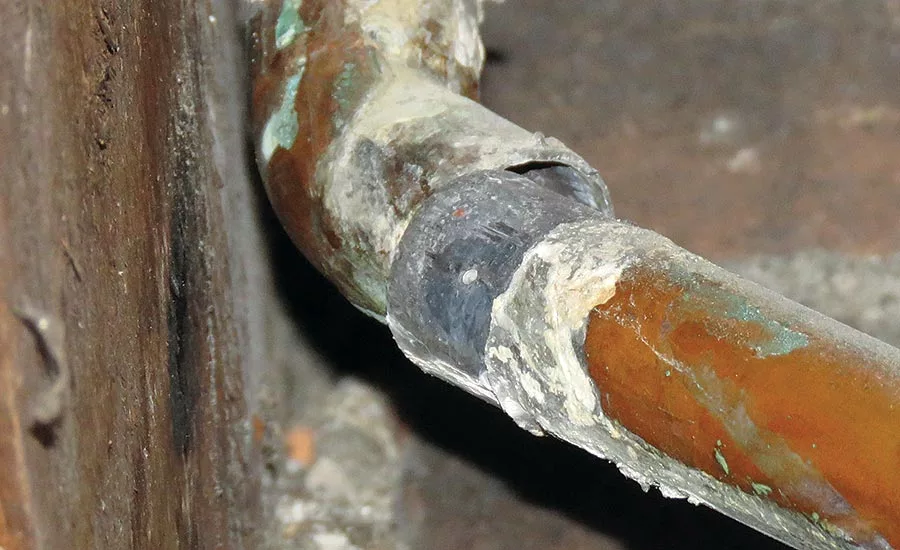
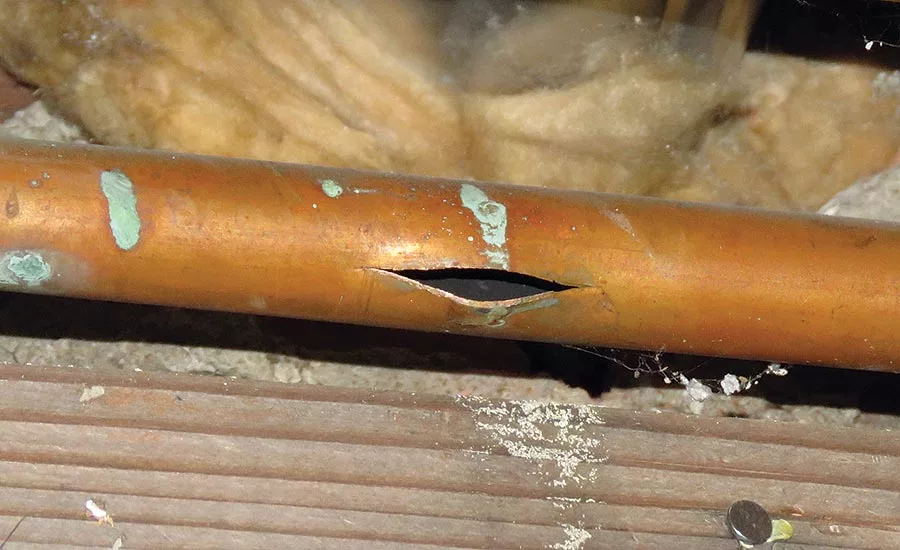
When water inside copper pipes freezes, it expands. This expansion puts enormous pressure on the pipe walls. Copper is strong, but even it has limits. If the pressure becomes too great, the pipe can crack or burst.
Have you ever wondered why pipes often burst at bends or joints? These spots are weaker and more prone to damage during freezing. Knowing this can help you focus your preventive efforts on vulnerable areas.
Water Damage Potential
A burst pipe doesn’t just stop water flow—it releases a flood inside your home. Water can seep into walls, floors, and ceilings, leading to mold growth and structural damage.
Think about how quickly a small leak can soak carpets or ruin furniture. The longer water stays unchecked, the worse the damage becomes. This isn’t just messy—it can affect your health and safety too.
Repair Costs
Fixing frozen and burst copper pipes can be expensive. You’re not just paying to replace the damaged pipe; you may also need repairs for water damage and mold remediation.
These costs add up fast. Sometimes, a simple freeze can turn into thousands of dollars spent on emergency plumbing and restoration. Isn’t it worth investing a little time now to protect your pipes?
Preventing Copper Pipe Freezing
Preventing copper pipes from freezing is essential to avoid costly repairs and water damage. Pipes freeze when the temperature around them drops below freezing, causing the water inside to expand and potentially burst the pipe. Taking proactive steps can keep your plumbing safe during cold snaps.
Insulation Techniques
Adding insulation around your copper pipes is one of the most effective ways to prevent freezing. Use foam pipe sleeves or wrap pipes with heat tape, especially in unheated areas like basements, attics, or crawl spaces.
Don’t forget to check insulation regularly for wear or gaps. Even a small gap can let cold air in and defeat the purpose. Have you checked your pipe insulation lately?
Maintaining Home Temperature
Keeping your home’s temperature steady, especially in colder rooms, helps protect your pipes. Avoid dropping the thermostat too low at night or when you’re away.
If you have pipes running through unheated areas, consider leaving cabinet doors open to let warm air circulate. It’s a simple trick that saved me from a frozen pipe last winter.
Sealing Drafts And Openings
Cold drafts can sneak in through cracks and gaps around windows, doors, and foundations, chilling your pipes. Use weather stripping or caulk to seal these openings and keep cold air out.
Inspect areas where pipes enter your home and seal any holes. Even small openings can cause problems. What hidden drafts might be putting your pipes at risk?
Emergency Measures For Frozen Pipes
Frozen copper pipes can cause major disruptions and potential damage to your home. Taking quick and effective emergency measures is crucial to prevent pipe bursts and costly repairs. Understanding the right steps to safely thaw your pipes can save you time, money, and stress during cold snaps.
Safe Thawing Methods
Thaw frozen copper pipes slowly and carefully to avoid sudden pressure that might cause them to burst. You can use a hairdryer or heat lamp, gently warming the pipe starting from the faucet end and moving backward.
Applying heat evenly prevents hot spots that could damage the pipe. Another effective method is wrapping the pipe with towels soaked in warm water. Keep checking the pipe’s temperature and open the faucet slightly to let melted water flow.
Avoiding Heat Sources
Never use an open flame like a blowtorch or propane heater to thaw pipes. The intense heat can cause the copper to weaken or even catch fire in surrounding materials.
Using electrical heating pads or space heaters placed near the pipe is a safer alternative. Remember, safety should always come first—avoid risking a fire or damaging your plumbing.
When To Call A Professional
If you notice cracks, leaks, or if the pipe remains frozen despite your efforts, it’s time to contact a plumber. Trying to fix severe pipe issues on your own can lead to bigger problems.
Professionals have the right tools and experience to safely thaw pipes and repair any damage. Don’t wait until water starts flooding your home—early intervention can prevent a disaster.
Credit: www.pmmag.com
Long-term Protection Strategies
Protecting copper pipes from freezing requires smart, long-term strategies. These methods reduce the risk of costly damages and keep your plumbing safe through cold seasons. A good plan helps maintain pipe integrity and prevents water flow interruptions.
Upgrading Pipe Materials
Older copper pipes may be more prone to freezing and bursting. Switching to thicker or insulated copper pipes can improve durability. Consider pipes with built-in insulation or those designed for cold climates. This upgrade adds a strong layer of defense against frost.
Installing Heat Tape
Heat tape is a thin, electric heating element wrapped around pipes. It warms the pipe surface to stop freezing during low temperatures. This option is easy to install and effective for vulnerable areas like basements or crawl spaces. Using heat tape ensures steady water flow in winter.
Regular Maintenance Checks
Routine inspections catch issues before they become serious. Check pipes for cracks, corrosion, or signs of freezing damage. Look at insulation and heat tape condition. Fix any problems quickly to avoid pipe bursts and costly repairs. Regular care extends pipe life and improves safety.
Credit: www.familyhandyman.com
Frequently Asked Questions
Can Copper Pipes Freeze In Cold Weather?
Yes, copper pipes can freeze if exposed to temperatures below 32°F (0°C). Frozen pipes may burst, causing water damage and costly repairs.
How Long Does It Take For Copper Pipes To Freeze?
Copper pipes can freeze within hours in extreme cold. Factors like insulation, pipe location, and temperature influence freezing speed.
What Are Signs Of Frozen Copper Pipes?
Signs include no water flow, frost on pipes, and strange noises. Prompt action helps prevent pipe bursts and water damage.
How Can I Prevent Copper Pipes From Freezing?
Insulate pipes, keep indoor heat above 55°F, and let faucets drip during cold snaps. These steps reduce freezing risk.
Conclusion
Copper pipes can freeze in very cold weather. This may cause water flow to stop or pipes to burst. Taking steps to keep pipes warm is important. Insulating pipes and keeping some water running helps prevent freezing. Knowing how to spot frozen pipes early can save money and hassle.
Stay prepared for cold days to protect your plumbing. Simple actions make a big difference in winter safety. Keep your home safe and your water flowing smoothly.