
You’re about to bring home a new dishwasher, and you can’t wait to enjoy the convenience it promises. But, there’s one question that might pop into your mind: “Do dishwashers come with a drain hose?”
It’s a small detail, yet it’s crucial for the smooth operation of your appliance. Without it, your kitchen floor could become a mini flood zone. This article will unravel the mystery and provide you with all the answers you need.
Let’s delve into this essential component and ensure your new kitchen investment works flawlessly from day one. Keep reading to discover if your dishwasher is ready to go out of the box or if there’s an extra step you’ll need to take.
Dishwasher Drain Hose Basics
Understanding the basics of a dishwasher drain hose helps with installation and maintenance. This small part plays a big role in keeping your dishwasher running smoothly. Knowing its function and what comes with your appliance saves time and effort.
Purpose Of The Drain Hose
The drain hose carries dirty water from the dishwasher to the home’s drain system. It prevents water from backing up into the dishwasher. The hose keeps your kitchen clean by directing wastewater outside the appliance. Without it, the dishwasher cannot remove used water properly.
Standard Inclusions With Dishwashers
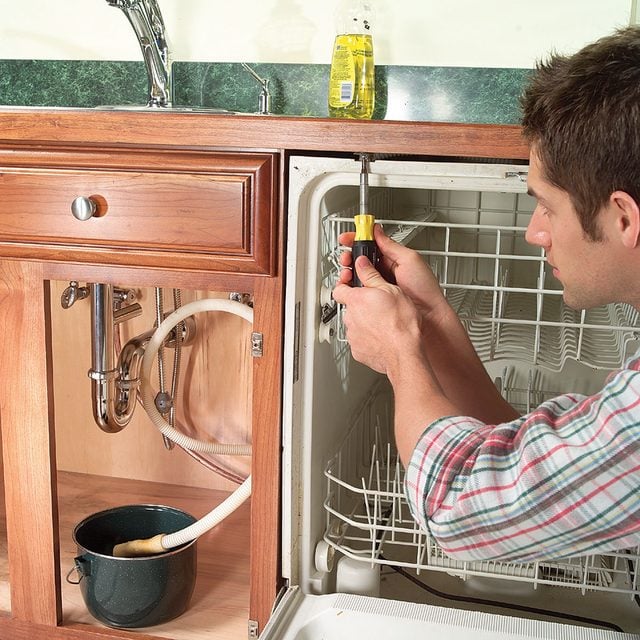
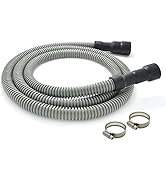
Most dishwashers include a drain hose in the package. The hose is usually long enough for standard kitchen setups. Some models come with extra fittings or clamps for secure connections. Always check the package contents before installation. This ensures you have all parts needed for proper setup.
Credit: www.familyhandyman.com
Types Of Drain Hoses
Dishwasher drain hoses come in various types, each designed to fit different needs and setups. Understanding these types can help you pick the right hose for your dishwasher installation or replacement. Let’s look at the key differences that matter most to you.
Material Variations
Drain hoses are usually made from either rubber or plastic materials. Rubber hoses offer flexibility and durability, which makes them less likely to crack or kink during installation. Plastic hoses, on the other hand, are often lighter and more affordable but may be less flexible and prone to damage over time.
Some hoses come with reinforced layers or braided exteriors for extra strength. Have you noticed your old hose wearing out or getting brittle? Choosing a reinforced hose might save you from unexpected leaks.
Length And Diameter Options
Hoses vary in length to accommodate different kitchen layouts. Standard lengths often range from 4 to 10 feet, but custom sizes are available if you need something longer or shorter. It’s important to measure the distance from your dishwasher to the drain point before buying.
Diameter also matters. Most dishwasher hoses have a diameter between 5/8 inch and 7/8 inch. A hose that’s too narrow can slow drainage, while one that’s too wide might not fit properly. Have you checked if your current hose matches your dishwasher’s specifications?
Installation Requirements
Installing a dishwasher involves more than just sliding it under the counter. One key part of the setup is handling the drain hose correctly. Without proper installation, you risk leaks and drainage problems that can damage your kitchen floor and cabinets.
Connecting The Drain Hose
The drain hose usually comes with the dishwasher, but you need to connect it to your home’s plumbing system carefully. First, ensure the hose is firmly attached to the dishwasher’s drain outlet to prevent leaks. Then, connect the other end to either the sink drain or garbage disposal unit.
Make sure the hose forms a high loop under the sink. This loop prevents dirty water from flowing back into your dishwasher. Have you noticed water pooling around your dishwasher after a cycle? This simple step often solves that problem.
Tools Needed For Installation
Having the right tools makes the job much easier and quicker. You’ll typically need:
- A screwdriver (usually Phillips or flathead)
- Pliers to tighten hose clamps
- A utility knife to trim the hose if necessary
- A bucket or towel to catch any water spills
Don’t forget a flashlight if you’re working under your sink—it can be surprisingly dark in there! With these tools at hand, you can tackle the installation with confidence and avoid common pitfalls.
Checking Hose Compatibility
Checking hose compatibility is a crucial step when installing or replacing a dishwasher drain hose. Using the wrong hose can lead to leaks, poor drainage, or even damage to your appliance and plumbing system. Taking the time to confirm that your hose matches your dishwasher model and fits your home’s plumbing will save you frustration and costly repairs.
Matching Hose To Dishwasher Model
Each dishwasher model may require a specific type or size of drain hose. Manufacturers often design hoses with unique fittings, lengths, and diameters tailored to their machines. Before buying a hose, check your dishwasher’s manual or the manufacturer’s website for recommended hose specifications.
Have you ever bought a hose only to find it wouldn’t attach properly? That’s a common pitfall. Using a hose not designed for your model can cause poor sealing and leaks. If you can’t find exact info, look for hoses labeled as “universal” but double-check the dimensions against your original hose.
Ensuring Proper Fit With Plumbing
Your dishwasher hose must also fit your home’s plumbing setup. Drain hoses connect to either a garbage disposal or a drain pipe under the sink. Check the diameter of these connections and ensure your hose ends match them exactly.
Also, consider the hose length carefully. Too short, and it won’t reach the drain; too long, and it may kink or trap water, causing blockages. Measure twice before purchasing, and think about the hose routing path to avoid sharp bends.
Does your plumbing use clamps or quick-connect fittings? Knowing this helps you pick a hose with compatible ends. Secure fittings not only prevent leaks but also make future maintenance easier.
When To Replace The Drain Hose
Knowing when to replace your dishwasher’s drain hose is key to preventing leaks and maintaining efficient drainage. A worn or damaged hose can cause water to pool under your appliance or even flood your kitchen. Regular checks and timely replacement keep your dishwasher running smoothly and save you from costly repairs.
Signs Of Wear And Damage
Look closely at your drain hose for cracks, holes, or hardening. Any visible damage means it’s time to replace it before it fails completely.
Watch for water leaks or puddles around the base of your dishwasher. Even a small drip can signal a damaged hose or loose connection.
If your dishwasher takes longer to drain or leaves water inside, a clogged or kinked hose might be the culprit. Check for blockages or bends that restrict water flow.
Choosing Replacement Hoses
When selecting a new drain hose, make sure it matches the length and diameter of your original. A hose that’s too short or narrow won’t function properly.
Opt for hoses made from durable materials like reinforced rubber or flexible plastic to withstand heat and pressure.
Consider buying hoses with built-in anti-kink features. These help maintain steady drainage and reduce wear over time.
Have you checked your dishwasher’s manual? It often lists compatible hose types and part numbers, making your choice easier.
Credit: www.amazon.com
Buying Tips For Drain Hoses
Choosing the right drain hose for your dishwasher matters for good performance. A proper hose prevents leaks and clogs. It supports efficient water drainage. Knowing what to check helps you pick a hose that lasts and fits well. Consider quality and cost to make a smart choice.
What To Look For In Quality
- Material: Select flexible, durable materials like reinforced rubber or PVC.
- Length: Choose a hose long enough to reach the drain without stretching.
- Diameter: Match the hose diameter with your dishwasher’s outlet for a tight fit.
- Connection Type: Ensure the hose has compatible connectors for easy installation.
- Resistance: Look for hoses resistant to heat, chemicals, and kinks.
Budget Considerations
Set a budget that balances cost and quality. Cheap hoses may wear out fast, causing repairs.
Mid-range hoses often offer better durability and performance.
Buying a reliable hose saves money on future problems.
Common Installation Mistakes
Installing a dishwasher may seem straightforward, but many homeowners make mistakes that lead to leaks, blockages, or poor performance. The drain hose is a critical component, and mishandling it can cause frustrating problems. Knowing the common pitfalls helps you avoid costly repairs and ensures your dishwasher runs smoothly.
Avoiding Leaks
Leaks often happen when the drain hose isn’t connected tightly or is attached to the wrong spot. Make sure the hose is secured with the right clamps and fittings to prevent water from escaping.
Check the hose connection to both the dishwasher and the sink drain or garbage disposal. Loose or cracked connections are a frequent source of water damage.
Have you ever noticed water pooling under your dishwasher? That’s a clear sign to inspect your hose connections immediately.
Preventing Kinks And Blockages
Kinks in the drain hose stop water from flowing freely, causing backups. Avoid sharp bends by routing the hose in gentle curves and securing it properly.
Blockages can form if food debris or soap scum builds up inside the hose. Flushing the hose with water before installation helps clear any obstructions.
Think about the path your hose takes. Does it get pinched behind cabinets or appliances? Adjust it so the water drains efficiently without interruption.

Credit: www.roodarkansas.com
Frequently Asked Questions
Do Dishwashers Include A Drain Hose In The Package?
Yes, most dishwashers come with a drain hose included. It is essential for proper water drainage during cycles. However, always check the product details or manual to confirm if the hose is provided with your specific model.
Can I Use Any Drain Hose For My Dishwasher?
It is best to use the drain hose provided or recommended by the manufacturer. Generic hoses might not fit properly or withstand dishwasher pressures, potentially causing leaks or drainage issues. Always ensure compatibility for safe and efficient operation.
How Long Is The Dishwasher Drain Hose Usually?
Typically, dishwasher drain hoses range from 4 to 6 feet in length. This length allows flexibility for installation under sinks or behind cabinets. If you need a longer hose, check for compatible extensions or replacements from the manufacturer.
Do I Need Tools To Install The Dishwasher Drain Hose?
Basic tools like a screwdriver and pliers are usually enough to install the drain hose. The hose connects to the dishwasher and sink drain or garbage disposal. Follow the manufacturer’s instructions carefully for a secure and leak-free installation.
Conclusion
Dishwashers usually include a drain hose for easy installation. This hose connects the machine to your home’s plumbing. Make sure to check the package before buying. Some models might require buying the hose separately. Proper connection prevents leaks and water damage.
Always follow the manufacturer’s instructions carefully. A good drain hose helps your dishwasher work well. Keep it clean and replace it if damaged. Simple steps ensure your dishwasher drains water smoothly. This saves you time and avoids costly repairs.