Have you ever paused in front of your dishwasher and wondered whether it’s using hot or cold water? It’s a question that might have crossed your mind as you load the dishes, especially when you’re aiming to save on energy bills or ensure your dishes are sparkling clean.
This seemingly simple question holds the key to understanding how your dishwasher really works and how it impacts your household budget. By diving into this topic, you’ll not only unravel the mystery of your dishwasher’s water temperature but also discover tips to make it work more efficiently.
So, if you’re curious about optimizing your appliance for better results and cost savings, keep reading to find out whether your dishwasher uses hot water, cold water, or maybe a bit of both!

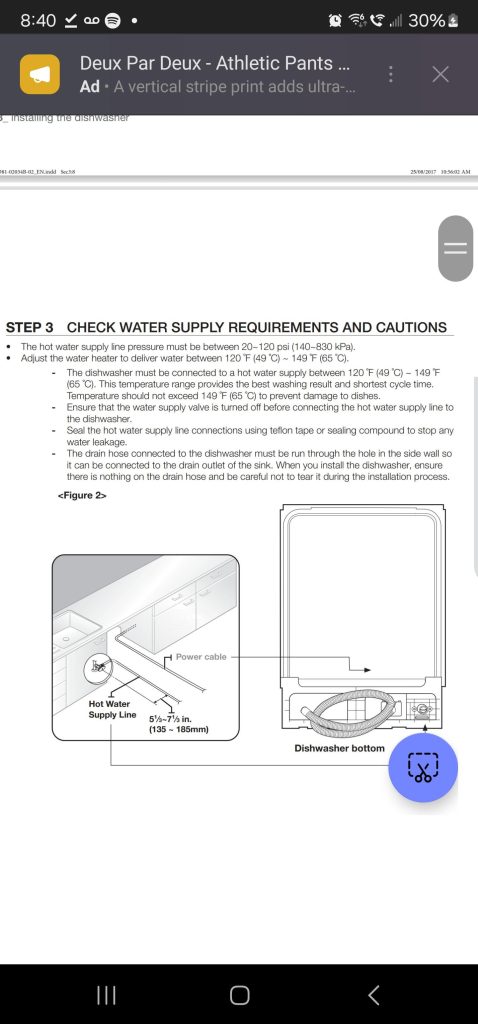
Credit: www.reddit.com
How Dishwashers Connect To Water Supply
Dishwashers need water to clean dishes effectively. They connect to the home’s water supply through specific plumbing lines. These connections deliver water at the right temperature for washing cycles. Understanding how dishwashers connect helps in choosing the best setup for your kitchen.
Hot Water Line Setup
Most dishwashers connect to the hot water line. This setup uses water heated by the home’s water heater. Hot water helps dissolve grease and food faster. It also improves cleaning and sanitizing performance. The dishwasher valve opens to let hot water in during cycles. This setup is common in many households.
Connecting to the hot water line involves:
- Shutting off the main water supply.
- Attaching the dishwasher hose to the hot water valve.
- Ensuring tight connections to prevent leaks.
- Testing the dishwasher for proper water flow.
Cold Water Line Setup
Some dishwashers connect to the cold water line instead. These models have built-in heaters to warm the water. The dishwasher heats water to the right temperature internally. This setup can save energy if the home’s water heater is far away.
Steps for cold water line connection include:
- Turning off water supply before work.
- Connecting the hose to the cold water valve.
- Verifying hose fittings are secure.
- Running a test cycle to check heating and washing.
Water Temperature Inside Dishwashers
Water temperature inside dishwashers plays a key role in cleaning dishes effectively. Hot water helps to dissolve grease and remove food particles better than cold water. Dishwashers use a mix of water sources and technology to reach the right temperature for washing.
Built-in Heating Elements
Many dishwashers have built-in heating elements. These elements warm the water inside the machine during the wash cycle. This feature ensures water reaches an optimal temperature, usually between 120°F and 160°F (49°C and 71°C). Warm water kills germs and breaks down tough stains more efficiently.
Heating elements also help dry dishes by heating the air inside the dishwasher. This reduces spots and speeds up the drying process.
Temperature Settings And Controls
Dishwashers often include temperature settings or cycle options. Users can select settings like “normal,” “heavy,” or “eco” wash. Each option adjusts water temperature and wash time.
Some models connect to your home’s hot water supply, while others rely on the internal heater. The dishwasher’s control panel lets you pick the best setting for your load. Choosing the right temperature saves energy and improves cleaning results.
Benefits Of Using Hot Water
Using hot water in dishwashers offers several key benefits. It helps achieve cleaner dishes and ensures better hygiene. Hot water works more effectively than cold water in breaking down grease and food residues. This section explores how hot water improves cleaning efficiency and helps remove germs.
Improved Cleaning Efficiency
Hot water melts fats and oils faster than cold water. It loosens stuck-on food, making it easier to wash away. Detergents dissolve better in hot water, boosting their cleaning power. This combination results in sparkling clean dishes with less effort. Hot water also speeds up drying, reducing spots and streaks.
Sanitization And Germ Removal
Hot water kills bacteria and germs on dishes effectively. It reduces the risk of illness by sanitizing plates and utensils. Many dishwashers use water heated to 130°F or higher during the rinse cycle. This temperature helps eliminate harmful microbes for safer kitchenware. Using hot water supports a healthier home environment.

Credit: smol.com
Role Of Cold Water In Dishwashing
Cold water plays a unique role in dishwashing, often overlooked but quite important. While hot water is known for cutting grease and sanitizing, cold water contributes to specific phases of the cleaning process. Understanding how cold water interacts with your dishwasher and detergent can help you optimize your dishwashing routine effectively.
Energy Efficiency Considerations
Using cold water can significantly reduce the energy your dishwasher consumes. Heating water accounts for a large chunk of the electricity used during a wash cycle.
If you connect your dishwasher to a cold water supply, the machine heats only the amount it needs. This is often more efficient than relying on your home’s water heater to preheat water.
Have you ever checked your utility bills after switching your dishwasher’s water source? Many notice savings when cold water is used, especially in households with energy-efficient dishwashers.
Impact On Detergent Performance
Detergents are formulated to work best at certain temperatures, and cold water can affect how well they dissolve and clean.
Cold water may slow down the breakdown of grease but can help preserve enzymes in some detergents that target food residues. This balance can be surprising if you assume hot water is always better.
Choosing the right detergent for cold water use can make a big difference. Many brands now offer cold-water-specific formulas designed to activate without heat.
Factors Influencing Water Temperature Choice
Several factors affect the choice of water temperature dishwashers use. These factors impact cleaning efficiency, energy use, and appliance lifespan. Understanding these helps you know why some dishwashers use hot water while others may rely on cold water.
Dishwasher Model Variations
Different dishwasher models have unique features. Some models heat water inside the machine to reach high temperatures. Others depend on the home’s water heater for hot water supply. High-end models often include built-in heating elements to improve cleaning power. Budget models may lack this feature and use cold or warm water from the plumbing. Energy-efficient dishwashers use less hot water to save power. The choice depends on the brand, model, and technology used.
Household Water Heater Settings
The temperature of your home’s water heater plays a key role. Most water heaters are set between 120°F and 140°F. If the water heater is set low, dishwashers get cooler water. This can reduce cleaning effectiveness. Higher water heater settings provide hotter water to the dishwasher. Hot water helps dissolve detergents better and kills germs. Some households reduce water heater temperature to save energy or avoid burns. This adjustment affects the dishwasher’s ability to clean thoroughly.
Common Misconceptions About Dishwasher Water Use
Many people have strong opinions about whether dishwashers use hot or cold water, but some of these ideas are based on misunderstandings. These misconceptions can lead to using your dishwasher inefficiently or even damaging it. Let’s clear up some common myths so you can get the most out of your appliance.
Dishwashers Use Cold Water To Save Energy
Some believe dishwashers connect only to cold water to reduce energy use. Actually, most dishwashers rely on your home’s hot water supply. The machine heats water further during the cycle, but starting with hot water helps clean dishes better and faster.
Have you noticed your dishes aren’t coming out spotless when using cold water? That’s because the initial water temperature plays a big role in breaking down grease and food particles.
Dishwashers Heat Water To Boiling Temperatures
It’s often assumed dishwashers heat water to boiling levels inside the machine. In reality, dishwashers typically heat water to around 120-160°F (49-71°C). This temperature range is enough to sanitize dishes without wasting energy or damaging plastics.
Think about it—if the water was boiling inside the dishwasher, some items might melt or warp. The controlled temperature keeps your dishes safe and clean.
You Should Always Use Cold Water To Connect Your Dishwasher
Many people are told to connect their dishwasher to cold water to prevent damage or save energy. However, connecting to hot water is generally recommended. Hot water helps dissolve detergent better and improves cleaning performance.
Have you checked your dishwasher’s manual? It usually specifies the best water connection type. Using hot water can cut down on cycle time and improve results.
Dishwashers Don’t Need Hot Water Because They Have Internal Heaters
Some believe dishwashers heat all the water themselves, so the incoming water temperature doesn’t matter. While dishwashers do have heating elements, they are designed to boost the temperature rather than heat cold water from scratch.
Starting with hot water means the dishwasher uses less energy and finishes quicker. So, your energy bills can actually go up if you supply only cold water.
Tips For Optimizing Dishwasher Performance
Optimizing your dishwasher’s performance can save you time, energy, and improve the cleanliness of your dishes. Small adjustments in how you use your machine can make a big difference in results. Let’s look at some practical tips you can apply right away to get the most from your dishwasher.
Selecting The Right Cycle
Choosing the correct cycle for your load is key. Heavy-duty cycles are great for pots and pans but can waste water and energy on lighter loads. On the other hand, quick or eco cycles save resources but may not clean stubborn stains effectively.
Think about what you’re washing. Are your dishes just lightly used, or are they caked with dried food? Matching the cycle to the dirt level ensures efficient cleaning without overusing hot water. Have you noticed how some cycles leave spots or residue? Trying a different setting might fix that.
Maintaining Water Temperature
Your dishwasher depends on hot water to break down grease and sanitize dishes. Ideally, water should reach around 120°F (49°C) for best results. If your water heater is set too low, your dishwasher won’t clean as well.
Check your water heater’s thermostat and adjust if necessary. Running the hot water faucet before starting your dishwasher helps ensure hot water flows immediately into the machine. Have you ever opened your dishwasher mid-cycle to find lukewarm water? This simple check can improve your wash quality dramatically.
Credit: www.kitchenaid.com
Frequently Asked Questions
Do Dishwashers Use Hot Or Cold Water?
Dishwashers primarily use hot water to clean dishes effectively. Hot water dissolves grease and food residues better than cold water. Most dishwashers connect to the home’s hot water supply for optimal cleaning and sanitizing results.
Why Is Hot Water Preferred In Dishwashers?
Hot water improves detergent performance and kills bacteria. It also speeds up drying by evaporating water quickly. Cold water won’t clean or sanitize dishes as thoroughly, leading to potential hygiene issues.
Can Dishwashers Heat Cold Water Internally?
Yes, many dishwashers have built-in heaters to warm cold water. This feature ensures the water reaches the ideal temperature for washing and sanitizing, even if the home’s hot water supply is inconsistent.
What Temperature Should Dishwasher Water Be?
Dishwasher water should be between 120°F and 160°F for best results. This range cleans effectively without damaging dishes. Lower temperatures may leave residue; higher ones risk warping or cracking dishes.
Conclusion
Dishwashers mostly use hot water to clean dishes well. Hot water helps remove grease and kills germs better. Some dishwashers heat cold water inside, saving energy. Using hot water saves time and cleans faster. Knowing this helps you use your dishwasher correctly.
Choose the right water temperature for best results. Clean dishes make your kitchen healthier and nicer. Keep your dishwasher in good shape for longer use. Simple steps lead to better washing every day.