
Are you considering a kitchen upgrade and wondering if ductless range hoods are the right choice for you? You’re not alone.
Many homeowners find themselves puzzled over how these modern appliances actually work. You might have questions like, “Can they really keep my kitchen air fresh? ” Or “Will they effectively remove smoke and odors? ” We’ll unravel the mystery behind ductless range hoods and explore their functionality.
Discover how they can enhance your cooking space without the need for complicated installations. Keep reading to find out if a ductless range hood is the solution you’ve been searching for to maintain a cleaner, healthier kitchen environment.
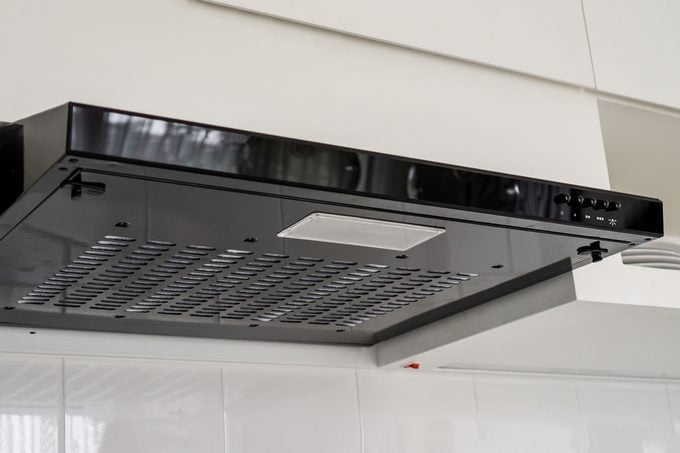
Credit: www.familyhandyman.com
How Ductless Range Hoods Operate
Understanding how ductless range hoods operate helps you decide if they fit your kitchen needs. Unlike traditional hoods that vent air outside, ductless models rely on internal systems to clean and recycle the air. Let’s break down the key parts that make this happen.
Filtration Mechanisms
Ductless range hoods use multiple filters to trap grease, smoke, and odors before releasing air back into your kitchen. The most common filters include:
- Grease filters:Usually made of aluminum or stainless steel, these capture oil particles to prevent buildup inside the hood.
- Charcoal filters:These absorb odors and smoke, working like a sponge to freshen the air.
Replacing or cleaning these filters regularly keeps the hood working efficiently. Have you checked your filters lately? Neglecting them can reduce airflow and leave your kitchen smelling less than fresh.
Air Recirculation Process
Once air passes through the filters, it doesn’t exit your home. Instead, the hood uses a fan to push the cleaned air back into the room. This recirculation avoids the need for external ducts but depends heavily on filter quality.
This system works well in apartments or kitchens where installing ducts is impossible. However, it may not remove all airborne particles as effectively as ducted hoods. Do you cook often enough to consider how much smoke and steam your kitchen accumulates? That’s a key factor in choosing the right hood type for your space.
Efficiency Compared To Ducted Models
Ductless range hoods offer a different way to manage kitchen air compared to ducted models. Their efficiency depends on various factors, such as how well they clean the air, noise they produce, and energy they use. Understanding these aspects helps choose the right hood for your kitchen needs.
Air Quality Impact
Ductless hoods filter air through charcoal or carbon filters. They trap smoke and odors but do not remove heat or moisture. This means some pollutants stay in the kitchen. Ducted models vent air outside, removing most contaminants completely. Ductless hoods work well in small kitchens or apartments without outside vents.
Noise Levels
Ductless models tend to be quieter. They don’t need strong fans to push air through ducts. Noise mainly comes from the fan and motor inside the unit. Ducted hoods can be louder because they move air through long ducts. Quiet operation is a key benefit for ductless systems.
Energy Consumption
Ductless range hoods use less energy. Their fans work at lower power since they recirculate air inside. Ducted hoods require more energy to push air outdoors. Some ductless models also have energy-saving features like LED lights. Choosing a ductless hood can reduce electricity bills over time.
Key Benefits Of Ductless Range Hoods
Ductless range hoods offer several key benefits that make them a popular choice. They provide effective ventilation without the need for complex ductwork. These hoods help keep your kitchen air clean and fresh. Below are some main advantages of choosing a ductless range hood.
Installation Flexibility
Ductless range hoods are easy to install. They do not require external vents or ducts. This makes them perfect for apartments or homes without existing ductwork. You can place them almost anywhere above your stove. This flexibility allows for more kitchen design options.
Cost Savings
These hoods cost less to install than traditional ducted models. You save money on ductwork and professional labor. They also use less energy, which lowers your utility bills. Maintenance is simple and cheaper because there are no ducts to clean. Overall, ductless hoods are budget-friendly.
Space Optimization
Ductless range hoods take up less space. They are compact and fit well in small kitchens. Without bulky ducts, your kitchen looks cleaner and more open. They provide good lighting and airflow without crowding your cooking area. This makes your kitchen feel larger and more comfortable.

Credit: www.searshomeservices.com
Limitations And Considerations
Ductless range hoods offer a flexible way to ventilate kitchens without external ducts. They come with unique benefits but also have some limits. Understanding these helps set realistic expectations and ensures better use.
Filter Maintenance
Filters catch grease and particles from cooking fumes. They need regular cleaning to keep working well. Most models use charcoal or mesh filters. Charcoal filters absorb odors but wear out over time. Mesh filters trap grease and require washing every few weeks. Neglecting filter care reduces hood efficiency and can cause bad smells.
Smoke And Odor Removal
Ductless hoods recycle air instead of venting it outside. This limits how well they remove smoke and strong odors. They work best with light cooking and low smoke. Heavy frying or grilling may overwhelm the filters. Odors tend to linger longer than with ducted systems. Proper filter replacement helps but cannot fully eliminate all smells.
Kitchen Size Suitability
Ductless range hoods suit small to medium kitchens. They struggle in large kitchens with high ceilings. Air circulation is less effective without ducting. Room size affects how quickly smoke and smells clear out. Larger kitchens often need more powerful or multiple ventilation units. Matching hood capacity to kitchen size improves performance.
Choosing The Right Ductless Range Hood
Choosing the right ductless range hood improves kitchen air quality and comfort. It requires attention to several important features. These features affect how well the hood removes smoke, grease, and odors. Also, they impact the ease of use and the look of your kitchen. Focus on filter types, fan power, and design options to find the best fit.
Filter Types And Quality
Filters trap grease and particles in ductless hoods. The quality of filters determines how clean your kitchen stays. Common types include:
- Charcoal Filters:Absorb smoke and odors effectively.
- Mesh Filters:Capture grease and larger particles.
- Carbon Filters:Provide extra odor removal.
Look for filters that are easy to remove and clean. Reusable filters save money over time. High-quality filters improve air purification and reduce maintenance.
Fan Power And Speed Settings
Fan power affects how well the hood clears air. Higher power means faster removal of smoke and smells. Multiple speed settings offer control and flexibility. Use low speed for light cooking smells. High speed works best for frying or grilling. A quiet fan keeps the kitchen peaceful.
Design And Aesthetic Options
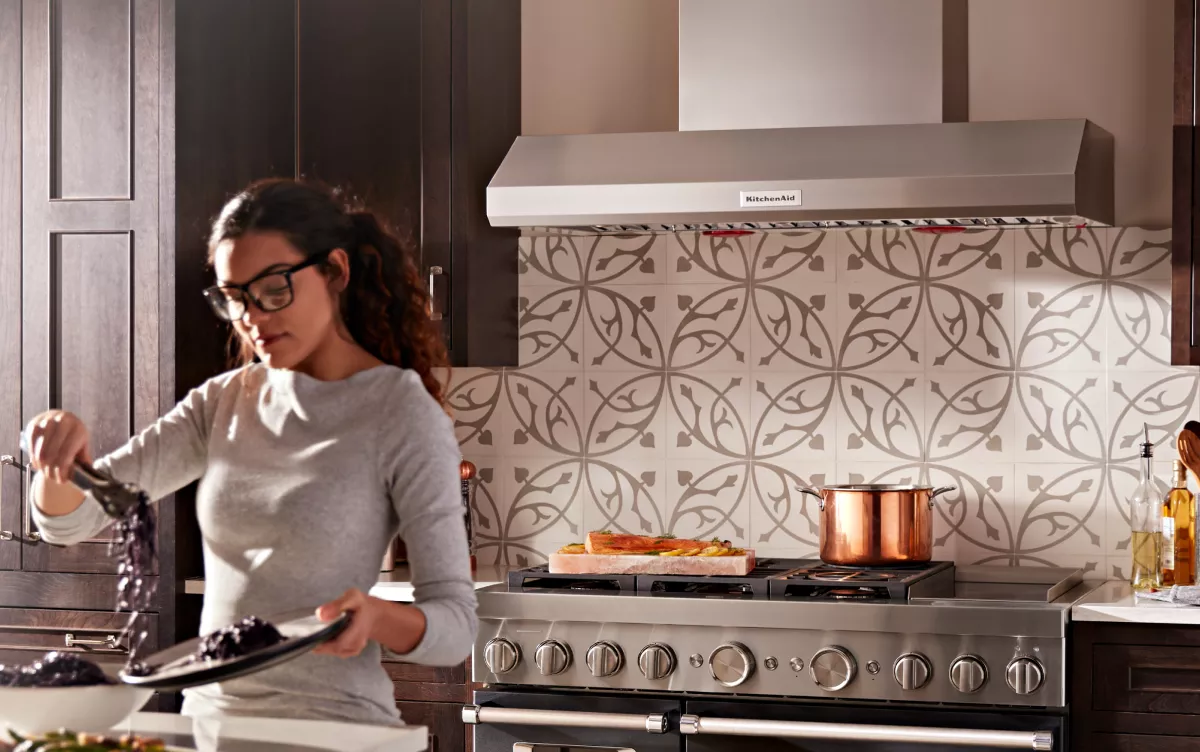
Ductless range hoods come in many styles and finishes. Choose a design that matches your kitchen decor. Popular materials include stainless steel, glass, and black or white finishes. Some models have sleek, modern looks. Others offer a classic or rustic style. Size and shape also matter. The hood should fit above your cooktop without crowding the space.
Credit: www.kitchenaid.com
Tips For Maximizing Performance
Maximizing the performance of your ductless range hood is key to keeping your kitchen air fresh and clean. Small adjustments and regular upkeep can make a big difference in how well it captures smoke, odors, and grease. Are you getting the most out of your appliance? Let’s dig into some practical tips that can boost its efficiency.
Regular Filter Cleaning
Filters trap grease and particles, so they need your attention. Cleaning them often prevents buildup that can block airflow and reduce suction power. Depending on your hood’s model, you might wash metal filters with warm soapy water or replace charcoal filters regularly.
Set a reminder to clean filters every month or two, especially if you cook frequently. You’ll notice your range hood working better and your kitchen smelling fresher. Have you checked your filters lately?
Proper Hood Placement
The position of your ductless range hood affects how well it captures smoke and steam. It should be centered over your cooktop and installed at the recommended height—usually between 24 and 30 inches above the stove surface.
If it’s too high, the hood won’t catch all the smoke. Too low, and it can get in your way while cooking. Take a moment to measure your setup and adjust if necessary to optimize airflow.
Combining With Ventilation Systems
Ductless range hoods recirculate air after filtering it, but pairing them with other ventilation methods can improve overall air quality. Opening windows or using an exhaust fan in a nearby window can help remove lingering odors and moisture.
Think about your kitchen’s airflow as a system rather than relying on one device. How could adding simple ventilation steps improve your cooking environment?
Frequently Asked Questions
Do Ductless Range Hoods Effectively Remove Cooking Odors?
Yes, ductless range hoods use charcoal filters to absorb and reduce cooking odors. They trap grease and smoke but may not eliminate all smells completely. Regular filter replacement is essential for optimal odor control and maintaining air quality in your kitchen.
How Do Ductless Range Hoods Work Without Venting Outside?
Ductless range hoods recirculate air through charcoal and grease filters. They capture smoke, grease, and odors, then release clean air back into the kitchen. This system works well in spaces without external venting options, offering a convenient alternative to traditional range hoods.
Are Ductless Range Hoods Energy Efficient?
Yes, ductless range hoods are generally energy efficient. They use less power as they don’t require a vent fan running constantly. Additionally, they help maintain indoor temperature by recirculating air, reducing the need for extra heating or cooling in your kitchen space.
Can Ductless Range Hoods Handle Heavy Cooking Smoke?
Ductless range hoods manage light to moderate smoke effectively. However, they may struggle with heavy smoke from intense cooking. For frequent heavy cooking, a vented range hood is recommended for better smoke removal and improved kitchen air quality.
Conclusion
Ductless range hoods do work well for many kitchens. They clean air by using filters to trap smoke and odors. These hoods do not need outside vents, making them easy to install. Keep in mind, filters need regular cleaning or replacing.
They are best in small or medium kitchens. If you want fresh air without complex setups, ductless hoods are a good choice. Think about your kitchen size and cooking habits before buying. Clean air helps you cook better and feel more comfortable.
Simple, effective, and practical.