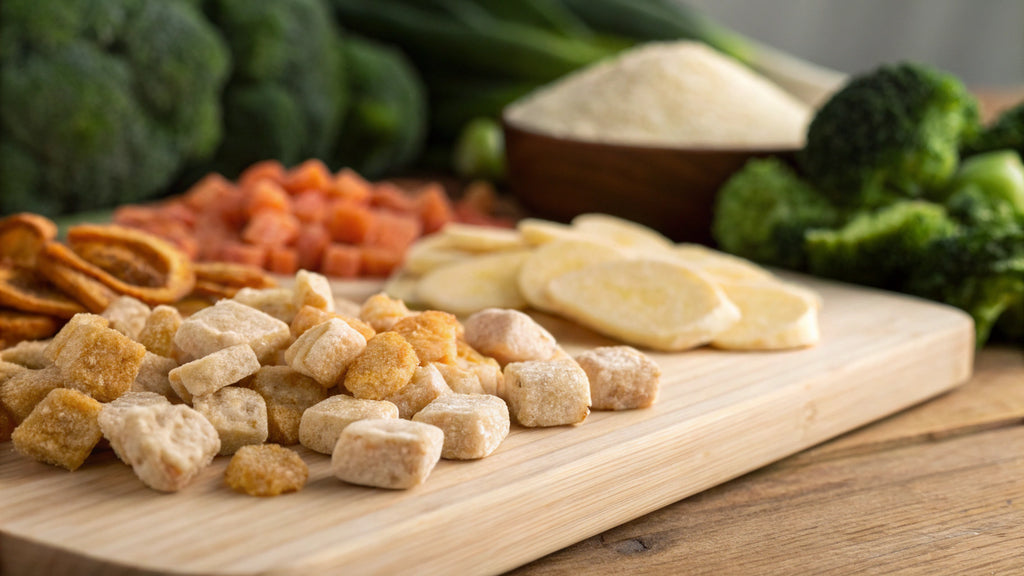
Ever found yourself staring at a pack of freeze-dried strawberries or a pouch of beef stew, wondering if it’s still good to eat? You’re not alone.
The question of whether freeze-dried foods expire is one that puzzles many, especially those who rely on them for camping, emergency preparedness, or simply as a handy pantry staple. As you navigate through the aisles of your favorite store, or perhaps your own kitchen shelves, understanding the shelf life of these foods can save you time, money, and a potential stomachache.
We’ll uncover the truth about freeze-dried foods and their expiration, so you can stock up with confidence and peace of mind. Stick around to discover the secrets that manufacturers don’t always advertise and learn how you can maximize the longevity of your freeze-dried favorites.
Shelf Life Basics
Understanding the shelf life of freeze dried foods can help you plan better for storage and usage. It’s not just about how long the food lasts, but also how well it retains its taste, texture, and nutrients over time. Let’s break down the basics so you can make the most of your freeze dried supplies.
How Freeze Drying Works
Freeze drying removes moisture from food by freezing it and then applying a vacuum. This process turns ice directly into vapor without melting, preserving the food’s structure and nutrients.
Because water is removed, bacteria and mold can’t grow, which significantly extends the food’s shelf life. Have you noticed how freeze dried fruits still taste fresh even after months? That’s why.
Factors Affecting Shelf Life
Several factors influence how long freeze dried foods last. The main ones include:
- Packaging:Airtight, moisture-proof packaging extends shelf life by keeping out air and humidity.
- Storage Conditions:Cooler, darker places help maintain quality longer.
- Food Type:High-fat foods may spoil faster than low-fat options.
Think about your pantry setup—are your freeze dried foods stored in sealed containers away from heat? Small changes can make a big difference.
Difference From Other Preservation Methods
Freeze drying is unique compared to canning or dehydrating. Unlike canning, it doesn’t require heat, which helps keep nutrients and flavors intact.
Compared to regular dehydration, freeze drying removes nearly all moisture, making the food lighter and much longer-lasting. You might be surprised how freeze dried meals can last 20-30 years, while dehydrated ones last only a few years.
Does your current food storage method really match your long-term needs? Freeze drying might offer advantages you haven’t considered yet.
Typical Expiration Timeframes
Understanding the typical expiration timeframes of freeze dried foods helps you plan your meals and storage better. These foods are known for their long shelf life, but the actual duration depends on several factors. Knowing how long your freeze dried items last can save you from unexpected waste and ensure you always have safe, tasty food on hand.
Common Shelf Life For Freeze Dried Foods
Most freeze dried foods last between 10 to 25 years if stored properly. Fruits and vegetables often stay good for around 15 to 25 years. Meats and dairy products usually have a shorter shelf life, closer to 10 to 15 years.
These long timeframes make freeze dried foods a favorite for emergency kits and long-term storage. You might be surprised how some freeze dried fruits I kept for over 20 years still tasted fresh and nutritious. This shows how well freeze drying preserves food when done right.
Variations By Food Type
Not all freeze dried foods last the same time. High-fat foods like nuts or cheese degrade faster because fats can go rancid. On the other hand, low-fat items like rice or beans often remain good longer.
Vegetables and fruits also differ. Citrus fruits may lose flavor quicker than berries, which tend to hold up well. Think about what you store and how quickly you plan to use it to avoid tossing spoiled food.
Packaging Impact On Longevity
Packaging plays a huge role in how long freeze dried foods stay edible. Airtight, vacuum-sealed packaging with oxygen absorbers can extend shelf life significantly. My personal experience shows that resealable Mylar bags with oxygen absorbers keep foods fresh much longer than simple plastic containers.
Exposure to moisture, air, or light speeds up spoilage. Always check your packaging and consider upgrading to better options if you want your freeze dried foods to last decades. Have you inspected your food storage lately?
Signs Of Expired Freeze Dried Foods
Freeze dried foods are known for their long shelf life. Still, they do not last forever. Knowing the signs of expired freeze dried foods helps avoid eating spoiled items. These signs include changes in appearance, taste, texture, and safety risks.
Visual Changes To Watch For
- Discoloration or dark spots on the food surface
- Visible mold or powdery residue
- Packaging damage like holes or tears
- Unusual clumping or moisture inside the package
Taste And Texture Indicators
Expired freeze dried foods often lose their original flavor. A stale or off taste signals spoilage. Texture changes include:
- Excessive hardness or brittleness
- Unexpected softness or sogginess
- Grainy or powdery texture instead of crisp
Safety Concerns
Eating expired freeze dried foods may cause stomach upset. Bacteria or mold growth can lead to food poisoning. Avoid foods with any unusual smells or signs of spoilage. When in doubt, it is safer to discard the item.
Storing Freeze Dried Foods
Storing freeze dried foods properly is key to keeping them safe and tasty for as long as possible. Even though freeze drying removes moisture and slows down spoilage, your storage choices still make a big difference. Paying attention to temperature, packaging, and cleanliness can help you enjoy these foods well beyond their usual shelf life.
Ideal Storage Conditions
Freeze dried foods last longest when kept in a cool, dark place. Temperatures between 50°F and 70°F (10°C to 21°C) work best to preserve flavor and nutrients.
Humidity is your enemy here. Avoid damp areas like basements prone to moisture or places near sinks and ovens.
Use airtight containers to protect against air and moisture. My pantry has a dedicated shelf just for freeze dried foods, stored in sealed Mylar bags with oxygen absorbers. This setup keeps everything fresh for years.
Tips To Extend Shelf Life
- Choose containers that block light, such as opaque or foil-lined bags.
- Keep food off the floor to avoid temperature swings and pests.
- Label each package with the date you stored it so you can track freshness.
- Consider vacuum sealing to remove air and prevent oxidation.
- Store smaller portions separately to avoid exposing the entire batch every time you open a container.
Have you ever opened a bag only to find the food stale or off? Minimizing exposure to air each time you open packaging can prevent that from happening.
Avoiding Contamination
Cleanliness is crucial when handling freeze dried foods. Always wash your hands before touching the food or packaging.
Use clean, dry utensils rather than your fingers to scoop food out. This stops introducing moisture or bacteria that could spoil the food faster.
Seal packages tightly after each use. Even a small crack in packaging can let in moisture and contaminants.
Think about how you store leftovers in your fridge—would you leave a container open? Freeze dried foods need similar care to stay safe.
Using Freeze Dried Foods Past Expiry
Using freeze dried foods past their expiry date raises questions about safety and quality. These foods last longer than fresh items but do not last forever. Understanding how to evaluate and use them after expiry helps avoid waste and health risks.
Assessing Edibility
Check the packaging for any damage or swelling. Smell the food for unusual odors. Look for visible mold or discoloration. Feel the texture; it should remain dry and crisp. If any signs are off, do not eat the food.
Nutritional Changes Over Time
Freeze drying preserves most nutrients but they can decline after expiry. Vitamins like C and A break down first. Protein and carbohydrates stay more stable. The food may lose flavor and texture but still provide energy.
When To Discard
- Packaging is torn or compromised.
- Food smells bad or has mold.
- Texture is sticky or soft instead of dry.
- Unusual colors appear on the food.
- It has been stored improperly, such as in humidity.
Use caution with any expired freeze dried foods. Safety should be the top priority.

Credit: www.houndsy.com
Popular Freeze Dried Foods And Their Lifespan
Freeze dried foods offer a long shelf life, making them popular for storage and emergency use. Different types of freeze dried foods last for varied lengths of time. Knowing how long each type stays good helps with planning meals and avoiding waste. Here is a look at popular freeze dried foods and their typical lifespans.
Fruits And Vegetables
Freeze dried fruits and vegetables keep nutrients and flavor well. Most can last between 10 to 25 years if stored properly. Common freeze dried fruits include strawberries, apples, and bananas. Vegetables like peas, corn, and carrots also freeze dry well.
- Fruits: 10-25 years
- Vegetables: 10-20 years
Proper storage means airtight containers in a cool, dark place. Moisture and air cause spoilage. Freeze dried fruits and vegetables rehydrate quickly for easy cooking.
Meats And Proteins
Freeze dried meats and proteins retain protein content and flavor for years. Popular options include chicken, beef, and fish. These can last 15 to 25 years if sealed correctly. Freeze dried beans and eggs also fall under this category.
- Chicken, beef, fish: 15-25 years
- Beans and eggs: 10-20 years
Store meats in moisture-proof packaging. Exposure to air reduces shelf life and taste. Freeze dried proteins are great for hiking, camping, and emergency meals.
Prepared Meals And Snacks
Freeze dried meals combine ingredients for ready-to-eat convenience. Examples include soups, pasta dishes, and breakfast bowls. These meals usually last 5 to 15 years. Snacks like freeze dried yogurt bites and fruit crisps last about 10 years.
- Prepared meals: 5-15 years
- Snacks: around 10 years
Packaging quality affects lifespan greatly. Vacuum sealing and oxygen absorbers help extend freshness. These foods save time and reduce cooking effort.
Emergency Preparedness And Freeze Dried Foods
Emergency preparedness depends heavily on having reliable, long-lasting food supplies. Freeze dried foods offer a practical solution because they combine extended shelf life with lightweight convenience. Understanding how to manage these foods can make a real difference when you need them most.
Benefits For Long-term Storage
Freeze dried foods can last for 25 years or more if stored properly. Their low moisture content prevents spoilage and bacterial growth, which is a huge advantage over fresh or canned foods.
They also retain most of their nutrients and flavors, making them a solid choice for maintaining a balanced diet during emergencies. Plus, their lightweight nature means you can store large quantities without taking up much space or adding extra weight.
Rotating Stock Efficiently
Even with long shelf lives, freeze dried foods aren’t immune to expiration. Rotating your stock is essential to avoid waste and ensure freshness.
Keep a simple system by labeling packages with purchase or freeze drying dates. Use the “first in, first out” rule to consume the oldest items first. This practice keeps your emergency food supply fresh and ready to use at all times.
Planning For Expiry
Planning ahead means you won’t be caught off guard by expired freeze dried foods. Check expiration dates regularly and plan meals around items nearing their limit.
Consider using foods that are close to expiration in everyday cooking or sharing them with family and friends. This way, nothing goes to waste, and you maintain a healthy rotation of your emergency supplies.

Credit: www.reddit.com

Credit: www.youtube.com
Frequently Asked Questions
Do Freeze Dried Foods Have An Expiration Date?
Yes, freeze dried foods do have an expiration date. Typically, they last 10 to 25 years when stored properly. The shelf life depends on packaging, storage conditions, and food type. Always check the manufacturer’s date for best quality and safety.
How Long Can Freeze Dried Foods Be Safely Stored?
Freeze dried foods can be stored safely for 10 to 25 years. Proper storage means keeping them in airtight containers, away from heat and moisture. Storing in a cool, dark place extends their shelf life significantly.
Does Freezing Extend Freeze Dried Food Shelf Life?
Freezing is generally unnecessary for freeze dried foods. Their low moisture content already prevents spoilage. Proper packaging and storage at room temperature are sufficient to maintain freshness and safety for many years.
Can Freeze Dried Foods Spoil After Expiration?
Freeze dried foods can degrade after expiration, affecting taste and texture. However, they rarely become unsafe to eat immediately after the date. Inspect for off smells, discoloration, or mold before consumption.
Conclusion
Freeze dried foods last a very long time if stored right. They keep most nutrients and taste well. Watch the package for any changes or damage. Store them in cool, dry places for best results. Expiry dates matter but often these foods stay good beyond that.
Always check before eating. Freeze dried foods offer a handy, long-lasting option for meals. Simple care helps them stay fresh and safe. You can enjoy them without worry for many months or years.