When you collect freshly laid eggs, it’s natural to wonder if they need to be refrigerated. It’s a question many people ask, especially if you’re trying to keep your food as fresh and safe as possible.
You might have heard different opinions from friends or read conflicting advice online. This can leave you unsure about the best way to store your eggs. Imagine the peace of mind you’ll feel once you know exactly how to handle these little treasures from your backyard coop or local farm.
We’ll explore whether refrigeration is necessary for freshly laid eggs and give you clear guidance to make the best decision for your household. Stick with us to discover the truth about egg storage and ensure that your eggs are always fresh and safe for your family to enjoy.
Why Refrigerate Eggs?
Refrigerating eggs helps keep them fresh and safe to eat. Eggs have natural defenses, but cold storage strengthens these protections. Storing eggs in the fridge slows down harmful bacteria and extends their usability. Understanding why refrigeration matters can help you handle eggs better at home.
Eggshell Protection
The eggshell acts as a barrier against germs. It has tiny pores that let air in and out. This can also allow bacteria to enter if the egg is not stored properly. Cold temperatures tighten the shell’s defenses. Refrigeration helps keep the shell strong and less porous. This lowers the chance of contamination.
Bacterial Growth Risks
Eggs can carry bacteria like Salmonella on the shell or inside. Warm environments help bacteria multiply fast. Keeping eggs cold slows down this growth. Refrigeration reduces the risk of foodborne illnesses. It is important for eggs meant to be eaten raw or lightly cooked.
Shelf Life Impact
Fresh eggs last longer in the fridge. At room temperature, eggs can spoil within a week. In the refrigerator, they stay good for several weeks. Cold storage keeps the egg white and yolk firm. It also preserves the flavor and nutritional value. Proper refrigeration helps avoid waste and saves money.

Credit: grubblyfarms.com
Eggs Fresh From The Farm
Eggs fresh from the farm have unique qualities that set them apart from store-bought eggs. They come straight from hens, often handled with care on small farms or backyard coops. The natural state of these eggs affects how they should be stored. Understanding their traits helps keep them fresh and safe to eat.
Natural Bloom Coating
Fresh eggs have a natural coating called the bloom or cuticle. This thin layer covers the shell and seals the pores. It protects the egg from bacteria and moisture loss. The bloom acts like a natural shield, keeping eggs safe without refrigeration for some time.
Differences From Store Eggs
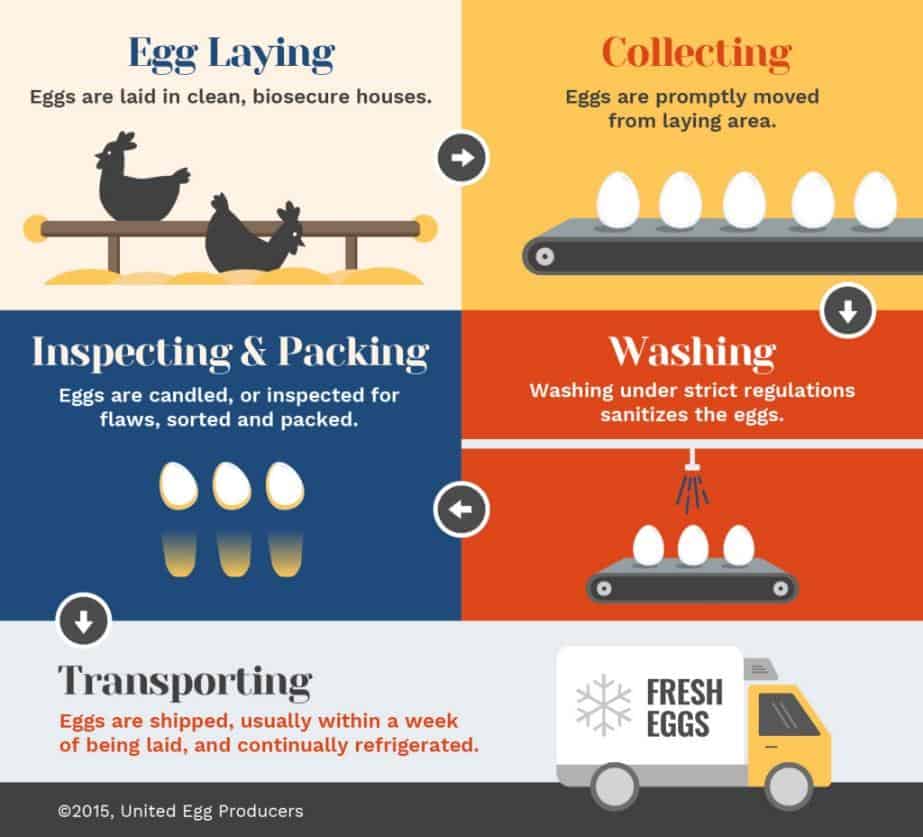
Store eggs are usually washed and sanitized before packaging. This process removes the natural bloom. Without the bloom, eggs become more vulnerable to bacteria. That is why store eggs need to be refrigerated to stay safe and fresh. Fresh farm eggs keep their bloom, so refrigeration is not always necessary right away.
Handling Fresh Eggs Safely
Keep fresh eggs clean and dry. Avoid washing them until ready to use, as washing removes the bloom. Store eggs in a cool, dry place away from direct sunlight. Use eggs within two weeks for best quality. If you want to keep them longer, refrigeration is a good option after a few days.
Refrigeration Practices Worldwide
Egg refrigeration practices vary widely across the globe, reflecting different food safety standards, cultural habits, and even how eggs are processed after being laid. These differences can influence how you should store your eggs depending on where you live or where your eggs come from. Let’s look closely at how these practices differ and what they mean for you.
Us Vs Europe Methods
In the United States, eggs are washed and sanitized soon after being collected. This process removes the natural protective coating on eggshells, which makes refrigeration necessary to prevent bacteria from entering.
In contrast, many European countries avoid washing eggs. Instead, they rely on the natural bloom to protect eggs. This allows eggs to be stored at room temperature safely for longer periods.
Have you noticed eggs in European markets often sitting unrefrigerated? This difference is a direct result of these contrasting handling methods. It’s important to recognize that these are not just habits but safety protocols tailored to local conditions.
Cultural Influences On Storage
Culture plays a big role in how eggs are stored. In some countries, people believe that refrigerating eggs affects their taste or texture, so they prefer storing eggs in a cool pantry or on the kitchen counter.
In other cultures, refrigeration is a strict rule taught from childhood to avoid foodborne illness. These cultural habits shape how you might perceive egg freshness and safety.
Think about your own kitchen. Does your family refrigerate eggs or keep them out? This habit often reflects deep-rooted traditions rather than just convenience or preference.
Effect On Egg Quality
Refrigerating eggs slows down the aging process, which helps maintain freshness and quality. However, if eggs are refrigerated and then left out at room temperature, condensation can form, increasing the risk of bacterial growth.
On the other hand, storing eggs at room temperature may preserve their natural texture and flavor better but shortens their shelf life. You need to balance freshness with safety depending on your storage choice.
Next time you buy fresh eggs, try storing some refrigerated and some at room temperature. Notice any difference in taste or cooking results. Your personal experience can guide the best practice for your kitchen.
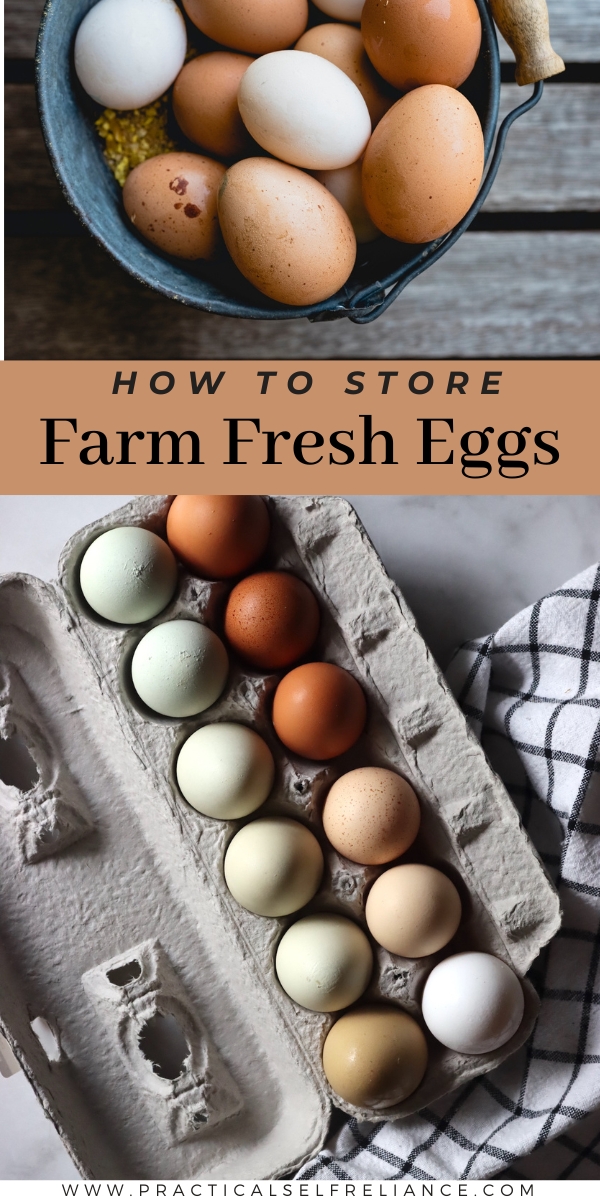
Credit: practicalselfreliance.com
When To Refrigerate Fresh Eggs
Knowing when to refrigerate fresh eggs helps keep them safe and tasty. Eggs from backyard hens or local farms often don’t need immediate refrigeration. But certain conditions make cooling necessary. Understanding these signs protects eggs from spoiling and harmful bacteria.
After Washing Eggs
Washing eggs removes the natural protective coating. This coating stops bacteria from entering the shell. Once washed, eggs become more vulnerable to contamination. Refrigeration slows bacterial growth and extends shelf life. Store washed eggs in the fridge as soon as possible. Keep unwashed eggs at room temperature for up to two weeks.
Climate And Temperature Factors
Warm and humid climates increase the risk of egg spoilage. Temperatures above 70°F (21°C) speed up bacterial growth. In cooler climates, eggs can stay fresh longer without refrigeration. Rapid temperature changes cause condensation on eggshells. This moisture can encourage bacteria to grow. Keep eggs cool and stable to maintain freshness.
Signs Eggs Need Cooling
Look for cracks or slimy shells on eggs. These signs show bacteria may have entered. A strong or unpleasant smell also indicates spoilage. If eggs sweat or feel warm, refrigerate them immediately. Store eggs in a clean, covered container inside the fridge. This prevents odors and maintains quality.
Storing Eggs Properly At Home
Properly storing eggs at home makes a big difference in keeping them fresh and safe to eat. Whether you buy farm-fresh eggs or store ones from the supermarket, how you handle them affects their quality. Let’s look at some practical tips that can help you keep your eggs in top shape.
Ideal Fridge Placement
Many people assume the fridge door is the best spot for eggs, but it’s actually not. The temperature there fluctuates more because of frequent opening. Instead, place your eggs on a middle or lower shelf where the temperature stays more consistent.
Keeping eggs away from the fridge door can extend their freshness by days. Have you noticed how quickly your eggs spoil when left out or near the door? This simple shift in placement can make a big difference.
Avoiding Cross-contamination
Eggs can carry bacteria like Salmonella on their shells, so it’s important to keep them separate from raw meats and strong-smelling foods. Use a dedicated space or container just for eggs in your fridge.
Don’t wash eggs before storing them; washing removes the natural protective coating. Instead, clean any dirty spots right before cooking. How often do you think about keeping your eggs safe from other foods?
Using Egg Storage Containers
Investing in a good egg storage container can be a game-changer. These containers protect eggs from absorbing odors and help prevent breakage. Plus, many come with lids that maintain humidity levels, keeping eggs fresher longer.
If you prefer the carton your eggs come in, keep it closed and place it on a stable shelf. Storing eggs pointy end down inside containers or cartons also helps maintain their quality. Have you tried using special egg containers before?
Myths About Egg Refrigeration
Many people have strong opinions about storing eggs. Some believe eggs must always be refrigerated. Others think room temperature is just fine. These beliefs come from common myths that need clearing up. Understanding facts helps keep eggs safe and tasty.
Refrigeration And Egg Taste
Some say eggs taste better when stored at room temperature. The truth is, refrigeration does not change egg flavor. Eggs keep their fresh taste whether cold or not. Temperature mainly affects safety and shelf life, not flavor.
Eggs Last Longer At Room Temperature
This myth can be risky. Freshly laid eggs without washing can stay safe outside the fridge for a short time. But once cleaned, eggs lose a protective layer. They spoil faster at room temperature. Refrigeration slows bacteria growth and keeps eggs fresh longer.
Freezing Eggs Safely
Freezing whole eggs in their shells is not safe. Shells can crack and cause spoilage. Instead, beat eggs and freeze in airtight containers. Label with the date for best use. Frozen eggs can last up to one year and work well for cooking and baking.
Credit: foodsafetyworks.com
Frequently Asked Questions
Do Freshly Laid Eggs Need Immediate Refrigeration?
Freshly laid eggs do not need immediate refrigeration if unwashed. Their natural coating protects them from bacteria. However, refrigeration extends freshness and safety once washed or after a few days.
How Long Can Fresh Eggs Stay Unrefrigerated?
Fresh, unwashed eggs can stay unrefrigerated for up to two weeks. Keep them in a cool, dry place away from direct sunlight. Refrigerate after two weeks for best quality and safety.
Why Are Some Eggs Refrigerated And Others Not?
Egg refrigeration depends on regional practices. In the U. S. , eggs are washed and refrigerated to prevent bacteria. In Europe, eggs keep their protective coating and are stored at room temperature safely.
Does Washing Eggs Affect Refrigeration Needs?
Yes, washing eggs removes their natural protective coating. This makes them more vulnerable to bacteria. Washed eggs must be refrigerated immediately to maintain freshness and prevent contamination.
Conclusion
Fresh eggs straight from the hen can stay fresh without a fridge. Their natural coating keeps bacteria out for some time. But washing eggs removes this layer, so refrigeration helps then. Cooler temperatures slow down spoilage and keep eggs safe longer.
Store eggs in a clean, dry place if not refrigerated. Check eggs regularly for cracks or bad smells. Remember, freshness matters most for good taste and safety. Choose what fits your home best. Simple care keeps your eggs fresh and healthy.