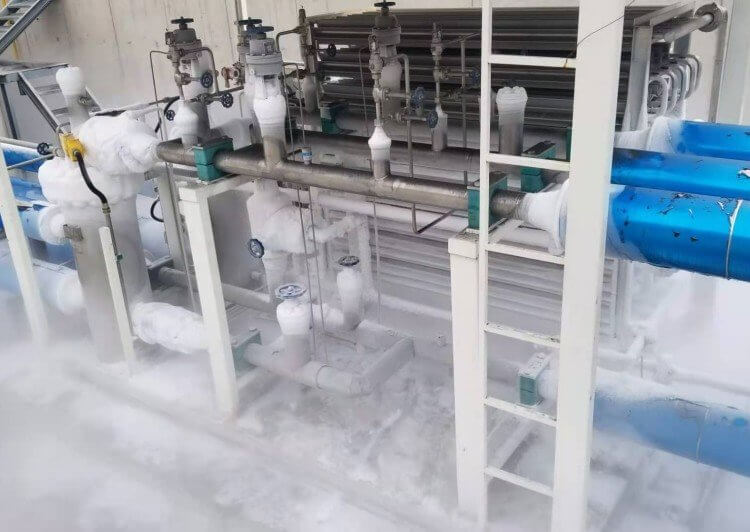
Have you ever worried about your gas line freezing when the temperature drops? It’s a concern that can catch you off guard, especially during harsh winters.
You might wonder if your gas supply could suddenly stop working or if there’s a hidden risk you haven’t considered. Understanding whether gas lines freeze and how to protect them can save you from unexpected problems and keep your home safe and warm.
Keep reading to discover the truth about frozen gas lines and what you can do to prevent trouble before it starts.
How Gas Lines Work
Gas lines are essential for delivering natural gas safely to homes and businesses. Understanding how they work helps explain common concerns, such as whether gas lines can freeze. Gas lines operate through a system that controls and directs gas flow from the main supply to your appliances.
Gas Line Components
Gas lines consist of several key parts that work together smoothly. The main components include:
- Supply Pipe:Carries gas from the main source to the building.
- Regulator:Controls gas pressure to keep it safe and steady.
- Shut-off Valve:Allows you to stop gas flow if needed.
- Distribution Pipes:Spread gas to different appliances inside the building.
- Fittings and Connectors:Join pipes and ensure leak-free connections.
Each part must be installed correctly to keep gas moving safely and efficiently.
Gas Flow Mechanism
Gas moves through the pipes because of pressure differences. The gas supply is kept at high pressure. Regulators reduce this pressure to a safe level for home use.
As gas flows, it follows a path from the supply line through the regulator. Then it travels through the distribution pipes to your stove, heater, or other appliances.
Gas flow depends on pressure and pipe size. Pipes must be free of blockages. Cold temperatures rarely cause gas to freeze because natural gas contains very few liquids. This flow system ensures gas reaches appliances without interruption.
Credit: www.homehardware.ca
Can Gas Lines Freeze
Can gas lines freeze? It’s a question many homeowners in colder climates ask, especially when winter temperatures drop sharply. Understanding whether gas lines can freeze helps you prepare and protect your home’s heating system during harsh weather.
Temperature Effects On Gas Lines
Gas lines carry natural gas or propane, which are gases at room temperature. These gases don’t freeze like water, so the lines themselves typically don’t freeze solid. However, the moisture inside or around the pipes can freeze, causing blockages.
When temperatures fall below freezing, any water vapor in the gas can turn into ice crystals. These ice crystals can build up and restrict gas flow, leading to pressure drops or even complete blockages. This is why your gas supply might feel interrupted even if the pipe isn’t frozen solid.
Conditions Leading To Freezing
Freezing in gas lines happens mainly under specific conditions:
- High moisture content:More water vapor in the gas increases the chance of ice formation.
- Rapid temperature drops:Sudden cold snaps can cause existing moisture to freeze quickly.
- Poor insulation:Pipes exposed to cold air without proper insulation are more vulnerable.
- Low gas flow:Slow-moving gas allows more time for moisture to freeze inside the line.
Have you ever noticed your heater struggling on the coldest days? This might be a sign of partial freezing in your gas lines. Checking your pipes and ensuring they are dry and well-insulated can save you from unexpected heating failures.
Signs Of Frozen Gas Lines
Frozen gas lines can cause major problems in cold weather. Recognizing the signs early helps prevent damage and hazards. The following sections describe common symptoms and safety risks of frozen gas lines.
Common Symptoms
- Gas appliances fail to ignite or work properly
- Weak or no gas smell near appliances
- Unusual hissing sounds near the gas line
- Visible frost or ice on exposed pipes
- Cold spots on the gas line surface
- Gas meter not moving despite appliance use
Safety Risks
Frozen gas lines can create dangerous situations. Blocked gas flow may lead to gas buildup.
This buildup can cause leaks or explosions. Poor combustion might produce carbon monoxide.
Carbon monoxide is colorless and deadly. Always treat signs of frozen gas lines seriously.

Credit: www.canadiantire.ca
Preventing Gas Line Freeze
Preventing gas line freeze is crucial to keep your home safe and functional during cold weather. Frozen gas lines can disrupt your heating system and lead to costly repairs. Taking simple, proactive steps can help you avoid these issues altogether.
Insulation Techniques
Adding insulation to your gas lines is one of the most effective ways to prevent freezing. Use foam pipe sleeves or heat tape designed specifically for pipes. These materials help keep the temperature around your pipes stable, even during bitter cold spells.
Think about the pipes running through unheated areas like basements or crawl spaces. Wrapping them securely can make a big difference. Have you checked if your gas lines are exposed to drafts? Sealing gaps around those pipes can add another layer of protection.
Proper Maintenance
Regular maintenance keeps your gas lines in top shape and reduces freeze risk. Inspect your lines for cracks, leaks, or corrosion before winter arrives. Fixing small problems early can prevent bigger headaches later.
Also, keep your heating system well-tuned. A working heater helps maintain warmth around your pipes, reducing the chance of freezing. Have you scheduled a professional checkup this season? It’s a smart move that can save you trouble down the road.
What To Do If Gas Lines Freeze
Frozen gas lines can cause major problems during cold weather. Knowing what to do quickly helps avoid damage and keeps your home safe. Acting fast protects your gas system and prevents hazards.
Here are key actions to take if you suspect frozen gas lines.
Immediate Steps
- Turn off the gas supply at the main valve.
- Do not try to thaw the line using open flames or extreme heat.
- Check for any gas leaks by smelling or listening for hissing sounds.
- Open windows to ventilate the area if you detect gas.
- Keep appliances off until the gas flow is restored and safe.
When To Call A Professional
Contact a licensed plumber or gas technician immediately if the gas line is frozen.
Professionals use safe tools to thaw gas lines without risks.
Never attempt repairs yourself. Gas leaks can cause fires or explosions.
Call emergency services if you smell strong gas or feel dizzy.
Credit: www.canadiantire.ca
Myths About Gas Line Freezing
Many people worry about gas lines freezing during cold weather. This concern leads to several myths that cause confusion. Understanding the truth helps keep your home safe and warm. Here are some common myths about gas line freezing.
Gas Lines Can Freeze Like Water Pipes
Gas is a vapor, not a liquid like water. It does not freeze under normal winter temperatures. Water pipes freeze because water expands when it turns to ice. Gas molecules stay in gas form, even in cold weather.
Gas Lines Need Extra Insulation To Prevent Freezing
Gas lines are underground or insulated by default. The earth’s warmth keeps them above freezing. Additional insulation is usually not necessary. The risk of freezing gas lines is very low.
Frozen Gas Lines Cause Gas Supply To Stop
Gas flow depends on pressure, not temperature. If a gas line is blocked, it is usually due to other issues. Snow or ice on outdoor meters does not block gas flow inside the pipe.
Gas Lines Can Explode If They Freeze
Freezing does not cause gas explosions. Gas explosions result from leaks and sparks. Proper maintenance and checks prevent leaks. Frozen gas lines are not a cause of explosions.
Winterizing Your Gas System
Winterizing your gas system is essential to prevent unexpected issues during cold months. Freezing temperatures can affect your gas lines, causing interruptions or safety hazards. Taking proactive steps ensures your home stays warm and your gas system works efficiently throughout winter.
Preparation Tips
Start by insulating exposed gas pipes with foam sleeves or heat tape. This simple step helps maintain the temperature of the gas inside the pipes and reduces the risk of freezing. Check for any cracks or leaks before the cold weather hits; even a small leak can become a bigger problem when temperatures drop.
Keep your gas meter clear of snow and ice. If you’ve experienced frozen pipes before, consider installing a gas line heater. These devices provide extra warmth and can save you costly repairs later.
Regular Inspections
Schedule inspections of your gas system before winter begins and periodically during the season. A professional can spot weak points you might miss, like worn-out seals or hidden corrosion. Don’t wait for a problem to occur—early detection can prevent emergencies.
You can also perform simple checks yourself. Feel your gas lines for unusually cold spots or moisture buildup, which might indicate freezing or leaks. How often do you check your gas system? Making inspections a regular habit can protect your home and peace of mind.
Frequently Asked Questions
Can Gas Lines Freeze In Cold Weather?
Gas lines generally do not freeze because natural gas is a gas, not a liquid. However, moisture in the line can freeze and cause blockages, especially in wet conditions.
What Causes Gas Line Freezing Issues?
Freezing occurs when moisture enters the gas line and temperatures drop below freezing. This moisture can create ice blockages that restrict gas flow.
How To Prevent Gas Line Freezing?
To prevent freezing, keep gas lines insulated and dry. Regular maintenance and ensuring no water enters the system also help avoid blockages.
What Are Signs Of A Frozen Gas Line?
Signs include reduced gas flow, flickering flames, or no heat from gas appliances. If you notice these, check for possible line blockages.
Conclusion
Gas lines can freeze in extremely cold weather. This happens when temperatures drop significantly. It’s crucial to take preventive measures. Insulate your gas lines to avoid freezing. Regular maintenance helps too. Keep an eye on weather forecasts. Prepare your home for cold conditions early.
If issues arise, contact a professional promptly. Safety should always come first. Understanding these basics ensures your gas supply remains stable. Avoid disruptions during the winter months. Stay informed and proactive. This helps maintain a safe and warm home environment.