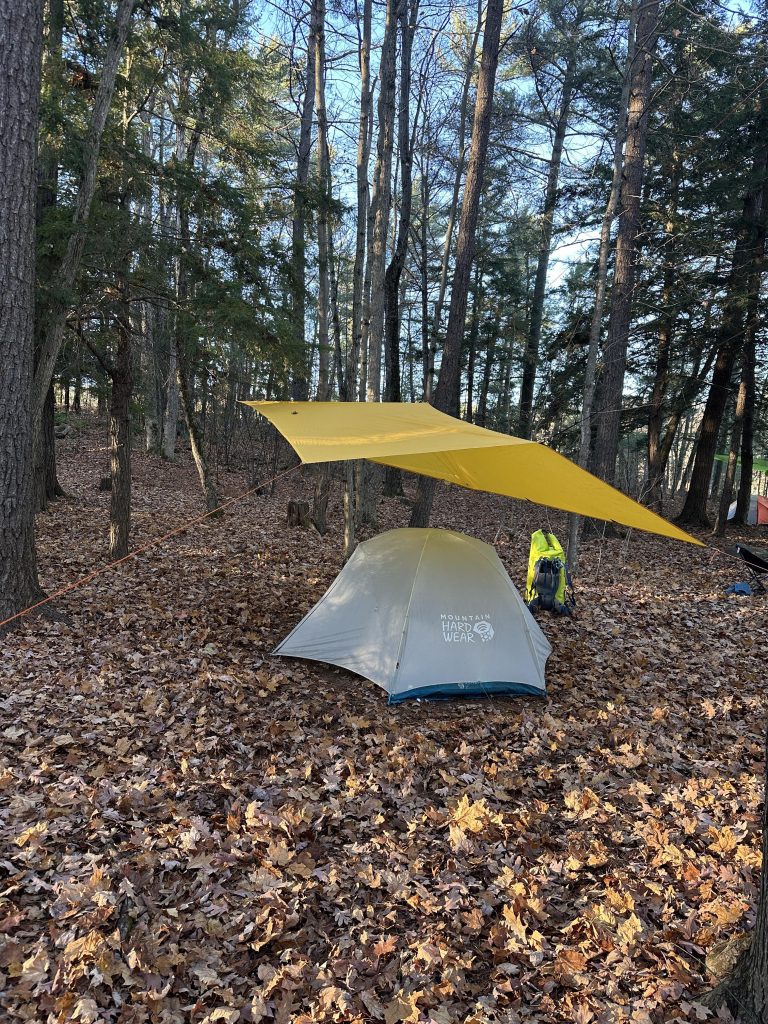
Are you planning your next camping trip and wondering if you really need a tarp under your tent? You might think it’s just an extra piece of gear, but using a tarp can make a big difference in how comfortable and protected your tent feels.
Imagine waking up to a dry, cozy shelter instead of dealing with damp floors or unexpected tears. You’ll discover why a tarp might be the simple trick that saves your camping experience—and how to choose the right one for your needs.
Keep reading to find out if a tarp is truly worth it for your next adventure.

Credit: www.reddit.com
Purpose Of A Tent Tarp
A tent tarp is a simple cover you place under your tent. It helps protect your tent floor from damage. A tarp can also improve your camping comfort in many ways.
Using a tarp is a smart choice for campers who want to keep their gear safe and dry. It adds an extra layer between the ground and your tent.
Protection From Moisture
A tarp stops moisture from the ground from reaching your tent floor. Wet ground can make your tent damp and uncomfortable. The tarp acts as a shield against water.
This layer keeps the bottom of your tent dry. It helps prevent leaks and keeps your sleeping area cozy and dry.
Extra Layer For Insulation
The tarp adds a small layer of insulation between you and the cold ground. This can help keep your tent warmer at night. It reduces heat loss through the tent floor.
Even a thin tarp can make a noticeable difference in cold weather. It helps keep your sleeping bag warmer and your rest better.
Shield Against Abrasion
The ground can have sharp rocks, sticks, or rough surfaces. These can wear down your tent floor over time. A tarp protects your tent from these rough surfaces.
This extra shield helps prevent holes and tears. It extends the life of your tent by keeping the floor safe from damage.
Types Of Tarps To Use
Choosing the right tarp for under your tent is important. It keeps your tent dry and protected. Different tarps offer different benefits.
Here are some types of tarps you can consider using under your tent. Each type has unique features and advantages.
Polyethylene Tarps
Polyethylene tarps are waterproof and lightweight. They are popular for camping due to their durability.
- Affordable and widely available
- Resistant to water and UV rays
- Easy to clean and maintain
Silicone-coated Tarps
Silicone-coated tarps are known for their strength and flexibility. They provide excellent protection against harsh weather.
Canvas Tarps
Canvas tarps are heavier but offer great breathability. They are perfect for areas where moisture control is crucial.
| Feature | Benefit |
| Breathable | Prevents condensation |
| Durable | Withstands rough use |
| Eco-friendly | Made from natural fibers |
When To Use A Tarp Under Your Tent
Using a tarp under your tent can protect it and improve your camping experience. It adds an extra layer between the ground and your tent floor.
Not every camping trip needs a tarp. Knowing when to use one helps you stay dry and safe.
Rough Or Rocky Terrain
Placing a tarp under your tent on rough or rocky ground protects the tent floor from tears. It also adds some cushioning to make sleeping more comfortable.
- Prevents damage from sharp rocks and sticks
- Reduces wear and tear on tent material
- Helps keep the tent floor cleaner
Wet Or Damp Ground
A tarp creates a barrier against moisture when the ground is wet or damp. This keeps the bottom of your tent dry and prevents water from seeping inside.
| Benefit | Why It Matters |
| Waterproof Layer | Keeps tent floor dry and comfortable |
| Reduces Mold Risk | Prevents dampness that causes mold and mildew |
| Protects Gear | Stops water from damaging your belongings inside the tent |
Extended Camping Trips
For longer trips, a tarp helps maintain your tent’s condition. It reduces dirt and damage from repeated use.
Consider these points for longer camping trips:
- Easier tent cleaning
- Prolongs tent floor life
- Improves comfort over many nights

Credit: www.reddit.com
How To Properly Place A Tarp
Using a tarp under your tent helps protect it from moisture and damage. It also adds an extra layer of insulation from the ground.
To get the most out of your tarp, you must place it correctly. This guide explains how to size, position, and secure your tarp.
Sizing The Tarp Correctly
Pick a tarp that is slightly smaller than your tent’s footprint. A too-large tarp can collect water and cause dampness under the tent.
- Measure the base of your tent from edge to edge.
- Choose a tarp that is about 6 to 12 inches smaller in both length and width.
- Ensure the tarp covers the tent floor but does not extend beyond the edges.
Avoiding Water Pooling
Water pooling on the tarp can cause leaks and damage. You need to set the tarp so water drains away.
| Tip | Description |
|---|---|
| Keep tarp flat | Spread the tarp smoothly without wrinkles or folds. |
| Use ground slope | Position tarp to let water flow downhill, away from tent. |
| Elevate edges | Lift tarp edges slightly to avoid water collecting in the middle. |
Securing The Tarp
Fix the tarp in place to stop it from moving in wind or rain. Use stakes or weights at the corners and sides.
- Place tent stakes through tarp grommets or corners.
- Add rocks or heavy objects if you lack stakes.
- Check that tarp stays tight but not stretched too hard.
- Adjust as needed after rain or wind.
Potential Risks Without A Tarp
Using a tarp under your tent is an important step for camping. Without it, your tent can face several problems. These issues affect comfort and the tent’s condition.
This section explains risks you face if you skip using a tarp under your tent.
Tent Floor Damage
The tent floor touches the ground directly without a tarp. Rocks, sticks, and rough soil can cause tears and holes. This damage lets dirt and bugs inside.
Tarp acts as a shield, protecting the tent floor from sharp objects and rough surfaces.
Increased Moisture Inside Tent
Without a tarp, moisture from the ground can seep through the tent floor. This makes the inside damp and uncomfortable. Wet floors can cause cold and mold growth.
- Damp ground transfers water to the tent floor
- Condensation increases when the tent floor is wet
- Wet floors make sleeping bags and gear damp
Reduced Tent Lifespan
Skipping the tarp causes faster wear and tear on your tent. Constant contact with rough and wet ground weakens the fabric. This leads to costly repairs or needing a new tent sooner.
Using a tarp helps keep your tent strong and lasts many camping trips.
Alternatives To Using A Tarp
Many campers wonder if they need a tarp under their tent. A tarp can protect your tent floor from damage and moisture. But some alternatives work well without using a tarp.
These options can keep your tent clean and dry while camping. Let’s explore some common alternatives to using a tarp under your tent.
Built-in Tent Footprints
Some tents come with built-in footprints. These are extra layers of fabric sewn to the tent floor. They add protection without needing a separate tarp.
Built-in footprints help keep moisture out and protect the tent floor from sharp rocks and dirt. This makes setup faster and easier.
Ground Sheets
Ground sheets are separate pieces of waterproof fabric placed under your tent. They provide a barrier between the ground and your tent floor.
Ground sheets come in different sizes and materials. They are lighter than tarps and designed to fit your tent’s footprint closely.
- Protect tent floor from moisture
- Prevent wear and tear
- Easy to carry and clean
Natural Ground Cover
You can use natural ground cover as an eco-friendly option. Leaves, pine needles, or dry grass create a soft layer under your tent.
This natural cover cushions the tent floor and helps reduce moisture from the ground. Always use dry materials to avoid mold or dampness inside the tent.
- Use dry leaves or pine needles
- Clear sharp sticks or rocks
- Respect nature and leave no trace
Maintenance And Care For Tarps
Using a tarp under your tent helps protect the tent floor from damage. To keep your tarp in good shape, regular care is important. Proper maintenance extends the tarp’s life and keeps it working well.
Cleaning, storing, and fixing your tarp are key tasks. These simple steps help you avoid tears and dirt buildup. Well-cared tarps make camping easier and more comfortable.
Cleaning Tips
Clean your tarp after every trip to remove dirt and grime. Use mild soap and water for washing. Avoid harsh chemicals that can damage the material.
Rinse the tarp well and hang it to dry completely. Do not fold or store a wet tarp to stop mold and mildew growth.
- Use a soft brush or sponge for cleaning
- Wash with gentle soap and warm water
- Rinse thoroughly to remove all soap
- Dry fully before storing
Proper Storage
Store your tarp in a cool, dry place away from direct sunlight. Sunlight can weaken the fabric over time. Keep it away from sharp objects that might cause tears.
Fold the tarp loosely to avoid creases. Use a storage bag or container to keep dust and bugs out. Proper storage helps the tarp last longer and stay ready for use.
- Choose a dry storage location
- Avoid long exposure to sunlight
- Keep away from sharp or rough surfaces
- Store loosely folded or rolled
Repairing Tears
Small tears can be fixed quickly to prevent bigger damage. Use tarp repair tape or patches designed for outdoor use. Clean the area around the tear before repair.
Press the patch firmly on the tear and let it dry. Check your tarp regularly for new holes or weak spots. Early repairs keep your tarp strong and useful.
- Clean the damaged area well
- Use repair tape or patches made for tarps
- Apply the patch firmly and smooth out air bubbles
- Allow the repair to dry completely before use

Credit: www.reddit.com
Frequently Asked Questions
Do I Really Need A Tarp Under My Tent?
Using a tarp under your tent protects the floor from damage and moisture. It extends your tent’s lifespan by preventing wear and tears. A tarp also adds an extra waterproof layer, keeping you dry during rain. It’s a simple, effective way to enhance camping comfort.
What Type Of Tarp Is Best For Tents?
Choose a lightweight, durable, and waterproof tarp made from materials like polyethylene or ripstop nylon. It should be slightly smaller than your tent footprint to avoid water pooling. This ensures proper water drainage and protects your tent floor without excess material.
Can A Tarp Improve Tent Insulation?
Yes, a tarp can add insulation by creating an extra barrier against cold ground. It helps retain heat inside your tent, making it warmer in chilly conditions. This simple addition enhances comfort during colder camping trips without extra gear.
How Do I Properly Place A Tarp Under My Tent?
Lay the tarp flat on the ground, slightly smaller than your tent’s base. Position the tent directly on top, ensuring edges don’t extend beyond the tarp. This prevents water from collecting under your tent and protects the floor effectively.
Conclusion
Using a tarp under your tent adds extra protection and comfort. It stops water from seeping into your tent floor. It also helps keep the bottom clean and free from sharp objects. A tarp can extend your tent’s life by preventing wear and tear.
It does not cost much but can save you trouble later. Think about where you will camp and the weather. A tarp is a simple step to make your camping better. It’s worth carrying one along on every trip.