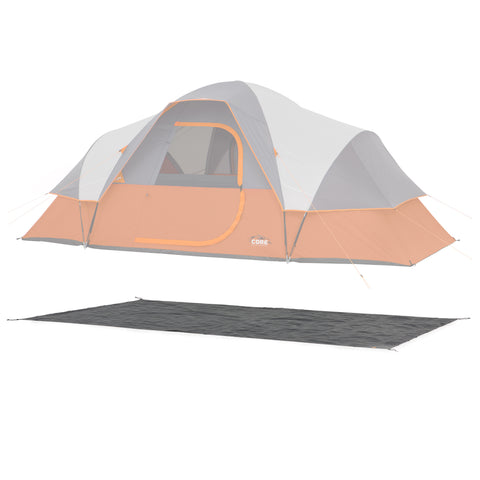
Are you planning your next camping trip and wondering if you really need a tent footprint? You might think it’s just an extra piece of gear, but it could make a big difference in protecting your tent and making your outdoor experience more comfortable.
Imagine waking up to a dry, clean tent floor, free from tears and dirt. Sounds good, right? Keep reading to discover why a tent footprint might be the simple game-changer your camping setup needs.
Purpose Of A Tent Footprint
A tent footprint is a groundsheet placed under your tent. It serves as a protective layer between the tent floor and the ground. Many campers wonder if using a footprint is necessary.
This guide explains the main reasons to use a tent footprint. It helps you understand how it protects your tent and improves your camping experience.
Protecting Tent Floor
A tent footprint shields the tent floor from sharp rocks, sticks, and rough surfaces. It stops tears and holes that can happen while setting up or walking inside.
The footprint keeps dirt and moisture away from the tent bottom. This helps prevent wear and keeps the tent cleaner after camping.
Extending Tent Life
Using a footprint reduces damage to the tent floor. Less damage means your tent lasts longer and stays strong for many trips.
The footprint takes most of the ground pressure and friction. This lowers the risk of leaks and fabric wear in the tent floor.
Improving Comfort
A tent footprint adds an extra layer of cushioning between you and the ground. It can make sleeping more comfortable on hard or rocky surfaces.
The footprint also helps keep the tent floor dry. This keeps your sleeping area warm and cozy during your trip.
Types Of Tent Footprints
Tent footprints protect your tent’s floor from dirt and damage. They also keep moisture from seeping in. Choosing the right footprint helps your tent last longer.
There are different types of tent footprints. They vary by fit, material, and weight. Knowing these types helps you pick the best one for your needs.
Custom Vs Universal
Custom footprints are made to fit a specific tent model. They match the shape and size exactly. This means better protection and less extra material.
Universal footprints work with many tents. They are usually rectangular or square. They are less expensive but may not fit perfectly.
- Custom footprints fit one tent model only
- Universal footprints fit many tents but less exact
- Custom ones offer better protection for the tent floor
- Universal footprints are often cheaper and more versatile
Materials Used
Tent footprints use different materials for strength and weather resistance. Common materials include polyester, nylon, and polyethylene.
Polyester and nylon are lightweight and dry quickly. Polyethylene is heavier but very durable and waterproof. The right material depends on your camping style.
- Polyester: lightweight, dries fast, good for backpacking
- Nylon: strong, lightweight, resists tearing
- Polyethylene: heavy, very waterproof, good for rough ground
Weight Considerations
Weight matters if you carry your gear far. Lightweight footprints are easier to pack and carry. Heavier ones add more protection but bulk up your load.
Backpackers usually pick lightweight footprints. Car campers can use heavier materials for extra durability. Think about how much weight you can carry comfortably.
- Lightweight footprints are easy to carry
- Heavier footprints offer better protection on rough ground
- Choose weight based on your travel and camping needs
When To Use A Tent Footprint
A tent footprint is a protective layer under your tent. It helps keep your tent clean and dry. It’s not always needed, but in some situations, it’s very useful.
Knowing when to use a tent footprint can make your camping trip better. Below are some conditions when using a tent footprint is wise.
Rough Terrain
Camping on rough terrain can harm your tent floor. Rocks and sharp objects can tear the fabric. A tent footprint adds an extra layer of protection. It acts as a barrier between the ground and your tent.
- Protects against rocks and sticks
- Prevents wear and tear on tent floor
- Extends the life of your tent
Wet Conditions
Wet conditions can make camping uncomfortable. A tent footprint helps in keeping the tent base dry. It prevents water from seeping through the tent floor.
Long Trips
On long trips, your tent will face more wear and tear. A footprint can reduce damage over time. It helps in maintaining your tent’s quality throughout the trip.
| Trip Length | Footprint Needed? |
| 1-2 days | Optional |
| 3-5 days | Recommended |
| 6+ days | Highly Recommended |

Credit: www.reddit.com
Benefits Beyond Protection
A tent footprint is more than just a protective layer. It gives campers many useful benefits. These extras can make camping easier and more comfortable.
Using a footprint can improve insulation, help with cleaning, and speed up setup. These benefits add value beyond just keeping your tent floor safe.
Enhanced Insulation
A footprint adds an extra layer between you and the ground. This layer helps keep cold and moisture away. It can make your tent warmer during chilly nights.
It also reduces heat loss by blocking cold air from underneath. This simple addition helps you sleep better and stay cozy.
Easier Cleaning
A footprint catches dirt, mud, and debris before they reach your tent floor. This means less cleaning inside your tent after camping.
It is easier to clean or shake off a footprint than to wash your tent floor. This keeps your tent cleaner and extends its life.
Setup Convenience
Using a footprint makes tent setup faster. It creates a smooth, flat surface for your tent to rest on. This helps avoid wrinkles and damage.
You can also use the footprint as a guide for where to place your tent. This saves time and effort during setup.
Choosing The Right Footprint
A tent footprint protects the bottom of your tent from rough ground. It also helps keep moisture out. Picking the right footprint is important for a good camping experience.
This guide covers how to choose a footprint based on size, durability, and budget.
Matching Tent Size
The footprint should fit the exact size of your tent floor. A footprint too small leaves parts of the tent floor exposed. A footprint too big can collect water under the tent.
- Check your tent’s floor dimensions before buying.
- Some footprints match specific tent models.
- Custom-cut footprints work for irregular tent shapes.
- A footprint that matches well helps protect against wear.
Durability Factors
Choose a footprint made from strong materials. Durable footprints resist tears and abrasions from rocks and sticks.
| Material | Durability | Weight |
| Polyethylene | Good | Heavy |
| Silicone-coated nylon | Very good | Light |
| Polyester | Fair | Medium |
| Tyvek | Good | Light |
Budget Options
You can find footprints in many price ranges. Budget options may use less durable materials but still offer good protection.
- Look for used or discounted footprints online.
- Consider making your own from heavy-duty tarps.
- Check if the footprint covers key wear areas only.
- Balance cost with how often you camp.
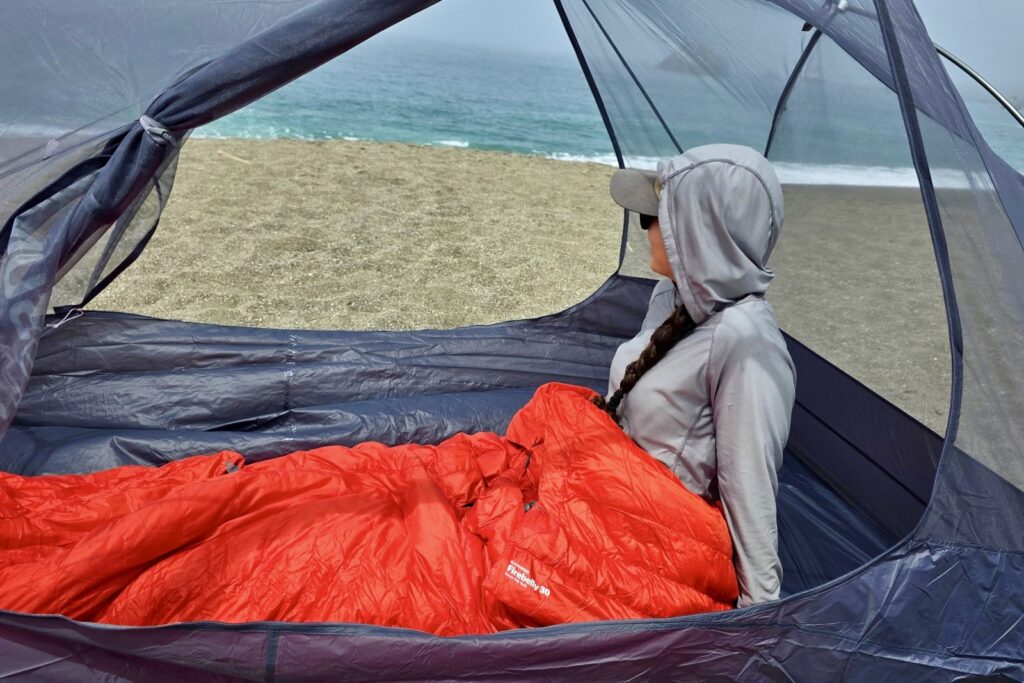
Credit: www.cleverhiker.com
Alternatives To Tent Footprints
Tent footprints protect your tent floor from damage and wear. You can use other options to keep your tent safe.
These alternatives help with moisture control and add an extra layer between your tent and the ground.
Diy Solutions
You can make your own tent footprint using materials you already have. Old tarps or plastic sheets work well. Cut the material to match your tent size. This saves money and lets you customize the fit.
- Use a plastic drop cloth for waterproofing
- Cut an old tarp to size
- Try heavy-duty garbage bags in a pinch
- Sew together multiple pieces for larger tents
Ground Tarps
Ground tarps are a popular alternative to footprints. They protect your tent floor from sharp rocks and dirt. Tarps are cheaper and widely available.
| Material | Durability | Water Resistance |
| Polyethylene | Medium | High |
| Nylon | High | Medium |
| Canvas | High | Low |
Natural Ground Cover
Using natural ground cover protects your tent and the environment. Look for soft grass or pine needles to place under your tent. Avoid sharp rocks and sticks.
- Clear debris from the tent area
- Choose flat ground with soft soil
- Use leaves or pine needles as padding
- Avoid areas with standing water
Maintenance Tips For Footprints
A tent footprint helps protect your tent floor from rough ground. Keeping the footprint in good shape extends its life. Proper care is important after each camping trip.
Simple maintenance steps keep your footprint clean and ready. Follow these tips to avoid damage and improve performance.
Cleaning Methods
Clean your footprint after every use to remove dirt and debris. Use gentle cleaning to avoid damage to the material.
- Shake off loose dirt before washing.
- Use a soft brush or sponge with mild soap and water.
- Rinse thoroughly with clean water.
- Avoid harsh chemicals and bleach.
- Let the footprint air dry completely before storing.
Storage Advice
Store your footprint in a dry, cool place away from direct sunlight. Proper storage prevents mold and material breakdown.
| Storage Tip | Reason |
| Fold loosely or roll | Prevents creases and damage to fabric |
| Keep away from sharp objects | Avoid tears and punctures |
| Store in a breathable bag | Allows moisture to escape |
| Check for moisture before storing | Stops mold and mildew growth |
Repairing Damage
Fix small tears or holes as soon as you notice them. This keeps your footprint strong and waterproof.
Use a patch kit made for tent fabrics. Clean the damaged area, apply glue, and press the patch firmly. Let it dry fully before use.

Credit: www.reddit.com
Common Mistakes To Avoid
Using a tent footprint can protect your tent and improve your camping experience. Many campers make mistakes that reduce the benefits of footprints. Avoid these common errors to keep your tent safe and dry.
Understanding the right way to use a footprint helps you camp better. Learn what to avoid to get the best use from your tent footprint.
Improper Sizing
Choosing the wrong size footprint can cause problems. A footprint that is too small leaves parts of your tent floor exposed. This can lead to damage from rocks and dirt.
A footprint that is too large may collect water under your tent. This can cause moisture to seep inside and make your camping gear wet.
- Measure your tent floor before buying a footprint
- Pick a footprint that matches your tent size
- Avoid footprints that extend beyond the tent floor
Ignoring Terrain
Not paying attention to the ground can harm your tent. Sharp rocks, sticks, and uneven surfaces can damage the tent floor. A footprint helps protect the floor, but only if you set it on the right ground.
Clear the area before setting your footprint. Remove sharp objects and choose flat ground to keep your tent safe and comfortable.
- Check the ground for rocks and sticks
- Pick a flat spot for your tent and footprint
- Use the footprint to protect the tent floor from rough ground
Skipping Footprint Use
Some campers skip using a footprint to save time. This often leads to damage to the tent floor. The tent floor is expensive to repair or replace.
Using a footprint adds a layer of protection. It also helps keep your tent clean and dry by preventing direct contact with wet or dirty ground.
- Use a footprint every time you camp
- Protect your tent floor from moisture and dirt
- Save money by avoiding floor repairs
Frequently Asked Questions
What Is A Tent Footprint And Why Use It?
A tent footprint is a groundsheet that fits under your tent. It protects the tent floor from abrasion, moisture, and dirt. Using a footprint extends your tent’s life and keeps the interior cleaner and drier during camping trips.
Does Every Tent Need A Footprint?
Not every tent requires a footprint, but it’s highly recommended. Footprints provide extra protection on rough or wet terrain. Some tents come with built-in floors, but a footprint adds durability and prevents damage, especially in harsh outdoor conditions.
How Does A Footprint Improve Tent Durability?
A footprint acts as a barrier between the tent floor and the ground. It prevents tears, punctures, and wear caused by rocks, sticks, and moisture. This protective layer prolongs your tent’s lifespan and maintains its waterproof integrity.
Can A Footprint Prevent Moisture Inside The Tent?
Yes, a footprint helps prevent moisture from seeping through the tent floor. It provides an extra waterproof layer, reducing condensation and ground dampness inside the tent. This keeps your sleeping area dry and comfortable.
Conclusion
A tent footprint protects your tent floor from damage and wear. It keeps moisture and dirt away, making camping more comfortable. Using a footprint also helps your tent last longer. It is light and easy to carry. Choosing to use one can save time and effort when setting up camp.
Think of it as extra care for your gear. It’s a small item that makes a big difference. Safe, dry, and strong—your tent will thank you.