
Have you ever wondered if induction cooktops actually get hot? As you stand in your kitchen, contemplating this modern appliance, you might find yourself curious about its workings.
You might ask, “Is it safe to touch while cooking? ” Or “How does it compare to my traditional stove? ” Understanding these aspects can make a world of difference in your cooking experience. Imagine cooking faster, safer, and more efficiently, all while keeping your kitchen cool.
Dive into the world of induction cooktops, and discover how they can transform your culinary adventures. You’ll be surprised by how much there is to learn!

Credit: www.familyhandyman.com
How Induction Cooktops Work
Induction cooktops use a unique technology that heats pots and pans directly. Unlike traditional stoves, they do not heat the cooktop surface first. This makes cooking faster and safer. Understanding how they work helps answer if induction cooktops get hot.
Magnetic Heating Process
Induction cooktops create heat using magnetic fields. A coil of copper wire lies beneath the glass surface. When you turn on the cooktop, electricity flows through the coil. This creates an oscillating magnetic field.
The magnetic field passes through the glass and reaches the metal cookware. It causes electric currents inside the cookware. These currents produce heat directly in the pot or pan. The cooktop surface stays cool since it is not the heat source.
Cookware Compatibility
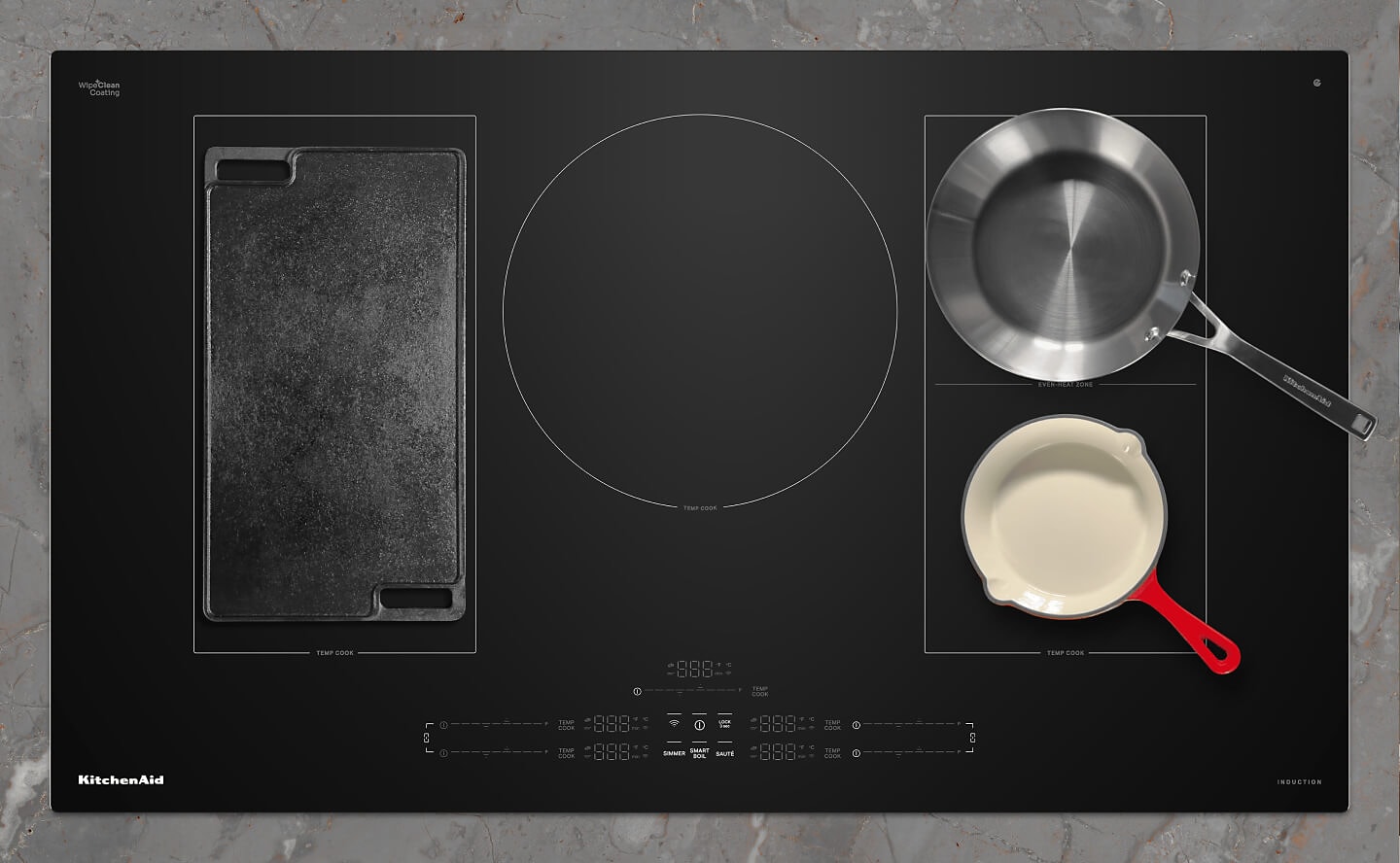
Not all pots and pans work with induction cooktops. Cookware must be magnetic to create the electric currents. Common compatible materials include:
- Cast iron
- Stainless steel (magnetic grade)
- Enamel-coated iron
Aluminum, copper, and glass do not work unless they have a magnetic layer. To test, place a magnet on the bottom of your cookware. If it sticks well, the cookware is induction-ready.
Credit: www.kitchenaid.com
Heat Generation On Induction Surfaces
Induction cooktops use a unique process to create heat directly in the cookware. This method is different from traditional stoves that heat the surface first. Understanding how heat forms on induction surfaces helps explain why the cooktop feels cooler to touch.
Direct Cookware Heating
Induction cooktops generate heat through magnetic fields. These fields produce electric currents inside the metal of the cookware. The cookware itself becomes the heat source. This means heat does not come from the cooktop surface.
The metal pot or pan heats up quickly and evenly. The cooktop stays mostly cool because it does not produce heat on its own. This method saves energy and prevents burns from hot surfaces.
Cooktop Surface Temperature
The surface of an induction cooktop gets warm, but only slightly. Heat transfers from the hot cookware to the glass surface. The temperature stays much lower than traditional electric or gas stoves.
This cool surface reduces the risk of accidents and makes cleaning easier. You can touch the cooktop safely soon after cooking. The low surface heat also means less wasted energy and faster cooking times.
Safety Features Of Induction Cooktops
Induction cooktops offer several safety features that protect users from burns and accidents. These features make cooking safer, especially in busy kitchens or homes with children. The technology behind induction heating ensures the cooktop surface stays cooler than traditional stoves. Safety mechanisms add extra layers of protection.
Automatic Shut-off
Induction cooktops turn off automatically after a set time without cookware. This prevents overheating or fire hazards. If a pot boils dry or no pan is detected, the cooktop stops heating. This feature helps avoid accidents caused by unattended cooking. It also saves energy by stopping heat when not needed.
Child Lock Functions
Child lock functions stop children from turning on the cooktop accidentally. This lock disables the controls, preventing changes during cooking. Parents can keep the kitchen safe from burns and spills caused by curious kids. Activating the lock is simple and quick on most models. It gives peace of mind in homes with young children.
Common Myths About Induction Heat
Many people have wrong ideas about how induction cooktops heat up. These myths cause confusion and fear. Understanding the truth can help you use induction cooktops safely and effectively.
Cooktop Burns
Some think induction cooktops get hot like regular stoves. Actually, the cooktop itself stays mostly cool. The heat forms only under the pan. Without a pan, the surface stays safe to touch. Burns happen mostly if you touch a hot pan, not the cooktop.
Residual Heat Risks
People worry about heat left on the cooktop after cooking. The cooktop may feel warm, but this comes from the hot pan, not the cooktop. Most models have lights showing when the surface is still hot. This helps avoid accidents. Always wait for the indicator to turn off before cleaning or touching the surface.
Tips To Stay Safe While Using Induction Cooktops
Using induction cooktops offers a sleek and efficient cooking experience, but safety should always be your top priority. Understanding how to handle your cooktop correctly can prevent accidents and extend its lifespan. Let’s dive into some practical tips that help you stay safe while enjoying the benefits of induction cooking.
Proper Cookware Selection
Choosing the right cookware is crucial for both safety and performance. Induction cooktops work by creating a magnetic field that heats only the pan, not the cooktop surface itself.
Use pots and pans made of magnetic materials like cast iron or stainless steel with a flat bottom. If your cookware isn’t compatible, the cooktop won’t heat properly, and you might end up with uneven cooking or even damage.
Have you ever noticed your pan sliding around while cooking? Using cookware with a flat, sturdy base keeps it stable and reduces the risk of spills or burns.
Cleaning And Maintenance
Keeping your induction cooktop clean is more than about looks—it’s about safety. Food spills can cause the cooktop to malfunction or create hotspots that might burn you.
After each use, wipe the surface with a soft, damp cloth and mild detergent. Avoid abrasive cleaners or steel wool, which can scratch the glass surface and make it more prone to cracks.
Regularly check the cooktop for any cracks or damage. If you spot any, stop using it immediately and contact a professional. A damaged surface can be hazardous and affect the cooktop’s performance.

Credit: www.artisanwestappliance.com
Comparing Induction To Other Cooktops
Comparing induction cooktops with other types helps understand their heat behavior. Each cooktop style has unique heat levels and safety features. Induction cooktops use magnetic energy to heat pots directly.
Other cooktops heat the surface first, then transfer heat to the pot. This difference affects how hot the cooktop surface gets and how safe it feels to use. Let’s explore these differences in detail.
Gas Vs Induction Heat Levels
Gas cooktops produce an open flame that heats pots and the air around them. The flame can be very hot and cause the cooktop surface to get hot too. Induction cooktops heat only the pot, not the cooktop surface itself.
Heat levels on induction cooktops adjust quickly and precisely. Gas heat changes slower and can be less even. Induction often reaches desired temperatures faster than gas. The cooktop surface stays cooler on induction after cooking.
Electric Coil Safety
Electric coil cooktops use metal coils that heat up to transfer heat to pots. The coils get very hot and stay hot for a while after cooking. This can cause burns if touched accidentally. Induction cooktops cool down quickly as they only heat the pot.
Electric coils can cause fires if something falls on a hot coil. Induction cooktops turn off automatically when no pot is detected. This feature adds extra safety for homes with kids or pets.
Frequently Asked Questions
Do Induction Cooktops Heat Up Like Traditional Stoves?
Induction cooktops heat differently by using magnetic fields. The cooktop surface stays cooler, while the cookware gets hot directly. This method is more energy-efficient and safer than traditional stoves.
Can Induction Cooktops Cause Burns From Heat?
The cooktop surface remains relatively cool, reducing burn risks. However, the cookware and residual heat can cause burns if touched immediately after cooking. Always use caution around hot pots.
How Quickly Do Induction Cooktops Get Hot?
Induction cooktops heat up very fast, often within seconds. The magnetic induction directly heats the cookware, allowing rapid temperature changes and faster cooking times than gas or electric stoves.
Does The Cooktop Itself Get Hot During Cooking?
The cooktop surface warms slightly due to heat transfer from cookware. However, it never reaches the high temperatures of the pot or pan, making it safer to touch during cooking.
Conclusion
Induction cooktops heat the pan, not the surface itself. This means the cooktop stays cooler than traditional stoves. Small heat remains around the pan area but cools quickly. They offer safer cooking with less burn risk. Cleaning is easier since spills don’t burn onto the surface.
Understanding how they work helps you use them safely. Induction cooktops provide efficient and quick heating for your kitchen. A smart choice for those who want fast and safe cooking.