Are you moving into a new rental and wondering if your landlord must provide a refrigerator? It’s a question that can save you from unexpected costs or help you know exactly what to expect.
Whether you’re signing a lease or already living in a rental, understanding your rights about appliances like refrigerators is key. Keep reading to discover what landlords are legally required to provide, and how this affects your comfort and budget. Don’t miss out on crucial details that could make your rental experience smoother and more affordable.
Credit: cookology.com
Landlord Appliance Responsibilities
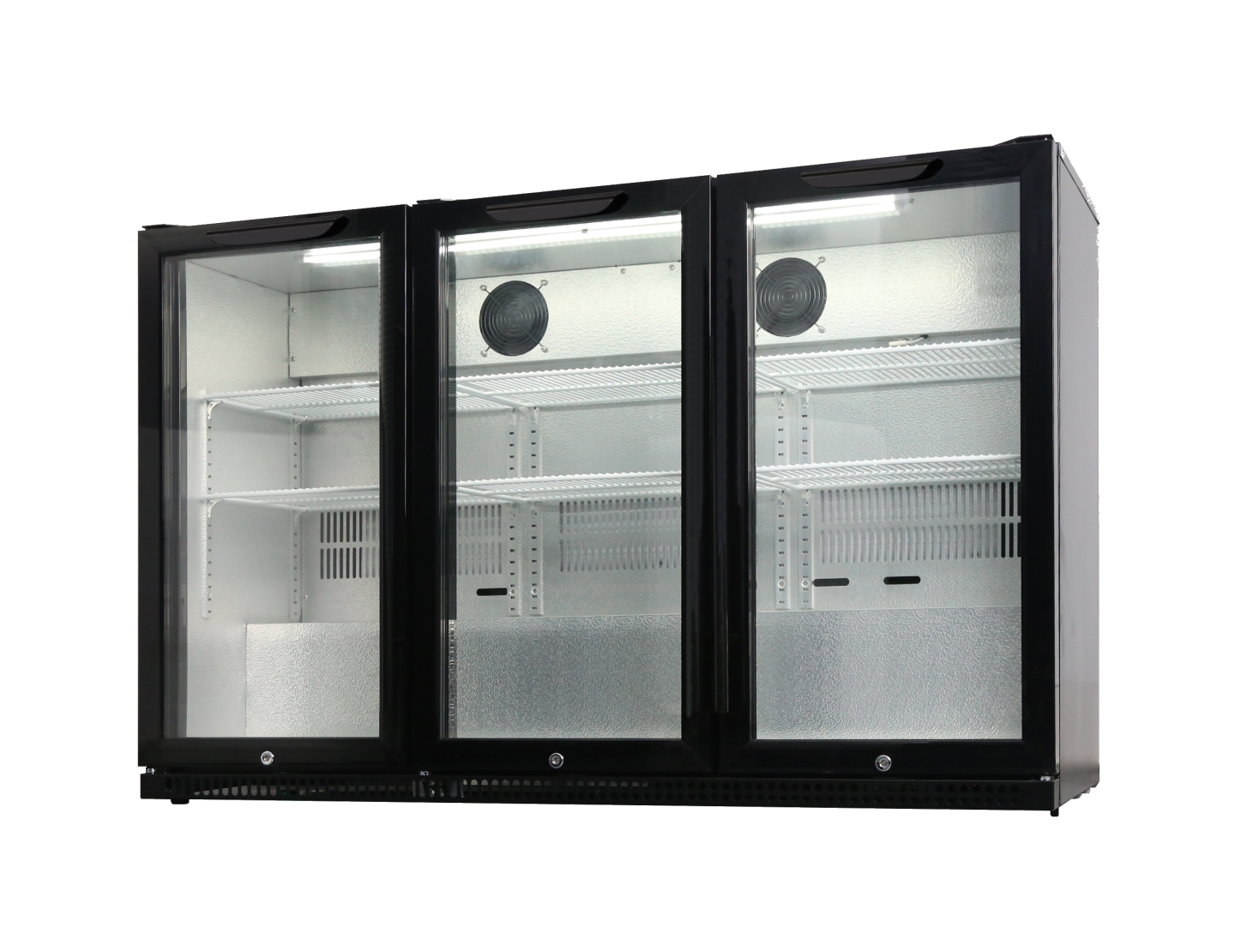
Landlord appliance responsibilities vary by location and lease terms. Many landlords provide basic appliances to make the rental livable. The specific appliances included often depend on property type and local laws. Understanding these responsibilities helps tenants know their rights and what to expect.
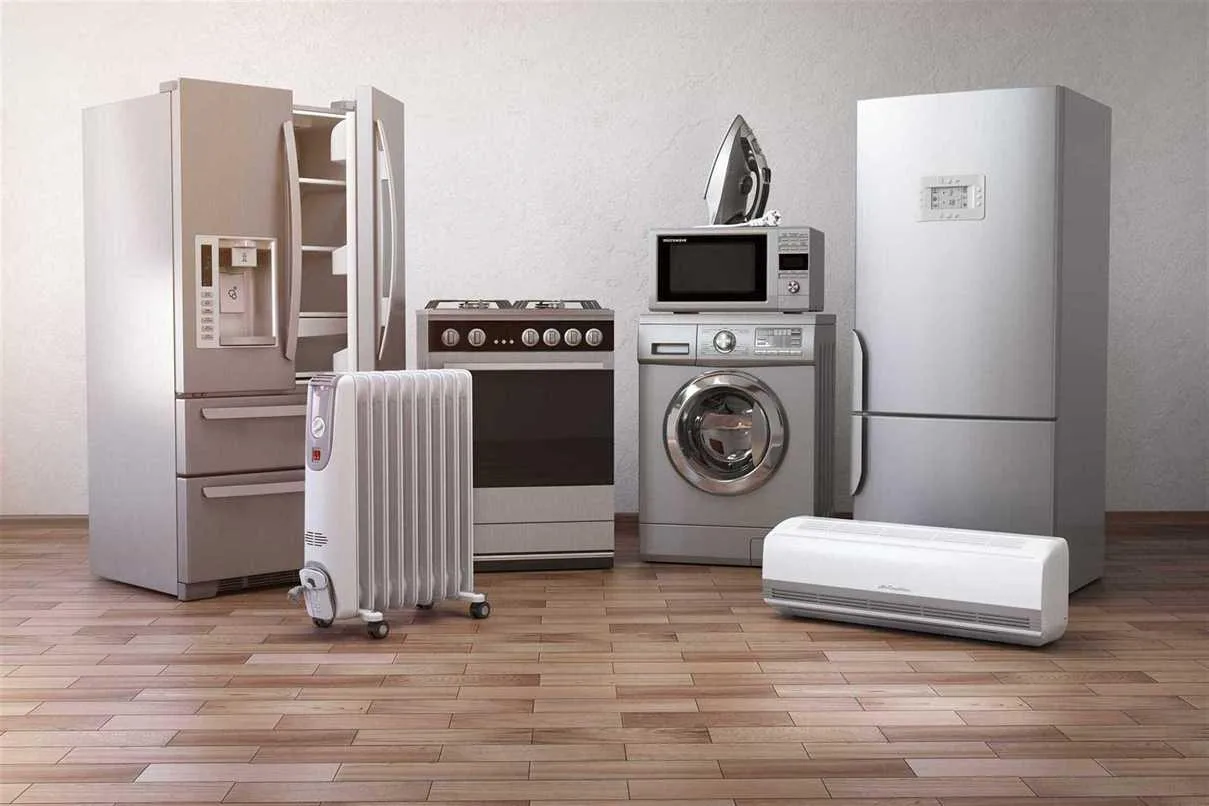
Common Appliances Included
Landlords usually provide essential appliances. These often include:
- Refrigerator
- Oven or stove
- Heating and cooling systems
- Dishwasher (in some cases)
Some properties may offer washer and dryer units. Providing these appliances can make a rental more attractive. However, not all landlords must supply every appliance.
Lease Agreement Clauses
Lease agreements clearly state which appliances the landlord must provide. Tenants should read these clauses carefully. The agreement may also explain maintenance duties. Sometimes, tenants must handle minor repairs. Other times, landlords must fix or replace appliances promptly.
Knowing what the lease says avoids confusion. It ensures both parties understand their appliance responsibilities.
Refrigerator Requirements By Law
Refrigerator requirements for landlords vary by law. Some places require landlords to provide a refrigerator. Others leave it up to the rental agreement. Knowing the legal rules helps tenants and landlords understand their rights and duties. This section explains the rules at different levels.
Federal And State Regulations
At the federal level, no law demands landlords provide a refrigerator. The U.S. Department of Housing and Urban Development (HUD) sets some housing standards, but refrigerators are not required.
State laws differ widely. Some states require landlords to supply major appliances like refrigerators. Others only require basic facilities such as plumbing and heating. Check your state’s landlord-tenant laws for specifics.
States often list essential items landlords must provide. Refrigerators may be included in these lists. If so, landlords must provide a working fridge at the start of tenancy.
Local Ordinances Impact
Local rules can add extra requirements. Cities or counties may require refrigerators in certain rental types, like subsidized housing.
Local ordinances sometimes set standards for appliance safety and maintenance. This can affect refrigerators landlords provide. Landlords must keep appliances safe and in good working order.
Tenants should review local housing codes. These codes clarify if a refrigerator is mandatory. They also explain maintenance responsibilities.
Tenant Rights Regarding Appliances
Understanding your rights as a tenant regarding appliances is essential, especially when it comes to items like refrigerators. These appliances can impact your daily life, and knowing what you can expect from your landlord helps avoid confusion. Your rental agreement and local laws play a big role in defining these rights.
Requesting Repairs Or Replacements
If your refrigerator stops working, you have the right to ask your landlord for a repair or replacement, provided the appliance was included with your rental. Check your lease to see if it mentions appliance maintenance. If it does, notify your landlord in writing about the problem and request a timely fix.
Keep a record of all communications. If the landlord delays or refuses to act, some local laws allow you to arrange repairs yourself and deduct the cost from your rent. Have you ever faced a broken fridge and wondered how to handle it without losing money?
Negotiating Appliance Provision
When moving in, it’s okay to ask your landlord if a refrigerator is included or if you need to provide your own. Some landlords might be open to adding appliances if you negotiate, especially for longer leases. You can propose sharing the cost or increasing rent slightly to get the appliance included.
Remember, landlords are not always required to provide appliances unless stated in the lease. Being clear upfront saves you from unexpected expenses later. How comfortable are you discussing these details before signing a lease?
Credit: mqapplianceservices.ca
Rent Adjustments And Appliance Use
Rent adjustments often tie closely to what appliances a landlord provides, especially refrigerators. If a landlord includes a refrigerator, it might influence the rent amount or how you manage your monthly budget. Understanding this connection helps you negotiate better and know what to expect in your lease agreement.
Impact Of Provided Appliances On Rent
A refrigerator provided by the landlord can sometimes justify a higher rent. Landlords may factor in the cost of appliance purchase, upkeep, and energy use when setting rent.
On the other hand, if you supply your own fridge, landlords might offer a slightly lower rent since they don’t bear those costs. Have you ever noticed rent differences based on included appliances in your rental search? This can affect your overall expenses more than you think.
Appliance Maintenance Responsibilities
Who pays for repairs or replacement depends on your lease and local laws. Usually, landlords handle major appliance maintenance if they provide the refrigerator.
However, tenants might need to take care of minor upkeep like cleaning or defrosting. If you bring your own appliance, you typically cover all maintenance and repairs. Knowing these responsibilities upfront saves you from surprise costs later.
Alternatives When No Refrigerator Is Provided
Not every rental comes with a refrigerator, which can be frustrating if you rely on one daily. However, you don’t have to let that hold you back. There are practical alternatives to ensure you keep your food fresh and your kitchen functional.
Bringing Your Own Appliance
If your landlord doesn’t provide a refrigerator, bringing your own can be a smart move. Compact or full-sized models are available, depending on your space and needs. Make sure to measure the kitchen area before buying so the appliance fits perfectly.
Consider energy-efficient models to save on electricity bills. Also, check with your landlord about where you can place it and if there are any restrictions. This way, you avoid surprises and keep a good relationship with your landlord.
Renting Or Buying Options
You might not want to buy a refrigerator outright, especially if you’re unsure how long you’ll stay. Renting a fridge can be a flexible and affordable alternative. Many appliance rental services offer delivery, installation, and maintenance, taking the hassle off your shoulders.
If you decide to buy, explore second-hand options. Thrift stores, online marketplaces, or local sales often have reliable refrigerators at lower prices. This approach saves money and can be ideal if you want a quality appliance without the brand-new cost.
Tips For Tenants Before Signing Lease
Before you sign a lease, it’s crucial to know exactly what appliances are included and what condition they’re in. This can save you from unexpected expenses and disputes later on. Taking a few minutes to clarify and document these details protects your rights and gives you peace of mind.
Clarifying Appliance Terms
Ask your landlord directly if a refrigerator is part of the rental. Sometimes, leases mention appliances in vague terms like “kitchen appliances included” without specifying which ones. Don’t assume the fridge is included—get it clearly stated in writing.
Also, find out who is responsible for repairs or replacements. Will the landlord cover maintenance, or is it on you? Knowing this upfront helps you budget properly and avoid surprises.
Documenting Appliance Conditions
Before moving in, inspect the refrigerator carefully. Look for signs of damage, unusual noises, or poor cooling. Take photos or videos to document its condition on the day you get the keys.
Share this documentation with your landlord and keep a copy for yourself. This proves the appliance’s state when you moved in and can protect you from being blamed for pre-existing issues later. Have you ever faced a dispute over appliance condition? Capturing evidence early can make a huge difference.

Credit: www.truedoorpm.com
Frequently Asked Questions
Do Landlords Need To Supply A Refrigerator?
Landlords are not universally required to provide refrigerators. It depends on local laws and the lease agreement. Some areas may mandate certain amenities, but it’s often negotiable. Tenants should confirm appliance availability before signing the lease. Always review the rental agreement for specific details about included appliances.
Is A Refrigerator A Required Appliance In Rentals?
A refrigerator is not always a required appliance in rentals. Requirements vary by location and lease terms. Some jurisdictions may require landlords to provide certain appliances. However, tenants should verify what appliances are included in their rental agreement. Always discuss this with the landlord beforehand to avoid misunderstandings.
Can Tenants Request A Refrigerator From Landlords?
Tenants can request a refrigerator, but landlords aren’t obligated to provide one. It’s important to discuss appliance needs before signing a lease. If a refrigerator is crucial, ensure it’s included in the rental agreement. Open communication with the landlord can help address any appliance-related concerns effectively.
What Appliances Must Landlords Provide By Law?
Appliance requirements for landlords vary by location. Generally, they must provide basic amenities for habitability, like heating. Appliances such as refrigerators aren’t always legally required. Tenants should check local laws and lease agreements. Understanding these requirements helps set realistic expectations about provided appliances in a rental property.
Conclusion
Landlords do not always have to provide a refrigerator. Rules depend on local laws and lease agreements. Tenants should read their lease carefully before renting. Sometimes, landlords include appliances, but not always. Knowing your rights helps avoid surprises later. Clear communication between landlords and tenants works best.
Both sides benefit from understanding what is expected. This keeps renting smooth and fair for everyone.