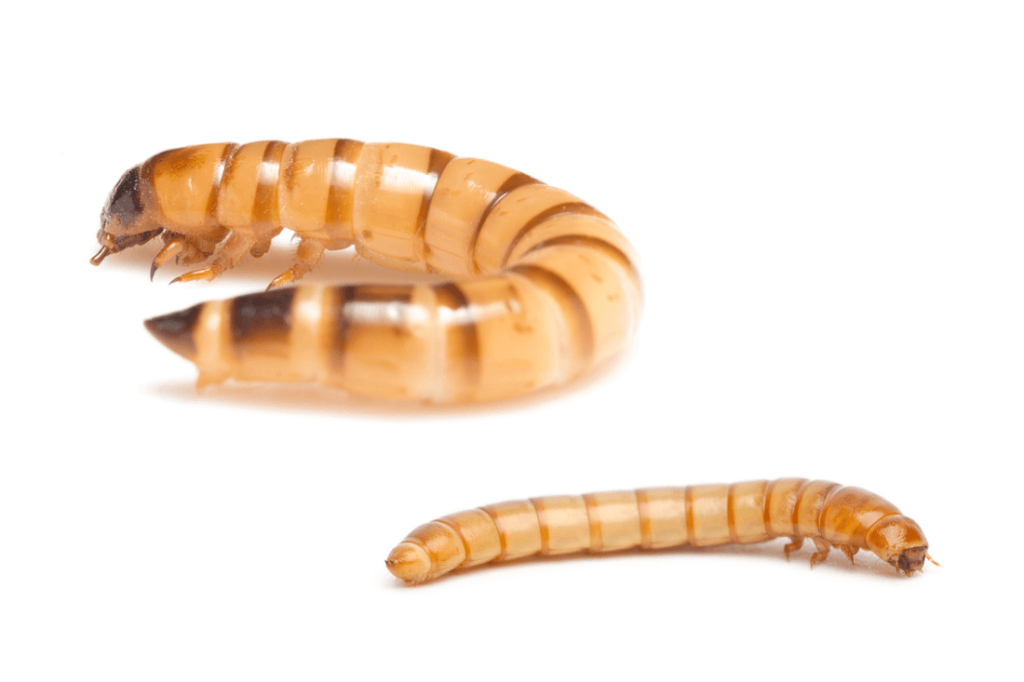
Are you wondering if mealworms need to be refrigerated to stay fresh and healthy? Whether you keep them as pets, use them for fishing bait, or feed them to your reptiles, knowing how to store mealworms properly is key.
You don’t want to waste your money or end up with spoiled mealworms that could harm your animals. You’ll discover the best ways to store mealworms, why temperature matters, and simple tips to keep them alive longer. Keep reading to learn exactly what you need to do!
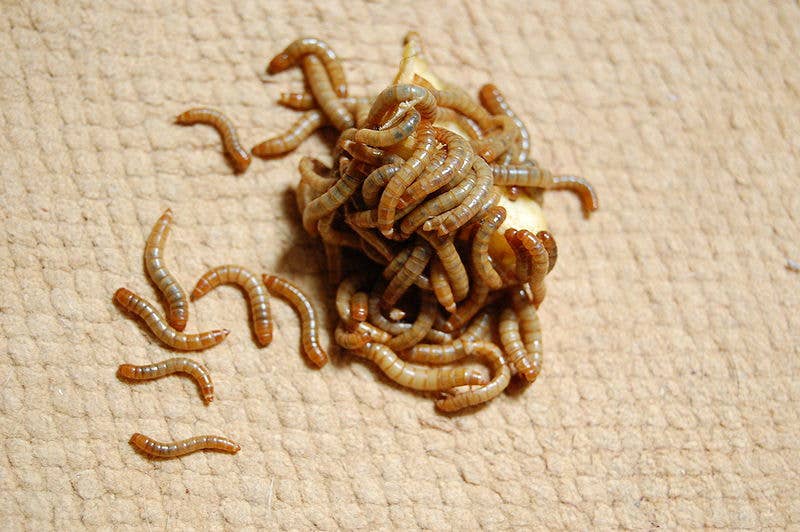
Credit: pethelpful.com
Mealworm Lifespan And Storage
Understanding how to store mealworms correctly can extend their lifespan. Proper storage keeps them healthy and active for feeding pets or other uses. Mealworms need specific conditions to thrive and avoid spoilage. Temperature plays a key role in their longevity. Recognizing signs of spoiled mealworms helps prevent health risks.
How Temperature Affects Longevity
Mealworms live longer in cooler temperatures. Ideal storage is between 40°F and 50°F (4°C to 10°C). Refrigeration slows their metabolism and growth. At room temperature, mealworms grow faster but live shorter. Freezing mealworms will kill them instantly. Avoid storing mealworms above 75°F (24°C). High heat causes stress and early death.
Signs Of Spoiled Mealworms
- Dark or blackened bodies, not their usual tan color
- Unpleasant, sour, or rotten smell
- Soft or mushy texture instead of firm
- Visible mold on the mealworms or substrate
- Mealworms staying inactive for a long time
Spotting these signs means it is time to discard the mealworms. Using spoiled mealworms can harm pets or other animals. Always keep the storage area clean and dry.
Credit: flukerfarms.com
Refrigeration Benefits
Refrigerating mealworms offers several advantages that help maintain their health and quality. Proper cooling can extend their lifespan and keep them safe for feeding or other uses. Understanding these benefits helps in deciding the best way to store mealworms.
Slowing Down Metabolism
Lower temperatures slow mealworms’ metabolism. This means they eat less and move slower. Their growth rate decreases, which helps keep them alive longer. Slower metabolism reduces their need for food and moisture. It also prevents rapid waste buildup in their container.
Reducing Mold And Bacteria Growth
Cool environments limit mold and bacteria growth. Warm, moist places promote harmful microorganisms that can kill mealworms. Refrigeration keeps the habitat dry and clean. It reduces risks of diseases and contamination. This creates a safer environment for mealworms to live in.
When To Refrigerate Mealworms
Mealworms stay fresh longer when refrigerated at around 40°F (4°C). Keep them cool to slow their growth and prevent spoilage. Avoid freezing, as it can harm their quality and nutritional value.
When storing mealworms, the decision to refrigerate them can significantly impact their longevity and quality. Understanding when and how to refrigerate mealworms can make a difference in their usability, whether you’re using them as pet food, for fishing bait, or even for culinary purposes. Let’s dive into the specifics of short-term versus long-term storage and the ideal temperature settings for keeping your mealworms fresh and lively.Short-term Vs Long-term Storage
For short-term storage, keeping mealworms at room temperature is generally sufficient. They remain active and easier to handle for immediate use. However, this means they will continue to grow, which might not be ideal if you want to maintain their current size. If you’re planning to store mealworms for several weeks or months, refrigeration becomes crucial. Lower temperatures significantly slow down their metabolism, effectively putting them in a dormant state. This helps prevent them from turning into beetles too quickly, extending their usability.Ideal Temperature Settings
The ideal temperature for refrigerating mealworms is around 40-50°F (4-10°C). This range is cold enough to slow their growth but not so cold that it causes harm. A standard household refrigerator works perfectly for this purpose. It’s essential to avoid freezing temperatures, as they can kill the mealworms. Equally, too warm a setting will allow them to remain active, reducing their storage life. Consider using a thermometer to check your fridge’s accuracy, ensuring your mealworms are stored in optimal conditions. It might seem minor, but the right temperature can make a world of difference in maintaining their vitality.Alternatives To Refrigeration
Mealworms do not always need refrigeration. There are other ways to keep them fresh and healthy. These alternatives can help you store mealworms without a fridge.
Room Temperature Storage Tips
Store mealworms in a cool, dry place away from sunlight. Use a well-ventilated container with holes for air flow. Keep mealworms on a bedding of oats or bran for food and moisture. Change the bedding every few days to avoid mold. Avoid places with high humidity or extreme heat. Check mealworms daily to remove dead ones. This method works best for short-term storage up to one week.
Freezing Mealworms Safely
Freezing mealworms is a good option for long-term storage. Place mealworms in a sealed plastic bag or container. Remove as much air as possible to prevent freezer burn. Freeze them for at least 24 hours to kill bacteria and parasites. Thaw mealworms slowly in the fridge before use. Frozen mealworms are ideal for feeding pets or for later use in cooking. Avoid refreezing thawed mealworms to maintain quality and safety.
Feeding And Handling Tips
Handling and feeding mealworms properly can make a big difference in their health and the well-being of your pets or projects that depend on them. Knowing the right way to prepare mealworms and avoid contamination helps keep them fresh, nutritious, and safe. Let’s look at some practical tips to get this right every time.
Preparing Mealworms Before Feeding
Before feeding mealworms to your pets or using them in any project, it’s important to prepare them properly. Start by rinsing the mealworms gently in cool water to remove any dust or debris. This simple step can improve cleanliness without stressing the worms.
Next, you might want to offer them a little fresh food like carrots or apples for 24 hours. This process, known as “gut loading,” boosts their nutritional value by filling their digestive system with healthy nutrients. Have you noticed how your reptiles seem more energetic after feeding on gut-loaded mealworms?
Lastly, dry the mealworms on a paper towel to avoid excess moisture, which can cause spoilage. Keeping mealworms dry before feeding helps maintain their quality and prevents unwanted bacteria growth.
Avoiding Contamination
Contamination is a major concern when handling mealworms. Always use clean containers for storage and feeding to reduce the risk of mold or bacteria. It’s easy to overlook, but even small amounts of leftover food can become a breeding ground for harmful organisms.
Wash your hands thoroughly before and after handling mealworms. This simple habit protects both you and your worms from cross-contamination. Have you ever experienced a sudden drop in your pet’s health after feeding them insects? Contamination could be the hidden cause.
Also, avoid mixing old and new batches of mealworms. Old mealworms might carry pathogens or parasites that can spread quickly. Separate containers and consistent cleaning routines make a big difference in maintaining a safe environment.
Common Storage Mistakes
Storing mealworms properly is key to keeping them healthy and alive. Many make simple mistakes that cause problems quickly. Knowing what to avoid helps extend their lifespan and maintain quality. Here are some common storage errors that can harm mealworms.
Overcrowding Containers
Putting too many mealworms in one container causes stress and limits space. They need room to move and grow. Overcrowding increases waste buildup, which leads to poor air quality. This environment invites mold and bacteria growth. Mealworms may die faster without enough space.
Use containers with enough space for the number of mealworms. Spread them out to reduce competition for food. Check containers often and remove dead worms. Clean the habitat regularly to keep it fresh.
Ignoring Humidity Levels
Mealworms need balanced humidity to survive. Too much moisture makes mold grow and suffocates them. Too little dries them out and causes death. Many people forget to check humidity, harming the worms.
Keep humidity moderate, around 50-70%. Use dry bedding like oats or bran to absorb excess moisture. Ventilate containers to allow fresh air. Watch for signs of mold or dryness and adjust accordingly.

Credit: www.reddit.com
Frequently Asked Questions
Do Mealworms Require Refrigeration For Storage?
Mealworms do not always require refrigeration. They stay fresh longer when refrigerated at about 40°F (4°C). Without refrigeration, they survive only a few days at room temperature. Refrigeration slows their metabolism and reduces spoilage, making it ideal for extended storage.
How Does Refrigeration Affect Mealworm Lifespan?
Refrigeration extends mealworm lifespan by slowing their activity and growth. Cooler temperatures reduce feeding and molting, keeping them dormant. This helps maintain freshness and prevents early death. Room temperature causes faster development and quicker spoilage.
Can Mealworms Survive Without Refrigeration?
Yes, mealworms can survive without refrigeration but only for a short time. At room temperature, they live 3 to 7 days before spoiling or pupating. For long-term use, refrigeration is recommended to keep them healthy and fresh.
What Temperature Is Best For Storing Mealworms?
The best temperature for storing mealworms is around 40°F (4°C). This temperature slows their metabolism and prevents rapid growth or death. Avoid freezing, as it kills mealworms, and avoid warm temperatures that shorten their lifespan.
Conclusion
Mealworms stay fresh longer when stored in cool places. Refrigeration slows their growth and keeps them healthy. Avoid warm spots to prevent quick spoilage. Keep mealworms dry and clean for best results. Proper storage helps you use them safely for pets or cooking.
Remember, a simple cool environment is enough. No need for freezing unless storing very long. This way, mealworms remain useful and ready when you need them. Easy care means less waste and better quality. Try these tips to keep mealworms fresh every time.