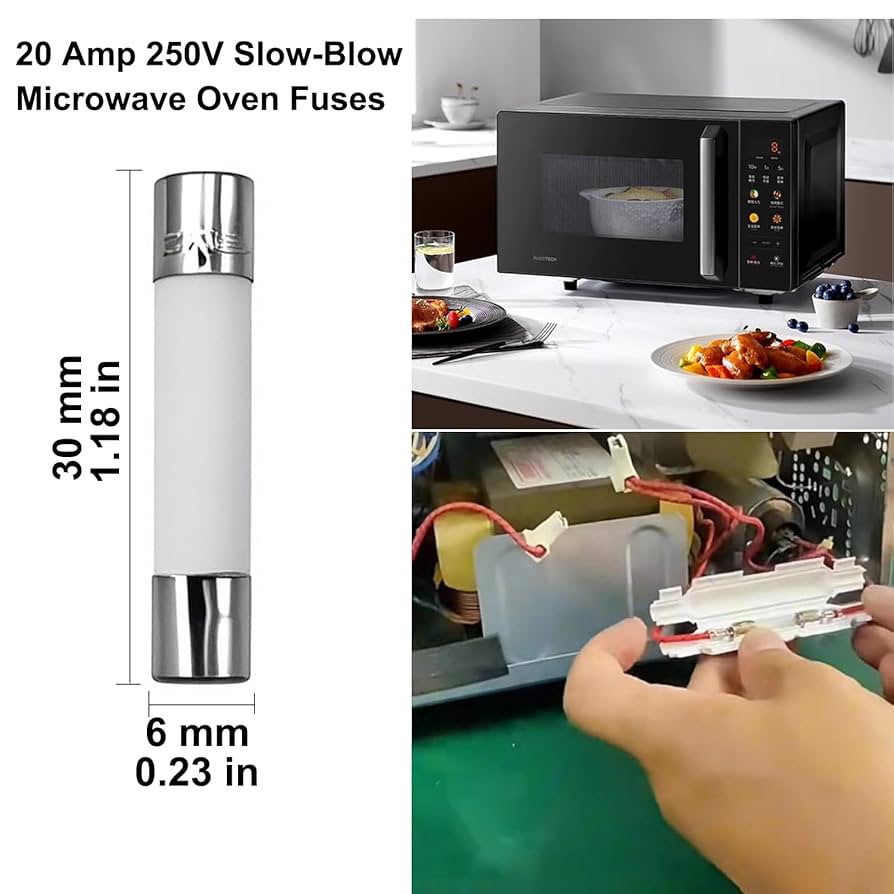
Have you ever wondered if your microwave oven has a fuse? This might sound like a simple question, but understanding the ins and outs of your microwave can save you time and money.
Imagine you’re about to heat up your favorite snack, but your microwave suddenly stops working. Frustrating, right? Knowing whether your microwave has a fuse and how it functions could be the key to getting it back in action quickly and easily.
We’ll explore the role of fuses in microwave ovens and why they matter to you. Whether you’re a tech enthusiast or just a curious homeowner, this guide will unravel the mysteries inside your kitchen appliance. Stay with us and discover how this small component plays a big role in your microwave’s performance.

Credit: www.youtube.com
Microwave Oven Safety Basics
Microwave ovens are common in many homes. They heat food quickly and easily. Safety is important when using these appliances. Knowing the basic safety features helps prevent accidents. It also protects the microwave from damage. Understanding how electrical parts work inside is useful. This knowledge can help you use your microwave safely.
Common Safety Features
- Door interlock switches stop the microwave if the door opens.
- Thermal fuses prevent overheating by cutting power when needed.
- Turntables ensure even cooking and avoid hot spots.
- Metal shielding blocks microwave radiation from escaping.
- Automatic shut-off stops the oven after the timer ends.
Role Of Electrical Components
Electrical parts control the microwave’s operation and safety. The fuse is one key part. It protects the microwave from electrical surges. If the fuse blows, it cuts power to stop damage. Other parts include the magnetron, transformer, and capacitor. Each part works together to heat food safely.
Presence Of Fuses In Microwaves
Microwave ovens have safety parts to protect them from damage. One key safety part is the fuse. Fuses stop electrical problems that can harm the microwave or cause fires. They act like a shield for the oven’s electrical system. Without a fuse, the microwave could face serious electrical risks. Understanding where the fuses are and what types are used helps in safe microwave use and repair.
Types Of Fuses Used
Microwaves use different fuses to protect various parts. The most common types include:
- Thermal fuses – stop overheating by breaking the circuit if it gets too hot.
- Glass tube fuses – protect against electrical surges by melting and breaking the circuit.
- PTC fuses – reset themselves after an electrical fault clears.
Each fuse type works to stop damage from heat or electrical faults quickly. Using the right fuse is important for safety and proper microwave operation.
Location Inside The Oven
Fuses are placed in key spots inside the microwave. Common locations include:
- Near the power cord or main electrical board to protect from power surges.
- Close to the magnetron, the part that creates microwaves, to prevent overheating damage.
- Inside the control panel to protect the electronic circuits.
These positions help fuses detect problems early and stop electrical flow fast. Knowing where fuses sit can help during repairs or fuse replacements.
How Microwave Fuses Work
Understanding how microwave fuses work can help you protect your appliance and your home. These small but vital components act as a safety checkpoint inside your microwave oven. They make sure that any electrical issues don’t turn into bigger problems.
Protecting Against Electrical Surges
Microwave fuses are designed to cut off power when there’s an electrical surge. Surges can happen due to sudden changes in voltage from your power supply. Without the fuse, this spike could damage the microwave’s internal parts.
Think of the fuse as a gatekeeper that stops dangerous electricity from reaching sensitive circuits. If you’ve ever experienced a power surge during a storm, you know how unpredictable electricity can be. The fuse breaks the circuit before any harm is done, saving you costly repairs.
Preventing Fire Hazards
Fuses also play a key role in fire prevention. When too much current flows through the microwave, it can cause wires to overheat. The fuse responds quickly by melting and cutting off the current.
This action prevents overheating, which is a common cause of electrical fires. Have you ever noticed a burning smell or smoke near your microwave? That could be a sign a fuse has done its job, stopping a potential fire before it starts.
By understanding these safety features, you can appreciate why fuses are essential. They protect not just your microwave but also your home and family.

Credit: www.amazon.ca
Signs Of A Blown Fuse
Identifying a blown fuse in your microwave oven can save you time and money. The signs are often clear if you know what to watch for. Paying attention to these symptoms helps you decide if a simple fuse replacement is needed or if professional help is required.
Microwave Not Powering On
If your microwave suddenly stops working and won’t power on at all, a blown fuse might be the cause. This is one of the most obvious signs and often happens without warning. Check if the display and lights are completely off, which usually means no electricity is flowing inside.
Before assuming the fuse is the problem, make sure the microwave is plugged in properly and the outlet is working. If everything else seems fine, the fuse is likely blown and needs replacing. Have you ever had a kitchen appliance stop working instantly with no warning? That’s often a fuse issue.
Unusual Smells Or Sounds
Strange smells like burning plastic or electrical odors can indicate a fuse has blown or is about to blow. Sometimes, you might also hear unusual buzzing or popping sounds before the microwave stops working. These signals warn you that internal components are stressed or damaged.
Ignoring these signs can lead to more serious damage or even electrical hazards. If you notice these smells or sounds, unplug the microwave immediately and inspect the fuse. How often do you check your microwave for these subtle warning signs before it completely fails?
Replacing Microwave Fuses Safely
Replacing microwave fuses safely is important for your protection. Microwaves contain high-voltage parts that can cause shocks. Always unplug the microwave before starting any work. Use the right tools and follow clear steps. This keeps the repair safe and effective. Understanding the process helps avoid accidents and damage.
Tools Needed
- Screwdriver set (usually Phillips and flathead)
- Multimeter for testing the fuse
- Replacement fuse matching the microwave model
- Insulated gloves to protect against shock
- Flashlight for better visibility inside the microwave
- Small container to keep screws safe
Step-by-step Replacement Guide
- Unplug the microwave from the power outlet to cut all power.
- Remove the screws holding the microwave’s outer cover.
- Carefully lift off the cover and place it aside.
- Locate the fuse, usually near the power cord connection.
- Use a multimeter to check if the fuse is blown.
- If the fuse is blown, gently remove it from the holder.
- Insert the new fuse, matching the exact type and rating.
- Replace the microwave cover and secure it with screws.
- Plug in the microwave and test if it works properly.
- Never touch internal parts other than the fuse to avoid shocks.

Credit: www.ebay.ca
Preventing Fuse Damage
Fuses in microwave ovens act as vital safety components, protecting the appliance from electrical overloads. Preventing fuse damage not only saves you from unexpected repair costs but also keeps your microwave running smoothly. Understanding how to care for your microwave can help you avoid those sudden fuse failures.
Proper Usage Tips
Always use microwave-safe containers to avoid sparks that can blow the fuse. Avoid running the microwave empty, as this can cause internal damage leading to fuse issues.
Keep the interior clean from food spills and grease. Residue buildup can cause overheating, which stresses the fuse. If you notice unusual smells or sounds, stop using the microwave immediately and check the fuse.
Avoiding Electrical Issues
Make sure your microwave is plugged into a stable power outlet with the correct voltage. Using extension cords or overloaded power strips can cause voltage drops or spikes that damage the fuse.
Have your home’s wiring checked regularly, especially if you experience frequent fuse blowouts. Sometimes the problem isn’t the microwave but the electrical system feeding it.
Have you ever experienced a fuse blowout during a busy cooking moment? That sudden interruption often points to small issues that could have been prevented with careful electrical setup and usage habits.
When To Consult A Professional
Microwave ovens contain electrical parts that can be dangerous to fix. Some problems may seem simple but require special tools and skills. Knowing when to call a professional can save you time and keep you safe. It also prevents damage to your microwave or home.
Complex Repairs
Microwave ovens have high-voltage components inside. Repairing these parts without training can cause injury or electric shock. Issues like fuse replacement, magnetron failure, or circuit board damage need expert attention. Professionals use proper tools to diagnose and fix these problems safely.
Ensuring Warranty Protection
Opening your microwave or fixing it yourself may void the warranty. Manufacturers usually require repairs by certified technicians. Calling a professional helps keep your warranty valid. This ensures you get free or discounted service if issues arise later.
Frequently Asked Questions
Do Microwave Ovens Contain Internal Fuses?
Yes, microwave ovens have internal fuses to protect against electrical faults. These fuses prevent damage by cutting power during overloads or short circuits, ensuring safety and preventing further appliance damage.
How Do Microwave Fuses Prevent Electrical Hazards?
Microwave fuses break the circuit when excessive current flows. This stops potential fires or electrical shocks, making the oven safer for household use by interrupting dangerous electrical faults immediately.
Can I Replace A Blown Fuse In My Microwave Oven?
Yes, you can replace a blown fuse, but only with the correct type and rating. Always unplug the oven first and consider professional help to avoid electric shock or damage.
Where Is The Fuse Located Inside A Microwave Oven?
The fuse is usually found near the power cord or inside the control panel. Accessing it requires opening the microwave’s outer casing carefully, following safety precautions to avoid injury.
Conclusion
Microwave ovens do have fuses to protect their circuits. These small parts stop damage during electrical problems. Knowing this helps you understand how microwaves stay safe. If a microwave stops working, a blown fuse might be the cause. Replacing a fuse is often simple and inexpensive.
Always check the fuse before assuming bigger issues. This small detail keeps your microwave running well and protects your home. Understanding fuses gives you confidence in handling microwave troubles. Simple steps can save time and money on repairs.