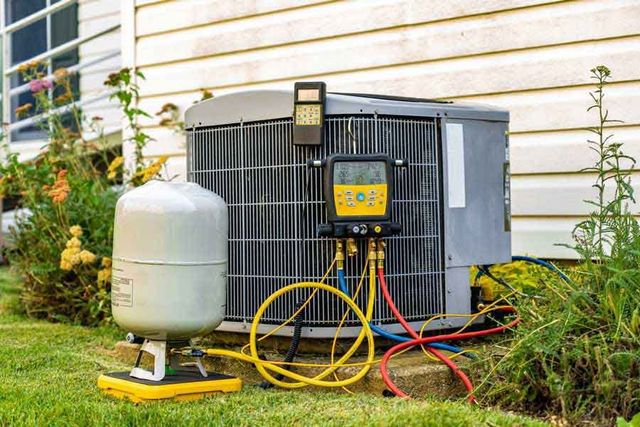
Are you wondering if new air conditioners still use Freon? You’re not alone.
Many homeowners want to know what’s inside their cooling systems and if the chemicals have changed over time. Understanding this can help you make smarter choices for your home’s comfort and safety. Keep reading to find out the truth about Freon and what modern air conditioners really use.
This knowledge could save you money and keep your family healthier. Don’t miss out!
Freon And Air Conditioners
Freonis a brand name for chemicals called chlorofluorocarbons (CFCs). These chemicals were used as refrigerants in air conditioners. They help carry heat out of a room, making it cool inside.
Freon was first made in the 1920s and became popular in air conditioners by the 1930s. It was safe and effective for cooling. But later, people found Freon harms the ozone layer. The ozone layer protects Earth from the sun’s harmful rays.
Because of this, many countries banned Freon and similar CFCs. New air conditioners now use safer chemicals called HFCsor hydrofluorocarbons. These do not damage the ozone layer like Freon does.

Credit: www.aljazeera.com
Modern Refrigerants In New Acs
New air conditioners do not use Freonanymore. They use modern refrigerants that are safer for the environment. These refrigerants have less impact on the ozone layer and cause less global warming.
Common alternatives to Freon include:
- R-410A: A popular choice in new AC units. It is more efficient and eco-friendly.
- R-32: Used in many modern systems. It has lower global warming potential.
- Hydrocarbons: Natural refrigerants like propane, safe but need careful handling.
Freon was phased out because it damages the ozone layer. It contains chemicals called chlorofluorocarbons (CFCs)and hydrochlorofluorocarbons (HCFCs). These chemicals break down ozone, which protects Earth from harmful UV rays. The Montreal Protocolled to global bans on these substances to protect the environment.
Environmental Impact
Older air conditioners used Freon, a chemical harmful to the ozone layer. Freon belongs to a group called chlorofluorocarbons (CFCs). These chemicals caused ozone depletion, letting in more harmful UV rays. This led to serious health and environmental problems.
Newer air conditioners use safer refrigerants like HFCsor hydrofluoroolefins (HFOs). These do not harm the ozone layer but still have a global warming potential (GWP). GWP measures how much heat a gas traps in the atmosphere. Some refrigerants have lower GWP to reduce climate impact.
| Refrigerant Type | Ozone Depletion Potential | Global Warming Potential |
|---|---|---|
| Freon (CFCs) | High | Moderate to High |
| HFCs | Zero | High |
| HFOs | Zero | Low |
Regulations And Standards
New air conditioners no longer use Freon due to strict environmental regulations. Modern units use safer refrigerants that protect the ozone layer and reduce pollution. These rules ensure cooling systems meet current safety and environmental standards.
Government Policies
Freonis a brand name for certain refrigerants, mainly chlorofluorocarbons (CFCs). These chemicals harm the ozone layer. Many countries have laws to limit or ban these substances. New air conditioners usually use safer refrigerantsthat do not damage the ozone.
Some common replacements include HFCsand natural refrigerants. These have less impact on the environment. Governments require manufacturers to follow rules that protect the air and climate.
Industry Compliance
- Air conditioner makers must use approved refrigerants.
- Regular checks ensure products meet safety and environmental standards.
- Labels on units show the type of refrigerant inside.
- Technicians must be trained to handle refrigerants safely.
Choosing An Eco-friendly Ac
New air conditioners mostly use eco-friendly refrigerants instead of Freon. These new options reduce harm to the environment and save energy. Choosing an AC with updated refrigerants helps protect the planet while keeping your home cool.
Energy Efficiency Ratings
Energy efficiency ratingshelp find ACs that save power and money. The SEER ratingshows how well an air conditioner cools using less electricity. Higher SEER means better energy use. Choosing AC units with Energy Starlabels guarantees they meet strict energy rules. This saves money on bills and helps the environment.
Refrigerant Types To Look For
New air conditioners use safer refrigerants than old Freon. Look for R-410Aor R-32 refrigerants. These do not harm the ozone layer and have lower global warming effects. Avoid ACs with R-22 (Freon)as it is being phased out due to pollution. Using modern refrigerants helps protect the planet.

Credit: atlasacrepair.com
Maintenance And Safety Tips
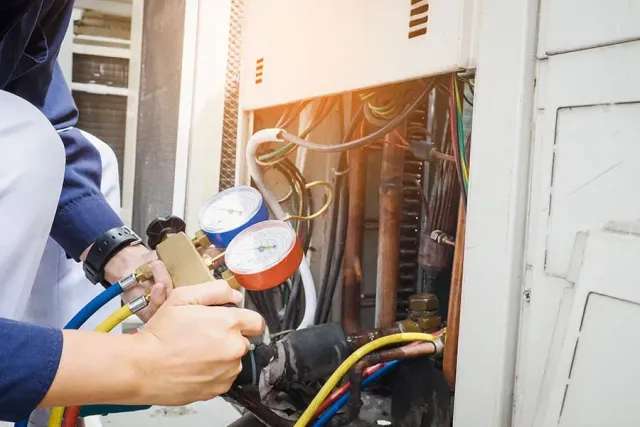
Refrigerants like Freonmust be handled with care. They can be harmful if released into the air or skin contact occurs. Always wear glovesand eye protectionwhen working with these chemicals. Proper tools help avoid leaks and accidents. Only trained professionalsshould handle refrigerants to keep everyone safe.
Signs of a refrigerant leak include:
- Unusual hissing soundsnear the AC unit
- Warm air blowing from the vents
- Ice buildup on the coils
- Higher energy bills without extra use
- Bad smells or oily residue around the system
Detecting leaks early can prevent damage and keep the system running well. Regular checks and maintenance are key.
Credit: www.iecomfortac.com
Frequently Asked Questions
Do New Air Conditioners Still Use Freon?
No, most new air conditioners use eco-friendly refrigerants like R-410A. Freon (R-22) is being phased out due to environmental harm. Modern units offer better efficiency and comply with updated regulations.
What Refrigerants Replace Freon In New Ac Units?
New AC units commonly use R-410A or R-32 refrigerants. These are more environmentally friendly and have zero ozone depletion potential. They improve energy efficiency and meet current environmental standards.
Why Was Freon Phased Out From Air Conditioners?
Freon contains chlorofluorocarbons (CFCs) that damage the ozone layer. International agreements like the Montreal Protocol led to its phase-out. New refrigerants reduce environmental impact while maintaining cooling performance.
Can I Still Service An Ac With Freon Refrigerant?
Yes, servicing Freon-based ACs is possible but becoming costly. Freon production is limited, making it rare and expensive. Consider upgrading to newer models with eco-friendly refrigerants for better efficiency.
Conclusion
New air conditioners no longer use traditional Freon. They use safer, eco-friendly refrigerants. These new chemicals help protect the environment. They also improve energy efficiency and save money. Choosing a modern AC means better cooling and lower bills. Remember to check the type of refrigerant before buying.
Proper maintenance keeps your system running smoothly. Stay informed to make smart choices for your home. The shift away from Freon benefits everyone. Cleaner air and a cooler home—what’s not to like?