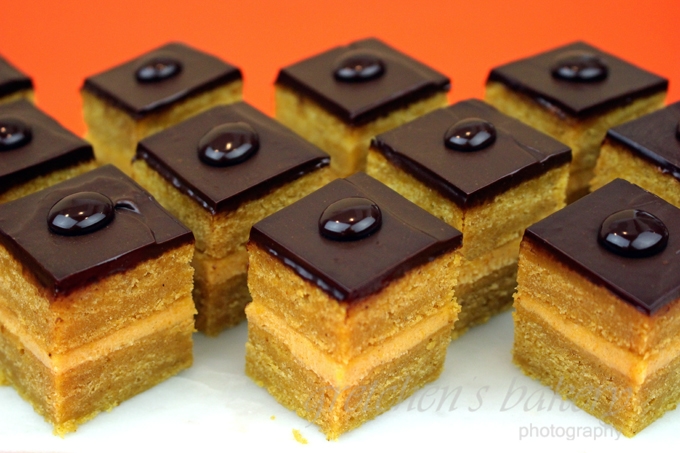
Imagine this: you’ve just hosted a delightful tea party, and the centerpiece was an array of exquisite petit fours. These tiny, colorful cakes are not just a feast for the eyes but also a treat for the taste buds.
But now, with some left over, a question pops into your mind: “Do petit fours need to be refrigerated? ” You’re not alone in this culinary conundrum. Understanding how to store these delicate delights can be the difference between savoring their perfect texture and flavor later or facing a disappointing bite.
Dive into this article to uncover the secrets of petit fours storage, ensuring they remain as delightful as the moment you first served them.
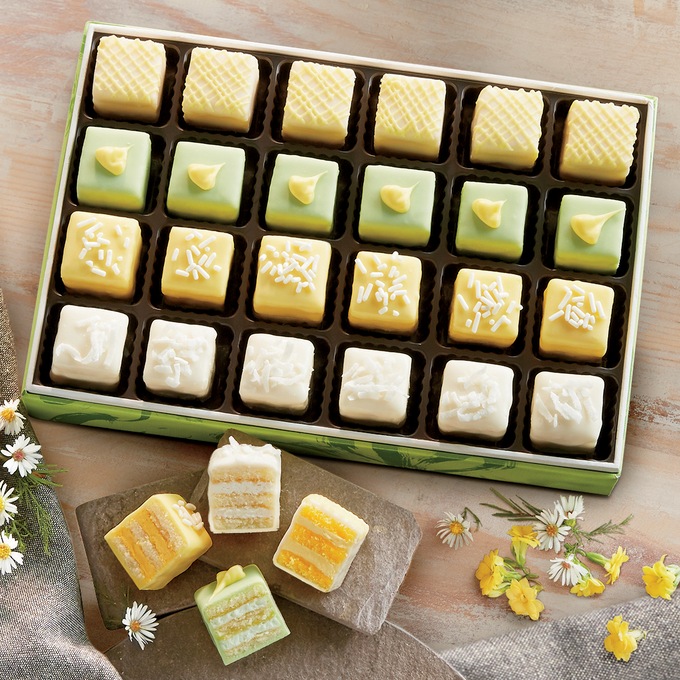
Credit: www.wisconsincheeseman.com
Types Of Petit Fours
Petit fours are small, delicate cakes that come in various types. Each type has different ingredients and textures. These differences affect how they should be stored. Understanding the types helps decide if refrigeration is needed.
Butter-based Petit Fours
Butter-based petit fours have rich, creamy cake layers. They often contain buttercream or custard fillings. These cakes tend to be moist and soft. Because of the dairy content, they usually need refrigeration. Keeping them cool prevents spoilage and maintains freshness.
Fondant And Iced Petit Fours
Fondant and iced petit fours have smooth, sugary coatings. The fondant creates a shiny, firm shell around the cake. These cakes often last longer at room temperature. The sugar coating protects the inside from drying out. Storing them in a cool, dry place is often enough.
Chocolate-covered Petit Fours
Chocolate-covered petit fours feature a chocolate coating over the cake. The chocolate can be dark, milk, or white. These cakes may or may not have creamy fillings inside. Chocolate coatings can melt if left in warm areas. Refrigeration helps keep the chocolate firm and fresh.
Factors Affecting Storage
Storing petit fours properly keeps them fresh and tasty longer. Several factors affect whether these delicate treats need refrigeration. Understanding these elements helps decide the best storage method.
Ingredients And Moisture Content
Petit fours vary in ingredients. Some contain fresh cream, custard, or fruit fillings. These ingredients spoil quickly without refrigeration. Others use dry cake and fondant icing. These can last longer at room temperature.
Moisture also plays a role. High moisture content increases the risk of mold growth. Low moisture petit fours stay safe outside the fridge for a few days.
Room Temperature Conditions
Temperature and humidity affect storage greatly. Warm and humid rooms cause faster spoilage. Cool, dry rooms help keep petit fours fresh longer. Avoid direct sunlight and heat sources. These can melt icing and soften textures.
Ideal room temperature is between 65°F and 70°F (18°C to 21°C). Higher temperatures may require refrigeration.
Shelf Life Expectations
Petit fours have a short shelf life. Those with fresh fillings last 1-2 days unrefrigerated. Dry petit fours can last 3-4 days at room temperature.
Refrigeration extends shelf life to about a week. Always store in an airtight container to prevent drying out.
When To Refrigerate Petit Fours
Knowing when to refrigerate petit fours helps keep their taste and texture perfect. These delicate treats can spoil or lose quality if stored wrongly. The need for refrigeration depends on ingredients, weather, and storage time.
Perishable Fillings And Creams
Petit fours with cream, custard, or fresh fruit fillings must stay cold. These fillings spoil quickly at room temperature. Refrigeration slows bacterial growth and keeps the cakes safe to eat. Always check the ingredients to decide if chilling is needed.
Warm Climates And Humidity
High heat and moisture can ruin petit fours fast. Warm climates cause frosting to melt and cakes to become soggy. Humidity encourages mold growth. Refrigeration helps keep petit fours firm and fresh in hot or humid places.
Prolonged Storage Needs
Petit fours eaten after a day or two should be refrigerated. Long storage at room temperature dries out the cake and frosting. Use airtight containers before placing them in the fridge. This preserves flavor and texture for several days.

Credit: www.petersoncheese.com
When To Avoid Refrigeration
Knowing when to skip refrigeration for your petit fours can save you from disappointing textures and lost flavors. Not all petit fours benefit from being chilled, and understanding the right moments to leave them at room temperature can make a big difference in your dessert experience.
Butter Texture Preservation
Petit fours made with a high butter content can become hard and lose their creamy texture when refrigerated. Cold temperatures cause butter to solidify, turning your delicate treats into something less enjoyable to bite into.
If you want to keep that melt-in-your-mouth feel, store buttery petit fours in a cool, dry place instead. Have you noticed how a refrigerated butter cookie feels different compared to one kept at room temperature? It’s the same principle here.
Avoiding Condensation Issues
Bringing petit fours out of the fridge often leads to condensation forming on their surface. This moisture can make the glaze or icing runny and affect the overall appearance and texture.
If you’ve ever seen a beautifully decorated petit four start to look soggy or sticky after refrigeration, you know why avoiding the fridge can be crucial. Keeping them outside the fridge prevents this moisture problem altogether.
Maintaining Freshness And Flavor
Not all petit fours contain perishable ingredients that demand refrigeration. Some rely on sugar glazes and dry cake bases that maintain their freshness better at room temperature.
Storing these treats outside the fridge can actually help preserve their original flavor and aroma. Think about how some pastries taste better fresh and not chilled—your petit fours deserve the same attention.
Best Storage Practices
Storing petit fours correctly can make all the difference in preserving their delicate flavors and textures. You want to keep them fresh without turning them soggy or stale. Let’s look at the best ways to store these bite-sized treats so you can enjoy them just as much the next day.
Using Airtight Containers
Airtight containers are your best friend for storing petit fours. They prevent air from drying out the pastries and protect them from absorbing other odors in your fridge or pantry.
Choose containers that seal tightly and fit your petit fours snugly to avoid unnecessary movement. If your container is too large, you might want to add some parchment paper or bubble wrap to keep them from jostling and breaking.
Layering And Wrapping Techniques
Stacking petit fours directly on top of each other can cause them to stick or lose their shape. Try placing a layer of parchment or wax paper between each row to keep them separate and intact.
Wrapping each petit four individually isn’t always necessary but can be helpful if you plan to store them for several days. Use plastic wrap gently so you don’t damage the icing or decorations, especially on delicate designs.
Ideal Temperature And Humidity
Petit fours generally do best in a cool, dry place. If they contain cream or custard fillings, refrigeration is needed, but be aware it can sometimes dry out the pastry.
Try to keep your fridge temperature steady, ideally between 35-40°F (1.5-4.5°C), and avoid placing your petit fours near the fridge door where temperature fluctuates. You might ask yourself: is the risk of drying out worth the safety of refrigeration for your specific recipe?
Freezing Petit Fours
Freezing petit fours can be a great way to extend their shelf life without sacrificing too much flavor or appearance. However, proper handling before and after freezing is crucial to keep these delicate treats tasting their best. Let’s look at how to freeze, thaw, and what changes you might expect in texture and taste.
Preparation For Freezing
Before freezing petit fours, make sure they are completely cooled to avoid condensation, which can cause sogginess. Wrap each piece individually in plastic wrap to protect them from freezer burn and to keep their shape intact.
Place the wrapped petit fours in an airtight container or a heavy-duty freezer bag. Label the container with the date so you can keep track of how long they’ve been stored.
Thawing Tips
Thaw petit fours slowly by moving them from the freezer to the refrigerator for several hours or overnight. This gradual thaw helps maintain the texture and prevents moisture buildup.
Avoid thawing at room temperature, as this can cause the icing to sweat or become sticky. If you’re in a hurry, unwrap them first and let them sit at room temperature for about 30 minutes, but watch closely.
Impact On Texture And Taste
Freezing can slightly change the texture of petit fours. The delicate sponge may become a bit drier, and the icing might lose some of its smoothness.
Despite this, the flavor usually stays intact if you freeze and thaw them properly. Have you noticed how some pastries hold up better than others? Petit fours with heavier fillings tend to freeze better than those with light creams or fresh fruit toppings.
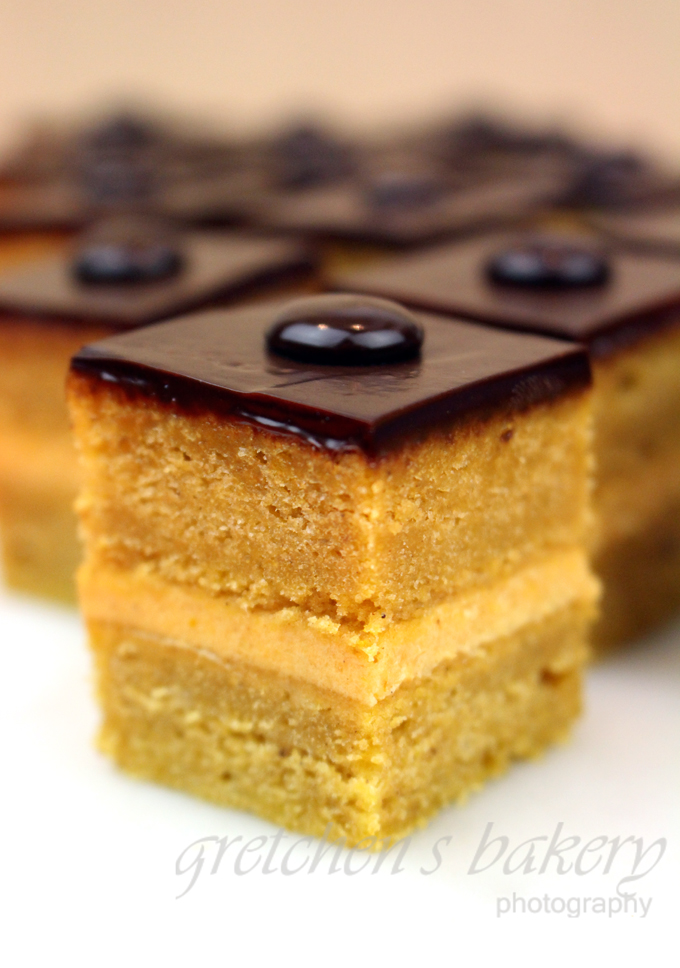
Credit: www.gretchensveganbakery.com
Frequently Asked Questions
Do Petit Fours Need Refrigeration After Baking?
Petit fours with perishable fillings must be refrigerated to stay fresh. Dry or fondant-covered ones can be stored at room temperature.
How Long Can Petit Fours Stay Unrefrigerated?
Petit fours without cream or fruit fillings last up to two days unrefrigerated. Beyond that, refrigeration is recommended for safety.
Can Refrigeration Affect Petit Fours’ Texture?
Yes, refrigeration may harden the icing and dry out petit fours. Store them in an airtight container to maintain softness.
Is It Safe To Leave Petit Fours Out Overnight?
Leaving petit fours out overnight is safe only if they lack dairy or fresh fruit fillings. Otherwise, refrigerate promptly.
Conclusion
Petit fours stay fresh longer when kept cool. Most types need refrigeration to avoid spoilage. Creamy or fruity fillings must not sit out. Dry, sugary ones can last at room temperature briefly. Always store in an airtight container to keep moisture away.
Checking the ingredients helps decide storage needs. Enjoy your petit fours at their best by storing them right. Simple care keeps these treats tasty and safe to eat. Remember, a little attention goes a long way.