
Have you noticed a small, rough bump on the bottom of your foot and wondered if it could be a plantar wart? You might be worried about whether it can spread to other parts of your foot or even to other people.
Understanding how plantar warts spread is important to protect your skin and stop them from multiplying. You’ll discover the truth about plantar warts, how they spread, and what you can do to keep them from taking over. Keep reading to learn the facts that could save your feet from discomfort and embarrassment.
What Are Planters Warts
Planters warts are small growths that appear on the soles of the feet. They are caused by a virus called human papillomavirus (HPV).
These warts can be painful and make walking uncomfortable. They often have a rough surface and tiny black dots inside.
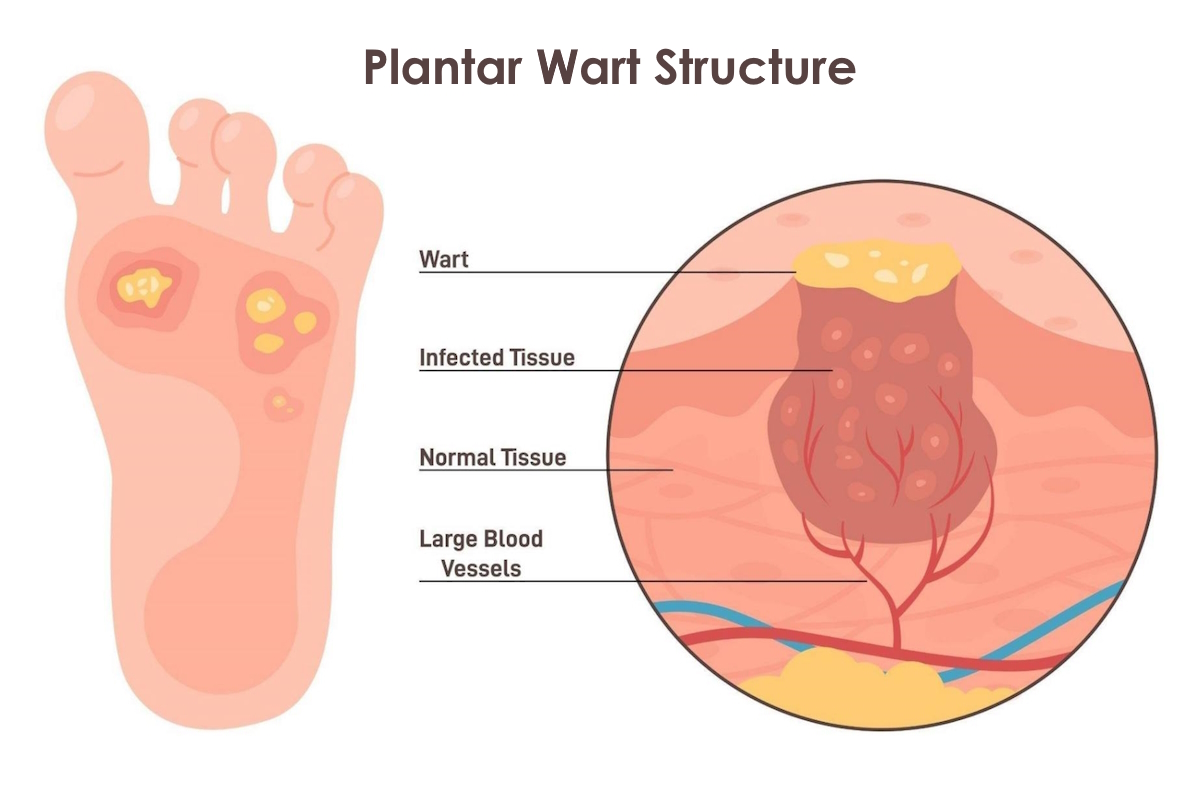
Planters warts grow on the bottom of the feet. The virus enters the skin through small cuts or cracks.
The wart grows inward because of pressure from walking. It may look like a small, thickened bump on the foot.
How Do Planters Warts Spread
The virus that causes planters warts spreads through direct contact. Touching a wart or walking barefoot in public places can spread it.
Sharing towels, shoes, or socks with someone who has warts can also spread the virus.
- Walking barefoot in pools or locker rooms
- Touching warts on yourself or others
- Using shared footwear or towels
Causes Of Planters Warts
Planters warts are small growths on the feet. They happen because of a virus that infects the skin.
This virus makes the skin grow fast and form a hard bump. It can be painful when you walk.
Human Papillomavirus (hpv)
Planters warts are caused by a virus called human papillomavirus. It enters the skin through tiny cuts.
This virus infects the top layer of skin and causes a wart to grow. It is common on the feet.
Walking Barefoot In Public Places
Walking barefoot in places like pools or locker rooms can spread the virus. The virus lives on wet floors.
When your feet touch these surfaces, the virus can enter through small cuts or cracks in the skin.
Damaged Skin
Cracked or broken skin makes it easier for the virus to get inside. Dry skin can crack and create openings.
Having cuts or injuries on your feet increases the chance of getting planters warts.
Weak Immune System
A weak immune system cannot fight off the virus well. This makes it easier for warts to grow.
People with illnesses or on certain medicines may have a higher risk of planters warts.
Close Contact With Infected Skin
Touching warts on someone else or sharing shoes can spread the virus. The virus transfers from skin to skin.
It is important to avoid direct contact with warts to prevent spreading the virus.
How Planters Warts Spread
Planters warts are caused by a virus that infects the skin on the feet. The virus can spread from one person to another or to different parts of the body.
Understanding how planters warts spread can help you avoid getting or passing them on.
Direct Contact
Planters warts spread mainly through direct contact with the virus. This can happen when you touch someone who already has a wart.
- Touching a wart on another person’s foot
- Walking barefoot where someone has a wart
- Sharing towels or socks with an infected person
Indirect Contact
The virus can live on surfaces for a while. You can get infected by touching these surfaces and then touching your feet.
| Surface | Risk of Virus Presence |
| Public swimming pool floors | High |
| Locker room benches | Moderate |
| Shared shoes or sandals | High |
| Gym mats | Moderate |
Self-inoculation
You can spread the virus to other parts of your own feet by touching or scratching a wart. This is called self-inoculation.
Ways self-inoculation happens:
- Scratching or picking at a wart
- Touching a wart and then touching healthy skin
- Using the same nail clippers or razors on infected and healthy areas

Credit: www.goodrx.com
Risk Factors For Spreading
Planter’s warts are small growths on the feet caused by a virus. They can spread from one part of the foot to another. Some things make it easier for the virus to spread.
Understanding these risk factors helps prevent spreading planter’s warts to others and different areas of your skin.
Weakened Immune System
The immune system fights viruses like the one causing planter’s warts. A weak immune system cannot fight the virus well. This makes it easier for the virus to spread.
People with illnesses or who take certain medicines may have weaker immune systems. They should be extra careful to avoid spreading warts.
Walking Barefoot
Walking barefoot in public places can spread planter’s warts. The virus lives on floors and surfaces. It can enter through small cuts or soft skin on your feet.
Wearing shoes or sandals in places like pools and locker rooms helps stop the virus from spreading.
- Public swimming pools
- Locker rooms
- Gym showers
- Shared changing areas
Shared Surfaces
Planter’s warts can spread through contact with shared surfaces. The virus can live on floors, mats, and towels for a while. Touching these surfaces can pass the virus to your feet.
Cleaning and disinfecting shared surfaces lowers the risk of spreading the virus. Avoid sharing towels or shoes to reduce chances of infection.
Symptoms To Watch For
Planter’s warts are small growths that appear on the soles of the feet. They can cause discomfort and may spread if not treated. Knowing the symptoms helps you spot them early.
These warts often look different from other skin problems. Watch for changes on your feet to catch them quickly.
Appearance Of The Wart
Planter’s warts usually have a rough, grainy surface. They can be flat or slightly raised. Small black dots often show up inside the wart. These dots are tiny blood vessels.
Pain And Discomfort
Many people feel pain when walking or standing. The wart presses into the foot, causing soreness. This pain can feel like stepping on a sharp object.
Signs Of Spread
- Multiple warts appearing close together
- New warts forming near the original one
- Clusters of small warts merging into a larger patch
Spreading happens when the virus moves to nearby skin. This can occur by touching or scratching the wart.
Skin Changes Around The Wart
| Symptom | Description |
| Thickened skin | Raised, hard skin around the wart |
| Redness | Skin may look red or irritated |
| Swelling | Area around the wart may swell slightly |
| Itching | Some feel mild itching near the wart |

Credit: www.katyfootcare.com
Preventing The Spread
Planter’s warts can easily spread from one person to another. Taking simple steps helps stop this spread. You can protect yourself and others by following good habits.
Focus on cleanliness and avoid contact with infected areas. Wearing the right footwear and not touching warts also reduce risks.
Personal Hygiene
Keep your feet clean and dry to prevent the virus from spreading. Wash your feet every day with soap and water. Dry well, especially between toes.
- Use your own towel and washcloth
- Change socks daily
- Do not share shoes or socks
- Disinfect nail clippers and other tools
Protective Footwear
Wearing shoes in public places helps block the virus. Locker rooms, pools, and showers are common spots for spreading plantar warts.
| Place | Recommended Footwear |
|---|---|
| Public showers | Waterproof sandals |
| Swimming pools | Flip-flops or pool shoes |
| Gym locker rooms | Closed-toe shoes |
Avoiding Touching
Touching warts can spread the virus to other parts of your body or to others. Avoid picking, scratching, or touching the warts.
Tips to avoid touching warts:
- Cover warts with a waterproof bandage
- Wash your hands after touching infected areas
- Do not share towels or socks
- Keep nails trimmed to avoid skin tears
Treatment Options
Planter’s warts can be uncomfortable and unsightly. Many treatment options exist to help remove them safely.
Choosing the right method depends on the wart size, location, and your doctor’s advice.
Over-the-counter Remedies
OTC products often contain salicylic acid to soften the wart. These treatments require daily use for several weeks.
- Salicylic acid patches or gels
- Freezing sprays (cryotherapy)
- Wart removal pads
- Follow product instructions carefully
Medical Procedures
Doctors can use stronger treatments if OTC options fail. These procedures remove warts quickly and safely.
| Procedure | Description |
| Cryotherapy | Freezing wart with liquid nitrogen |
| Laser Treatment | Using laser to destroy wart tissue |
| Electrosurgery | Burning wart with electric current |
| Curettage | Scraping off the wart |
Home Remedies
Some people try home remedies to ease symptoms or remove warts naturally. These methods vary in success.
- Applying duct tape over the wart for several days
- Using apple cider vinegar with a cotton ball
- Rubbing garlic directly on the wart
- Keeping feet clean and dry
Credit: www.stridecare.com
When To See A Doctor
Planter’s warts are common skin growths on the feet caused by a virus. Most warts go away on their own, but some need medical care.
Knowing when to see a doctor helps prevent pain and stops the warts from spreading to others.
If The Wart Causes Pain Or Discomfort
See a doctor if the wart hurts when you walk or stand. Pain can affect your daily activities and quality of life.
When Warts Spread Or Multiply
If the warts spread to other parts of your foot or grow larger, you should get medical advice. This can stop further spread.
- New warts appear near the original wart
- Warts increase in size
- Warts become clustered together
If Home Treatments Don’t Work
Some people try over-the-counter treatments. If these do not work after several weeks, a doctor can offer better options.
When You Have Health Conditions
| Condition | Reason To See A Doctor |
| Diabetes | Higher risk of infection and slow healing |
| Weakened immune system | Warts may worsen or spread quickly |
| Poor circulation | Increased chance of complications |
If You Are Unsure About The Growth
Sometimes, skin growths may look like warts but need a different treatment. A doctor can examine the growth to confirm the diagnosis.
Frequently Asked Questions
How Do Planters Warts Spread?
Planters warts spread through direct contact with the human papillomavirus (HPV). This virus thrives in warm, moist environments. Walking barefoot in public places like pools or locker rooms can increase the risk. Sharing personal items like shoes or towels can also contribute to the spread.
Can Planters Warts Spread To Other Body Parts?
Yes, planters warts can spread to other body parts through touch. If you scratch or pick at a wart, the virus can transfer to your hands. From there, it can spread to other areas. Always wash your hands after touching a wart to prevent spreading.
Are Planters Warts Contagious?
Yes, planters warts are contagious and can easily spread to others. They are caused by HPV, which spreads through skin-to-skin contact. To prevent spreading, avoid sharing personal items and keep warts covered. Public areas with wet surfaces can also be breeding grounds for the virus.
How Can You Prevent Planters Warts Spread?
To prevent spreading planters warts, maintain good foot hygiene. Wear flip-flops in communal showers and pools. Avoid touching warts directly and wash hands frequently. Keep warts covered with a bandage to reduce the risk of spreading the virus to others or yourself.
Conclusion
Planter’s warts can spread through direct contact with the virus. Touching the wart or sharing items like shoes increases risk. Keeping feet clean and dry helps prevent spreading. Avoid scratching or picking at the wart to stop it from spreading.
Wearing sandals in public places reduces the chance of catching the virus. Early treatment can also limit spread and discomfort. Understanding how planter’s warts spread helps protect yourself and others. Stay cautious and take simple steps to keep your feet healthy.