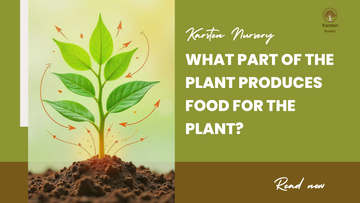
Have you ever wondered if plants get their food directly from the soil? It’s a question that might seem simple, but the answer could change the way you care for your garden or houseplants.
If you’re curious about how plants really feed themselves, keep reading. By the end, you’ll understand what plants actually need to grow strong and healthy—and how you can help them thrive. Ready to uncover the truth about where plants get their food?
Let’s dive in.

Credit: www.familyhandyman.com
How Plants Get Nutrients
Plants need nutrients to grow strong and healthy. They get these nutrients mainly from the soil. The soil acts like a storage place for many important elements.
Understanding how plants take nutrients helps us care for them better. The soil and its nutrients work closely with the plant roots.
Role Of Soil In Plant Growth
Soil holds water and nutrients that plants need. Roots absorb these nutrients and water to feed the plant. Good soil has a balance of air, water, and minerals.
- Soil supports the plant’s roots physically.
- It stores water for the plant to use.
- Soil contains minerals and organic matter.
- Microorganisms in soil help break down nutrients.
- Good soil helps roots breathe and grow.
Essential Nutrients From Soil
Plants need many nutrients from the soil to grow well. These nutrients fall into two groups: macronutrients and micronutrients. Macronutrients are needed in large amounts, while micronutrients are needed in small amounts.
| Type | Nutrient | Function |
| Macronutrient | Nitrogen (N) | Helps leaves grow and stay green |
| Macronutrient | Phosphorus (P) | Supports root and flower development |
| Macronutrient | Potassium (K) | Controls water use and disease resistance |
| Micronutrient | Iron (Fe) | Aids in chlorophyll production |
| Micronutrient | Magnesium (Mg) | Important for photosynthesis |

Credit: www.no-tillfarmer.com
Photosynthesis And Food Production
Plants do not get their food directly from the soil. They make their own food through a process called photosynthesis. This process happens mainly in the leaves of the plant.
Photosynthesis helps plants produce glucose, which is their main source of energy. The soil provides water and minerals, but not food.
Process Of Photosynthesis
Photosynthesis uses sunlight, water, and carbon dioxide to make food. The green pigment chlorophyll captures sunlight. This energy helps turn carbon dioxide and water into glucose and oxygen.
- Plants take in water through roots from the soil.
- Leaves absorb carbon dioxide from the air.
- Chlorophyll traps sunlight energy.
- Energy converts water and carbon dioxide into glucose.
- Oxygen is released into the air as a byproduct.
Sources Of Carbon And Energy
| Source | Role in Photosynthesis |
| Carbon Dioxide (CO2) | Provides carbon for glucose formation |
| Water (H2O) | Supplies hydrogen and oxygen atoms |
| Sunlight | Energy source to drive the chemical reactions |
Soil Vs. Sunlight: What Feeds Plants?
Many people wonder if plants get their food from soil or sunlight. Plants need nutrients to grow and stay healthy. But the main source of food is not soil.
Plants make their own food using sunlight. This process is called photosynthesis. Soil helps plants by providing water and minerals.
Misconceptions About Soil As Food
Some think plants eat soil like animals eat food. Soil does not feed plants directly. It is a place where roots grow and get water and nutrients.
Plants use sunlight to make sugar, which is their real food. Soil only supports this process by giving needed minerals and moisture.
Importance Of Water And Minerals
Water and minerals from soil are very important for plants. Water helps move nutrients inside the plant. Minerals help plants grow strong and healthy.
- Water keeps plants hydrated and supports photosynthesis
- Minerals like nitrogen, phosphorus, and potassium aid growth
- Minerals help build leaves, stems, and roots
- Water transports minerals from soil to plant cells

Credit: www.youtube.com
Nutrient Uptake Mechanisms
Plants need nutrients to grow and stay healthy. They get these nutrients from the soil through special processes.
Understanding how plants absorb and move nutrients helps us learn how they survive and thrive.
Root Absorption Of Minerals
Roots take in water and minerals from the soil. Tiny root hairs increase the surface area to absorb more nutrients.
Plants use active and passive transport to move minerals into root cells.
- Passive transport moves minerals along a concentration gradient.
- Active transport uses energy to take minerals against the gradient.
- Root hairs help reach minerals in small soil spaces.
Transport Within The Plant
Once minerals enter the roots, the plant moves them through the xylem vessels. These vessels carry nutrients to the leaves and other parts.
Water evaporation from leaves helps pull minerals upward in a process called transpiration.
- Xylem vessels transport water and minerals from roots to shoots.
- Phloem vessels move food made in leaves to other plant parts.
- Transpiration creates a pull that helps move nutrients upward.
Factors Affecting Nutrient Availability
Plants get most nutrients from the soil. Nutrients must be available in a form plants can absorb. Many factors change how nutrients move and stay in the soil.
Understanding these factors helps us know how plants get food. It also helps improve soil health for better plant growth.
Soil Quality And Composition
Soil quality affects nutrient availability. Good soil has enough minerals and organic matter. It holds nutrients well and lets roots grow easily.
Soil texture, like sand or clay, changes how nutrients move. Clay holds nutrients tightly. Sandy soil drains fast but loses nutrients easily.
- High organic matter improves nutrient supply
- Clay soils hold nutrients better than sandy soils
- pH level affects nutrient solubility and uptake
- Soil structure influences root access to nutrients
Environmental Influences
Temperature and moisture affect how nutrients move and change in soil. Warm soil speeds up nutrient release. Cold soil slows it down.
Water helps dissolve nutrients so roots can absorb them. Too little or too much water stops this process. Sunlight and wind also change soil conditions.
- Warm temperatures increase nutrient availability
- Proper moisture helps nutrient absorption
- Excess rain can wash nutrients away
- Dry conditions reduce nutrient movement
Enhancing Plant Nutrition
Plants get most of their food from air and sunlight. They also need nutrients from soil to grow well.
Good soil nutrition helps plants stay healthy and strong. We can improve soil to help plants get more nutrients.
Fertilizers And Amendments
Fertilizers add important nutrients to the soil. These nutrients help plants grow faster and healthier.
Soil amendments improve soil structure and nutrient availability. They make it easier for roots to absorb nutrients.
- Common fertilizers supply nitrogen, phosphorus, and potassium.
- Organic amendments include compost and manure.
- Amendments can fix soil pH and texture.
- Use fertilizers carefully to avoid harming plants.
Sustainable Soil Practices
Sustainable practices protect soil health for long-term plant nutrition. They keep soil rich and alive.
These practices reduce soil erosion and loss of nutrients. They support natural nutrient cycles in soil.
- Crop rotation helps keep nutrients balanced.
- Cover crops protect soil and add nutrients.
- Reduced tillage preserves soil structure.
- Adding organic matter improves soil life.
Frequently Asked Questions
Do Plants Get Food From Soil Nutrients?
Plants do not directly obtain their food from soil nutrients. They primarily use sunlight, carbon dioxide, and water for photosynthesis. Soil nutrients support plant growth but are not a direct food source. Essential minerals from the soil contribute to their overall health and development.
How Do Plants Produce Their Own Food?
Plants produce their own food through photosynthesis. They convert sunlight, carbon dioxide, and water into glucose and oxygen. This process occurs in the chloroplasts of plant cells. Photosynthesis is essential for plant energy and growth, supporting ecosystems by providing oxygen and food for other organisms.
What Role Does Soil Play In Plant Nutrition?
Soil provides essential minerals and water for plant growth. While it doesn’t directly provide food, it supports the photosynthesis process. Soil structure affects root development and nutrient absorption. Healthy soil is crucial for maintaining vibrant plant life and overall ecosystem balance.
Can Plants Survive Without Soil?
Some plants can survive without soil, using alternative methods like hydroponics or aeroponics. These methods provide nutrients directly through water or air. However, most plants rely on soil for stability and nutrient supply. Soil-based environments offer a natural setting for diverse plant species to thrive.
Conclusion
Plants do not get their food directly from soil. Soil only provides water and nutrients. Plants make food using sunlight through photosynthesis. Leaves absorb sunlight and turn it into energy. Roots take in water and minerals from soil. This process helps plants grow strong and healthy.
Understanding this helps us care for plants better. So, soil supports but does not feed plants. Nature works in a simple, amazing way.