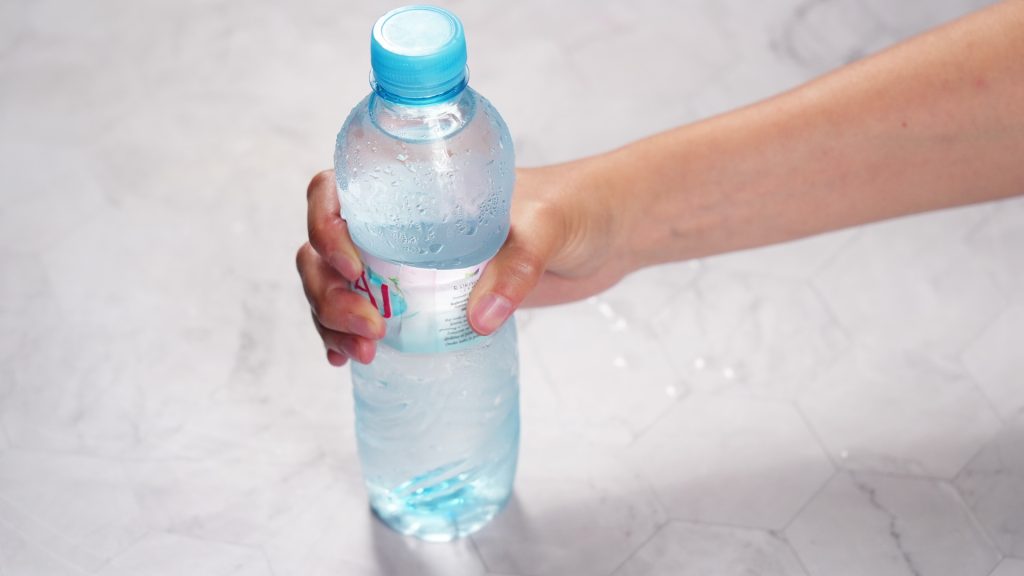
Have you ever found yourself wondering if your water bottle might turn into a mini bomb when left in the freezer? The idea is a bit alarming, isn’t it?
You stash your drink in the freezer for a quick chill, but then your mind races with questions. Will it explode? Is it safe? Understanding what happens to plastic bottles in the freezer can save you from a messy surprise and possibly even a ruined drink.
We’ll explore the science behind it and share insights that might just change how you chill your beverages. Stay with us, because what you discover next might just make your freezer a safer place.
How Freezing Affects Plastic Bottles
Freezing plastic bottles can be tricky because cold temperatures and expanding liquids put stress on the bottle’s material. Understanding how freezing affects plastic bottles helps you avoid messy accidents. Let’s look into what really happens inside these bottles when they face the cold.
Expansion Of Water Inside Bottles
Water expands as it freezes, increasing its volume by about 9%. This expansion pushes against the inside walls of the plastic bottle. If the bottle is full or nearly full, the pressure can build up quickly.
Have you ever noticed a bottle feeling rigid or swollen after freezing? That’s the pressure from the ice trying to take up more space. If the plastic can’t stretch or give way, it may crack or even burst.
Leaving some empty space in the bottle can prevent this problem. It gives the water room to expand without putting too much force on the plastic.
Types Of Plastic And Their Strength
Not all plastic bottles handle freezing the same way. Different plastics have varying flexibility and durability under cold stress.
| Plastic Type | Common Use | Freezing Strength | Notes |
|---|---|---|---|
| PET (Polyethylene Terephthalate) | Water and soda bottles | Low | Rigid and prone to cracking when frozen |
| HDPE (High-Density Polyethylene) | Milk jugs, juice bottles | Moderate | More flexible, better withstands freezing |
| LDPE (Low-Density Polyethylene) | Soft squeeze bottles | High | Highly flexible and less likely to burst |
Knowing what type of plastic your bottle is made from can save you from unexpected breaks. For instance, a soft LDPE bottle might survive freezing better than a rigid PET bottle.
Have you tried freezing water in different bottles and noticed some cracked while others didn’t? Your experience might be tied to these plastic types more than you realized.

Credit: sibottle.com
Can Plastic Bottles Actually Explode?
Wondering if plastic bottles can actually explode in the freezer? The short answer is yes, but it depends on several factors. Understanding why this happens helps you avoid a messy freezer and potential safety hazards.
Pressure Build-up Mechanism
When you freeze water or any liquid inside a plastic bottle, the liquid expands as it turns into ice. Since ice takes up more space than liquid water, the bottle’s walls face increasing pressure.
Plastic bottles are flexible but not infinitely stretchable. If the pressure exceeds the bottle’s strength, it can crack or even explode. This happens because the expanding ice pushes against the bottle’s interior, creating stress points.
Have you ever felt a tightly capped bottle bulge after freezing? That’s the pressure building up inside. It’s a warning sign that the bottle is under strain and might burst if left too long.
Real-life Incidents And Reports
There are many reports of frozen plastic bottles bursting unexpectedly. Some users share stories about their freezers flooding when a bottle exploded overnight.
- People often freeze soda or carbonated drinks, which adds extra gas pressure, making explosions more likely.
- Even plain water bottles can crack if completely filled before freezing without any air space.
One reader mentioned how a frozen bottle of juice exploded as soon as they opened the freezer door, splattering ice and liquid everywhere. This shows that the explosion can happen not just from internal pressure but also from sudden changes in temperature or movement.
Have you checked how much liquid you leave in your bottle before freezing? Leaving some air space can prevent this pressure build-up and protect your bottle from bursting.
Factors Influencing Bottle Damage
Plastic bottles can crack or explode in the freezer due to several factors. Understanding these factors helps prevent damage and waste. The type of plastic, how full the bottle is, and the freezer settings all play roles. Each factor affects the bottle’s ability to handle expanding ice.
Bottle Material And Design
Not all plastic bottles are the same. Some plastics are flexible and can stretch slightly. Others are rigid and may crack easily when frozen. Bottles designed for freezing often have thicker walls. They also include space for liquid expansion. Thin or brittle bottles are more likely to break.
Amount Of Liquid Inside
Liquid expands when it freezes. A full bottle has no room for expansion. This creates pressure inside the bottle. The pressure can cause the bottle to burst or crack. Leaving some space at the top can reduce the risk. Bottles filled only halfway freeze with less danger.
Freezer Temperature Settings
Freezers set to very low temperatures freeze liquids faster. Rapid freezing can increase pressure inside the bottle quickly. Slower freezing allows the liquid to expand gently. A moderate freezer temperature lowers the chance of bottle damage. Extreme cold settings can cause plastic to become brittle too.
Safe Practices For Freezing Bottled Water
Freezing bottled water might seem like a simple task, but it requires careful handling to avoid unexpected mishaps. Water expands as it freezes, which can cause pressure buildup inside the bottle. Understanding how to freeze bottled water safely helps you avoid bottle damage and potential messes in your freezer.
Choosing The Right Bottles
Not all plastic bottles are designed to handle freezing temperatures. Thin, single-use plastic bottles tend to become brittle and crack when frozen. Opt for bottles made from thicker, freezer-safe plastics such as high-density polyethylene (HDPE) or polypropylene (PP).
Reusable water bottles labeled as freezer-safe are a smart choice. Have you noticed how some bottles have a small snowflake icon? That’s your cue they can handle cold temperatures without breaking.
Proper Filling Levels
Leaving enough space inside the bottle is crucial. Since water expands by about 9% when frozen, fill your bottle only up to 80-85% of its capacity. This extra space acts as a buffer, preventing the bottle from bursting.
Try this: fill a bottle fully, freeze it, and observe what happens. You’ll see that no space means pressure build-up and possible damage. Adjust your filling habit based on that observation.
Alternative Freezing Containers
If you’re worried about plastic bottles exploding, consider other containers. Silicone ice trays, glass jars with loose lids, or BPA-free freezer-safe containers can be better options.
Glass containers should never be sealed tightly while freezing, as pressure can shatter the glass. Instead, leave the lid slightly loose to allow expansion. Have you ever tried freezing water in a silicone bottle? It’s flexible and less likely to crack, making it a good alternative.
Environmental Impact Of Freezing Plastic Bottles
Freezing plastic bottles affects the environment in several ways. The cold can change the plastic’s structure, causing it to break down over time. This breakdown leads to the release of tiny plastic pieces into the environment. These small plastics harm animals, water, and soil. Understanding these effects helps reduce harm and protect nature.
Microplastic Release Risks
Freezing causes plastic to become brittle. When brittle, plastic cracks and sheds tiny particles. These particles are called microplastics. Microplastics spread easily in water and soil. They enter food chains, harming fish and animals. Microplastics can also affect human health. Avoid freezing plastic bottles for long periods to limit microplastic release.
Disposal And Recycling Tips
Proper disposal reduces environmental harm. Follow these tips to manage plastic bottles safely:
- Empty and rinse bottles before recycling.
- Do not freeze bottles if planning to reuse.
- Recycle plastic bottles at local centers.
- Choose reusable containers for freezing liquids.
- Avoid throwing plastic bottles in regular trash.
Recycling keeps plastic out of nature and saves resources. Small changes help protect the environment.

Credit: www.shutterstock.com

Credit: www.reddit.com
Frequently Asked Questions
Can Plastic Bottles Explode In The Freezer?
Yes, plastic bottles can explode in the freezer. Water expands as it freezes, increasing pressure inside the bottle. If the bottle is full and sealed, this pressure may cause it to crack or burst.
Why Do Plastic Bottles Crack When Frozen?
Plastic bottles crack because freezing water expands by about 9%. This expansion puts stress on the bottle’s walls. If the plastic can’t stretch enough, it will crack or break.
How To Safely Freeze Liquids In Plastic Bottles?
Leave some space in the bottle for liquid expansion. Do not fill the bottle completely. Use bottles designed for freezing to prevent damage and leaks.
Are All Plastic Bottles Safe For Freezing?
Not all plastic bottles are freezer-safe. Some plastics become brittle at low temperatures. Check the label or use containers labeled freezer-safe for best results.
Conclusion
Plastic bottles can crack or burst in the freezer. Water inside expands as it freezes. This pressure can cause the bottle to break. Avoid filling bottles completely before freezing. Leave some space for water to expand. Use containers made for freezing instead.
Always handle frozen bottles with care. Staying cautious helps prevent mess and injury. Keep your freezer safe and clean this way.